These recreational devices combine the classic fun of gliding on wheels with the added visual element of illumination. These components, integrated directly into the rolling mechanism, generate light through motion, creating a vibrant display as the user moves. A popular example is quad skates, often chosen by beginners for their stability, equipped with these illuminated features.
The incorporation of luminescence enhances visibility, particularly during low-light conditions, contributing to safety. Furthermore, the visual appeal adds an element of fun and excitement, encouraging physical activity and outdoor recreation. Their development reflects advancements in materials and miniature generator technology, merging play with safety considerations.
The following sections will delve into the technology behind the lighting mechanisms, explore the different types available, and offer guidance on selecting appropriate models, addressing maintenance and safety considerations to ensure a positive and secure skating experience.
Guidance on Products with Illuminated Rolling Components
This section provides key recommendations for selecting and maintaining recreational equipment featuring integrated lighting within the wheels. Adherence to these guidelines promotes safe usage and longevity.
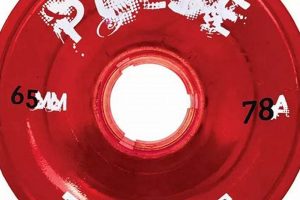
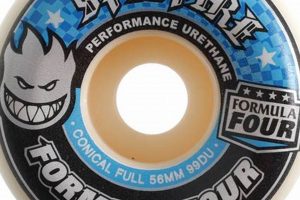
Tip 1: Prioritize Wheel Material: Polyurethane (PU) wheels offer a superior balance of grip, durability, and shock absorption compared to plastic alternatives. This material ensures a smoother, safer ride, particularly on uneven surfaces. Inspect the PU rating (durometer) for optimal performance; lower durometers (e.g., 78A) offer softer rides suitable for outdoor surfaces, while higher durometers (e.g., 85A) are better for indoor rinks.
Tip 2: Evaluate Lighting Mechanism Quality: Examine the generator and LED components for durability. Consider models that employ sealed bearings to protect the internal mechanisms from moisture and debris, thereby extending their lifespan. A consistent, bright illumination indicates a higher quality system.
Tip 3: Assess Bearing Precision: ABEC ratings (Annular Bearing Engineering Committee) indicate the bearing’s precision. Higher ABEC ratings (e.g., ABEC 5, ABEC 7) signify tighter tolerances and smoother rolling, resulting in greater speed and efficiency. However, higher ratings are not always necessary for recreational use; ABEC 3 bearings often suffice.
Tip 4: Verify Brake Pad Condition: Regularly inspect the brake pads for wear and tear. Replace worn brake pads promptly to maintain optimal stopping power. Consider models with adjustable brake pads for personalized comfort and control.
Tip 5: Confirm Proper Fit: Ensure the skates fit snugly and comfortably to prevent injury and enhance control. Ill-fitting skates can lead to ankle strain, blisters, and reduced maneuverability. Consult size charts and consider trying on skates with socks before purchase.
Tip 6: Practice Regular Maintenance: Clean the wheels and bearings periodically to remove dirt and debris. Lubricate the bearings with appropriate lubricant to ensure smooth rotation. Proper maintenance prolongs the lifespan of the equipment and enhances performance.
Tip 7: Wear Protective Gear: Always wear appropriate safety gear, including a helmet, knee pads, elbow pads, and wrist guards. Protective gear significantly reduces the risk of injury in the event of a fall.
These guidelines emphasize the importance of material quality, component durability, and consistent maintenance for enjoyable and secure skating. Implementing these recommendations maximizes the product’s life span while minimizing potential risks.
The subsequent discussion will address specific models currently available on the market, providing a comparative analysis of features and performance metrics to assist in informed purchasing decisions.
1. Visibility Enhancement
The integration of illumination within roller skate wheels directly addresses the critical need for visibility enhancement, especially during low-light conditions or periods of reduced ambient lighting. This feature functions as an active safety measure, increasing the likelihood that the skater will be seen by motorists, pedestrians, and other individuals sharing the same environment. The improved conspicuity directly reduces the risk of accidents and collisions.
Consider urban environments, such as city parks or sidewalks during evening hours. Here, the luminance produced by rolling wheels serves as a readily identifiable signal, marking the skater’s presence within a potentially cluttered visual field. This is particularly valuable where dedicated skating lanes are absent. The effect extends beyond mere detection; the dynamic lighting can aid in assessing speed and direction, vital cues for preemptive avoidance maneuvers by all parties involved.
Ultimately, visibility enhancement is not merely an aesthetic addition; it constitutes a practical safety feature. Its effectiveness hinges on LED brightness, wheel positioning, and sustained power output derived from the wheel’s rotation. By boosting the skater’s visual profile, illuminated wheels contribute to a safer and more secure recreational experience, reducing dependence on static or reflective safety gear alone.
2. Wheel Durometer

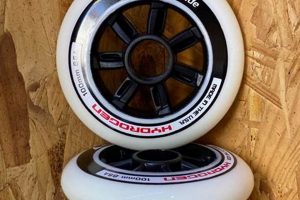
Wheel durometer, a measurement of a wheel’s hardness, is a critical factor in the performance and user experience of recreational devices featuring illuminated rolling components. The durometer rating, typically denoted by a number followed by the letter “A” (e.g., 78A, 85A), quantifies the wheel’s resistance to indentation. Lower durometer values indicate softer wheels, while higher values represent harder wheels. In devices with lighting mechanisms, the durometer selection affects both the ride quality and the long-term durability of the integrated illumination system. For example, skates with softer wheels (e.g., 78A) provide better grip and shock absorption on rough surfaces, potentially extending the lifespan of the internal generator and LED components by reducing impact stress. Conversely, harder wheels (e.g., 85A) offer faster speeds and greater energy transfer on smooth surfaces but may transmit more vibration, potentially accelerating wear on the lighting mechanism.
The specific application and surface conditions significantly influence the optimal durometer choice. For outdoor use on asphalt or concrete, softer wheels are generally preferred for their improved grip and comfort. This is especially relevant for recreational devices intended for novice users, where stability and control are paramount. Indoor rinks typically benefit from harder wheels, which provide reduced rolling resistance and increased speed. The integration of lighting introduces an additional consideration: the chosen durometer must balance performance needs with the protection of the lighting components. Excessive vibration, particularly with cheaper lighting systems, can lead to premature LED failure or damage to the internal generator.
In summary, wheel durometer significantly impacts the ride quality, performance, and longevity of recreational equipment with integrated illumination. Careful consideration of the intended use environment and the quality of the lighting system is essential when selecting a device. Balancing grip, speed, and shock absorption will contribute to an optimal skating experience while minimizing the risk of damage to the lighting mechanisms. Further development in resilient lighting systems could reduce the dependency on specific durometer ranges, offering more flexibility for individual user preferences.
3. Bearing Precision
Bearing precision, typically defined by ABEC (Annular Bearing Engineering Committee) ratings, significantly influences the performance characteristics and longevity of wheeled recreational devices featuring integrated illumination. The ABEC rating system, ranging from ABEC 1 to ABEC 9, quantifies the manufacturing tolerances of bearings, where higher ratings indicate greater precision and smoother rolling. This directly affects speed, efficiency, and the operational lifespan of both the wheels and their incorporated lighting components.
- Reduced Friction and Energy Efficiency
Higher precision bearings minimize friction during rotation, leading to increased energy efficiency. In equipment using kinetic energy to power integrated lighting, this reduced friction translates into brighter and more consistent illumination. The less energy lost to friction, the more energy available to power the LEDs. This is especially relevant in self-powered lighting systems, where consistent brightness is directly tied to the efficiency of the rolling mechanism.
- Enhanced Speed and Glide
The precision of the bearings directly affects the attainable speed and glide duration on a single push. High-precision bearings allow for smoother and longer rolls, enhancing the overall skating experience. For recreational use, this translates to less effort required to maintain momentum, reducing fatigue and increasing enjoyment. While high speeds are not always desirable, the smoother glide afforded by precise bearings contributes to a more controlled and fluid motion.
- Impact on Lighting System Durability
Vibrations and impacts are inherent to wheeled sports. Low-precision bearings can exacerbate these vibrations, potentially damaging sensitive lighting components, such as LEDs and miniature generators. Bearings with tighter tolerances offer greater stability and reduced wobble, mitigating the transmission of harmful vibrations to the lighting system. This contributes to the extended lifespan of the illuminated wheel, reducing the need for frequent replacements.
- Maintenance Requirements
Bearing precision influences the frequency of maintenance. High-precision bearings, due to their tighter tolerances, are more susceptible to contamination from dirt and debris. However, they also respond more favorably to cleaning and lubrication, potentially restoring performance to near-original levels. Regular maintenance, including cleaning and lubrication with appropriate bearing oil or grease, is crucial for preserving the performance and extending the lifespan of precise bearings and the associated lighting systems.
Bearing precision directly contributes to the overall performance and durability of roller skates with illuminated wheels. Higher precision bearings offer improved energy efficiency for the lighting system, enhanced speed and glide, and reduced vibration, leading to a smoother, brighter, and longer-lasting skating experience. While higher ABEC ratings generally indicate better performance, proper maintenance is essential to maximize the benefits and prevent premature wear, particularly in systems featuring integrated lighting.
4. Power Generation
Power generation within illuminated recreational wheels constitutes a pivotal engineering element, enabling the sustained operation of the lighting system without external power sources. This self-sufficiency relies on converting kinetic energy into electrical energy, ensuring continuous illumination as long as the wheels are in motion. The efficiency and reliability of this conversion process are critical to the overall performance and user experience.
- Electromagnetic Induction
The most prevalent method employs electromagnetic induction. A miniature generator, typically housed within the wheel hub, consists of a coil of wire and a magnet. As the wheel rotates, the magnet spins relative to the coil, inducing a current. The generated electricity then powers the LEDs, producing visible light. The strength of the magnetic field, the number of coil windings, and the speed of rotation directly impact the voltage and current produced.
- Piezoelectric Effect
An alternative, though less common, approach utilizes the piezoelectric effect. Piezoelectric materials generate an electrical charge when subjected to mechanical stress. In illuminated wheels, these materials could be strategically positioned to experience compression or deformation during each rotation. While theoretically viable, piezoelectric systems often face challenges related to voltage output and efficiency compared to electromagnetic induction.
- Rectification and Voltage Regulation
The electricity generated, regardless of the method, typically requires rectification and voltage regulation before being supplied to the LEDs. Rectification converts alternating current (AC) to direct current (DC), which is necessary for LED operation. Voltage regulation ensures a stable voltage supply, protecting the LEDs from overvoltage damage and maintaining consistent brightness across a range of wheel speeds.
- Energy Storage (Optional)
Some advanced designs incorporate a small capacitor or other energy storage device to store excess energy generated during periods of high-speed rotation. This stored energy can then be used to maintain illumination during periods of slower rotation or coasting. However, incorporating energy storage adds complexity and cost to the design.
The selection and optimization of the power generation method directly influence the brightness, reliability, and longevity of the illuminated wheels. Electromagnetic induction remains the dominant technology due to its efficiency and relative simplicity, but ongoing research into piezoelectric materials and advanced energy storage techniques may lead to future innovations. Optimizing these factors contributes to creating equipment with effective and reliable luminescence.
5. LED Durability
The operational longevity of light-emitting diodes (LEDs) is a critical determinant of the overall lifespan and user satisfaction associated with recreational equipment incorporating illuminated wheels. LED durability directly impacts the frequency of replacements, maintenance requirements, and the long-term cost-effectiveness of such products.
- Impact Resistance
The physical robustness of LEDs is paramount, given the inherent impacts and vibrations encountered during skating. Encapsulation materials and LED mounting techniques significantly influence their ability to withstand these stresses. High-quality LEDs embedded in resilient polymers are better equipped to endure repeated impacts, mitigating the risk of fracture or dislodgement. For example, surface-mount devices (SMDs) with enhanced solder joints provide greater resistance to shear forces compared to through-hole LEDs, reducing the likelihood of failure under stress. Premature LED failure compromises visibility and necessitates costly repairs or replacements, diminishing the value proposition of the product.
- Thermal Management
LEDs generate heat during operation, and elevated temperatures can accelerate degradation and shorten their lifespan. Efficient thermal management is therefore essential. Adequate heat sinking, often achieved through the use of thermally conductive adhesives or metallic pathways, facilitates heat dissipation and prevents overheating. Insufficient heat sinking can lead to reduced light output, color shifting, and ultimately, LED burnout. The integration of thermal management solutions tailored to the specific power requirements of the LEDs is crucial for ensuring consistent performance and extending operational lifespan.
- Water Resistance
Exposure to moisture poses a significant threat to LED durability, particularly in outdoor environments. Water ingress can cause corrosion, short circuits, and premature LED failure. Effective sealing techniques, such as the use of waterproof adhesives, gaskets, or conformal coatings, are necessary to protect the LEDs from moisture damage. Ingress Protection (IP) ratings provide a standardized measure of water resistance, allowing consumers to assess the suitability of a product for specific environmental conditions. Products intended for use in wet or damp environments should exhibit a high IP rating to ensure long-term reliability.
- Operating Voltage and Current Control
LEDs are highly sensitive to voltage and current fluctuations. Overvoltage or overcurrent conditions can lead to immediate or gradual degradation, reducing light output and ultimately causing failure. Incorporating current-limiting resistors or dedicated LED driver circuits provides stable and controlled power delivery, protecting the LEDs from electrical stresses. Proper voltage and current regulation is essential for maximizing LED lifespan and maintaining consistent brightness over time. This is particularly important in self-powered systems, where voltage fluctuations can occur due to variations in wheel speed.
The durability of LEDs is a complex function of material selection, design implementation, and environmental conditions. Prioritizing impact resistance, thermal management, water resistance, and precise electrical control is critical for ensuring the long-term reliability and user satisfaction associated with illuminated wheels. Selecting products incorporating robust LEDs and effective protective measures minimizes the risk of premature failure, maximizing the value and utility of these recreational devices.
6. Material Strength

Material strength, referring to the ability of a substance to withstand applied stress without failure, is a paramount consideration in the design and construction of recreational devices with illuminated rolling components. The selection of materials directly impacts the safety, durability, and performance of these products.
- Wheel Core Integrity
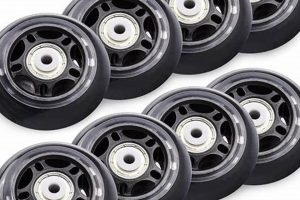
The wheel core, often constructed from polymers or alloys, provides structural support for the tire and houses the lighting mechanism. Inadequate material strength in the core can lead to deformation, cracking, or complete failure under load. For instance, repeated impacts during skating on uneven surfaces can induce stress fractures in a poorly constructed core, compromising the integrity of the wheel and potentially causing accidents. Polyurethane (PU) wheels with reinforced cores, such as fiberglass-reinforced nylon, offer enhanced durability compared to basic plastic alternatives. An intact wheel core ensures consistent performance and prevents damage to the embedded lighting components.
- Axle and Mounting Hardware
The axle and associated mounting hardware are responsible for connecting the wheels to the skate frame. The material strength of these components is critical for withstanding the shear forces and tensile stresses generated during use. Substandard materials can bend, shear, or strip threads, leading to wheel detachment and potential injury. High-tensile steel alloys, commonly used in axles and mounting hardware, provide superior strength and resistance to deformation. Regularly inspecting and replacing worn or damaged hardware is essential for maintaining structural integrity and preventing catastrophic failures. For example, ensuring tight axle nuts prevents excessive play, reducing stress on the axle threads.
- Frame and Chassis Robustness
The frame or chassis provides the structural foundation for the entire skate, supporting the skater’s weight and distributing forces across the wheels. Insufficient material strength can result in bending, cracking, or complete frame failure, leading to loss of control and potential injury. Aircraft-grade aluminum alloys or reinforced polymers are often employed in frames due to their high strength-to-weight ratios. Consider a scenario where a skater encounters a curb or obstacle; a weak frame may buckle under the impact, whereas a robust frame will absorb the force and maintain its structural integrity. Maintaining a solid frame protects all components attached, including the wheel lighting system.
- Impact Resistance of Lighting Enclosure
The housing that protects the LEDs and power generation components must also possess adequate material strength. This enclosure is vulnerable to direct impacts, and a brittle or weak housing can crack, exposing the delicate internal components to damage from moisture, dirt, and physical stress. Polycarbonate or impact-resistant acrylics are often used for these housings due to their ability to absorb energy without shattering. A robust enclosure ensures the longevity of the lighting system and maintains its effectiveness as a safety feature. For example, selecting skates with a recessed or reinforced lighting enclosure can mitigate the risk of damage from impacts.
These factors highlight the essential role of material strength in ensuring the safety, durability, and performance of recreational devices. Compromises in material quality can lead to premature failure, increased risk of injury, and diminished user satisfaction. Prioritizing robust materials throughout the design and construction of these recreational devices enhances their reliability and contributes to a safer and more enjoyable skating experience.
7. Roller Skate Type

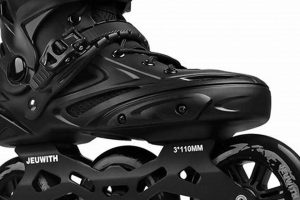
The integration of illuminated wheels directly intersects with roller skate type, influencing both performance characteristics and aesthetic appeal. Different roller skate designsprimarily quad and inlineoffer distinct handling qualities and accommodate illuminated wheels in varying configurations. Quad skates, characterized by two pairs of wheels arranged in a rectangular configuration, provide inherent stability, making them suitable for beginners and recreational users. The larger surface area allows for brighter, more prominent lighting within each wheel, maximizing visibility. Inline skates, conversely, arrange wheels in a single line, facilitating higher speeds and greater maneuverability. Illuminated wheels on inline skates emphasize speed and streamlined aesthetics. Therefore, the choice of skate type directly impacts the implementation and visibility of the integrated illumination system.
Real-world examples illustrate this connection. Recreational quad skates, often marketed toward children and novice skaters, frequently feature large, brightly lit wheels that enhance visibility during low-light conditions. These skaters often prioritize safety and visual appeal. High-performance inline skates, used for speed skating or aggressive skating, tend to utilize smaller, more streamlined illuminated wheels to minimize drag and maintain agility. In this context, illumination serves a secondary function, adding a visual flair to the skater’s performance. The specific lighting pattern, such as steady illumination or pulsating effects, may also vary based on the skate type and intended application. Skaters may choose inline skates for a light show at a party, where quad skates may be used for children for trick-or-treating.
Understanding the interplay between roller skate type and illuminated wheel design is critical for manufacturers and consumers alike. Manufacturers must tailor the lighting system to the specific performance requirements of each skate type, balancing visibility, aesthetics, and aerodynamic considerations. Consumers can leverage this understanding to select products that align with their skill level, intended use, and desired visual impact. The successful integration of illuminated wheels hinges on acknowledging and accommodating the inherent differences between quad and inline skates. By recognizing this link, we enhance enjoyment and ensure performance when using these devices.
Frequently Asked Questions
The following section addresses common inquiries regarding recreational footwear featuring integrated illumination within the wheels, offering objective and fact-based responses.
Question 1: Are lighted wheels safe to use at night?
Integrated illumination enhances visibility during periods of low ambient lighting, thus contributing to safety. However, these devices do not replace the need for reflective clothing and adherence to safety regulations. Responsible usage is imperative.
Question 2: How long do the lights typically last?
LED lifespan varies based on usage frequency, wheel quality, and power generation efficiency. Higher-quality wheels and consistent usage generally extend LED duration. However, expect diminished brightness over time, ultimately requiring wheel replacement.
Question 3: Is any battery needed for the lights to function?
Most illuminated wheels employ kinetic energy to generate electricity, negating the requirement for batteries. However, certain premium models may integrate battery-powered systems for enhanced brightness or customizable lighting effects.
Question 4: Can the lights be turned off?
Generally, the lights are activated by wheel motion and cannot be manually deactivated. Certain advanced models may incorporate on/off switches. Assess individual product specifications for precise details.
Question 5: Do lighted wheels affect skating performance?
Wheel weight and rolling resistance exert influence on skating performance. Premium models mitigate these effects through lightweight construction and precision bearings. However, inexpensive models may exhibit noticeable performance reduction.
Question 6: What is the weight limit to use with lighted roller skates?
The allowable weight limit depends on the wheel and frame material. Before usage, users should review the specifications of each product.
Illuminated wheels offer an element of visual appeal and improved visibility. However, careful consideration of product quality, intended use, and safety precautions remains paramount.
The subsequent section will provide comparative analysis of various product brands available within the current market, highlighting the strengths and weaknesses of each offering.
Conclusion
“Light up wheels roller skates” represent a confluence of recreation, safety, and technology. This exploration has detailed the various facets of these devices, from the underlying mechanics of power generation and LED durability to the material strength and skate type considerations that impact performance and longevity. The visibility enhancement afforded by these illuminated components contributes to a safer skating experience, particularly in low-light conditions.
Continued innovation in materials science, energy efficiency, and lighting technology will likely yield further advancements in the design and functionality of “light up wheels roller skates.” Ensuring compliance with safety standards, prioritizing quality components, and adhering to recommended maintenance practices will remain critical for maximizing the benefits and minimizing the risks associated with these recreational devices.