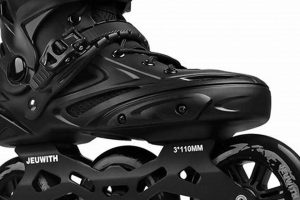
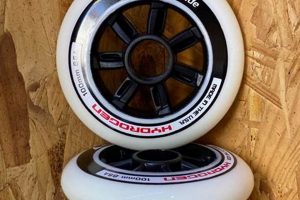
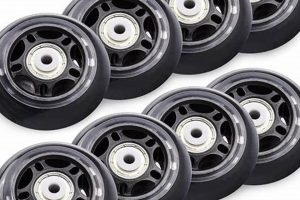
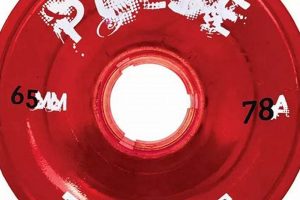
Illuminated roller skate components, specifically the rolling cylinders attached to the boot, enhance visibility. These components contain internal mechanisms that generate luminescence through motion, typically utilizing induction or dynamo principles. An example includes polyurethane wheels embedding LEDs activated when the skater moves, creating a bright visual effect.
The incorporation of light-emitting mechanisms into these recreational items provides several advantages. Enhanced visibility significantly improves safety, especially during low-light conditions, reducing the risk of accidents involving pedestrians or vehicles. Historically, reflective materials were the primary means of increasing visibility; however, self-illuminating elements offer a more prominent and dynamic visual signal.
The following sections will delve into the specific technologies employed in creating these illuminated features, examining their durability, power source, and maintenance requirements. Furthermore, the discussion will address the various designs and aesthetic options available, along with considerations for user safety and regulatory compliance.
Tips for Purchasing Illuminated Roller Skates
Selecting roller skates featuring light-up wheels requires careful consideration to ensure safety, performance, and longevity. The following tips provide guidance for informed purchasing decisions.
Tip 1: Wheel Material and Durometer: Prioritize polyurethane wheels with a durometer appropriate for the intended skating surface. Higher durometer ratings are suitable for smooth surfaces, while softer wheels offer better grip on rougher terrain. The wheel material directly impacts the smoothness and control of the skating experience.
Tip 2: LED Power Source and Longevity: Examine the power source for the illuminating LEDs. Induction-powered systems, which generate electricity through wheel rotation, eliminate the need for batteries. Investigate the expected lifespan of the LEDs and the availability of replacement wheels.
Tip 3: Bearing Quality and Maintenance: The quality of the wheel bearings significantly influences the rolling efficiency. ABEC ratings indicate the precision of the bearings, with higher ratings signifying greater smoothness. Regular cleaning and lubrication are essential for maintaining optimal bearing performance.
Tip 4: Boot Support and Comfort: Ensure the skate boot provides adequate ankle support and a comfortable fit. A properly fitted boot minimizes the risk of injury and enhances control during skating. Consider features such as padded liners and adjustable closures.
Tip 5: Visibility in Varying Light Conditions: Evaluate the brightness of the illuminated wheels in both daylight and low-light conditions. Brighter LEDs increase visibility, particularly during dusk or nighttime skating. The color of the lights can also impact visibility, with brighter colors generally being more effective.
Tip 6: Compliance with Safety Standards: Verify that the skates meet relevant safety standards and regulations. Certifications from organizations such as ASTM (American Society for Testing and Materials) indicate that the product has undergone testing for safety and performance.
In conclusion, careful evaluation of wheel material, LED power, bearing quality, boot support, visibility, and safety compliance will contribute to a satisfactory and secure skating experience.
The subsequent sections will explore maintenance strategies and common troubleshooting techniques for skates equipped with illuminating wheels.
1. Illumination Technology
Illumination technology constitutes a crucial element in the functionality of roller skates featuring light-up wheels. The technology directly influences the brightness, durability, and overall safety of the skates. An understanding of the underlying mechanisms is essential for evaluating the quality and performance of such products.
- Electromagnetic Induction
Electromagnetic induction is a prevalent technology employed in illuminating roller skate wheels. It uses a magnetic field generated by magnets within the wheel, which induces an electric current in a coil as the wheel rotates. This current powers LEDs embedded in the wheel. The absence of batteries is a primary advantage, enhancing reliability and eliminating the need for replacements. For example, the kinetic energy of the rolling wheel is converted to electricity and then to light, making it self-sustaining and maintenance-free.
- LED Characteristics
Light-emitting diodes (LEDs) are the most common light source in illuminated roller skate wheels. Key characteristics of LEDs include brightness (measured in lumens), color temperature, and lifespan. Higher lumen output ensures greater visibility, especially during low-light conditions. LED color can influence perceived visibility and aesthetic appeal. Durable, long-lasting LEDs extend the overall product lifespan. An example is the use of high-efficiency LEDs that provide adequate light without excessive power drain, optimizing battery life or induction-powered performance.
- Power Regulation and Circuit Design
Effective power regulation is essential for maintaining consistent LED brightness and preventing damage. Circuit design ensures the stable operation of the illumination system under varying rotational speeds. Voltage regulation, surge protection, and thermal management are critical aspects of a well-designed system. A robust circuit design ensures consistent brightness and prolongs the lifespan of the LEDs, preventing premature failure due to voltage spikes or overheating.
- Encapsulation and Environmental Protection
The encapsulation of the electronic components is crucial for protecting them from environmental factors such as moisture, dirt, and impact. Proper encapsulation enhances the durability and reliability of the illumination system. Epoxy resins or similar materials are commonly used to encapsulate the LEDs and associated circuitry. This protects the internal components from damage and ensures consistent operation in various skating conditions.
The integration of these illumination technologies into roller skate wheels necessitates careful consideration of materials, design, and manufacturing processes. The performance and longevity of the resulting product directly depend on the quality of these integrated systems. Electromagnetic induction provides a reliable power source, LED characteristics determine brightness and lifespan, power regulation stabilizes operation, and encapsulation ensures environmental protection.
2. Wheel Durability

Wheel durability is a critical factor influencing the performance and lifespan of roller skates equipped with illumination features. The materials, construction, and design of the wheels directly impact their ability to withstand the stresses of skating, and consequently, the longevity of the entire product.
- Material Composition and Hardness
The primary material for roller skate wheels is typically polyurethane. The specific formulation of the polyurethane affects the wheel’s hardness, rebound, and resistance to abrasion. Harder wheels offer greater speed and durability on smooth surfaces, while softer wheels provide better grip and shock absorption on rougher terrain. Selecting an appropriate durometer rating, typically ranging from 78A to 101A, is crucial for optimizing wheel durability. For example, skating on abrasive asphalt with soft wheels will result in accelerated wear and tear, whereas harder wheels may provide a longer lifespan under those conditions.
- Core Design and Construction
The wheel core provides structural support and affects the wheel’s rolling efficiency. A well-designed core distributes stress evenly, preventing deformation and premature failure. Materials such as nylon or reinforced plastics are commonly used. High-quality cores maintain their shape and integrity under load, ensuring consistent performance over time. For instance, a poorly constructed core may crack or deform, causing the wheel to wobble and reducing its overall durability.
- LED Integration and Encapsulation
The integration of light-emitting diodes (LEDs) into the wheel structure presents unique challenges for durability. The encapsulation of the LEDs must protect them from impact, moisture, and vibration, while also allowing for sufficient light transmission. The method of embedding the LEDs affects the structural integrity of the wheel. A robust encapsulation method ensures the LEDs remain functional and the wheel maintains its shape and durability. An example includes potting the LEDs in a resilient, transparent resin to prevent damage from external forces.
- Bearing Seat Precision and Fit
The bearing seat is the recess within the wheel where the bearings are installed. Precise dimensions and a smooth surface are essential for ensuring proper bearing alignment and preventing premature wear. A poorly machined bearing seat can cause the bearings to bind or wobble, leading to increased friction and heat, which can degrade the wheel material and reduce its lifespan. Accurate machining of the bearing seat ensures smooth rolling and prolonged wheel durability.
In conclusion, wheel durability is a multifaceted attribute dependent on material composition, core design, LED integration, and bearing seat precision. These factors interact to determine the lifespan and performance of roller skates equipped with illumination features. The selection of appropriate materials and manufacturing techniques is critical for creating wheels that withstand the demands of skating while maintaining their illuminating capabilities.
3. Bearing Performance

Bearing performance directly influences the functionality and user experience of roller skates featuring illuminated wheels. The efficiency and reliability of the bearings contribute to rolling speed, smoothness, and overall durability. Consequently, understanding the factors affecting bearing performance is essential for evaluating these specific types of roller skates.
- ABEC Rating and Precision
The Annular Bearing Engineers’ Committee (ABEC) rating system defines the manufacturing tolerances of bearings. Higher ABEC ratings (e.g., ABEC 7, ABEC 9) indicate tighter tolerances, resulting in smoother and faster rolling. In the context of illuminated roller skate wheels, high-precision bearings minimize friction and maximize energy transfer, contributing to a more efficient generation of power for the lighting system, especially in induction-powered setups. For example, using ABEC 9 bearings in skates with induction-powered lights can improve light intensity and consistency compared to using lower-rated bearings.
- Bearing Material and Construction
The materials used in bearing construction, such as steel or ceramic, affect their durability and performance characteristics. Steel bearings are common and cost-effective, while ceramic bearings offer lower friction and greater resistance to heat and corrosion. In skates with light-up wheels, ceramic bearings may be preferred due to their reduced friction, which can enhance the overall rolling efficiency and reduce the effort required to maintain a certain speed. Additionally, sealed or shielded bearings protect against contaminants, prolonging their lifespan and maintaining consistent performance. An example includes stainless steel bearings with rubber seals providing resistance to water and debris, extending the life of the bearings in outdoor skating environments.
- Lubrication and Maintenance
Proper lubrication is essential for reducing friction and wear within bearings. Lubricants such as grease or oil create a thin film between the rolling elements, minimizing contact and dissipating heat. Regular cleaning and lubrication are necessary to maintain optimal bearing performance. In illuminated roller skate wheels, well-maintained bearings not only improve rolling efficiency but also reduce the strain on the lighting system. For example, cleaning and re-lubricating the bearings every few weeks can prevent the buildup of dirt and grime, maintaining smooth rolling and reducing the power needed to activate the lights.
- Impact of Wheel Design
The design of the wheel hub and the bearing seat directly impacts bearing performance. A precisely machined bearing seat ensures proper alignment and reduces stress on the bearings. Wheels with poorly designed bearing seats can cause the bearings to bind or wobble, leading to increased friction and premature wear. In roller skates with illuminated wheels, a well-designed wheel hub ensures that the bearings operate smoothly, maximizing the efficiency of both the rolling action and the light-generating mechanism. For instance, wheels with reinforced bearing seats prevent deformation under load, maintaining consistent bearing alignment and performance.
These facets of bearing performance are interconnected and critical to the overall experience of using roller skates with light-up wheels. Efficient, durable, and well-maintained bearings contribute to smoother rolling, reduced effort, and enhanced illumination, ultimately improving the skater’s performance and enjoyment. Conversely, substandard bearings can diminish the rolling experience and reduce the lifespan of the skates and the lighting system. Therefore, careful consideration of bearing quality and maintenance is essential when evaluating and using these types of roller skates.
4. Safety Standards

The adherence to established safety standards is paramount in the manufacturing and distribution of roller skates featuring light-up wheels. These standards ensure a minimum level of protection for users, mitigating risks associated with product defects, materials, and overall design.
- ASTM F2729: Standard Specification for Consumer Safety for Roller Skates
ASTM F2729 is a key safety standard applicable to roller skates. It addresses requirements related to construction, performance, and labeling. This standard encompasses aspects such as braking efficiency, structural integrity, and the secure attachment of components. Compliance with ASTM F2729 signifies that the skates have undergone testing to meet minimum safety thresholds. For roller skates equipped with illumination, this includes ensuring the lighting components do not compromise the structural integrity or increase the risk of injury. For example, the standard dictates the minimum force that the skate frame must withstand without failure, considering the added weight and configuration of the light-up mechanisms.
- EN 13843: Roller Sports Equipment – In-line Skates and Roller Skates – Safety Requirements and Test Methods
EN 13843 is a European standard specifying safety requirements and test methods for roller skates. This standard covers aspects such as the braking system, the strength of the skate components, and the effectiveness of closures and adjustment mechanisms. For skates with illuminated wheels, compliance with EN 13843 requires verification that the lighting elements do not introduce hazards, such as sharp edges or protruding parts, and that they do not impair the skate’s performance. For instance, the standard specifies tests to ensure the wheel assembly remains intact under impact and that the braking system functions effectively with the added weight of the lighting components.
- Electrical Safety Compliance
Roller skates with light-up wheels that incorporate electrical components, such as LEDs and batteries, must comply with relevant electrical safety standards. These standards address issues such as voltage levels, insulation, and protection against short circuits. Compliance minimizes the risk of electrical shock or fire. For example, Underwriters Laboratories (UL) standards or similar certifications ensure that the electrical components are properly insulated and protected against moisture, reducing the risk of electrical hazards during use.
- Material Safety and Chemical Regulations
The materials used in the construction of roller skates, including the wheels and lighting components, must adhere to regulations concerning hazardous substances. Regulations such as RoHS (Restriction of Hazardous Substances) limit the use of materials such as lead, mercury, and cadmium. Compliance protects users from exposure to harmful chemicals and ensures environmentally responsible manufacturing practices. For example, manufacturers must verify that the plastic materials used in the wheels and the soldering materials used in the lighting circuits do not contain restricted substances above specified limits.
In conclusion, adherence to safety standards is crucial for ensuring the safety and reliability of roller skates with light-up wheels. Compliance with standards such as ASTM F2729 and EN 13843 addresses structural and performance requirements, while electrical safety standards and material safety regulations minimize the risk of electrical hazards and exposure to harmful chemicals. The integrated application of these standards provides a comprehensive approach to safeguarding users and promoting responsible manufacturing practices.
5. Visibility Enhancement
Visibility enhancement is a primary consideration in the design and utilization of roller skates featuring illuminated wheels. The integration of lighting elements aims to improve the conspicuity of the skater, particularly in low-light conditions, thereby reducing the risk of accidents and collisions.
- Increased Conspicuity in Low-Light Environments
The incorporation of light-emitting wheels significantly increases a skater’s visibility during dusk, nighttime, or other situations with reduced ambient lighting. The moving lights create a dynamic visual signal that is more noticeable than static reflective elements. For example, a skater using illuminated wheels on a dimly lit street is more readily visible to motorists and pedestrians, reducing the likelihood of an accident. This enhanced visibility is critical for safety in urban environments with varying lighting conditions.
- Differentiation from Ambient Light Sources
Illuminated wheels can employ specific colors and patterns of light that differentiate the skater from static streetlights, vehicle headlights, and other ambient light sources. This differentiation aids in rapid identification and assessment of the skater’s presence. For example, the use of pulsating or alternating colors in the wheel lights creates a more attention-grabbing effect than a constant, static light, further enhancing visibility and reducing the risk of misidentification by other road users.
- Enhanced Peripheral Awareness
The rotating motion of the illuminated wheels creates a wider visual footprint than a single point of light, improving peripheral awareness for drivers and pedestrians approaching from different angles. This increased peripheral visibility is particularly important at intersections and in areas with obstructed views. For example, a driver approaching an intersection at night is more likely to notice a skater with illuminated wheels approaching from the side, even if the skater is not directly in the driver’s line of sight.
- Improved Safety in Shared Use Spaces
In shared use spaces such as bike paths and pedestrian walkways, illuminated wheels help to delineate the skater’s presence and movement, reducing the risk of collisions with other users. The increased visibility also promotes a greater sense of safety and encourages more responsible behavior among all users. For example, in a crowded park at night, skaters with illuminated wheels are more easily seen by pedestrians and cyclists, reducing the likelihood of accidental contact and promoting a safer environment for everyone.
In conclusion, the incorporation of illuminated wheels into roller skates significantly enhances visibility across a range of environmental conditions and usage scenarios. The increased conspicuity, differentiation from ambient light, enhanced peripheral awareness, and improved safety in shared spaces collectively contribute to a safer and more enjoyable skating experience. These improvements highlight the importance of visibility enhancement as a core design principle for roller skates, particularly those intended for use in low-light or high-traffic environments.
Frequently Asked Questions
This section addresses common inquiries regarding roller skates featuring illuminating wheels, providing detailed explanations to enhance understanding and inform purchasing decisions.
Question 1: How do light-up roller skate wheels generate illumination?
The most common method involves electromagnetic induction. Small magnets within the wheel generate a magnetic field. As the wheel rotates, this magnetic field induces an electric current in a coil, powering light-emitting diodes (LEDs) embedded within the wheel. This system eliminates the need for batteries.
Question 2: Do illuminated roller skate wheels require batteries?
Many designs utilize induction, as mentioned above, and do not require batteries. However, some models may incorporate battery-powered LEDs. Battery-powered systems offer consistent brightness but require periodic battery replacement or recharging. Induction systems provide self-sustaining power but the light brightness is depending on wheel rolling speed.
Question 3: What is the expected lifespan of light-up roller skate wheels?
The lifespan of the wheels depends on several factors, including material composition, usage frequency, and skating surface. High-quality polyurethane wheels, coupled with durable LEDs and robust encapsulation, will provide a longer lifespan. It’s worth noting that some designs are more durable than others, depending on wheel construction.
Question 4: Are light-up roller skate wheels safe for use?
Safety depends on adherence to established safety standards and responsible usage. It is essential to ensure that the skates meet relevant safety certifications (e.g., ASTM F2729 or EN 13843). Additionally, users should wear appropriate protective gear, such as helmets and pads, and be aware of their surroundings, as light-up wheels do not guarantee safety by themselves. Visibility, however, is increased and might cause safety improvement.
Question 5: How do light-up roller skate wheels affect skating performance?
High-quality light-up wheels should not significantly impact performance. However, the added weight of the lighting components can alter the feel slightly. Selecting wheels with high-quality bearings and appropriate durometer ratings will minimize any potential performance reduction.
Question 6: Can the LEDs in light-up roller skate wheels be replaced?
In most cases, the LEDs are permanently embedded within the wheel and are not replaceable. If the LEDs fail, the entire wheel typically needs to be replaced. Some manufacturers may offer replacement wheels with integrated lighting, but this varies depending on the brand and model.
In summary, roller skates featuring illuminating wheels combine enhanced visibility with standard skating functionality. Understanding the power source, safety standards, and wheel construction is crucial for making informed purchasing decisions.
The subsequent section will address maintenance strategies specific to these types of roller skates, ensuring continued performance and longevity.
Conclusion
Roller skates light up wheels offer a multifaceted enhancement to the recreational activity. This exploration has addressed the underlying technologies, encompassing power generation, illumination mechanisms, and material considerations. Durability, bearing performance, and compliance with recognized safety standards are paramount to ensure both user safety and product longevity. Improved visibility, particularly in low-light conditions, represents a significant safety advantage.
The integration of illuminating elements into roller skate wheels represents a convergence of recreational enjoyment and enhanced safety measures. As technology evolves, continued innovation in materials, power efficiency, and safety protocols will likely further refine the design and functionality of these products. A commitment to informed purchasing decisions and responsible usage practices will maximize the benefits derived from this evolving recreational technology.