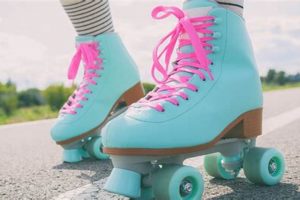
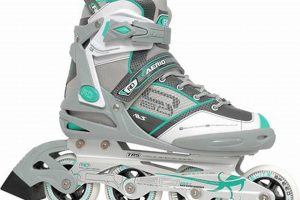
Equipment employed in the sport of roller derby features a specific configuration: four wheels arranged in two parallel pairs beneath a boot. This setup provides stability and maneuverability critical for the fast-paced, full-contact nature of the game. Players rely on this design to execute precise movements, including quick stops, agile turns, and forceful blocks.
The use of this particular skating equipment is fundamental to the sport’s gameplay. Its inherent design characteristics contribute to the unique strategies and techniques employed by roller derby athletes. Historically, the development of these skates has paralleled the evolution of the sport itself, adapting to meet the increasing demands for performance and safety. The configuration facilitates both offensive and defensive tactics, contributing significantly to a player’s overall effectiveness on the track.
Subsequent sections will delve into the individual components of these skates, exploring aspects such as wheel selection, bearing maintenance, and boot construction. Further discussion will cover proper fitting techniques and considerations for optimizing performance based on individual skating styles and roles within a roller derby team.
Roller Derby Quad Skates
Maximizing the performance and longevity of skating equipment requires careful attention to detail. The following points outline key considerations for optimizing setup and maintenance.
Tip 1: Wheel Selection: Wheel durometer significantly impacts grip and roll. Lower durometer wheels (e.g., 88A-93A) offer greater grip on slick surfaces, while higher durometer wheels (e.g., 95A-99A) provide faster roll on smoother tracks. Experiment with different durometers to find the optimal balance for specific track conditions and skating style.
Tip 2: Bearing Maintenance: Regular cleaning and lubrication of bearings are essential for maintaining speed and minimizing friction. Remove bearings from wheels, clean with a solvent designed for bearings, and re-lubricate with a thin lubricant. Avoid over-lubrication, as this can attract dirt and grime. Frequency of cleaning depends on usage and track conditions.
Tip 3: Plate Mounting and Alignment: Proper plate mounting is crucial for stability and control. Ensure the plate is centered and aligned correctly with the boot. Misalignment can lead to uneven wear on wheels and compromised maneuverability. Consult with a qualified skate technician for professional mounting and alignment.
Tip 4: Toe Stop Adjustment: Toe stop height and angle influence braking and acceleration. Adjust the toe stops to a height that allows for comfortable and efficient braking without impeding forward motion. Experiment with different angles to find the optimal position for individual skating style.
Tip 5: Boot Fit: A snug but comfortable boot fit is essential for optimal performance and injury prevention. Ensure the boot provides adequate ankle support and allows for full range of motion. Consider heat-moldable boots for a customized fit. Improper fit can lead to blisters, foot pain, and compromised control.
Tip 6: Truck Adjustment: Truck tightness affects turning ability and stability. Looser trucks allow for sharper turns but can reduce stability at high speeds. Tighter trucks provide greater stability but can limit maneuverability. Experiment with different truck settings to find the optimal balance for individual skating style and preferences.
Tip 7: Regular Inspection: Conduct regular inspections of all components, including wheels, bearings, plates, trucks, and boots. Check for signs of wear and tear, such as cracks, loose hardware, or worn wheels. Promptly replace or repair any damaged components to ensure safety and optimal performance.
Implementing these strategies contributes significantly to improved performance, enhanced safety, and extended lifespan of skating equipment. Consistent application of these recommendations is crucial for maximizing the investment in skating equipment and optimizing athletic performance.
The following sections will provide more in-depth information on selecting the appropriate gear and optimizing training regimens for roller derby athletes.
1. Boot Construction
Boot construction is a critical factor influencing the performance and safety of roller derby quad skates. The materials, design, and overall structure of the boot directly impact a skater’s agility, stability, and protection during gameplay.
- Material Composition
The materials used in boot construction, such as leather, synthetic fabrics, or carbon fiber, determine the boot’s stiffness, weight, and durability. Leather boots offer a classic feel and mold to the skater’s foot over time, while synthetic materials provide increased water resistance and lighter weight. Carbon fiber boots offer maximum stiffness for optimal power transfer. The choice of material impacts responsiveness and comfort during extended periods of skating.
- Ankle Support and Padding
Adequate ankle support is crucial for preventing injuries and maintaining stability during lateral movements. High-cut boots with reinforced ankle support provide greater stability, while lower-cut boots offer increased range of motion. Padding around the ankle and heel areas enhances comfort and reduces the risk of blisters and chafing. The design of the ankle support system significantly influences a skater’s ability to execute quick turns and stops.
- Closure Systems
Closure systems, including laces, straps, and buckles, secure the boot to the skater’s foot and allow for customized fit adjustments. Laces provide a traditional and highly adjustable fit, while straps and buckles offer quick and easy adjustments on the fly. Combination closure systems offer a balance of adjustability and convenience. A secure and properly adjusted closure system prevents slippage and ensures optimal power transfer during skating.
- Heat Molding and Customization
Some boots are designed to be heat-molded, allowing for a customized fit that conforms to the individual skater’s foot shape. Heat molding involves heating the boot in a special oven and then wearing it while it cools, allowing the materials to mold to the foot. Customization options, such as arch supports and orthotics, can further enhance comfort and performance. A properly fitted boot minimizes discomfort and optimizes energy transfer, leading to improved skating performance.
The aforementioned facets of boot construction synergistically influence the overall performance of roller derby quad skates. Selection should align with player position, skating style, and individual preference. Properly constructed and maintained boots significantly contribute to enhanced athletic performance and reduced risk of injury.
2. Plate Material

The plate, a critical component of roller derby quad skates, directly influences performance characteristics. Its material composition dictates the skate’s weight, responsiveness, and durability. Aluminum plates, a common choice, offer a balance of strength and weight, providing efficient energy transfer. Lighter plates can enhance agility and reduce fatigue, enabling quicker movements and prolonged skating sessions. Conversely, heavier plates may offer increased stability for skaters prioritizing power and impact resistance. The plate’s design and material also affect vibration absorption, influencing rider comfort over extended periods of use. The choice of plate material, therefore, becomes a pivotal decision in skate selection, aligning with the skaters individual needs and playing style.
Further considerations regarding plate material involve the specific alloys utilized. Different aluminum alloys, for instance, exhibit varying levels of tensile strength and resistance to bending or breaking under stress. Nylon plates, while lighter and less expensive, may exhibit decreased durability compared to aluminum, making them more suitable for recreational use or novice skaters. Hybrid plates, combining elements of different materials, attempt to optimize specific performance characteristics. The decision often balances cost considerations with the expected demands of competitive roller derby. Advanced manufacturing techniques, such as CNC machining, further refine plate design, improving structural integrity and reducing unnecessary weight. The industry continually innovates in materials science to enhance the performance and longevity of these crucial components.
In summary, the plate material used in roller derby quad skates significantly impacts performance attributes such as weight, responsiveness, and durability. Careful consideration of material properties and manufacturing techniques is paramount for skaters seeking to optimize their equipment for competitive advantage and longevity. The selection process should align with the skaters specific style, playing frequency, and budget constraints. Ultimately, informed material selection contributes directly to a skater’s overall effectiveness and enjoyment of the sport.
3. Wheel Durometer
Wheel durometer, a measure of a wheel’s hardness, is a critical factor influencing the performance of roller derby quad skates. The durometer rating, typically expressed on the A scale, dictates the wheel’s grip, roll, and overall suitability for different track conditions and skating styles. Selecting the appropriate durometer is essential for optimizing speed, agility, and control.
- Grip vs. Roll Characteristics
Lower durometer wheels (e.g., 88A – 93A) offer increased grip, providing greater traction on slick or polished surfaces. This enhanced grip facilitates quicker stops, sharper turns, and more aggressive maneuvers. Higher durometer wheels (e.g., 95A – 99A), conversely, prioritize roll speed, reducing friction and enabling faster straight-line skating. Skaters must balance the need for grip and roll based on their specific playing style and the characteristics of the skating surface. An example of this is selecting a lower durometer for a newly polished rink, and a higher durometer for an older, more gripped surface.
- Track Surface Considerations
The ideal wheel durometer varies depending on the track surface. Smooth, polished concrete or sport court surfaces generally favor harder wheels (higher durometer) to maximize roll speed. Conversely, rougher surfaces or those with less inherent grip necessitate softer wheels (lower durometer) to maintain traction and prevent slippage. Skaters should assess the track conditions before each bout or practice and adjust their wheel durometer accordingly. Using a wheel that is too hard on a slippery floor causes loss of control, and using a wheel that is too soft on a grippy floor can slow the skater down.
- Skating Style and Position
Skating style and playing position also influence the optimal wheel durometer. Jammers, who prioritize speed and agility, may prefer harder wheels to maximize roll and facilitate quick bursts of acceleration. Blockers, who require greater stability and traction for defensive maneuvers, may opt for softer wheels to enhance grip and control. Individual preferences and skating techniques should be considered when selecting the appropriate durometer. Some skaters also choose to have a “hybrid” setup, using harder wheels on the inside and softer wheels on the outside to maximize efficiency when leaning into a turn.
- Wear and Durability
Wheel durometer also affects wear and durability. Softer wheels tend to wear down more quickly, especially on abrasive surfaces. Harder wheels offer greater resistance to wear but may provide less grip. Skaters should monitor their wheel wear and replace them as needed to maintain optimal performance. Regular rotation of wheels can help to distribute wear evenly and extend the lifespan of the wheels.
In conclusion, wheel durometer is a crucial factor influencing the performance of roller derby quad skates. Careful consideration of grip versus roll, track surface, skating style, and wear characteristics is essential for selecting the appropriate wheels and optimizing skating performance. The optimal choice reflects a balance of properties that address both the needs of the athlete and the challenges presented by the venue.
4. Bearing Precision
Bearing precision, a critical determinant of roller derby quad skate performance, directly influences a skater’s speed, efficiency, and overall control. The internal components of a bearing and the tolerances to which they are manufactured impact the amount of friction generated during wheel rotation.
- ABEC Rating and Tolerance
The Annular Bearing Engineering Committee (ABEC) rating system (ABEC-1, ABEC-3, ABEC-5, ABEC-7, ABEC-9) defines the manufacturing tolerances for bearings. Higher ABEC ratings indicate tighter tolerances, resulting in smoother and more efficient operation. For example, an ABEC-7 bearing will exhibit less internal friction than an ABEC-1 bearing, theoretically allowing for higher speeds with less effort. While ABEC ratings are a useful guideline, other factors, such as the quality of materials and lubrication, also significantly impact performance.
- Bearing Materials and Construction
Bearing materials, typically steel or ceramic, influence durability and performance characteristics. Steel bearings are cost-effective and widely used, providing adequate performance for many skaters. Ceramic bearings, while more expensive, offer reduced friction, lighter weight, and increased resistance to heat and corrosion. The internal construction of the bearing, including the number and size of ball bearings and the design of the retainer, also affects performance. Well-constructed bearings with high-quality materials contribute to smoother and more consistent wheel rotation.
- Lubrication and Maintenance
Proper lubrication is essential for maintaining bearing precision and maximizing performance. Lubricants reduce friction, dissipate heat, and protect against corrosion. Skaters should use lubricants specifically designed for skate bearings, avoiding general-purpose lubricants that may attract dirt and grime. Regular cleaning and lubrication are crucial for removing contaminants and ensuring smooth operation. Neglecting bearing maintenance can lead to increased friction, reduced speed, and premature bearing failure. For instance, cleaning bearings after skating in a dusty environment prevents the buildup of debris that degrades performance.
- Impact on Skating Performance
The precision of bearings directly translates to tangible benefits for roller derby skaters. Higher-precision bearings enable faster acceleration, increased top speed, and more efficient energy transfer during skating. This can be particularly advantageous in competitive situations, where even small gains in speed and efficiency can make a significant difference. Additionally, smoother bearing operation reduces fatigue, allowing skaters to maintain their performance over longer periods. Investing in high-quality, well-maintained bearings can significantly enhance a skater’s overall performance and competitive edge.
In summary, bearing precision is a crucial element influencing roller derby quad skate performance. Factors such as ABEC rating, materials, construction, and maintenance all contribute to bearing efficiency and longevity. Skaters should prioritize bearing quality and maintenance to maximize speed, efficiency, and overall skating performance, recognizing that these small components contribute significantly to competitive advantage and overall enjoyment of the sport.
5. Toe Stop Style

Toe stop style, a frequently overlooked aspect of roller derby quad skates, significantly impacts maneuverability, braking efficiency, and overall control. The selection of toe stops transcends mere personal preference; it directly influences a skater’s ability to execute fundamental skills such as controlled stops, quick starts, and precise positional adjustments. The geometry, material composition, and adjustability of the toe stop all contribute to its functional effectiveness. A long-stemmed toe stop, for instance, offers a larger contact surface area, promoting greater braking power and stability, especially crucial for blockers engaged in forceful positional play. Conversely, a shorter-stemmed toe stop allows for increased agility and footwork, potentially benefiting jammers who require rapid directional changes. Correct toe stop selection, therefore, enhances a skaters efficiency in their specific derby role.
The material from which the toe stop is manufactured also presents a vital consideration. Natural rubber compounds provide superior grip and shock absorption, minimizing the risk of slippage on varied track surfaces. In contrast, harder, synthetic compounds offer greater durability and resistance to wear, particularly advantageous for skaters who frequently utilize toe stops for braking and directional control. Furthermore, the adjustability of the toe stop permits fine-tuning to match individual skating style and preferences. Height adjustments modify the angle of engagement with the skating surface, thereby altering braking responsiveness. Angle adjustments, where available, further customize the toe stop’s interaction with the track, enabling skaters to optimize their control and maneuverability. The appropriate adjustment and material selection enhances the skater’s stability.
In conclusion, toe stop style is an integral component of roller derby quad skates, exhibiting a pronounced influence on performance outcomes. The correct selection and adjustment of toe stops can significantly improve a skater’s braking efficiency, maneuverability, and overall control on the track. Understanding the nuances of toe stop geometry, material composition, and adjustability is crucial for optimizing equipment setup and achieving peak athletic performance in the demanding environment of roller derby.
Frequently Asked Questions
The following addresses common inquiries concerning equipment used in the sport of roller derby. These insights clarify important considerations for participants at all skill levels.
Question 1: What distinguishes roller derby quad skates from recreational skates?
Roller derby quad skates are engineered for the specific demands of the sport, including high-impact collisions and rapid directional changes. These typically feature sturdier boots, more durable plates, and specialized wheels designed for the varied surfaces encountered in roller derby. Recreational skates lack the robust construction and performance features necessary for the rigors of competitive play.
Question 2: How does wheel durometer impact skating performance?
Wheel durometer, measured on the A scale, indicates the wheel’s hardness. Lower durometer wheels (e.g., 88A-93A) offer increased grip, beneficial for slick surfaces and controlled maneuvers. Higher durometer wheels (e.g., 95A-99A) prioritize roll speed, ideal for smoother surfaces and maximizing velocity. The optimal durometer depends on track conditions and individual skating style.
Question 3: What role do bearings play in skate performance, and how should they be maintained?
Bearings minimize friction, allowing for smooth wheel rotation and efficient skating. Precision bearings, often rated by ABEC standards, contribute to faster speeds and reduced energy expenditure. Regular cleaning and lubrication are essential for maintaining bearing performance. Debris accumulation increases friction and reduces speed, necessitating periodic maintenance.
Question 4: What factors should be considered when selecting a boot for roller derby quad skates?
Boot selection is crucial for comfort, support, and performance. Key considerations include material composition (e.g., leather, synthetic), ankle support, and closure system. A snug, supportive fit is essential for preventing injuries and maximizing power transfer. Heat-moldable boots offer customized fit options.
Question 5: How does the plate material affect skate performance?
The plate, connecting the boot to the wheels, influences weight, stability, and responsiveness. Aluminum plates offer a balance of strength and weight, while nylon plates are lighter but less durable. Plate material choice impacts maneuverability and overall skate feel. A more rigid plate transfers power more efficiently.
Question 6: How frequently should roller derby quad skates be inspected and maintained?
Regular inspection and maintenance are essential for safety and performance. Wheels, bearings, toe stops, and plates should be inspected before each use for signs of wear or damage. Loose hardware should be tightened, and worn components replaced promptly. Consistent maintenance prolongs equipment life and minimizes the risk of injury.
Proper selection and maintenance of roller derby quad skates are fundamental for optimal performance and safety. Understanding the characteristics of each component empowers skaters to make informed decisions and maintain their equipment effectively.
The subsequent section will explore training methodologies for roller derby athletes, incorporating the principles discussed herein.
Roller Derby Quad Skates
This exploration has provided a detailed overview of the multifaceted components constituting roller derby quad skates. Attention has been directed towards wheel durometer, bearing precision, boot construction, plate material, and toe stop style, each element critically influencing performance and safety within the sport. Proper understanding and implementation of these concepts are fundamental for participants aiming to optimize their athletic capabilities and mitigate potential injury risks.
The diligent application of the presented information represents a crucial step towards enhancing player proficiency and preserving the integrity of roller derby. Continued research and technological advancements in skate design will undoubtedly shape the future trajectory of this dynamic sport. A thorough comprehension of equipment and a commitment to consistent maintenance remain paramount for all involved parties.