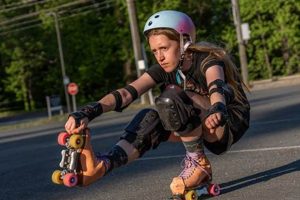
A photographic session centered around individuals wearing roller skates is a creative endeavor. Such an activity might involve capturing dynamic action shots at a skate park, stylized portraits in a studio setting, or documentary-style images within an urban landscape. The core element is the presence and utilization of roller skates as a primary visual component.
This type of visual narrative holds significance for several reasons. It provides a means of self-expression for the skater, documents a specific subculture or lifestyle, and offers opportunities for unique and engaging imagery. Historically, the association of skating with freedom and recreation provides a rich backdrop for photographic storytelling. It also allows to create an unique and memorable pictures of a person.
The following sections will delve deeper into the various aspects to consider when planning and executing a roller skating-themed session, including location scouting, model selection, technical considerations for image capture, and post-processing techniques designed to enhance the final results.
Essential Considerations for a Roller Skate Photoshoot
Achieving compelling imagery during a roller skate photoshoot requires careful planning and execution. Attention to detail in several key areas will significantly impact the final outcome. The following guidelines offer valuable insights for producing professional and aesthetically pleasing results.
Tip 1: Location Assessment: Prior to the session, thoroughly evaluate the chosen location. Surfaces should be smooth and even to ensure skater safety and facilitate fluid movement. Consider background elements and how they complement the overall aesthetic. Scout for potential hazards and obstacles.
Tip 2: Model Competency: The skater’s skill level directly influences the achievable range of poses and movements. Select a skater whose proficiency aligns with the intended scope of the photoshoot. Communication and clear instruction are vital for capturing desired actions.
Tip 3: Lighting Considerations: Natural light can be advantageous, especially for outdoor sessions. However, be mindful of harsh shadows and overexposure. Controlled studio lighting offers greater flexibility and consistency, allowing for precise manipulation of highlights and shadows.
Tip 4: Camera Settings Optimization: Utilize a fast shutter speed to freeze motion and prevent blurring. Adjust aperture to control depth of field, emphasizing the skater or creating a sense of speed. Employ continuous shooting mode to capture a sequence of actions.
Tip 5: Wardrobe and Styling: Attire should be both visually appealing and functional. Opt for clothing that allows freedom of movement and complements the skating style. Consider incorporating accessories that enhance the overall theme and aesthetic.
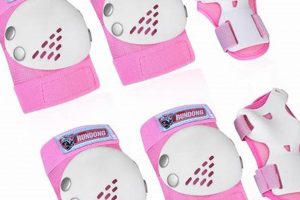
Tip 6: Safety Precautions: Prioritize safety by ensuring the skater wears appropriate protective gear, including helmets, knee pads, and elbow pads. Conduct a thorough risk assessment of the location and anticipate potential hazards.
Tip 7: Compositional Variety: Experiment with different angles, perspectives, and framing techniques. Incorporate both wide shots to establish context and close-up shots to highlight details. Capture both static poses and dynamic movements.
Tip 8: Post-Processing Refinement: Enhance the final images through careful post-processing. Adjust exposure, contrast, and color balance to achieve the desired mood. Consider applying selective sharpening and noise reduction to optimize image quality.
In summary, a successful roller skate photoshoot hinges on meticulous planning, technical proficiency, and a strong emphasis on safety. By adhering to these guidelines, photographers can capture striking and memorable images.
The subsequent section will address common challenges encountered during roller skate photoshoots and offer practical solutions for overcoming them.
1. Location Appropriateness

Location appropriateness is a critical determinant in the success of a roller skate photoshoot. The chosen location must provide a safe and visually compelling environment that complements the aesthetic goals and technical requirements of the session. The setting directly influences the visual narrative and the practical execution of the photoshoot.
- Surface Quality and Safety
The surface upon which the skater will be performing is paramount. A smooth, even surface minimizes the risk of falls and injuries, allowing for confident movement and dynamic poses. Uneven surfaces, cracks, or debris can lead to accidents, compromising the skater’s safety and hindering the creative process. Examples include dedicated skate parks with purpose-built surfaces or smooth concrete pathways. The locations inherent safety directly impacts the feasible range of poses and the overall flow of the photoshoot.
- Background and Visual Aesthetics
The background provides the visual context for the skater and contributes significantly to the overall aesthetic. A cluttered or distracting background can detract from the subject. Conversely, a well-chosen background can enhance the visual impact and reinforce the desired theme. Considerations include the color palette, architectural style, and presence of distracting elements. For instance, a graffiti-covered wall could provide a gritty, urban backdrop, while a minimalist studio setting offers a clean, modern aesthetic. Selecting a setting with purpose increases the overall photographs success.
- Lighting Availability and Direction
Natural light impacts the visual quality and practicality of the photo shoot. The orientation of light affects shadows. Locations must have consistent light or be easily adaptable to lighting equipment. The presence or absence of shade can be a deciding factor, depending on the desired aesthetic. The selection of location influences the light direction.
- Legality and Permissions
Conducting a photoshoot on private or public property without proper authorization can result in legal repercussions. Obtaining necessary permits and permissions is essential to avoid disruptions or fines. This may involve contacting local authorities or property owners to secure the right to photograph in the chosen location. Public parks, for example, may require permits for professional photography sessions.
The facets of surface and skater safety, background aesthetics, lighting options, and legal restrictions work in concert to create conditions to meet specific photoshoot goals. A location’s appropriateness sets the foundation for creativity and the photographer’s technical acumen.
2. Skater Proficiency

The level of skater proficiency fundamentally dictates the scope and achievable results of a roller skate photoshoot. A direct correlation exists between the skater’s skill and the complexity and dynamism of the captured imagery. A highly skilled skater enables the creation of more visually compelling and technically demanding photographs, while a novice skater limits the range of possible shots. The skaters proficiency acts as a catalyst, directly shaping the potential outcomes of the photographic endeavor. For example, a skater adept at advanced tricks allows for action shots featuring intricate maneuvers and impressive displays of athleticism. Conversely, a less experienced skater may only be capable of basic poses and simple movements, restricting the photographer to more static and less dynamic compositions. Therefore, understanding the skater’s skill level is a pre-requisite for planning and executing an effective photoshoot.
Further, the skater’s ability influences safety considerations. A proficient skater is less likely to sustain injuries, reducing the risk of accidents during the photoshoot. This enables the photographer to focus on creative aspects without undue concern for the skater’s well-being. The skater’s experience also impacts the overall efficiency of the session. A skilled skater requires less instruction and fewer takes to achieve the desired poses and movements, streamlining the workflow and maximizing productivity. Consider a scenario where a photographer aims to capture a series of jumps and spins. A proficient skater can execute these maneuvers with precision and consistency, allowing the photographer to capture the shots quickly and effectively. A novice skater, on the other hand, may struggle to perform the same maneuvers, leading to frustration and potentially compromising the quality of the final images. This underscores the practical importance of accurately assessing the skater’s abilities and tailoring the photoshoot accordingly.
In summary, skater proficiency is an indispensable component of a roller skate photoshoot, directly influencing the artistic possibilities, safety protocols, and operational efficiency. Accurately evaluating and accommodating the skater’s skill level is paramount for achieving a successful and visually captivating outcome. Challenges related to mismatches between the skater’s abilities and the photoshoot’s requirements can be mitigated through careful planning and clear communication. Recognizing the vital connection between skater proficiency and the overall success of the photoshoot reinforces the importance of prioritizing this aspect during the planning stages.
3. Lighting Conditions

Lighting conditions exert a significant influence over the aesthetic and technical feasibility of a roller skate photoshoot. The availability, intensity, and direction of light directly impact image quality, mood, and the ability to capture dynamic movements effectively. Adequate lighting is fundamental for exposing the subject correctly, minimizing noise, and conveying the desired visual narrative. Without appropriate lighting, images may lack detail, exhibit distracting shadows, or fail to capture the energy and dynamism inherent in roller skating. For instance, a photoshoot conducted during midday in direct sunlight might result in harsh shadows and overexposed highlights, obscuring details and creating an unflattering appearance. Conversely, a session held during the golden hour, with its soft, warm light, can enhance the skater’s form and create a visually appealing atmosphere. This highlights the cause-and-effect relationship between lighting choices and the overall impact of the resulting imagery.
Further, the selection of lighting techniques depends on whether the photoshoot takes place indoors or outdoors. Outdoor sessions require careful consideration of natural light, including the time of day, weather conditions, and the presence of shadows. Reflectors can be utilized to redirect sunlight and fill in shadows, while diffusers can soften harsh light and create a more even illumination. Indoor photoshoots offer greater control over lighting, allowing for the use of artificial light sources such as strobes, softboxes, and continuous lights. This enables the photographer to precisely manipulate highlights, shadows, and color temperature to achieve the desired effect. For example, a photographer might use a strobe with a large softbox to create a soft, diffused light that flatters the skater’s features, or use multiple strobes to create dramatic lighting effects that emphasize the skater’s movements. In addition, a skater inside of a rink or well lit park can improve the range of poses and quality.
In summary, lighting conditions are integral to the success of a roller skate photoshoot. Careful consideration of the availability, intensity, and direction of light, along with the appropriate use of lighting equipment, is essential for capturing high-quality images that effectively convey the desired message. Challenges related to poor lighting can be mitigated through strategic planning, skillful manipulation of available light, and judicious use of artificial light sources. The significance of lighting extends beyond mere technical considerations, encompassing the artistic and emotional impact of the final product. Therefore, understanding and mastering lighting techniques is a crucial aspect of roller skate photography.
4. Movement Capture
In the context of a roller skate photoshoot, movement capture transcends mere image acquisition; it embodies the essence of the subject. Successfully capturing movement translates the dynamic energy and fluidity of roller skating into a static visual medium, demanding a strategic approach to both technique and technology.
- Shutter Speed Synchronization
Synchronization of shutter speed with the skater’s velocity is paramount. Insufficient shutter speeds result in motion blur, diminishing clarity and detracting from the subject’s form. For instance, capturing a skater performing a jump necessitates a fast shutter speed (e.g., 1/500th of a second or faster) to freeze the action. The photographer must adjust settings dynamically based on the skater’s performance and the ambient lighting.
- Focus Tracking Methodologies
Maintaining sharp focus on a moving subject presents a significant challenge. Continuous autofocus (AF-C) or similar tracking modes are essential for compensating for the skater’s movement. Utilizing back-button focus allows for decoupling the focus and shutter release, enabling continuous focus adjustment without initiating image capture. This separation enhances the photographer’s control and accuracy in tracking a moving target.
- Burst Mode Implementation
Burst mode, or continuous shooting, involves capturing a rapid sequence of images. This technique increases the likelihood of capturing the precise moment of peak action or optimal pose. Analyzing the sequence post-shoot allows for selection of the most visually compelling image, optimizing the chances of a successful outcome.
- Anticipatory Composition
Effective movement capture requires anticipating the skater’s trajectory and composing the shot accordingly. Pre-planning the framing and anticipating the skater’s movement within the frame allows for capturing the subject in an aesthetically pleasing and contextually relevant manner. Successful anticipation combines technical skill with an understanding of the skater’s routine.
These facets of movement capture are interconnected and contribute to the overall success of a roller skate photoshoot. Mastering these techniques enables the photographer to translate the ephemeral nature of movement into enduring visual narratives. Each facet should be considered.
5. Styling Consistency

Styling consistency within a roller skate photoshoot serves as a unifying element, ensuring that all visual components harmoniously contribute to the intended narrative and aesthetic. It requires careful consideration of wardrobe, accessories, and overall presentation to create a cohesive and compelling visual story.
- Thematic Coherence
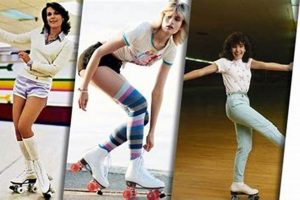
Thematic coherence involves aligning the styling with a specific era, subculture, or artistic vision. If the photoshoot aims to evoke the 1970s roller disco scene, the wardrobe should reflect this era with bell-bottoms, vibrant colors, and platform skates. Similarly, a punk-inspired session might incorporate ripped clothing, dark makeup, and aggressive accessories. Lack of thematic alignment can create visual dissonance and undermine the photoshoot’s intended message.
- Color Palette Harmony
A well-defined color palette ensures that the clothing, skates, and background complement each other without visual clashes. A limited color palette can create a sense of sophistication and unity. Conversely, an overly diverse color scheme can appear chaotic and distracting. For example, a photoshoot featuring pastel colors against a neutral background creates a soft and ethereal aesthetic, while a combination of bold primary colors can evoke a sense of energy and playfulness. Consistency in color choice will enhance the overall image.
- Skate Style Integration
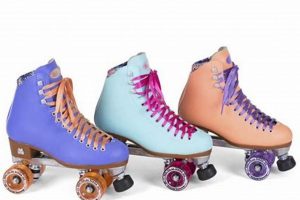
The style of roller skates should align with the overall aesthetic of the photoshoot. Artistic skates with classic leather boots may be suitable for a vintage-themed session, while aggressive skates with modern designs might be more appropriate for an urban setting. The skates should not appear as an afterthought but rather as an integral part of the skater’s attire. Mismatched skate styles can detract from the cohesiveness of the styling.
- Accessorization Balance
Accessories, such as jewelry, hats, and protective gear, should enhance the overall look without overwhelming the subject. Minimalist styling might involve subtle jewelry and streamlined protective gear, while more elaborate styling could incorporate statement accessories that complement the overall theme. Over-accessorization can distract from the skater’s form and detract from the visual impact.
These elements must seamlessly work together to create a unified visual story. Ignoring any one element can result in a fragmented appearance. The combination creates a polished and engaging photographic outcome when thoughtfully implemented.
6. Safety Measures

The integration of rigorous safety measures is not merely advisable, but fundamentally imperative, when undertaking a roller skate photoshoot. The inherent risks associated with roller skating, compounded by the additional demands of posing for photographs, necessitate a comprehensive safety protocol to mitigate potential injuries and ensure the well-being of all participants. These precautions directly influence the viability and ethical execution of the photographic endeavor.
- Protective Gear Implementation
The consistent and mandatory use of protective gear, including helmets, knee pads, elbow pads, and wrist guards, is paramount. These items offer essential protection against impact injuries resulting from falls or collisions. The absence of such gear significantly elevates the risk of fractures, lacerations, and concussions. Specifically, a helmet reduces the likelihood of severe head trauma, while knee and elbow pads minimize abrasions and joint injuries. Proper fit and secure fastening of all protective equipment are crucial for optimal effectiveness.
- Location Hazard Mitigation
Prior to commencing the photoshoot, a thorough assessment of the location is indispensable for identifying and addressing potential hazards. These may include uneven surfaces, cracks, potholes, loose debris, and stationary obstacles. Implementing measures to mitigate these risks, such as sweeping the area, marking off hazards, or selecting an alternative location, is critical for preventing accidents. Furthermore, adequate lighting is essential to ensure visibility and facilitate safe navigation.
- Emergency Preparedness Protocols
Establishing clear emergency preparedness protocols is a proactive measure to address unforeseen incidents. This includes having a readily accessible first-aid kit, ensuring that at least one participant is trained in basic first aid, and having a predetermined plan for contacting emergency medical services if necessary. Furthermore, it is advisable to inform local authorities or security personnel of the photoshoot’s location and timeframe, particularly if the session is conducted in a public space.
- Skater Skill Level Assessment
Matching the complexity of the poses and maneuvers to the skater’s skill level is essential for minimizing the risk of injury. Attempting advanced tricks or poses beyond the skater’s capabilities significantly increases the likelihood of falls and accidents. Open communication between the photographer and the skater is crucial for establishing realistic expectations and ensuring that all activities remain within the skater’s comfort zone and skill set. Encouraging the skater to warm up and stretch beforehand can further reduce the risk of muscle strains or other injuries.
The multifaceted approach to safety measures directly contributes to the ethical and professional integrity of a roller skate photoshoot. These are not mere suggestions, but critical components that influence the well-being of everyone involved and the successful execution of the project. Safety protocols improve the skaters comfort, leading to greater cooperation and better pictures overall.
7. Post-Processing

Post-processing represents a crucial stage in the roller skate photoshoot workflow, transforming raw image data into polished and visually compelling final products. This phase extends beyond simple corrections, encompassing a range of techniques that refine aesthetics, address technical imperfections, and ultimately enhance the impact of the photographic narrative.
- Exposure and Contrast Correction
Exposure and contrast adjustments serve to optimize the tonal range of the image, ensuring proper illumination and clarity. In roller skate photoshoots, dynamic lighting conditions and fast-paced movements can often result in underexposed or overexposed areas. Correcting these discrepancies through post-processing brings out hidden details, improves visibility, and creates a more balanced and visually appealing image. For example, if a skater is photographed against a bright sky, the subject may appear underexposed. Increasing the exposure and adjusting the contrast can restore detail in the skater’s face and clothing.
- Color Grading and Enhancement
Color grading involves manipulating the colors within an image to create a specific mood or aesthetic. This technique is particularly relevant to roller skate photoshoots, where the desired visual style may range from vibrant and energetic to muted and nostalgic. Color grading can be used to enhance the skater’s attire, complement the background, and create a cohesive visual theme. For instance, desaturating the colors and adding a vintage tone can evoke a sense of nostalgia, while boosting the saturation and enhancing the blues and greens can create a more vibrant and contemporary look. The color will help showcase the photo.
- Sharpening and Noise Reduction
Sharpening and noise reduction are essential for optimizing the clarity and detail of the final image. High ISO settings, often necessary for capturing fast-moving subjects in low-light conditions, can introduce unwanted noise. Noise reduction techniques minimize this graininess, resulting in a cleaner and more polished image. Sharpening enhances the edges and textures, bringing out fine details in the skater’s clothing, skates, and surroundings. Balancing these two techniques is crucial to avoid over-sharpening, which can create artificial-looking artifacts.
- Retouching and Blemish Removal
Retouching involves removing distractions and imperfections from the image, such as blemishes, stray hairs, or unwanted objects in the background. This process can be used to enhance the skater’s appearance, clean up the environment, and create a more polished and professional look. However, restraint is essential to avoid creating an unnatural or overly manipulated image. The goal is to enhance the subject’s natural beauty and create a visually pleasing composition without altering the core essence of the photograph. The post-processing also enhances the subject’s natural beauty.
These facets of post-processing are integral to refining the raw results of a roller skate photoshoot, converting them into captivating visual narratives. Through careful application of these techniques, photographers can elevate the aesthetic appeal, correct technical imperfections, and ultimately enhance the overall impact of their work. The skills utilized in the digital workflow are vital to produce great roller skate photos.
Frequently Asked Questions
The following addresses common inquiries regarding the planning, execution, and considerations relevant to roller skate photoshoots.
Question 1: What constitutes appropriate attire for a roller skate photoshoot?
Appropriate attire balances aesthetic appeal with functional mobility. Clothing should allow for unrestricted movement, complement the chosen theme, and prioritize safety. Avoid garments that could impede skating or pose a tripping hazard.
Question 2: What safety precautions are essential during a roller skate photoshoot?
Prioritizing safety necessitates the consistent use of protective gear, including helmets, knee pads, elbow pads, and wrist guards. The location must be assessed for hazards, and a first-aid kit should be readily available. It is crucial to match the complexity of poses to the skater’s skill level to mitigate injury risks.
Question 3: How does the skater’s proficiency level influence the photoshoot?
The skater’s skill directly impacts the range and complexity of achievable poses and movements. A skilled skater enables more dynamic and intricate shots, while a novice limits the scope. Matching the photoshoot’s objectives to the skater’s capabilities ensures realistic and attainable results.
Question 4: What lighting conditions are optimal for a roller skate photoshoot?
Optimal lighting varies depending on the location and desired aesthetic. Outdoor sessions benefit from soft, diffused natural light. Indoor shoots require controlled artificial lighting to manipulate highlights and shadows effectively. Consistency and appropriate intensity are crucial for minimizing noise and maximizing detail.
Question 5: How does one effectively capture motion in a roller skate photoshoot?
Capturing motion requires a fast shutter speed to freeze movement and prevent blurring. Utilizing continuous autofocus and burst mode increases the likelihood of capturing the precise moment of peak action. Anticipating the skater’s trajectory is essential for proper composition and framing.
Question 6: What role does post-processing play in a roller skate photoshoot?
Post-processing is critical for refining image quality, correcting imperfections, and enhancing the overall aesthetic. Techniques such as exposure correction, color grading, sharpening, and retouching contribute to a polished and professional final product.
In summary, a successful roller skate photoshoot demands careful planning, technical proficiency, and a strong emphasis on safety. Attention to detail in all phases, from pre-production to post-processing, contributes to a visually compelling and ethically responsible outcome.
The subsequent section will provide a checklist of essential equipment for a roller skate photoshoot.
Conclusion
The preceding analysis elucidates the multifaceted nature of the roller skate photoshoot. Key aspects include meticulous planning, a focus on safety protocols, the skillful capture of motion, and a comprehensive understanding of both photographic technique and the subject’s inherent dynamism. The integration of appropriate styling and effective post-processing further contributes to the creation of compelling visual narratives centered around this activity.
The roller skate photoshoot, when executed with precision and attention to detail, transcends mere documentation. It becomes a medium for artistic expression, a celebration of athleticism, and a testament to the enduring appeal of roller skating culture. Continued exploration and refinement of these techniques will undoubtedly yield increasingly innovative and impactful imagery within this niche of photographic art.