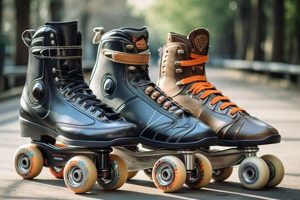
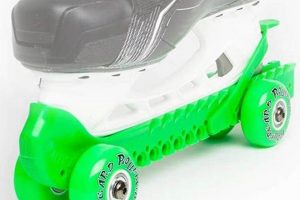
Devices allowing individuals to move on wheels affixed to boots or shoes present considerable variation in design and application. The configuration, wheel composition, and boot structure are primary differentiating factors, leading to specialized models optimized for diverse activities. For example, certain models prioritize speed and maneuverability for competitive racing, while others emphasize support and stability for recreational use.
Understanding the nuances between available options is crucial for selecting appropriate equipment. Correct selection impacts user experience, safety, and the overall effectiveness of participation in related activities. Historically, the evolution of wheeled footwear has mirrored advancements in materials science and manufacturing techniques, resulting in a wide array of choices tailored to specific performance requirements and user preferences. These advancements have broadened accessibility and enhanced the appeal of wheeled sports and recreation.
The following sections will elaborate on the distinct categories, outlining their specific features and intended uses. A detailed examination of these characteristics will enable informed decision-making when choosing between models designed for various purposes, from leisurely skating to specialized athletic pursuits.
Guidance on Selecting Appropriate Wheeled Footwear
Choosing the right model significantly influences performance and safety. The following guidelines offer insights to aid in the selection process.
Tip 1: Assess Intended Use: Determine the primary activity. Recreational use requires different features than competitive skating. Select models built for the intended purpose.
Tip 2: Consider Wheel Hardness: Wheel durometer, measured in “A,” influences grip and speed. Softer wheels (lower “A”) offer better grip but wear faster. Harder wheels (higher “A”) are faster but provide less grip. Match wheel hardness to the skating surface.
Tip 3: Evaluate Boot Support: Ankle support is critical for stability and injury prevention. High-cut boots provide more support than low-cut boots. Choose boot height based on skill level and intended activity.
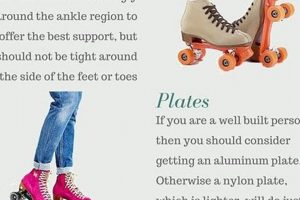
Tip 4: Examine Frame Material: Frame material affects weight and responsiveness. Aluminum frames are lighter and more responsive than plastic frames. Consider frame material based on performance needs.
Tip 5: Check Bearing Rating: Bearing ABEC rating (1-9) indicates precision. Higher ABEC ratings suggest smoother, faster rolling. Bearings impact speed and efficiency.
Tip 6: Prioritize Proper Fit: Ensure a snug, comfortable fit. Too much room can lead to instability and blisters. Prioritize accurate sizing and break-in period.
Tip 7: Research Braking Systems: Some models offer heel brakes, while others require t-stops. Select a braking system that suits your skill level and comfort.
Following these considerations maximizes the probability of choosing suitable equipment, improving both enjoyment and safety. Understanding the impact of each feature enhances user confidence.
The subsequent section will address the maintenance requirements and safety precautions associated with wheeled footwear to ensure optimal performance and longevity.
1. Quad vs. Inline

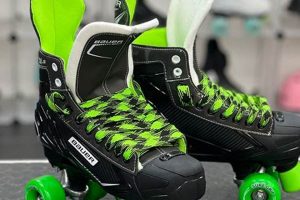
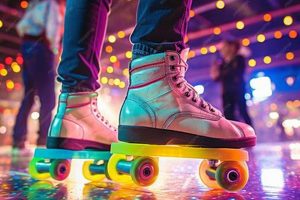
The dichotomy between quad and inline configurations constitutes a foundational element within the broader spectrum of wheeled footwear. The arrangement of wheelstwo pairs positioned laterally (quad) versus a single line of wheels (inline)directly influences stability, maneuverability, and overall performance characteristics. The quad design, characterized by a wider wheelbase, generally provides greater inherent stability, making it suitable for beginners and recreational users. This stability stems from the broader contact area with the skating surface, which enhances balance and control. Inline designs, conversely, prioritize speed and agility. The linear arrangement of wheels minimizes rolling resistance, allowing for faster speeds and more efficient energy transfer. However, this configuration requires a higher degree of balance and skill, particularly at higher velocities. The prevalence of quad configurations in roller derby exemplifies a practical application where stability and lateral movement are paramount, while inline usage in speed skating demonstrates the advantage of reduced friction for competitive performance.
Beyond the basic configuration, specific features are tailored to optimize each type. For quad models, the height and angle of the toe stop can be adjusted to influence braking and agility. Inline models incorporate varying frame lengths and wheel diameters to suit different skating styles. Aggressive inline models, for instance, often feature shorter frames and smaller wheels to facilitate grinds and jumps, while speed inline models utilize longer frames and larger diameter wheels to maximize momentum and reduce drag. The materials employed in the construction of boots, frames, and wheels also differ, reflecting the distinct performance requirements of each type. Quad boots tend to be constructed with a broader base and greater ankle support, while inline boots often utilize more streamlined designs and heat-moldable materials for a customized fit.
In summary, the distinction between quad and inline wheeled footwear represents a fundamental divergence in design philosophy. The choice between these configurations directly impacts the user’s experience, influencing stability, speed, maneuverability, and the suitability for specific activities. Comprehending these differences is essential for selecting equipment that aligns with individual skill levels and desired performance outcomes. While both offer unique benefits, their application varies significantly based on the intended use case. The understanding of these differences is paramount in making informed decisions in the selection process.
2. Recreational Models

Recreational models constitute a significant subset within the broader category of wheeled footwear. These variants are specifically engineered to prioritize comfort, stability, and ease of use, catering to individuals seeking casual enjoyment rather than competitive performance. Their design reflects a deliberate trade-off, sacrificing some degree of speed and maneuverability in exchange for enhanced balance and control. The widespread popularity of recreational models stems from their accessibility to a wide range of skill levels and their suitability for various skating environments, including parks, paved trails, and indoor rinks. A clear example of the impact recreational models have on the diversity of the category is that they lower the barrier for entry into the sport, making it more accessible to a wider audience. Without recreational options, the scope of the activity would be considerably more limited.
The construction of recreational models typically involves features that promote user-friendliness. Boots often incorporate ample padding and breathable materials to enhance comfort during extended use. Frames are generally made from durable yet lightweight materials, such as reinforced plastic or aluminum, to provide adequate support without adding excessive weight. Wheel durometer, a measure of wheel hardness, tends to be in the mid-range, offering a balance between grip and roll speed. Furthermore, many recreational models incorporate easily adjustable closures and braking systems, facilitating intuitive operation and enhancing safety. The prevalence of recreational inline configurations, often featuring heel brakes, exemplifies this focus on accessibility and ease of use. Moreover, manufacturers often offer a variety of sizes and styles to accommodate diverse foot shapes and preferences.
In conclusion, recreational models play a crucial role in diversifying the category. Their emphasis on comfort, stability, and ease of use renders them accessible to a broad spectrum of users, fostering participation and contributing to the overall growth of wheeled activities. The trade-offs inherent in their design reflect a deliberate prioritization of enjoyment over competitive performance, making them a mainstay in the market and a gateway to more specialized disciplines. The impact of recreational configurations is undeniably significant, as they serve as an entry point for countless individuals, shaping their perception and experience of the activity.
3. Speed configurations

Speed configurations represent a specialized subset within the diverse range of wheeled footwear. These designs prioritize minimizing rolling resistance and maximizing energy transfer to achieve high velocities. The specific architecture of speed configurations diverges significantly from recreational or artistic models, reflecting a focused engineering approach towards competitive performance. The impact of speed configurations on the overarching category is substantial, demonstrating how specialized designs can cater to specific niches. For example, streamlined boot designs reduce aerodynamic drag, while low-profile frames enhance stability at elevated speeds.
The critical elements distinguishing speed configurations include wheel diameter, frame material, and bearing precision. Larger wheel diameters reduce rolling resistance, allowing for greater top-end speed. Aluminum or carbon fiber frames minimize weight and maximize responsiveness, ensuring efficient power transmission. High ABEC-rated bearings further reduce friction, contributing to smoother and faster rolling characteristics. Specific disciplines, such as inline speed skating, showcase the practical application of these configurations. In these competitions, athletes rely on the optimized performance of their equipment to achieve competitive advantage. The utilization of heat-moldable boot materials allows for a custom fit, improving power transfer and reducing fatigue. Furthermore, advanced braking systems, such as strategically placed toe stops, are employed to maintain control during high-speed maneuvers.
In summary, speed configurations demonstrate a precise engineering approach within the broader category of wheeled footwear. The pursuit of maximum velocity necessitates specialized designs and high-performance materials. The evolution of speed configurations has been driven by competitive demands, resulting in continuous innovation in wheel technology, frame design, and bearing precision. The understanding of speed configurations is crucial for appreciating the diversity within wheeled footwear and for recognizing the impact of specialized designs on athletic performance. The ongoing refinement of these designs underscores the constant pursuit of enhanced speed and efficiency in competitive skating disciplines.
4. Artistic applications

Artistic applications represent a highly specialized domain within the realm of wheeled footwear. These configurations are designed to facilitate intricate movements, jumps, and spins characteristic of figure skating and dance routines. The nuances of boot construction, frame design, and wheel composition collectively enable the precise control and graceful execution demanded by these disciplines. The integration of such features is not arbitrary but rather a deliberate engineering effort to cater to specific performance requirements. The existence of artistic models demonstrates the degree to which wheeled footwear has evolved beyond mere transportation, becoming a tool for self-expression and athletic artistry.
- Boot Rigidity and Support
The level of rigidity and support provided by the boot is paramount in artistic applications. A stiff boot, often crafted from reinforced leather or synthetic materials, provides the necessary ankle support to execute complex maneuvers while minimizing the risk of injury. This rigidity translates directly into enhanced control, enabling skaters to maintain balance and precision during jumps and spins. The strategic placement of padding and reinforcement further enhances comfort and protection, allowing for prolonged practice sessions without undue strain.
- Frame Design and Material
The frame, connecting the boot to the wheels, plays a critical role in responsiveness and maneuverability. Artistic models often feature lightweight aluminum or composite frames designed to optimize energy transfer and minimize weight. The geometry of the frame influences the skate’s turning radius and stability, necessitating careful consideration of these factors during design. Shorter frames typically enhance agility, while longer frames provide greater stability at higher speeds. The selection of frame material balances strength, weight, and vibration damping characteristics.
- Wheel Durometer and Profile
The durometer, or hardness, of the wheels significantly impacts grip and glide, influencing the skater’s ability to execute precise movements. Softer wheels, typically in the 78A to 85A range, provide enhanced grip, facilitating controlled stops and turns. Harder wheels, conversely, offer greater glide, allowing for smoother transitions and enhanced speed. The profile of the wheel, whether rounded or flat, also affects performance. Rounded profiles enhance maneuverability, while flatter profiles maximize contact area and stability.
- Toe Stops and Control
Toe stops serve as a crucial braking and control mechanism in artistic skating. Their height and angle can be adjusted to suit individual preferences and skating styles. Strategically applying pressure to the toe stop allows skaters to execute controlled stops, pivots, and jumps. The material composition of the toe stop influences its grip and durability, necessitating the selection of high-quality materials that withstand repeated use. Skilled utilization of the toe stop enhances overall control and allows for more intricate and expressive movements.
The interplay between boot support, frame design, wheel characteristics, and toe stop configuration collectively defines the performance capabilities of wheeled footwear in artistic applications. These elements are not isolated but rather interconnected, working in concert to facilitate the execution of complex routines. The careful consideration of these factors during design and selection is essential for achieving optimal performance and maximizing artistic expression. The specialized nature of artistic configurations underscores the remarkable versatility of wheeled footwear and its capacity to serve as both a functional tool and a medium for artistic expression.
5. Aggressive designs

Aggressive configurations constitute a distinct category within the spectrum of wheeled footwear, specifically engineered to withstand the stresses associated with trick-oriented skating on urban terrain. These designs prioritize durability, impact resistance, and the capacity to perform grinds, jumps, and aerial maneuvers. The existence of aggressive models highlights the specialized nature of wheeled footwear, catering to a specific niche within the skating community.
- Reinforced Boot Construction
Aggressive models feature robust boot construction using high-density plastics and reinforced stitching to withstand repeated impacts and abrasions. This reinforcement is crucial for protecting the skater’s feet and ankles during landings and grinds. Example: Many aggressive boot designs incorporate internal liners made of shock-absorbing materials, minimizing the risk of injury during high-impact activities. The implications include increased safety and longevity of the equipment.
- Durable Frame Materials
The frames of aggressive models are typically constructed from high-strength aluminum or composite materials, providing a rigid platform for performing grinds and jumps. These materials resist bending or breaking under stress, ensuring consistent performance and stability. The use of UHMV is essential in frame construction for aggressive models. Examples include aluminum alloys, that reduce weight while maintaining strength. This contributes to greater control and responsiveness.
- Specialized Wheel Profiles and Durometers
Aggressive models often employ smaller diameter wheels with a high durometer (hardness) rating to facilitate grinds and enhance control. Harder wheels provide less rolling resistance on smooth surfaces but are more durable when sliding on rails or ledges. Example: Anti-rocker wheel setups, which use smaller, harder wheels in the center positions, allow skaters to slide more easily on obstacles. The design implications include increased maneuverability and improved grind performance.
- Grind Plates and Soul Plates
A defining characteristic of aggressive models is the presence of grind plates or soul plates integrated into the boot design. These plates provide a smooth, durable surface for sliding on rails, ledges, and other obstacles. The materials used in these plates are chosen for their abrasion resistance and impact strength. Example: Replaceable soul plates allow skaters to customize their setup and extend the life of their equipment. The implication includes enhanced durability and adaptability for various skating environments.
In conclusion, aggressive configurations showcase a specialized adaptation of wheeled footwear for the unique demands of trick-oriented skating. The combination of reinforced boot construction, durable frame materials, specialized wheel profiles, and integrated grind plates results in equipment capable of withstanding the rigors of urban skating environments. The existence of aggressive designs broadens the spectrum of wheeled footwear, demonstrating the versatility and adaptability of these designs to diverse skating styles and performance requirements.
6. Boot construction

Boot construction serves as a critical differentiating factor among various wheeled footwear types. The materials, design, and structural elements of the boot directly influence performance, comfort, and safety across diverse skating disciplines. Boot construction impacts the user experience, determining the level of support, responsiveness, and protection afforded to the skater. An understanding of these variations is essential for selecting appropriate equipment that aligns with intended use and skill level.
- Material Composition
The selection of materials in boot construction dictates durability, weight, and thermal regulation. Leather boots, for instance, offer a blend of support and breathability but require significant maintenance. Synthetic materials, such as reinforced nylon or carbon fiber, provide lighter weight and enhanced stiffness, often favored in performance-oriented models. Examples include heat-moldable liners in inline speed skates for a custom fit, and padded linings in recreational models for comfort. The implications of material choice include long-term durability, performance characteristics, and user comfort levels.
- Ankle Support Structure
The height and rigidity of the ankle support structure directly impact stability and control. High-cut boots provide greater ankle support, reducing the risk of injury, while low-cut boots offer increased flexibility and range of motion. Aggressive configurations often feature reinforced ankle supports to withstand the stresses of landing jumps and performing grinds. Examples include the stiff, supportive boots in artistic models and the more flexible boots in recreational designs. The level of ankle support influences the skater’s ability to execute complex maneuvers and maintain balance.
- Closure Systems
Closure systems, including laces, buckles, and straps, secure the foot within the boot and influence fit and responsiveness. Laces offer a customizable fit but require more time to adjust, while buckles and straps provide quicker and easier adjustments. High-end models often incorporate a combination of closure systems for optimal fit and security. Examples include the ratchet buckles found on aggressive configurations and the traditional lace systems used in artistic models. The choice of closure system impacts ease of use, fit precision, and overall security.
- Internal Padding and Liners
Internal padding and liners contribute significantly to comfort and shock absorption. Padded liners cushion the foot and reduce friction, preventing blisters and enhancing comfort during extended use. High-performance models often incorporate heat-moldable liners that conform to the shape of the foot, providing a customized fit and improved energy transfer. Examples include the plush liners in recreational models and the thin, performance-oriented liners in speed configurations. The quality and design of internal padding and liners directly impact comfort, fit, and overall user satisfaction.
In conclusion, boot construction represents a critical element in differentiating between wheeled footwear types. The materials employed, the ankle support structure, the closure systems utilized, and the internal padding integrated all contribute to the overall performance, comfort, and safety of the skating experience. A comprehensive understanding of these facets is essential for selecting equipment that aligns with individual needs and preferences across the diverse spectrum of wheeled skating activities.
7. Wheel materials
The composition of wheels constitutes a pivotal determinant in the performance characteristics of wheeled footwear. The chosen material significantly influences grip, speed, durability, and vibration absorption, thereby dictating the suitability of a given model for specific applications. Variations in materials manifest across the diverse spectrum of wheeled footwear, ranging from recreational models to specialized configurations. For instance, polyurethane wheels, commonly found in recreational models, offer a balance of grip and durability suitable for general use. Conversely, harder compounds are frequently utilized in speed configurations to minimize rolling resistance and maximize velocity. The selection of appropriate materials directly impacts the efficacy and safety of these devices.
The interplay between wheel material and design becomes apparent when examining specific configurations. Aggressive models, designed for trick-oriented skating, incorporate specialized compounds with enhanced abrasion resistance to withstand the stresses of grinding on rails and ledges. Artistic models often utilize wheels with varying durometers (hardness) to facilitate precise control and maneuverability during complex routines. Similarly, the advent of gel wheels in some recreational models showcases ongoing efforts to enhance vibration dampening and improve ride comfort. The practical significance of understanding material properties extends to maintenance and replacement considerations. Selecting appropriate replacement wheels, considering intended use and skating surface, is crucial for preserving performance and extending the lifespan of the equipment. For example, using outdoor wheels (softer wheels) indoor (hard floors) can be dangerous and using hard indoor wheels in rough outdoor terrain, the wheels would deteriorate rapidly, shortening their lifespan considerably.
In summary, wheel material represents a crucial component in determining the operational attributes of wheeled footwear. The diversity of available materials reflects the need for specialized solutions tailored to specific skating disciplines. Understanding the relationship between wheel composition and performance characteristics is essential for selecting equipment that aligns with individual needs and optimizing the skating experience. Challenges remain in developing materials that simultaneously offer high grip, low rolling resistance, and extended durability. Continuous advancements in materials science promise further refinements in wheel technology, enhancing the performance and versatility of wheeled footwear across various applications.
Frequently Asked Questions
The following addresses common inquiries regarding the diverse configurations of wheeled footwear, aiming to clarify misconceptions and provide informative responses.
Question 1: What are the primary distinctions between quad and inline configurations?
The fundamental difference lies in wheel arrangement: quad designs feature two pairs of wheels positioned laterally, while inline designs utilize a single line of wheels. This difference impacts stability, maneuverability, and intended use.
Question 2: Are certain wheel materials better suited for specific skating surfaces?
Yes. Softer wheel compounds enhance grip on smooth surfaces, while harder compounds minimize rolling resistance on rough or uneven terrains. Surface type necessitates specific material selection.
Question 3: How does boot construction influence skating performance?
Boot construction dictates the level of ankle support, responsiveness, and overall comfort. Stiffer boots provide greater support, while more flexible boots enhance maneuverability. Construction directly impacts skater control.
Question 4: What considerations are paramount when selecting wheeled footwear for recreational use?
Comfort, stability, and ease of use are paramount. Recreational models prioritize these features over high-performance characteristics. Adjustable closures and breathable materials are advantageous.
Question 5: Do specialized configurations exist for artistic skating applications?
Indeed. Artistic models feature specific boot designs, frame geometries, and wheel durometers to facilitate intricate movements and enhance control during figure skating and dance routines.
Question 6: What are the defining characteristics of wheeled footwear designed for aggressive skating?
Aggressive models incorporate reinforced boot construction, durable frame materials, specialized wheel profiles, and integrated grind plates to withstand the stresses of trick-oriented skating on urban terrain.
In summary, understanding the nuances between the various configurations is crucial for informed decision-making. Each type is designed to fulfill specific requirements, and careful selection is vital for optimizing performance and safety.
The subsequent section will provide resources for further exploration and guidance on selecting appropriate equipment.
Conclusion
This exploration has detailed the considerable variance present in wheeled footwear configurations. The differentiation in wheel arrangement, boot construction, and material composition culminates in specialized designs optimized for specific activities, ranging from recreational skating to competitive athletic pursuits. A comprehensive understanding of these nuanced distinctions is essential for selecting equipment that aligns with intended use, skill level, and desired performance outcomes. The impact of informed selection directly correlates with user satisfaction, safety, and the effective realization of individual skating goals.
Continued advancement in materials science and engineering promises further refinement in wheeled footwear technology. Individuals are encouraged to critically evaluate their needs and consult reputable resources when selecting equipment. Careful consideration of the information presented herein will contribute to enhanced safety and performance within the diverse landscape of wheeled skating activities, and support the continued evolution of the sport.