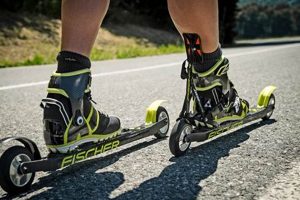
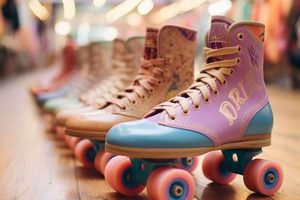
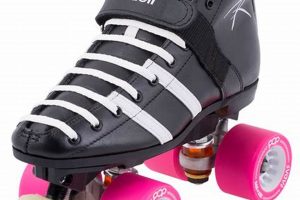
Attire worn by individuals participating in roller skating typically encompasses elements designed for both performance and safety. Such ensembles often include close-fitting garments to minimize restriction of movement, paired with protective gear such as helmets, wrist guards, elbow pads, and knee pads. For example, a skater might wear leggings and a fitted athletic top, combined with the aforementioned protective equipment.
Appropriate garments and safety measures are vital for preventing injuries and enhancing the skating experience. Historically, skating apparel has evolved from everyday wear to specialized garments reflecting stylistic trends and technological advancements in materials, improving comfort, flexibility, and protection. This evolution has significantly contributed to increased participation and enjoyment in various skating disciplines.
The following sections will delve into the specific components of skating apparel, offering a detailed exploration of the considerations involved in choosing appropriate clothing and protective equipment. Further discussion will focus on the various styles and functionalities that cater to the diverse needs of skaters, from recreational use to competitive performance.
Selecting Appropriate Skating Attire
Choosing the right garments and protective gear is paramount for a safe and enjoyable skating experience. These tips provide guidance on selecting suitable components for a complete skating ensemble.
Tip 1: Prioritize Safety Equipment. A certified helmet is non-negotiable. Wrist guards, elbow pads, and knee pads significantly reduce the risk of injury from falls. Ensure these items fit properly and are specifically designed for impact absorption.
Tip 2: Opt for Moisture-Wicking Fabrics. Skating generates heat. Select apparel constructed from breathable, moisture-wicking materials like polyester blends or nylon to regulate body temperature and prevent discomfort due to perspiration.
Tip 3: Consider Freedom of Movement. Garments should allow for a full range of motion. Avoid excessively restrictive clothing that hinders agility and balance. Athletic leggings, fitted shorts, or comfortable athletic pants are typically suitable.
Tip 4: Layer Strategically. Depending on the environment, layering allows for adaptability to changing temperatures. A lightweight jacket or vest can be added or removed as needed to maintain comfort.
Tip 5: Ensure Visibility. When skating outdoors, particularly during dawn, dusk, or nighttime, incorporate reflective elements into the apparel. Bright colors or reflective strips enhance visibility to others, minimizing the risk of accidents.
Tip 6: Choose Appropriate Footwear Support. While the skates themselves provide primary support, socks play a crucial role. Opt for moisture-wicking athletic socks that provide cushioning and prevent blisters. Avoid overly thick socks that may compromise skate fit.
Tip 7: Evaluate Garment Durability. Skating apparel is subject to wear and tear from falls and friction. Select durable materials and reinforced seams to withstand the demands of the activity.
Adhering to these recommendations promotes safety, comfort, and performance while engaging in roller skating. Thoughtful selection of garments and protective gear contributes significantly to a positive skating experience.
The following section will explore advanced considerations related to specialized skating disciplines and performance-enhancing features in skating apparel.
1. Protection

Protection is a paramount consideration when assembling a roller skater outfit. The potential for falls and impacts inherent in the activity necessitates the inclusion of specific protective components within the skater’s attire to mitigate the risk of injury.
- Helmets
Helmets provide crucial protection against head injuries, which are among the most severe risks associated with roller skating. A properly fitted, certified helmet absorbs and dissipates impact energy during a fall, reducing the likelihood of concussions or more serious cranial trauma. Certification standards, such as those from ASTM or CPSC, ensure the helmet meets minimum safety requirements. Skaters should replace helmets following any significant impact, even if no visible damage is apparent.
- Wrist Guards
Wrist guards are essential for preventing wrist fractures and sprains, common injuries resulting from outstretched arm falls. These guards feature rigid splints that support the wrist joint and absorb impact forces. Quality wrist guards allow a degree of wrist mobility while still providing sufficient protection during a fall.
- Elbow Pads
Elbow pads shield the elbow joint from abrasions, contusions, and fractures. They typically consist of a hard shell covering a layer of impact-absorbing foam. Proper fit ensures the pads remain in place during skating and provide adequate coverage of the elbow. Some designs incorporate articulated hinges for enhanced flexibility.
- Knee Pads
Knee pads are vital for protecting the knees from injuries such as abrasions, contusions, and ligament strains. Like elbow pads, they feature a hard shell and impact-absorbing foam. Secure straps and a comfortable fit are necessary to prevent slippage and ensure consistent protection. Some knee pads are designed with additional padding for enhanced shock absorption during aggressive skating maneuvers.
The integration of these protective elements into a roller skater outfit transforms ordinary clothing into a safety system. While style and comfort are important, the primary function of the ensemble is to minimize the risk of injury. Careful selection and proper use of helmets, wrist guards, elbow pads, and knee pads are fundamental for a safer roller skating experience. These are not merely accessories, but rather, crucial components to prioritize for any skater, regardless of skill level or skating environment.
2. Mobility

The degree of freedom afforded by a roller skater outfit directly influences an individuals capacity to execute maneuvers, maintain balance, and react to changing conditions on the skating surface. Restrictive clothing limits range of motion, impairing a skater’s ability to perform fundamental techniques like crossovers, turns, and stops. Conversely, garments that allow for a full extension of limbs and torso rotation enable greater agility and control. For example, tight jeans or a stiff jacket would hinder a skaters ability to perform a deep knee bend necessary for maintaining balance or executing a hockey stop, while flexible athletic leggings and a breathable top would allow for unrestricted movement.
The material composition and design of the outfit significantly impact mobility. Apparel constructed from stretchable fabrics, such as spandex blends or knits, adapts to the skater’s movements, minimizing resistance and maximizing responsiveness. Strategic seam placement, raglan sleeves, and gusseted crotches further enhance freedom of motion by eliminating chafing and reducing binding. Furthermore, considerations regarding garment weight and bulk contribute to overall agility. A lightweight, streamlined outfit reduces encumbrance and allows the skater to move more effortlessly, while bulky or heavy layers can impede speed and maneuverability. Specialized skater outfits, such as those used in roller derby or speed skating, often incorporate aerodynamic designs to further minimize resistance and enhance performance.
The correlation between mobility and the composition of skating attire is fundamental to performance and safety. Understanding this relationship enables skaters to make informed choices regarding apparel selection, prioritizing garments that facilitate unrestricted movement and enhance agility. A well-chosen outfit, designed with mobility in mind, empowers skaters to execute skills with greater precision, maintain balance more effectively, and react more swiftly to unexpected situations, thereby contributing to a safer and more enjoyable skating experience. The balance between protection and mobility is paramount; sacrificing mobility for the sake of additional padding can be detrimental to overall control and safety. Prioritizing flexible, form-fitting protective gear becomes essential for advanced skating styles.
3. Comfort
The level of comfort afforded by a roller skater outfit directly influences endurance, focus, and overall enjoyment during skating sessions. Discomfort stemming from ill-fitting clothing, abrasive fabrics, or inadequate temperature regulation can distract the skater, reduce performance, and even lead to physical ailments.
- Fabric Selection and Breathability
The choice of fabric is paramount for comfort. Fabrics that wick away moisture, such as polyester blends or merino wool, help regulate body temperature by drawing perspiration away from the skin, preventing overheating or chilling. Breathable materials also promote airflow, reducing the build-up of sweat and minimizing skin irritation. For example, cotton, while comfortable for casual wear, is generally unsuitable for skating due to its tendency to absorb moisture and remain damp, leading to discomfort and chafing.
- Fit and Freedom of Movement
A comfortable roller skater outfit should allow for a full range of motion without constriction. Ill-fitting garments can rub against the skin, causing chafing and discomfort, particularly in areas prone to friction, such as the inner thighs or underarms. Outfits that are too tight can restrict circulation and limit mobility, while those that are too loose can be cumbersome and pose a tripping hazard. Athletic cuts and ergonomic designs that follow the natural contours of the body promote comfort and freedom of movement.
- Temperature Regulation
Maintaining a comfortable body temperature is essential for optimal performance. Layering allows skaters to adjust their attire to suit varying weather conditions or levels of exertion. A base layer of moisture-wicking fabric helps regulate body temperature, while an outer layer provides insulation or protection from wind and rain. Overheating can lead to fatigue and dehydration, while excessive cooling can cause muscle stiffness and increase the risk of injury. The ability to adapt the outfit to changing environmental conditions enhances comfort and performance.
- Seam Construction and Placement
The construction and placement of seams can significantly impact comfort. Flatlock seams, which lie flush against the skin, minimize chafing and irritation compared to traditional seams that protrude and rub. Strategic seam placement away from areas of high friction further enhances comfort. For example, seams placed along the outside of the leg rather than the inside can reduce irritation during repetitive skating movements. Attention to seam details contributes to a more comfortable and distraction-free skating experience.
The facets of comfort fabric selection, fit, temperature regulation, and seam construction are all interconnected and contribute to the overall experience of wearing a roller skater outfit. By prioritizing these elements, skaters can minimize distractions, enhance performance, and extend the duration of their skating sessions. A comfortable ensemble not only improves physical well-being but also allows for greater mental focus and enjoyment of the activity.
4. Visibility

Adequate visibility is a critical safety factor in roller skating, particularly when sharing spaces with vehicular traffic or other pedestrians. A roller skater outfit that enhances visibility significantly reduces the risk of accidents. The principle is straightforward: the more readily a skater can be seen, the greater the likelihood that drivers and pedestrians will react appropriately to avoid collisions. This relationship dictates that visibility be an integral component of any roller skater ensemble, impacting material choices, color palettes, and the inclusion of reflective elements.
The practical application of this understanding can be seen in the increasing availability of skating apparel incorporating high-visibility materials. Fluorescent colors, such as neon yellow or orange, offer enhanced daytime visibility, especially in overcast conditions or at dawn and dusk. Reflective strips strategically placed on clothing and protective gear effectively capture and redirect light from headlights, making skaters visible at night. For instance, a skater wearing dark clothing at night is nearly invisible to drivers, while a skater wearing a reflective vest is easily detectable from a considerable distance. Several manufacturers produce skater outfits with integrated LED lights, providing an active illumination source in low-light environments. These practical solutions directly address the need for enhanced visibility, allowing skaters to safely navigate shared spaces.
Ultimately, the inclusion of visibility-enhancing features in a roller skater outfit is not merely a stylistic consideration but a matter of personal safety. While the aesthetics of skating apparel are important, the priority should always be to maximize visibility, especially when skating in areas with traffic or limited lighting. Challenges remain in balancing the need for visibility with comfort and style, but the development of innovative materials and designs continues to offer solutions. Understanding the practical significance of this connection leads to safer practices and reduces the inherent risks associated with roller skating in public environments.
5. Durability
Durability, as a characteristic of a roller skater outfit, directly affects the lifespan and performance of the ensemble under the stresses of repetitive motion, friction with skating surfaces, and potential impacts. Garments constructed from low-quality materials or featuring inadequate construction are prone to premature wear and tear, resulting in the need for frequent replacements and compromising both safety and cost-effectiveness. For example, a skater who regularly practices aggressive maneuvers will place significantly greater stress on their clothing and protective gear than a recreational skater, thus necessitating a higher degree of durability in their outfit. The relationship between the intensity of use and the required level of durability is a fundamental consideration in selecting appropriate skating apparel. The integration of abrasion-resistant fabrics, reinforced stitching in stress points, and high-quality protective components directly contribute to the longevity and reliability of the outfit.
The selection of durable materials extends to all components of the roller skater outfit, including but not limited to the clothing, protective gear, and even the skates themselves. Protective pads, for instance, should be manufactured from impact-resistant plastics and high-density foams capable of withstanding repeated impacts without significant degradation. Likewise, apparel designed for skating requires robust fabrics that can resist abrasion from falls and friction with the skating surface. Consider a skater who regularly practices at an outdoor skatepark; their knees, elbows, and hips are subject to repeated contact with concrete. Protective gear constructed from inferior materials would quickly wear through, exposing the skater to a higher risk of injury. Selecting durable materials and construction methods is therefore essential for mitigating these risks and extending the usable life of the outfit.
In summary, the durability of a roller skater outfit is not merely a matter of aesthetic preference but a critical factor influencing safety, performance, and economic value. Understanding the connection between material quality, construction techniques, and the demands of skating activities enables informed decisions regarding apparel selection. The integration of durable materials and robust construction practices extends the lifespan of the outfit, enhances protection, and ultimately contributes to a more secure and rewarding skating experience. While initial cost may be a consideration, investing in durable, high-quality components often proves more cost-effective over the long term, given the reduced need for replacements and repairs.
Frequently Asked Questions
This section addresses common inquiries and misconceptions regarding appropriate attire for roller skating, providing concise and authoritative answers.
Question 1: Is specialized apparel truly necessary for roller skating, or can everyday clothing suffice?
While everyday clothing can be worn for casual skating, specialized apparel offers distinct advantages. Athletic clothing generally provides improved freedom of movement and moisture-wicking properties, enhancing comfort and performance. More importantly, protective gear, such as helmets, wrist guards, elbow pads, and knee pads, is crucial for minimizing the risk of injury from falls and impacts. Therefore, a combination of athletic clothing and protective equipment is recommended for optimal safety and enjoyment.
Question 2: What are the key considerations when selecting a helmet for roller skating?
The primary consideration is certification from recognized safety standards organizations, such as ASTM or CPSC. A properly fitted helmet should sit level on the head, covering the forehead and temples, and the chinstrap should be snug but not constricting. Helmets should be replaced after any significant impact, even if no visible damage is apparent. Different styles of helmets cater to various skating disciplines, but the fundamental principles of fit and certification remain paramount.
Question 3: How frequently should protective gear, such as wrist guards and knee pads, be replaced?
The replacement frequency of protective gear depends on the frequency and intensity of use. Protective gear should be inspected regularly for signs of wear and tear, such as cracks, tears, or compression of padding. Any gear exhibiting these signs should be replaced immediately. Even if no visible damage is present, protective gear should be replaced every one to two years, as the materials can degrade over time, reducing their effectiveness.
Question 4: What fabrics are most suitable for roller skating apparel, particularly in warm weather?
Moisture-wicking fabrics, such as polyester blends, nylon, or merino wool, are best suited for roller skating apparel, especially in warm weather. These fabrics draw perspiration away from the skin, helping to regulate body temperature and prevent discomfort. Avoid cotton, which absorbs moisture and remains damp, leading to chafing and discomfort. Breathable fabrics also promote airflow, further enhancing comfort in warm conditions.
Question 5: Are there specific types of roller skater outfits recommended for different skating styles, such as recreational skating versus roller derby?
Yes, specific types of outfits are recommended for different skating styles. Recreational skating outfits prioritize comfort and freedom of movement, typically consisting of athletic clothing and basic protective gear. Roller derby outfits emphasize protection and agility, incorporating reinforced padding, streamlined designs, and supportive footwear. Speed skating outfits prioritize aerodynamics and lightweight construction, utilizing skin-tight suits and specialized skates. The specific requirements of each skating style necessitate tailored apparel choices.
Question 6: How important is visibility in a roller skater outfit, and what steps can be taken to enhance it?
Visibility is extremely important, especially when skating in areas with traffic or limited lighting. To enhance visibility, incorporate bright colors or fluorescent materials into the outfit, particularly during daytime skating. At night, utilize reflective strips on clothing and protective gear to reflect light from headlights. Consider wearing LED lights on clothing or skates for increased visibility in low-light conditions. Prioritizing visibility is a crucial safety measure.
Proper selection and maintenance of roller skater attire, including both clothing and protective gear, are essential for safety, comfort, and performance. Adhering to established safety guidelines and choosing appropriate materials can significantly enhance the skating experience.
The following section will provide an overview of resources for finding suitable roller skater outfit components, including online retailers and local sporting goods stores.
Roller Skater Outfit
This exploration of the roller skater outfit has addressed critical aspects of attire, encompassing protection, mobility, comfort, visibility, and durability. Each element contributes significantly to a skater’s safety, performance, and overall experience. Prioritizing protective gear, selecting appropriate materials, and ensuring a proper fit are essential considerations. The needs of the skater should drive the selection process, considering skating environment and intensity of use.
Given the dynamic nature of skating and the potential for injury, careful attention to the components of a roller skater outfit cannot be overstated. By prioritizing both safety and practicality, skaters can minimize risks and maximize enjoyment. Continued innovation in materials and design will likely further enhance the functionality and comfort of skating apparel. A commitment to informed decision-making regarding appropriate attire is paramount for responsible participation in roller skating.