![Best Custom Roller Skates For Your Roll | [Brand]](data:image/svg+xml;base64,PHN2ZyB4bWxucz0iaHR0cDovL3d3dy53My5vcmcvMjAwMC9zdmciIHdpZHRoPSI0NzQiIGhlaWdodD0iNzQiIHZpZXdCb3g9IjAgMCA0NzQgNzQiPjxyZWN0IHdpZHRoPSIxMDAlIiBoZWlnaHQ9IjEwMCUiIHN0eWxlPSJmaWxsOiNjZmQ0ZGI7ZmlsbC1vcGFjaXR5OiAwLjE7Ii8+PC9zdmc+ "Best Custom Roller Skates For Your Roll | [Brand] How to Skateboard: A Beginner's Guide to Your First Board & Tricks")
Personalized skating footwear enables individuals to express unique style and optimize performance. These specialized products involve modifications to standard designs or creation from the ground up, ensuring a perfect fit and reflecting personal preferences. An example includes selecting specific boot materials, frame types, wheel durometers, and bearing qualities to align with a skater’s skill level and intended use.
The significance of tailored skates lies in enhanced comfort, improved control, and reduced risk of injury. A well-fitted boot prevents blisters and chafing, while correctly chosen components maximize energy transfer and stability. Historically, these modifications were the domain of experienced skaters and professional athletes, but advancements in manufacturing and design have made customization accessible to a broader audience, fostering greater participation and enjoyment in skating activities.
The subsequent sections will delve into the various aspects of selecting appropriate boots and frames, understanding wheel characteristics, and properly maintaining such specialized equipment for optimal longevity and performance.
Custom Roller Skates
Proper selection and maintenance of custom roller skates significantly impact a skater’s experience. The following guidelines ensure optimal performance, comfort, and longevity of these specialized products.
Tip 1: Boot Selection: Prioritize fit over aesthetics. A snug, but not constricting, boot is crucial for energy transfer and injury prevention. Measure foot length and width accurately and consult sizing charts specific to the boot manufacturer.
Tip 2: Frame Material: Aluminum frames offer superior rigidity and responsiveness compared to plastic alternatives. The choice between short or long frames depends on skating style; shorter frames enhance maneuverability, while longer frames increase stability at higher speeds.
Tip 3: Wheel Durometer: Wheel hardness, measured in durometers (A scale), dictates grip and roll. Softer wheels (e.g., 78A-85A) provide more grip on slick surfaces, while harder wheels (e.g., 88A-101A) roll faster on smoother surfaces. Terrain and desired performance dictate the optimal durometer.
Tip 4: Bearing Maintenance: Regular cleaning and lubrication of bearings are essential for maintaining speed and smoothness. Use a solvent to remove dirt and grime, then apply a light lubricant designed for roller skate bearings. Avoid over-lubrication, as it attracts debris.
Tip 5: Alignment Adjustments: Proper alignment of the frame to the boot ensures balanced skating and reduces stress on joints. Consult a professional skate technician for initial alignment and periodic adjustments, particularly if experiencing discomfort or uneven wear.
Tip 6: Protective Gear Integration: Ensure compatibility between protective gear (e.g., ankle supports) and the chosen boot. Improper fit can compromise protection and comfort. Break in new skates gradually to identify potential pressure points or areas requiring adjustment before extended use.
Tip 7: Regular Inspections: Conduct routine inspections of all components, including boots, frames, wheels, and bearings. Replace worn or damaged parts promptly to prevent accidents and maintain performance.
Adhering to these guidelines will maximize the benefits of custom roller skates, ensuring a comfortable, efficient, and safe skating experience.
The subsequent section will address advanced customization options and troubleshooting common issues encountered with custom skate setups.
1. Personalized Boot Fit

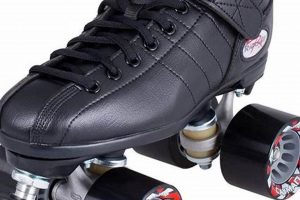
Personalized boot fit represents a foundational element within the domain of custom roller skates. The relationship is causal; suboptimal boot fit directly contributes to discomfort, reduced performance, and an elevated risk of injury. Conversely, a precisely fitted boot maximizes power transfer, enhances control, and promotes sustained comfort, enabling longer and more efficient skating sessions. The boot serves as the interface between the skater and the equipment, and its congruence with the individual’s foot geometry is paramount.
Consider the example of a skater with pronation, a common foot condition where the ankle rolls inward. A standard roller skate boot lacking specific arch support and ankle reinforcement exacerbates this issue, leading to discomfort, instability, and potential long-term joint problems. A custom boot, however, can incorporate orthotic inserts and reinforced ankle support to correct pronation, thereby improving alignment, reducing strain, and enhancing overall skating performance. Another illustration involves skaters with varying foot widths; a custom-fitted boot accommodates wider or narrower feet, preventing pressure points, blisters, and chafing that are often experienced with standard skates. These adjustments demonstrate the practical benefits derived from a personalized boot fit within the framework of custom roller skates.
In summary, the significance of personalized boot fit in custom roller skates transcends mere comfort; it directly impacts performance, safety, and the long-term health of the skater. Overcoming the challenges associated with achieving a truly personalized fit requires precise foot measurements, knowledgeable boot technicians, and, in some cases, specialized fabrication techniques. The integration of personalized boot fit into custom roller skate designs represents a critical advancement, enabling skaters of all skill levels to optimize their experience and minimize potential risks.
2. Optimized Frame Selection

Optimized frame selection forms a cornerstone in the construction of custom roller skates, directly influencing stability, maneuverability, and overall performance characteristics. The frame serves as the structural link between the boot and the wheels, thereby transmitting energy and dictating the skater’s control over movement. Careful consideration of frame materials, length, and mounting configuration is essential for achieving the desired skating experience.
- Frame Material Properties
Frame materials, typically aluminum alloys or composite polymers, exhibit distinct properties affecting performance. Aluminum frames offer increased rigidity and responsiveness, facilitating efficient energy transfer and precise control. Composite frames, while generally lighter, may exhibit greater flex, potentially impacting stability at higher speeds. The selection hinges on the skater’s preference for responsiveness versus weight reduction.
- Frame Length and Wheelbase
Frame length, influencing the wheelbase, significantly affects maneuverability and stability. Shorter frames provide enhanced agility, enabling tighter turns and quicker transitions. Conversely, longer frames offer increased stability, particularly at elevated speeds, making them suitable for distance skating and speed-oriented disciplines. The optimal frame length depends on the skater’s style and intended use.
- Mounting Systems and Compatibility
Mounting systems, such as standard or integrated designs, determine the compatibility between the frame and the boot. Standard mounting systems allow for interchangeability between different frames and boots, offering flexibility for customization and upgrades. Integrated systems, where the frame is directly molded into the boot, may offer enhanced energy transfer and a lower center of gravity, but limit future modification options.
- Frame Geometry and Profile
Frame geometry, including the height and angle of the frame relative to the boot, influences the skater’s balance and control. Low-profile frames lower the center of gravity, enhancing stability. Specific frame profiles may be designed to facilitate particular skating techniques, such as aggressive skating or artistic maneuvers. The frame geometry should align with the skater’s individual biomechanics and skating goals.
The careful selection of a frame, tailored to the skater’s specific needs and preferences, is paramount in maximizing the benefits of custom roller skates. This involves considering material properties, frame length, mounting systems, and geometry to achieve the desired balance of stability, maneuverability, and responsiveness. A properly optimized frame translates to enhanced performance, reduced fatigue, and an overall improved skating experience. The next section will elaborate on the interrelation between wheel durometer variance and its impact on performance.
3. Wheel Durometer Variance

Wheel durometer, a measure of a wheel’s hardness, exerts a significant influence on the performance characteristics of custom roller skates. The term “durometer” refers to a scale quantifying the resistance of a material to indentation, with higher values indicating harder wheels and lower values indicating softer wheels. The selection of an appropriate durometer is a crucial component in customizing roller skates, directly impacting grip, roll speed, and overall skating experience. This variance is not merely a matter of preference; it represents a functional adaptation to different skating environments and styles. For instance, a skater engaging in indoor rink skating on a polished surface may benefit from harder wheels (e.g., 95A – 101A) which offer minimal rolling resistance and increased speed. Conversely, an outdoor skater navigating rougher terrain requires softer wheels (e.g., 78A – 85A) to absorb vibrations, maintain grip, and compensate for surface imperfections. The cause-and-effect relationship is clear: wheel durometer directly dictates the skater’s ability to control the skates and maintain speed across diverse surfaces.
The importance of wheel durometer variance as a customizable component lies in its ability to fine-tune the skate’s response to specific skating conditions. Consider a speed skater preparing for an outdoor race. Employing excessively hard wheels on asphalt would result in a loss of grip and reduced power transfer, hindering performance. By selecting wheels with a durometer appropriate for the asphalt’s texture, the skater optimizes grip, minimizes energy loss, and maximizes speed. Furthermore, within artistic roller skating, varied durometers are strategically employed on different wheel positions (e.g., harder wheels on the toe for enhanced push-off power) to augment specific maneuvers. The practical significance of understanding wheel durometer variance extends to injury prevention. Inadequate grip due to excessively hard wheels on a slippery surface can lead to falls, while excessively soft wheels can cause energy loss and increased fatigue, potentially leading to muscle strain.
In summary, wheel durometer variance is a critical consideration when customizing roller skates, affecting grip, roll speed, comfort, and overall skating performance. Correct durometer selection requires careful assessment of skating surface conditions, skating style, and the skater’s weight and skill level. Challenges in selecting the ideal durometer arise from the subjective nature of “feel” and the need for experimentation to determine optimal configurations. However, a comprehensive understanding of the principles governing wheel durometer and its impact on skate behavior remains essential for optimizing custom roller skate setups and achieving peak performance.
4. Bearing Precision Grade

Bearing precision grade, a critical specification in custom roller skates, quantifies the manufacturing tolerances and performance characteristics of the bearings themselves. This measure directly impacts the smoothness, speed, and overall efficiency of the skating experience. Selecting an appropriate precision grade is essential for optimizing skate performance and ensuring longevity of the bearing components.
- ABEC Rating and its Significance
The Annular Bearing Engineering Committee (ABEC) rating system, while commonly used, is not the sole determinant of bearing quality for roller skates. The ABEC scale (ABEC 1, 3, 5, 7, 9) assesses dimensional tolerances but does not account for factors such as material quality, lubricant type, or bearing cage design. A higher ABEC rating suggests tighter tolerances, potentially leading to smoother and faster performance, but only if other factors are also optimized. For instance, an ABEC 7 bearing manufactured with inferior materials may underperform compared to an ABEC 5 bearing with superior steel and lubrication.
- Alternative Precision Standards
Beyond the ABEC scale, alternative precision standards, such as ISO ratings, offer a different perspective on bearing quality. These standards may emphasize different aspects of bearing performance and provide a more comprehensive evaluation than the ABEC system alone. Furthermore, some bearing manufacturers employ proprietary rating systems that address specific performance characteristics relevant to roller skating, such as resistance to lateral loads or vibration dampening. Skaters should research the specific rating system used by a manufacturer to understand its implications for skate performance.
- Impact on Roll Speed and Efficiency
Bearing precision grade directly influences roll speed and efficiency. Higher precision bearings, with tighter tolerances, exhibit reduced friction and improved energy transfer, allowing for faster speeds and longer coast times. However, the gains in speed may be marginal for recreational skaters who do not require extreme performance. For competitive skaters, even small improvements in roll speed can be significant, justifying the investment in higher precision bearings. The selection of bearing grease also plays a pivotal role and has to be taken into consideration.
- Durability and Maintenance Considerations
Higher precision bearings are often more sensitive to contamination and require more frequent maintenance to preserve their performance. Dirt, debris, and moisture can compromise the tight tolerances of high-precision bearings, leading to increased friction and reduced lifespan. Regular cleaning and lubrication are essential for maintaining the performance of high-grade bearings. Conversely, lower precision bearings may be more tolerant of harsh conditions but may not offer the same level of performance. The skater’s willingness to perform regular maintenance should factor into the bearing selection process.
The selection of an appropriate bearing precision grade for custom roller skates is a nuanced decision involving a trade-off between performance, durability, and maintenance requirements. While higher precision bearings offer the potential for increased speed and efficiency, they also demand greater care and may not be necessary for all skaters. A thorough understanding of bearing rating systems, material properties, and maintenance practices is crucial for optimizing the performance and longevity of custom skate setups. Choosing the correct bearing, combined with regular maintenance, ensures optimal performance.
5. Alignment Calibration Needs

Alignment calibration constitutes a critical, yet often overlooked, element in the effective utilization of custom roller skates. The precise positioning of the frame relative to the boot, and the wheels relative to the frame, directly impacts stability, maneuverability, and energy transfer. Misalignment, even subtle, can precipitate biomechanical inefficiencies, leading to fatigue, reduced control, and an elevated risk of injury. Consider a scenario where the frame is mounted laterally offset from the boot’s centerline. This misalignment forces the skater to compensate, resulting in uneven weight distribution, increased stress on specific joints (e.g., ankles, knees), and a compromised skating stride. This example underscores the causal relationship between alignment and skating performance: improper alignment invariably leads to degraded performance and increased physical strain.
Custom roller skates, by their very nature, offer the potential for precise alignment adjustments, a capability absent in mass-produced skates. The ability to fine-tune the frame’s position, the wheel’s orientation (via shimming or wheel spacers), and the boot’s angle is paramount for optimizing performance and accommodating individual biomechanical variations. For instance, a skater with a tendency to pronate may benefit from adjusting the frame’s lateral position to counteract this inward rolling motion, promoting a more neutral and efficient skating posture. Similarly, adjusting wheel spacers can mitigate wheel “bite” against the frame, reducing friction and improving roll speed. Furthermore, the proper alignment of custom skates is particularly crucial for advanced skating disciplines, such as artistic skating or speed skating, where even minuscule deviations can significantly impact performance and competitive outcomes.
In conclusion, alignment calibration needs are intrinsically linked to the advantages offered by custom roller skates. While mass-produced skates offer limited adjustability, custom skates provide the means to achieve precise alignment, thereby optimizing performance, reducing injury risk, and accommodating individual biomechanical differences. Overcoming the challenges associated with achieving proper alignment requiring specialized tools, expertise, and iterative adjustments is essential for realizing the full potential of custom roller skates. This attention to detail transforms a simple pair of skates into a precision instrument, tailored to the skater’s unique needs and enabling peak performance.
6. Material Performance Characteristics

Material performance characteristics represent a foundational aspect in the design and function of custom roller skates, directly impacting durability, weight, responsiveness, and overall skater experience. The materials selected for the boot, frame, wheels, and bearings significantly influence energy transfer, vibration dampening, and the skate’s ability to withstand the stresses of various skating styles. For instance, boot materials ranging from supple leather to rigid carbon fiber directly affect ankle support, comfort, and the skater’s ability to execute precise movements. Frame materials, typically aluminum alloys or composite polymers, dictate the frame’s stiffness, weight, and ability to absorb impacts. Wheel compounds, including polyurethane formulations with varying rebound characteristics, govern grip, roll speed, and wear resistance. The cause-and-effect relationship is evident: carefully chosen materials translate to enhanced performance and longevity, while inappropriate selections can compromise safety and efficiency.
The importance of material selection within custom roller skates stems from its ability to tailor the skate to the skater’s specific needs and skating style. Consider a speed skater requiring maximum energy transfer and minimal weight. The boot might incorporate carbon fiber for its exceptional stiffness-to-weight ratio, coupled with an aluminum alloy frame designed for aerodynamic efficiency. Conversely, an artistic skater prioritizing flexibility and control might opt for a leather boot, offering greater freedom of movement, and a slightly more flexible frame for enhanced maneuverability. Wheel material also becomes critical; skaters who prioritize maneuverability over speed would benefit from grip-enhancing materials. These tailored configurations illustrate the practical application of material performance characteristics in optimizing custom roller skate designs. The material choice also reflects the longevity of the skates, and the trade-offs of performance versus expected use.
In summary, material performance characteristics are inextricably linked to the design and performance of custom roller skates. These characteristics impact stability and performance of custom skate setup. Selecting appropriate materials based on skating style, skill level, and environmental conditions is paramount for maximizing performance, minimizing injury risk, and ensuring the longevity of the skates. The challenges of material selection lie in balancing competing performance demands, such as stiffness versus comfort, weight versus durability, and grip versus roll speed. A comprehensive understanding of material properties and their influence on skate behavior is essential for creating custom roller skates that truly meet the skater’s individual requirements. Selecting the right material optimizes a custom roller skate.
7. Aesthetic Design Integration

Aesthetic design integration, in the context of custom roller skates, moves beyond mere superficial ornamentation to encompass the deliberate application of visual elements that enhance the skater’s individual expression and complement the functional aspects of the equipment. It recognizes that the visual appeal of skates can significantly influence the skater’s confidence, motivation, and overall experience.
- Color Palette Harmonization
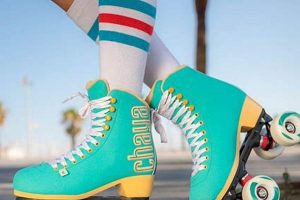
Color palette harmonization refers to the strategic selection and arrangement of colors across the various components of the skates, including the boot, frame, wheels, and laces. Employing a cohesive color scheme, whether monochromatic, complementary, or analogous, creates a visually pleasing and unified aesthetic. For example, a skater might choose a black and silver color scheme for a sleek, modern look, or a vibrant combination of teal and orange to convey a sense of energy and playfulness. This harmonization extends to smaller details, such as the color of the stitching or the bearing shields, contributing to a polished and professional appearance.
- Material Texture and Finish
The selection of materials with varying textures and finishes adds depth and visual interest to custom roller skates. Contrasting matte and glossy surfaces, or combining smooth leather with textured fabrics, creates a dynamic aesthetic that engages the eye. For instance, a boot constructed from smooth, polished leather could be paired with a frame featuring a matte anodized finish, creating a subtle yet visually striking contrast. The choice of textures can also influence the perceived quality and durability of the skates, with premium materials conveying a sense of craftsmanship and attention to detail.
- Graphic Element Incorporation
Graphic elements, such as logos, patterns, and custom artwork, provide an opportunity to personalize custom roller skates and express individual style. These elements can be applied through various techniques, including embroidery, screen printing, laser engraving, or vinyl decals. A skater might choose to incorporate their initials, a favorite symbol, or a custom-designed graphic that reflects their personality or skating style. The strategic placement of these graphic elements, whether subtle or bold, can transform the skates into a unique and expressive work of art.
- Hardware and Accent Detailing
Hardware and accent detailing, including buckles, straps, laces, and decorative rivets, contribute to the overall aesthetic of custom roller skates. The selection of these components in complementary styles and finishes enhances the visual appeal and adds a touch of sophistication. For example, replacing standard laces with premium waxed laces or swapping plastic buckles for metal ones can elevate the overall look of the skates. The strategic use of these details, whether functional or purely decorative, demonstrates a commitment to craftsmanship and attention to detail.
The integration of these aesthetic design elements into custom roller skates transcends mere visual appeal, enhancing the skater’s confidence and allowing for greater self-expression. The deliberate incorporation of harmonious color palettes, contrasting textures, personalized graphics, and refined hardware details transforms the skates into a powerful statement of individual style. This holistic approach to design recognizes the symbiotic relationship between aesthetics and functionality, resulting in custom roller skates that are not only high-performing but also visually compelling.
Frequently Asked Questions
The subsequent section addresses commonly encountered inquiries concerning custom roller skates, providing clear and concise information to guide informed decision-making.
Question 1: What distinguishes custom roller skates from standard, off-the-shelf models?
Custom roller skates offer tailored fit and component selection, optimizing performance and comfort based on individual biomechanics and skating style. Standard models provide a generic fit and fixed components, potentially compromising performance and increasing the risk of discomfort or injury.
Question 2: What factors should be considered when selecting a boot for custom roller skates?
Boot selection should prioritize fit, support, and material properties. A snug, but not constricting, fit is essential for energy transfer and injury prevention. The boot should provide adequate ankle support and be constructed from materials that offer both durability and comfort. Consider the skaters foot shape and any specific biomechanical needs.
Question 3: How does frame material affect the performance of custom roller skates?
Frame material influences stiffness, weight, and vibration dampening. Aluminum frames offer superior rigidity and responsiveness compared to plastic alternatives. The choice of material should align with the skater’s skating style and performance goals.
Question 4: What is the significance of wheel durometer in custom roller skates?
Wheel durometer, a measure of hardness, affects grip and roll speed. Softer wheels provide more grip on slick surfaces, while harder wheels roll faster on smoother surfaces. The optimal durometer depends on the skating environment and the desired balance between grip and speed.
Question 5: How important is bearing precision grade in custom roller skates?
Bearing precision grade, often indicated by the ABEC rating, influences roll speed and smoothness. Higher precision bearings offer reduced friction and improved energy transfer. However, the gains in performance may be marginal for recreational skaters. The need for higher precision bearings depends on skating skill, intensity, and performance goals.
Question 6: What maintenance procedures are essential for preserving custom roller skates?
Regular maintenance includes cleaning and lubricating bearings, inspecting and replacing worn wheels, and ensuring proper frame alignment. Promptly addressing any signs of wear or damage will extend the lifespan of the skates and maintain optimal performance.
The preceding answers highlight the key considerations in selecting and maintaining custom roller skates. Prioritizing fit, component selection, and regular maintenance will maximize performance and ensure a safe and enjoyable skating experience.
The concluding section provides a summary of the key benefits of custom roller skates and offers guidance for future customization endeavors.
Custom Roller Skates
This exploration has illuminated the multifaceted aspects of custom roller skates, emphasizing their potential to optimize performance, enhance comfort, and express individuality. From personalized boot fitting to strategic component selection, each element contributes to a skating experience tailored to specific needs and aspirations. The inherent adjustability and adaptability of these specialized products distinguish them from conventional alternatives, offering a demonstrable advantage in both recreational and competitive contexts.
The pursuit of precision and personalization in skating equipment underscores a commitment to both technical excellence and individual expression. Further advancements in materials science and biomechanical analysis promise even greater refinements in custom skate design, solidifying their role as instruments of both athletic achievement and personal artistry. Continued research and innovation will undoubtedly expand the possibilities within this specialized field, fostering a deeper connection between skater and equipment.