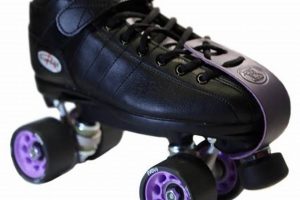
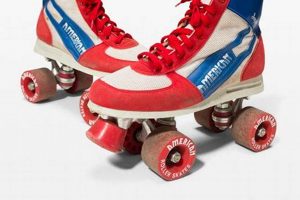
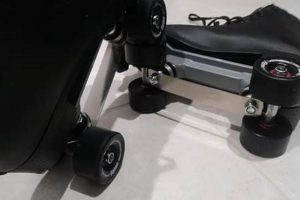
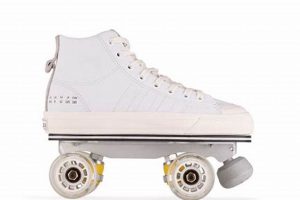
Durable recreational footwear, designed for gliding movement across surfaces, represents a significant investment in both leisure and physical activity. These products are distinguished by their robust construction, utilizing high-grade materials in their wheels, bearings, boots, and frames. As an example, models incorporating precision bearings and supportive ankle structures are sought after by both novice and experienced users.
The acquisition of well-manufactured skating equipment provides multiple advantages. Enhanced safety through superior control and stability reduces the likelihood of injuries. Furthermore, longevity is increased; components withstand wear and tear, resulting in a more cost-effective solution over time compared to cheaper alternatives. Historically, innovations in materials and engineering have progressively improved the user experience and expanded the applications of this form of wheeled locomotion.
The subsequent sections will delve into specific aspects pertaining to premium options, including a comparative analysis of materials, an evaluation of various bearing systems, and a guide to selecting appropriately sized and supportive boots. Furthermore, maintenance protocols designed to maximize the lifespan of skating apparatus will be presented.
Tips for Identifying Superior Recreational Footwear
Selecting appropriate recreational footwear requires careful consideration of several factors to ensure performance and longevity. The following tips provide guidance for discerning superior options from lower-quality alternatives.
Tip 1: Wheel Material Evaluation: Examine the wheel durometer. Polyurethane wheels, known for their durability and grip, are preferable to plastic wheels. Lower durometer values (e.g., 78A-85A) offer enhanced grip on smooth surfaces, while higher values (e.g., 85A+) provide increased speed and reduced friction on outdoor surfaces.
Tip 2: Bearing Precision Assessment: Bearings are classified using the ABEC scale. Higher ABEC ratings (e.g., ABEC 5, ABEC 7, ABEC 9) indicate tighter tolerances and smoother rotation. While higher ratings can enhance performance, proper maintenance is crucial to sustain their efficacy.
Tip 3: Boot Support and Construction: Opt for boots constructed from durable materials such as reinforced nylon or leather. Adequate ankle support is paramount for stability and injury prevention. Consider models with padded liners for increased comfort during extended use.
Tip 4: Frame Material and Design: The frame, typically made of aluminum or composite materials, should be sturdy and well-aligned. Aluminum frames offer superior rigidity and power transfer, while composite frames provide a balance of weight and shock absorption.
Tip 5: Hardware Integrity: Inspect the axles, bolts, and fasteners for quality and proper tightening. Loose or corroded hardware can compromise safety and performance. Regularly check and maintain all hardware components.
Tip 6: Brake System Reliability: The brake system should be responsive and easily accessible. Ensure the brake pad is made of durable material and can be adjusted or replaced as needed. Practice braking techniques in a controlled environment.
By considering these factors, individuals can make informed decisions when selecting recreational footwear, ensuring a more enjoyable and safer experience. Prioritizing quality components and construction ultimately contributes to improved performance and extended product lifespan.
The subsequent section will address the maintenance and care required to preserve the integrity and performance of high-quality skating equipment.
1. Durable boot construction

Durable boot construction represents a foundational element in defining superior roller skates. The integrity of the boot directly influences support, stability, and protection, thereby dictating the user’s control and safety. A compromised boot, characterized by substandard materials or inadequate construction, increases the risk of ankle injuries, reduces energy transfer efficiency, and diminishes overall performance. In contrast, boots fabricated from robust materials such as reinforced polymers or high-quality leather provide essential structural integrity, ensuring optimal foot and ankle alignment. For example, recreational models designed for aggressive skating often feature heavily reinforced boots to withstand high-impact landings and maneuvers.
The selection of materials and construction techniques directly impacts the longevity of the recreational footwear. Boots constructed with durable materials exhibit resistance to abrasion, impact, and environmental degradation. Proper stitching, reinforced stress points, and well-designed closure systems contribute to the boot’s structural integrity, preventing premature wear and tear. Consider the example of speed skating models where a carbon fiber boot is meticulously molded to provide a rigid, responsive interface between the skater’s foot and the frame, maximizing power transfer and minimizing energy loss. This level of construction provides a performance that lasts.
In conclusion, durable boot construction is inextricably linked to the concept of superior recreational footwear. Its influence extends beyond mere aesthetics, affecting safety, performance, and longevity. Therefore, prospective purchasers should prioritize boot quality as a critical factor when evaluating different models. Overlooking this aspect can lead to compromised performance, increased risk of injury, and ultimately, a diminished skating experience.
2. Precision Bearing Systems

The integration of precision bearing systems is a defining characteristic of high-caliber skating equipment. These systems, typically comprised of hardened steel or ceramic ball bearings encased within races, are responsible for minimizing friction between the wheel and the axle. The efficiency of these bearings directly correlates to the skater’s speed, glide, and overall energy expenditure. Consequently, inferior bearings can significantly impede performance, requiring increased effort to maintain momentum. As an illustration, racing variants frequently employ advanced bearings treated with specialized lubricants to achieve minimal rolling resistance, translating to tangible advantages in competitive settings.
Bearing precision is often quantified using the Annular Bearing Engineers’ Committee (ABEC) scale. While higher ABEC ratings (e.g., ABEC 7, ABEC 9) generally indicate tighter tolerances and smoother operation, the choice of bearing ultimately depends on the intended application. Recreational use may not necessitate the highest ABEC rating, whereas specialized disciplines, such as speed skating or artistic routines, benefit from the enhanced performance offered by premium bearings. Furthermore, the correct installation and consistent maintenance of these systems are crucial for preserving their performance characteristics. Regular cleaning and lubrication mitigate the accumulation of debris, thereby preventing premature wear and maintaining optimal rotational efficiency.
In conclusion, the selection of precision bearing systems is a critical factor in determining the overall quality and performance. While the ABEC rating provides a useful benchmark, practical considerations, such as intended use and maintenance protocols, should also inform the selection process. By prioritizing bearing quality and adhering to recommended maintenance practices, users can maximize the efficiency, longevity, and enjoyment derived from their skating equipment. The contribution of these systems directly impacts maneuverability, control, and overall user experience, rendering them indispensable for superior recreational footwear.
3. High-rebound wheel material
The integration of high-rebound wheel material represents a key differentiator in the realm of quality skating equipment. The material composition of the wheels directly influences energy return, grip, and durability, factors that collectively contribute to the overall skating experience. Utilizing appropriate materials is essential for optimal performance and safety.
- Polyurethane Composition and Resilience
High-rebound wheels are typically constructed from polyurethane, a polymer characterized by its elastic properties. The “rebound” refers to the wheel’s ability to return energy to the skater, resulting in a more efficient and responsive ride. Formulations with higher rebound coefficients minimize energy loss during each wheel rotation. As an example, racing models employ specialized polyurethane compounds designed for maximum energy return, allowing skaters to maintain higher speeds with less effort. The selection of appropriate polyurethane formulations directly impacts skating efficiency and overall performance.
- Durometer Rating and Surface Adaptation
The durometer of a wheel, typically measured on the A scale, indicates its hardness. High-rebound materials are available in a range of durometers to suit different skating surfaces and styles. Softer wheels (e.g., 78A-85A) offer enhanced grip and shock absorption on rough surfaces, while harder wheels (e.g., 85A+) provide increased speed and durability on smooth surfaces. For example, outdoor models frequently utilize softer, high-rebound wheels to compensate for uneven terrain. The careful selection of wheel durometer allows skaters to optimize their performance based on the skating environment.
- Abrasion Resistance and Longevity
High-rebound polyurethane compounds exhibit enhanced abrasion resistance compared to standard materials. This resistance translates to a longer wheel lifespan, even under demanding conditions. The wheel material’s ability to withstand wear and tear is crucial for maintaining consistent performance over time. For example, models designed for aggressive skating or frequent outdoor use require high-rebound wheels with superior abrasion resistance to ensure durability and consistent performance. The implementation of abrasion-resistant materials mitigates the need for frequent wheel replacements, thereby enhancing the long-term value of the equipment.
- Core Material and Structural Integrity
The wheel core, often constructed from nylon or reinforced polymers, provides structural support and ensures a secure interface with the bearings. The core material must be robust enough to withstand the stresses generated during skating. High-rebound wheels typically feature cores designed to complement the polyurethane compound, optimizing energy transfer and minimizing deformation. For example, high-performance models frequently utilize cores with ribbed designs or reinforced structures to enhance stiffness and responsiveness. The interplay between the core and the high-rebound material ensures both durability and optimal energy return, contributing to a superior skating experience.
In summary, the implementation of high-rebound wheel material significantly contributes to the performance and durability. The selection of appropriate polyurethane compounds, durometer ratings, and core designs is essential for optimizing energy return, grip, and longevity. These attributes are vital for skaters seeking superior performance across various skating styles and environments, thereby solidifying its connection to skating products of high caliber. These features are directly linked to the feel and experience of skating.
4. Reinforced frame stability
Reinforced frame stability is inextricably linked to superior skating equipment. The frame, acting as the skeletal structure that connects the wheels to the boot, directly influences control, energy transfer, and overall safety. A frame lacking adequate reinforcement compromises stability, resulting in diminished maneuverability, increased risk of injury, and inefficient power transfer. Conversely, a reinforced frame provides a solid foundation, enhancing responsiveness and control. For example, aggressive skating models featuring reinforced aluminum frames are specifically designed to withstand high-impact landings and rigorous maneuvers, illustrating the practical importance of this feature.
The material composition and design of the frame significantly affect its stability. Aluminum alloys, known for their strength-to-weight ratio, are commonly employed in high-performance equipment. Furthermore, design elements such as reinforced cross-sections and strategically placed support struts enhance structural integrity, resisting deformation under stress. Consider speed skating variants; these often utilize meticulously engineered frames with optimized stiffness to minimize energy loss during propulsion. This construction enhances power transfer from the skater’s leg to the wheels, maximizing speed and efficiency. Furthermore, the secure mounting of the boot to the frame is crucial. A robust connection ensures a direct and responsive interface, translating the skater’s movements into precise wheel control.
In conclusion, reinforced frame stability represents a critical attribute of quality roller skates. Its influence extends beyond mere aesthetics, impacting performance, safety, and the overall skating experience. Prioritizing frame quality during the selection process ensures a stable, responsive, and durable skating platform. A well-engineered and reinforced frame not only enhances control and power transfer but also contributes significantly to the skater’s confidence and safety. The integration of such a feature directly influences the ability to perform advanced maneuvers and maintaining balance, creating a safe and enjoyable experience.
5. Reliable braking mechanism

A reliable braking mechanism is a fundamental component of quality roller skates, directly impacting safety and control. Its effectiveness in facilitating controlled deceleration or abrupt stops is paramount for preventing collisions and mitigating the risk of injuries. The design, material, and maintenance of the braking system are key factors that define its reliability and overall contribution to a safe skating experience.
- Brake Pad Material and Durability
The composition of the brake pad is crucial for its braking performance and longevity. High-quality brake pads typically consist of durable rubber compounds or polymers that provide optimal friction and resistance to wear. The material should maintain its integrity under repeated use and varying environmental conditions. For example, models designed for frequent use or outdoor skating often incorporate brake pads formulated for enhanced abrasion resistance and consistent braking performance. This feature impacts both longevity and response.
- Brake System Design and Ergonomics
The design of the braking system should facilitate intuitive and efficient activation. A well-designed system allows the skater to apply consistent and controlled pressure with minimal effort. The ergonomic placement of the brake mechanism is essential for easy access and effective utilization, particularly in emergency situations. A common design features a heel brake activated by tilting the foot backward, a method that must be reliable. Designs with a lower profile also minimize accidental activation during normal skating. Consider this feature to be for user experience.
- Adjustability and Replaceability
The ability to adjust or replace the brake pad is an important feature of a reliable braking mechanism. Adjustable systems allow skaters to customize the brake pad’s position to accommodate their individual skating style and preference. Replaceable brake pads ensure the continued functionality of the braking system over time, preventing the need for complete equipment replacement. This is a crucial consideration for long-term maintenance and cost-effectiveness. The ability to replace this key component directly influence product lifespan.
- Mounting Stability and Security
The secure mounting of the braking system to the skate frame is paramount for its reliable operation. A robust and well-designed mounting ensures that the brake system remains firmly attached and aligned, even under significant force. Loose or unstable mounting can compromise braking performance and increase the risk of failure. High-quality models employ reinforced mounting points and secure fastening mechanisms to ensure the brake system remains stable and effective. Mounting stability is directly associated with performance and user confidence.
In summary, a reliable braking mechanism is not merely an accessory; it is an essential safety feature that directly contributes to the overall quality of recreational footwear. The material, design, adjustability, and mounting stability of the braking system are critical factors that influence its effectiveness and longevity. Skaters should prioritize models with well-engineered and durable braking systems to ensure a safe and controlled skating experience. A focus on this aspect of equipment selection provides benefits for both performance and, more importantly, user protection.
Frequently Asked Questions
The following section addresses common inquiries regarding the selection, maintenance, and performance characteristics of high-quality skating apparatus. The information provided aims to clarify key considerations for prospective purchasers and current users.
Question 1: What distinguishes high-performance recreational footwear from standard models?
Differentiated primarily by the quality of their constituent materials and construction techniques, superior roller skates exhibit enhanced durability, responsiveness, and safety features. Critical distinctions include the utilization of precision bearings, high-rebound wheel compounds, and reinforced frame structures.
Question 2: How does bearing quality influence the overall skating experience?
Bearing quality directly affects rolling resistance, thereby influencing speed, glide efficiency, and the effort required to maintain momentum. High-precision bearings minimize friction, resulting in a smoother and more efficient skating experience. Conversely, inferior bearings can significantly impede performance and increase physical exertion.
Question 3: What factors should be considered when selecting wheel durometer?
Wheel durometer, a measure of hardness, should be selected based on the intended skating surface and style. Softer wheels offer enhanced grip and shock absorption on rough surfaces, while harder wheels provide increased speed and durability on smooth surfaces. Terrain type dictates the optimal wheel durometer for performance.
Question 4: Is regular maintenance necessary for maximizing the lifespan of skating equipment?
Regular maintenance is essential for preserving the integrity and performance of roller skates. This includes periodic cleaning and lubrication of bearings, inspection and tightening of hardware, and replacement of worn components. Proper maintenance extends the lifespan and ensures consistent performance.
Question 5: How does frame material contribute to the stability and responsiveness?
Frame material significantly impacts stability and responsiveness. Aluminum alloy frames offer superior strength-to-weight ratios and enhanced energy transfer compared to composite materials. A rigid frame ensures optimal control and efficient power transfer during skating.
Question 6: What safety features should be prioritized when purchasing skating equipment?
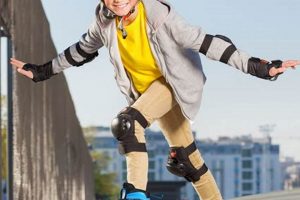
Essential safety features include a reliable braking mechanism, durable boot construction providing adequate ankle support, and properly fitted protective gear such as helmets, knee pads, and elbow pads. Adherence to safety guidelines and the use of appropriate protective equipment minimize the risk of injury.
In summary, informed decision-making regarding the selection, maintenance, and utilization of skating equipment is crucial for maximizing both performance and safety. Prioritizing quality components and adhering to recommended maintenance practices ensures a satisfying skating experience.
The subsequent section will discuss advanced techniques for enhancing skating performance and proficiency.
Conclusion
This exploration of “best quality roller skates” has underscored the critical role of materials, construction, and design in determining performance, safety, and longevity. Attributes such as precision bearings, high-rebound wheels, reinforced frames, reliable braking systems, and durable boot construction collectively define the benchmark for recreational footwear of superior caliber. A discerning approach to equipment selection is paramount for optimizing the skating experience.
The information presented herein serves as a foundation for making informed decisions. Continuous advancements in materials science and engineering promise to further refine skating technology. Prioritizing quality ensures both performance enhancement and a more secure skating experience. The user is encouraged to apply this knowledge and seek qualified expertise when selecting, maintaining, or utilizing skating equipment, because ultimately, quality and durability can have a substantial impact on skating performance.