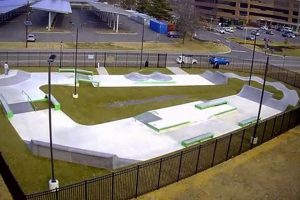
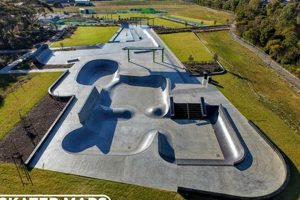
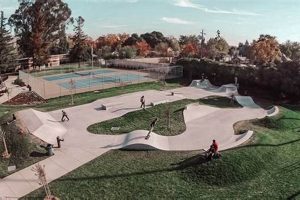
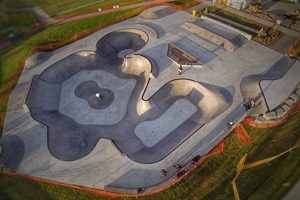
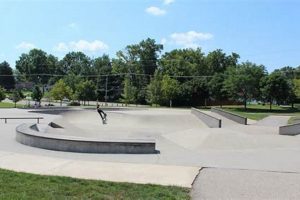
Facilities designed for skateboarding constructed primarily from timber offer a specialized environment for riders. These venues often incorporate plywood sheeting over a framework of dimensional lumber to create ramps, bowls, and other features conducive to performing tricks and maneuvers. For example, a quarter pipe made of wood allows skaters to gain air and transition back down smoothly.
Structures built with lumber provide a unique riding surface, offering more “give” compared to concrete or metal, which can be advantageous for learning new skills and potentially reducing impact-related injuries. The inherent flexibility of wood allows for the creation of complex curves and shapes, contributing to a dynamic and engaging experience. Historically, these facilities were common due to the relative ease of construction and availability of materials, predating widespread adoption of alternative building methods.
This article will delve into the design considerations, construction techniques, maintenance protocols, and safety aspects associated with these specialized recreational areas. Furthermore, it will explore the selection of appropriate lumber types, preservation methods to combat weather-related degradation, and the evolving landscape of facility design within the skateboarding community.
Construction and Maintenance Tips for Timber-Based Skateboarding Venues
Proper construction and consistent maintenance are critical for ensuring the safety, longevity, and optimal performance of facilities built with lumber.
Tip 1: Lumber Selection: Employ pressure-treated lumber for structural components in direct contact with the ground or exposed to persistent moisture. This prevents premature rot and decay, extending the lifespan of the structure. For example, use treated 4×4 posts for the vertical supports of a ramp.
Tip 2: Surface Material: Utilize high-quality plywood sheeting rated for exterior use as the riding surface. Marine-grade plywood offers superior resistance to water damage compared to standard exterior grades. Seal all edges with a waterproof sealant to prevent delamination.
Tip 3: Framing Techniques: Employ robust framing techniques, such as using screws instead of nails, to provide greater structural integrity. Properly space joists and supports to accommodate anticipated loads and prevent sagging or flexing under rider weight. A joist spacing of 12 inches on center is preferable to 16 inches for high-traffic areas.
Tip 4: Drainage: Integrate effective drainage solutions to prevent water accumulation. Proper sloping of the riding surface and strategically placed drainage channels minimize water pooling, reducing the risk of warping, rot, and ice formation in colder climates.
Tip 5: Regular Inspection: Conduct routine inspections to identify and address potential problems early. Check for loose screws, splinters, cracks, and signs of rot. Promptly repair or replace damaged components to maintain safety and prevent further degradation.
Tip 6: Surface Treatment: Apply a sealant or weather-resistant coating to the riding surface to protect it from the elements. Reapply the coating periodically, following the manufacturer’s instructions, to maintain its protective properties.
Tip 7: Hardware Maintenance: Regularly inspect and tighten all screws, bolts, and fasteners. Replace any corroded or damaged hardware to ensure structural stability. Consider using stainless steel hardware for improved corrosion resistance.
Adhering to these construction and maintenance guidelines ensures a safe, durable, and enjoyable skateboarding environment. Consistent attention to detail translates into a longer lifespan, reduced repair costs, and enhanced user experience.
The following sections will explore specific design considerations for various skateboarding features and address safety protocols for facility users.
1. Material Durability

The operational lifespan and safety profile of a timber-based recreational facility are directly and profoundly influenced by the inherent durability of the materials used in its construction. Deterioration of construction materials, primarily due to moisture exposure, fungal decay, and insect infestation, compromises structural integrity, creating hazardous conditions for users. Premature failure of ramps, transitions, or support structures, resulting from inadequate material selection or treatment, poses a significant risk of injury. For instance, untreated lumber exposed to the elements will rapidly deteriorate, leading to weakened support beams and a higher probability of collapse. The selection of appropriate lumber species, coupled with preservative treatments, is paramount in mitigating these risks.
Specifically, pressure-treated lumber, designed to resist rot and insect damage, serves as a critical component in areas prone to moisture accumulation, such as the base of ramps or areas in direct contact with the ground. Furthermore, the type and quality of plywood used for the riding surface significantly impacts the durability of the facility. Marine-grade plywood, known for its superior water resistance, is often preferred in outdoor facilities, although at a higher initial cost. Regularly applied sealant coatings can further extend the lifespan of the wood by repelling water and preventing surface cracking, a common precursor to more extensive damage. Neglecting material durability considerations leads to accelerated degradation, increased maintenance costs, and ultimately, a shorter useful life for the facility.
In conclusion, the connection between material durability and the long-term viability and safety of a wood-constructed skateboarding environment is undeniable. Prioritizing the selection of durable materials and implementing appropriate preservation techniques represents a fundamental investment in the structural integrity and safety of the facility, minimizing the risk of accidents and maximizing the return on investment through extended operational life. The challenge lies in balancing initial costs with the long-term benefits of superior material selection and proactive maintenance strategies.
2. Construction Techniques

Sound construction practices are paramount to the structural integrity, safety, and longevity of any facility fabricated primarily from timber. The methods employed directly influence the skate park’s ability to withstand dynamic loads, environmental stressors, and continuous use, dictating its overall performance and lifespan. Adherence to established building codes and engineering principles is critical.
- Framing and Support Systems
The skeletal framework dictates load distribution. Techniques such as proper joist spacing, the use of reinforced connections, and diagonal bracing are essential for preventing sagging, flexing, and potential collapse. For instance, a poorly framed quarter pipe may develop stress cracks over time, creating a hazardous riding surface.
- Surface Attachment Methods
The means by which the plywood riding surface is affixed to the underlying frame significantly impacts safety and performance. Countersunk screws, applied at regular intervals, are preferable to nails, which can loosen over time. Glue-laminated techniques, where appropriate, provide an additional layer of bonding strength, resisting delamination and creating a smoother riding surface.
- Material Treatment and Preservation
The application of preservatives, sealants, and weather-resistant coatings is crucial for protecting the wood from moisture damage, fungal decay, and insect infestation. Pressure-treating lumber used for ground contact, and regularly applying waterproofing agents to the riding surface, extends the park’s lifespan and reduces the risk of structural failure. Neglecting this aspect can lead to rapid deterioration and costly repairs.
- Transition Design and Execution
Smooth, consistent transitions between surfaces are vital for rider safety and flow. Precise measurements, accurate cuts, and meticulous assembly are necessary to create seamless curves and eliminate abrupt changes in angle. Poorly executed transitions can result in unintended landings, loss of control, and an increased risk of injury.
In summary, the quality of construction defines the long-term viability and user experience. Effective framing ensures structural resilience, secure surface attachment enhances safety, diligent material treatment combats degradation, and precise transition design promotes a safe, flowing riding experience. The cumulative effect of these techniques determines the success and sustainability of the skating environment.
3. Surface Traction

Surface traction represents a critical performance parameter within a facility designed for skateboarding, significantly influencing rider control, safety, and the overall riding experience. The frictional characteristics of the riding surface directly impact a skater’s ability to maintain balance, execute maneuvers, and prevent falls. An insufficient or inconsistent surface traction profile can substantially increase the risk of accidents and limit the types of tricks that can be performed safely.
- Plywood Grade and Finish
The selection of plywood grade and the application of specific surface finishes directly determine the level of grip available to the skater. High-grade plywood, sanded to a smooth but not overly polished finish, provides an optimal balance between glide and traction. The application of varnishes or sealants can alter the surface characteristics, potentially reducing traction if not carefully selected and applied. For example, a high-gloss varnish can create a slick surface, particularly when wet, while a matte-finish sealant can enhance grip.
- Environmental Factors and Contaminants
Environmental conditions such as moisture, dust, and debris can dramatically affect surface traction. Moisture reduces friction, increasing the likelihood of slipping. Dust and debris accumulate on the surface, creating an uneven riding plane and further compromising grip. Regular cleaning and maintenance are essential to mitigate these effects. Sweeping the surface and applying a specialized cleaning solution, as needed, can restore the desired level of traction.
- Surface Texture and Micro-Roughness
The microscopic texture of the riding surface, often referred to as micro-roughness, plays a crucial role in generating friction. A surface with subtle irregularities provides more grip than a perfectly smooth surface. Over time, wear and tear can alter the micro-roughness, either increasing or decreasing traction. Refinishing the surface may be necessary to restore the original texture and maintain optimal performance. Applying a textured coating can artificially increase traction, but the long-term durability of such coatings must be carefully considered.
- Rider Skill Level and Equipment
The optimal level of surface traction can vary depending on the rider’s skill level and the type of skateboarding equipment being used. Beginner skaters may benefit from a slightly higher level of traction to aid in balance and control, while experienced skaters may prefer a smoother surface for faster speeds and more technical maneuvers. The durometer (hardness) of the skateboard wheels also influences grip, with softer wheels generally providing more traction than harder wheels.
The careful management of surface traction represents a key element in ensuring a safe, enjoyable, and high-performance riding environment. A holistic approach, encompassing material selection, surface treatment, regular maintenance, and consideration of environmental factors and rider skill levels, is essential for optimizing the frictional characteristics of the riding surface and maximizing the benefits of a lumber-based skating environment.
4. Rider Safety

The safety of individuals utilizing skateboarding facilities constructed with timber is a primary concern governing design, construction, and maintenance protocols. The inherent material properties of wood, coupled with the dynamic forces generated during skateboarding activities, necessitate careful consideration of potential hazards and the implementation of appropriate safety measures. Injuries sustained within these environments often result from falls, collisions, or equipment malfunctions exacerbated by inadequate facility design or maintenance. A critical factor is the riding surface itself; inconsistencies, splinters, or loose boards create immediate trip hazards. Furthermore, transitions between ramps and other features must be smooth and predictable to minimize the risk of sudden loss of control. An example illustrating this point is a poorly constructed quarter pipe where an abrupt transition can eject a rider unexpectedly, leading to serious injury. Similarly, inadequate lighting or obstructed visibility further increases the probability of accidents.
Addressing the safety requirements involves several key strategies. These include routine inspections to identify and rectify any surface imperfections or structural weaknesses, the application of non-slip coatings to enhance traction, and the installation of appropriate safety barriers or padding in areas prone to collisions. Moreover, implementing clearly defined rules and regulations, coupled with effective signage, informs users about potential risks and promotes responsible behavior. The use of personal protective equipment, such as helmets, knee pads, and elbow pads, is also crucial in mitigating the severity of potential injuries. A practical application of this understanding is the widespread adoption of helmet mandates within publicly funded skateboarding facilities. Furthermore, the implementation of tiered skill level zones allows less experienced riders to practice in a controlled environment, reducing their exposure to more challenging features and advanced maneuvers.
In conclusion, rider safety is not merely an ancillary consideration, but rather an integral component of a successfully designed and maintained skateboarding facility. A proactive approach, encompassing robust construction techniques, regular maintenance practices, and diligent enforcement of safety regulations, is essential in minimizing the risk of injury and fostering a positive and inclusive skateboarding culture. The ongoing evaluation and refinement of safety protocols, informed by incident data and user feedback, ensures the continuous improvement of skateboarding environments, promoting both safety and enjoyment for all participants. Challenges remain in balancing accessibility with risk mitigation, but prioritizing rider well-being remains paramount.
5. Maintenance Schedule

The structural integrity, user safety, and longevity of a recreational facility constructed primarily from timber are intrinsically linked to the diligent implementation of a comprehensive maintenance schedule. The absence of such a schedule precipitates a cascade of negative consequences, ranging from accelerated material degradation and increased repair costs to a heightened risk of user injury. A regular maintenance program mitigates the deleterious effects of environmental exposure, usage-related wear and tear, and unforeseen damage. For instance, the cyclical application of wood preservatives and sealants prevents moisture penetration, a primary cause of rot and decay in lumber. Similarly, routine inspections identify and address minor structural issues, such as loose screws or splintered surfaces, before they escalate into major safety hazards. The effective execution of a maintenance schedule transforms a reactive approach addressing problems only when they become apparent into a proactive strategy that anticipates and prevents potential failures.
A well-defined maintenance schedule encompasses a range of activities, including but not limited to: surface cleaning to remove debris and contaminants, visual inspections for structural damage, tightening or replacement of fasteners, repair or replacement of damaged sections of plywood, application of protective coatings, and treatment for pest infestations. The frequency of these activities depends on several factors, including the facility’s usage patterns, climate conditions, and the types of materials employed in its construction. For example, an outdoor facility in a region with high rainfall and humidity requires more frequent applications of wood preservatives compared to an indoor facility in a drier climate. Furthermore, a facility that experiences heavy daily use necessitates more frequent inspections and surface repairs. The creation of a detailed logbook documenting maintenance activities, including dates, materials used, and observations, provides a valuable record for tracking performance and identifying potential trends.
In conclusion, a consistent and thorough maintenance schedule is not merely an operational afterthought but a foundational element of a sustainable and safe recreational facility. The systematic execution of inspections, repairs, and preventative treatments safeguards the structural integrity of the facility, minimizes the risk of user injury, and extends its operational lifespan, resulting in reduced long-term costs and enhanced user satisfaction. The challenges associated with implementing and adhering to a rigorous maintenance schedule, such as resource constraints and logistical complexities, can be overcome through careful planning, dedicated personnel, and a commitment to prioritizing user safety and long-term facility health. Failing to embrace this proactive approach leads to inevitable and often costly consequences.
Frequently Asked Questions about Wood Skate Parks
This section addresses common inquiries and concerns related to facilities designed for skateboarding using timber as the primary construction material. The information presented aims to provide clarity on crucial aspects of these specialized recreational areas.
Question 1: What are the primary advantages of a wood skateboard park compared to concrete or metal alternatives?
Wood offers a unique riding surface with more “give” than concrete or metal, potentially reducing impact-related injuries. Wood construction also allows for greater design flexibility, enabling the creation of complex curves and shapes not easily achievable with other materials.
Question 2: How is the durability of a wood-based skateboarding facility ensured, particularly in outdoor environments?
Durability is enhanced through the use of pressure-treated lumber for structural components, high-quality exterior-grade plywood for the riding surface, and regular application of weather-resistant sealants and coatings. Proper drainage systems are also crucial to prevent water accumulation and subsequent rot.
Question 3: What specific maintenance procedures are essential for preserving the integrity of a wood-constructed skate park?
Essential maintenance procedures include routine inspections for loose screws, splinters, or cracks; regular sweeping to remove debris; periodic application of wood preservatives and sealants; and prompt repair or replacement of damaged components.
Question 4: How does the surface traction of a skateboard park impact rider safety and performance?
Surface traction directly influences a skater’s ability to maintain balance and execute maneuvers. An optimal surface provides adequate grip without being overly sticky. Surface roughness, contaminants, and moisture levels can all affect traction and require careful management.
Question 5: What design considerations are paramount to ensuring rider safety within a facility constructed with lumber?
Key design considerations include smooth transitions between surfaces, adequate lighting, clear visibility, appropriate safety barriers or padding in high-impact areas, and implementation of tiered skill-level zones.
Question 6: How does the cost of constructing and maintaining a lumber skateboarding area compare to alternatives using other materials?
Initial construction costs can vary depending on the complexity of the design and the quality of materials used. However, the long-term maintenance costs can be significant due to the susceptibility of wood to environmental degradation, potentially exceeding the costs associated with concrete or metal structures.
In summary, facilities constructed of lumber offer distinct advantages in terms of rider feel and design flexibility, but require diligent maintenance and careful consideration of material selection to ensure long-term durability, safety, and cost-effectiveness.
The following section will delve into case studies of exemplary facilities that demonstrate best practices in design, construction, and maintenance.
Conclusion
This exploration has underscored the multifaceted considerations inherent in the design, construction, and maintenance of facilities where lumber serves as the primary building material. Crucially, long-term viability hinges upon a rigorous commitment to material durability, adherence to sound construction methodologies, consistent surface traction management, and unwavering prioritization of rider safety. Furthermore, a proactive maintenance schedule is not a discretionary element but an indispensable component of responsible facility operation.
Effective stewardship of these recreational environments necessitates a holistic approach that integrates engineering principles, material science, and a deep understanding of user needs. As the landscape of skateboarding continues to evolve, ongoing research, development, and dissemination of best practices remain essential to ensure these facilities provide a safe, enjoyable, and sustainable outlet for athletic expression and community engagement. The ultimate success of a facility of this type rests on the collective responsibility of designers, builders, operators, and users to uphold the highest standards of safety and environmental consciousness.