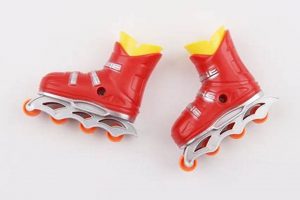
Footwear designed for ice skating is manufactured in various widths to accommodate diverse foot shapes. Individuals with broader feet often require specialized skates to ensure proper fit and performance. These skates provide additional volume in the toe box and midfoot, preventing discomfort and potential injury. As an example, a standard skate might feel constricting, while a wider model allows for natural foot splay and improved circulation.
Properly fitted skating footwear contributes significantly to the overall skating experience. Ill-fitting skates can lead to blisters, numbness, and decreased control. The availability of wider options has broadened participation in ice skating activities by providing a more comfortable and supportive experience for individuals previously excluded due to foot width. Historically, standard-width skates were the only available option, leading to discomfort and performance limitations for a significant portion of the skating population. The introduction of varied widths marks a positive advancement in skating equipment technology.
The following sections will explore specific features, fitting considerations, and performance implications related to this specialized footwear, providing a detailed understanding for consumers and retailers alike.
Guidance on Selecting Ice Skates for Wider Feet
The selection of appropriate ice skates is crucial for comfort, performance, and injury prevention. Individuals with wider feet require particular attention to fitting and features.
Tip 1: Measurement is Paramount: Obtain accurate foot measurements, including both length and width, while wearing socks typically used for skating. Refer to the manufacturer’s sizing charts, as these may vary significantly between brands and models.
Tip 2: Prioritize Width Specification: Seek skates explicitly designated as “wide” or “extra wide.” These models are designed with increased internal volume in the forefoot and midfoot regions.
Tip 3: Consider Heat Molding: Select skates with heat-moldable liners. This feature allows for customization of the boot’s shape, conforming to the specific contours of the foot and minimizing pressure points.
Tip 4: Assess the Toe Box: Ensure adequate toe box depth and width. Toes should be able to wiggle freely without feeling compressed or restricted. A cramped toe box can lead to discomfort and potential injuries such as blisters or neuromas.
Tip 5: Evaluate Arch Support: Pay attention to the arch support provided by the skate’s insole. If necessary, replace the stock insole with a custom orthotic designed to provide appropriate arch support and distribute pressure evenly across the foot.
Tip 6: Consult a Professional: Seek guidance from a knowledgeable skate fitter. A professional can assess foot characteristics, recommend appropriate models, and perform necessary adjustments to ensure optimal fit and performance.
Tip 7: Conduct On-Ice Testing: Before finalizing a purchase, test the skates on the ice, if possible. This allows for evaluation of comfort, support, and performance under realistic skating conditions.
Adhering to these guidelines contributes to a more comfortable and enjoyable skating experience, reducing the risk of foot-related issues.
The following section will address maintenance and care to prolong the life and performance of these specialized skates.
1. Comfort

The relationship between comfort and appropriately sized ice skates, particularly wider width models, is directly proportional to the skater’s experience and performance. Ill-fitting skates, especially those too narrow, cause discomfort stemming from constriction, pressure points, and restricted blood flow. This discomfort manifests as blisters, numbness, and generalized foot pain, directly inhibiting the skater’s ability to focus on technique and enjoyment. For example, a skater attempting a complex maneuver while experiencing acute foot pain is demonstrably less likely to execute the maneuver successfully and is at a higher risk of injury due to compromised balance and control. Therefore, prioritizing comfort through properly fitted ice skates becomes paramount.
The selection of wide width ice skates directly addresses the comfort needs of individuals with broader feet. These skates offer increased internal volume, mitigating pressure and allowing for natural foot splay. The subsequent increase in comfort levels has tangible benefits. Skaters experience reduced fatigue, improved circulation, and a minimized risk of foot-related ailments. This translates to longer and more productive practice sessions, increased confidence, and ultimately, improved skating performance. Furthermore, comfortable skaters are more likely to enjoy the activity, leading to greater adherence and skill development over time. A comparative example is a skater who, after switching to wide width skates, reports a significant reduction in foot pain and an increased ability to skate for extended periods, resulting in accelerated skill acquisition. This highlights the practical significance of understanding the comfort component within the context of wider skate options.
In summary, the pursuit of comfortable ice skates, specifically through the selection of wide width models for those who require them, is not merely a matter of preference but a critical element in optimizing performance, preventing injury, and fostering long-term engagement with the sport. The challenges lie in accurate foot measurement, understanding manufacturer sizing variations, and seeking professional fitting advice. Recognizing and addressing these challenges contributes directly to the skater’s overall well-being and success on the ice, aligning with the broader theme of prioritizing athlete-specific equipment customization.
2. Performance
The correlation between performance and properly fitted ice skates, including the availability of wider widths, is a critical determinant of a skater’s capabilities. Footwear that restricts natural movement hinders a skater’s ability to execute precise maneuvers, affecting agility, speed, and overall control on the ice. Therefore, optimizing skate fit becomes essential for maximizing performance potential.
- Enhanced Stability and Balance
Wide width ice skates accommodate the natural splay of the foot, distributing weight more evenly across the blade. This enhanced stability translates to improved balance, particularly during complex movements such as turns, jumps, and spins. A stable base allows the skater to maintain control and execute maneuvers with greater precision, reducing the risk of falls and enhancing overall performance.
- Improved Power Transfer
A snug but not constricting fit within the skate boot facilitates efficient power transfer from the skater’s legs to the ice. When the foot is properly supported, energy is channeled directly to the blade, maximizing propulsion and acceleration. Conversely, excessive movement within the boot dissipates energy, reducing efficiency and hindering the skater’s ability to generate speed and power. Wide width models ensure a secure fit for broader feet, preventing energy loss and optimizing power transfer.
- Increased Agility and Responsiveness
Ice skates that allow for natural foot movement without excessive slippage or pressure points contribute to enhanced agility and responsiveness. A properly fitted skate enables the skater to react quickly to changing conditions on the ice, execute rapid transitions, and maintain precise control during intricate maneuvers. The increased freedom of movement afforded by wide width skates, when appropriate, allows for greater agility and responsiveness, ultimately contributing to improved performance.
- Reduced Fatigue and Discomfort
Ill-fitting skates can lead to fatigue and discomfort, particularly during extended skating sessions. Pressure points and restricted circulation can cause foot pain, cramping, and numbness, hindering the skater’s ability to maintain focus and performance. Wide width skates alleviate these issues by providing a more accommodating fit, reducing fatigue and allowing skaters to maintain optimal performance levels for longer periods. Comfortable skates lead to improved concentration and a reduced risk of performance degradation due to physical discomfort.
In summary, the relationship between skate fit, including considerations for width, and performance is undeniable. Proper support, stability, and power transfer, coupled with reduced fatigue and improved comfort, are all critical elements that contribute to a skater’s overall capabilities. Selecting skates that accommodate the individual’s foot width is essential for maximizing performance potential and ensuring a positive skating experience. The aforementioned points illustrate that the selection and fitting of the right kind of skates for wider feet is critical to the ultimate performance and enjoyment of ice skating
3. Customization

The adjustability of footwear designed for ice skating directly impacts comfort and performance. Wide width ice skates, in particular, benefit significantly from customization options to accommodate individual foot characteristics beyond width alone.
- Heat Molding and Liner Modification
Many wide width ice skates feature heat-moldable liners that conform to the specific contours of the foot when heated. This process allows for personalized shaping in areas such as the ankle and heel, addressing common fit issues. Additionally, some liners can be further modified by adding padding or shims to alleviate pressure points or fill areas of excessive volume. For example, a skater with a wide forefoot and narrow heel can benefit from heat molding to achieve a snug fit in the heel while maintaining adequate room in the toe box. The implications of these options is to minimize the chances of ill-fitting components and reduce the risk of foot injury.
- Blade Alignment Adjustments
The position of the blade relative to the boot can be adjusted on many high-performance ice skates, including those with wider widths. Lateral blade adjustments allow for fine-tuning of the skater’s balance and edge control. Fore-aft adjustments can optimize weight distribution and stride efficiency. This level of customization is particularly important for skaters with specific biomechanical needs or skating styles. For instance, a skater who tends to overpronate may benefit from lateral blade adjustments to correct their alignment and improve edge control. Doing this is critical to reducing injury and preventing long-term problems due to repetitive stress injury.
- Insole and Arch Support Options
The insole plays a crucial role in supporting the foot and distributing pressure within the skate boot. Wide width ice skates often come with removable insoles that can be replaced with custom orthotics or aftermarket insoles designed to provide specific arch support or cushioning. These customization options address individual foot biomechanics and enhance comfort, reducing the risk of fatigue and injury. For example, a skater with high arches may benefit from using a custom orthotic to provide adequate arch support and prevent foot pain. With proper support, the risk of pronation and supination are both reduced.
- Lacing and Closure Systems
The lacing system on ice skates allows for adjustments to the tightness and fit of the boot around the foot and ankle. Wide width ice skates often feature lacing systems that are designed to accommodate a variety of foot shapes and volumes. Additionally, some skates incorporate power straps or buckles to provide additional support and closure in specific areas. The ability to customize the lacing and closure system is essential for achieving a secure and comfortable fit. For instance, a skater with narrow ankles may benefit from using a lacing pattern that provides additional support in that area, preventing heel slippage.
These customization options collectively enhance the fit and performance of wide width ice skates. By addressing individual foot characteristics and skating needs, customization ensures that skaters can achieve a comfortable and supportive fit, maximizing their potential on the ice. Doing so can mean the difference between a high-performing athlete or an athlete with poor execution and a high rate of injury.
4. Stability
Stability is a crucial attribute of ice skates, directly influencing a skater’s control, balance, and performance. Wider-width ice skates enhance stability for individuals with broader feet by providing a more natural and supportive fit. When a skater’s foot is properly accommodated within the boot, weight distribution is more even, reducing the likelihood of pronation or supination, which can compromise balance. As an example, consider a skater with naturally wide feet forced to use standard-width skates. The resulting compression of the foot can lead to instability, making it difficult to maintain a solid edge during turns or jumps. Wide width ice skates mitigate this issue, allowing the skater to maintain a more grounded and balanced position. The importance of stability cannot be overstated; it is fundamental to executing maneuvers safely and effectively, regardless of skill level.
The design features of wide width ice skates contribute to improved stability in several ways. A wider base in the boot provides a greater surface area for support. Reinforced ankle support systems prevent excessive lateral movement, further enhancing stability. Additionally, the proper fit achieved with wide width models allows for more efficient transfer of power from the skater’s legs to the ice, resulting in more controlled movements. In practice, this translates to a skater who feels more confident and secure on the ice, enabling them to push their boundaries and improve their technique. It is critical to note that stability is not solely determined by skate width; factors such as blade sharpness, ankle strength, and skating technique also play significant roles.
In summary, the provision of wider-width ice skates offers a distinct advantage in terms of stability for skaters with broader feet. A more natural fit, enhanced support features, and improved power transfer collectively contribute to increased balance, control, and confidence on the ice. While challenges may arise in accurately assessing foot width and selecting the appropriate skate model, the benefits of prioritizing stability are undeniable. Future advancements in skate technology may further optimize stability for diverse foot shapes and skating styles, but wide width options represent a significant step forward in providing equitable access to stable and supportive skating equipment.
5. Blade Mounting

Blade mounting represents a critical interface between the skater and the ice, directly influencing performance and stability. The relationship between blade mounting and footwear designed for broader feet necessitates careful consideration to optimize biomechanics and ensure proper functionality.
- Centering and Alignment
Correct blade centering is crucial for balance and edge control. With wider footwear, precise alignment becomes paramount to avoid pronation or supination. Improper alignment can exacerbate biomechanical imbalances, leading to discomfort and reduced performance. For example, if the blade is mounted too far medially on a wider boot, it can force the skater to over-pronate, causing ankle strain and hindering edge control. Correct centering helps to ensure that the skater’s weight is evenly distributed over the blade, promoting stability and efficient power transfer.
- Boot Sole Contour and Blade Platform Compatibility
The contour of the boot sole influences the blade’s mounting angle. Wide width ice skates may possess a different sole shape compared to standard models. Mismatched contours can create uneven pressure points and compromise the integrity of the mounting. It is essential to verify compatibility between the boot’s sole contour and the blade’s mounting platform. Shimming or modification may be required to achieve a flush and secure fit. Failure to do so can lead to blade detachment or inconsistent performance.
- Mounting Hardware and Stability
The hardware used to attach the blade to the boot must be robust enough to withstand the forces generated during skating. Wide width boots may exert greater leverage on the mounting points due to the increased surface area. High-quality screws, rivets, or other fastening mechanisms are essential to prevent loosening or failure. Regular inspection of the mounting hardware is crucial to ensure continued stability and safety. Replacing worn or damaged hardware promptly mitigates the risk of blade detachment.
- Customization and Adjustability
Some blade mounting systems offer adjustability, allowing for fine-tuning of the blade’s position relative to the boot. This customization can be particularly beneficial for individuals with unique biomechanical needs or skating styles. Adjustments to the blade’s forward or lateral position can optimize balance and edge control. Professional skate technicians can assess the skater’s gait and recommend appropriate adjustments to enhance performance and comfort. Such individualization can be essential in helping someone with wider feet in avoiding injury and improving overall ice skating performance.
The selection and installation of blade mounting systems for wider skating footwear demand meticulous attention to detail. Proper alignment, hardware integrity, and customization capabilities are vital considerations. Careful assessment of these factors contributes to improved stability, performance, and safety for skaters utilizing wider ice skates.
6. Heat Molding
Heat molding represents a significant advancement in ice skate technology, particularly beneficial for individuals requiring wider width options. The process involves heating the skate boot, typically in a specialized oven, to make the internal materials more pliable. This allows the boot to conform more closely to the unique contours of the skater’s foot as it cools. For those with wide feet, standard-width skates often cause pressure points and discomfort. Heat molding wider models addresses this issue by creating a customized fit that accommodates the broader foot shape, minimizing areas of constriction. As a practical example, consider a skater with bunions. A standard skate will likely exacerbate the discomfort. However, a heat-molded wider skate can be shaped to provide relief in the bunion area, enhancing both comfort and performance. This process effectively mitigates problems associated with ill-fitting footwear.
The importance of heat molding extends beyond simply improving comfort. A properly molded skate enhances stability and power transfer. When the foot is securely cradled within the boot, energy is transmitted more efficiently to the blade, allowing for greater control and agility on the ice. Skaters with wide feet often struggle with excessive movement within standard skates, leading to energy loss and reduced performance. Heat molding wider models minimizes this internal slippage, providing a more solid and responsive platform. Moreover, the process can address asymmetries between feet. Many individuals have slight differences in foot shape or size. Heat molding allows for individual customization of each skate, ensuring a balanced and comfortable fit. This is critical for injury prevention, as imbalances can contribute to overuse injuries.
While heat molding offers substantial benefits, challenges exist. Accurate foot measurement is essential to select the correct size and width initially. Improper heating can damage the skate boot, so adherence to the manufacturer’s instructions is crucial. Additionally, the molding process may require professional assistance to ensure optimal results. Despite these challenges, the practical significance of heat molding wider skates is undeniable. It transforms the skating experience for those with broad feet, enhancing comfort, performance, and safety. This technology represents a valuable tool for skaters seeking a customized and supportive fit.
7. Foot Support
Foot support constitutes a critical component within wide width ice skates, directly influencing comfort, performance, and injury prevention. Individuals with broader feet often experience compromised arch support and increased pronation or supination within standard ice skates. This misalignment stems from inadequate space and a lack of appropriate contouring within the boot, leading to discomfort, fatigue, and an elevated risk of ankle and foot injuries. Wide width models, when designed with proper foot support, address these issues by providing a stable and anatomically correct platform for the foot. For example, a skater with flat feet may require specialized arch support insoles within the skate to maintain proper alignment and prevent excessive pronation. The inclusion of robust foot support in wide width ice skates is, therefore, not merely a matter of comfort, but a biomechanical necessity. Lack of proper foot support can contribute to plantar fasciitis, Achilles tendonitis, and other chronic conditions, directly impacting a skater’s ability to train and compete effectively.
The integration of effective foot support within wide width ice skates involves several key elements. A well-designed insole, often removable to accommodate custom orthotics, provides crucial arch support and cushioning. The shape and rigidity of the skate’s chassis contribute to overall stability and prevent excessive torsional movement. Furthermore, the lacing system, when properly implemented, secures the foot within the boot, preventing slippage and enhancing support. For instance, power straps across the instep can provide additional lockdown, improving responsiveness and control. Skaters should assess these features when selecting wide width ice skates, considering their individual foot structure and biomechanical needs. Consultation with a qualified skate fitter or podiatrist can assist in determining the appropriate level of foot support and selecting suitable insole options.
In summary, foot support is inextricably linked to the functionality and benefits of wide width ice skates. Its presence mitigates biomechanical imbalances, enhances comfort and performance, and reduces the risk of injury. The challenges lie in accurately assessing individual foot needs and selecting skates with appropriate support features. Nevertheless, prioritizing foot support in wide width ice skate selection is essential for ensuring a positive and safe skating experience, particularly for individuals with pre-existing foot conditions or biomechanical irregularities. Future developments in skate design may focus on further optimization of foot support systems, enhancing customization options and improving long-term comfort and performance.
Frequently Asked Questions Regarding Wide Width Ice Skates
The following questions address common inquiries and concerns regarding footwear designed for ice skating, specifically models engineered to accommodate wider feet. The information provided aims to clarify misconceptions and offer guidance for informed purchasing decisions.
Question 1: Are wide width ice skates simply larger versions of standard skates?
No. Wide width models are not merely scaled-up versions of standard skates. They are specifically designed with increased volume in the forefoot and midfoot areas to accommodate wider foot shapes. This altered geometry ensures a more comfortable and supportive fit, preventing constriction and promoting proper foot alignment.
Question 2: How does one determine if wide width ice skates are necessary?
Persistent discomfort or pressure points when wearing standard-width ice skates are indicative of a potential need for a wider model. Measuring foot width and consulting manufacturer sizing charts are crucial steps. A professional skate fitter can provide expert guidance in assessing foot characteristics and recommending appropriate skate models.
Question 3: Do wide width ice skates compromise performance?
No. When properly fitted, wide width ice skates enhance performance by providing a more stable and comfortable platform. Ill-fitting standard skates can restrict movement and impair balance. Wide width models, by accommodating the natural foot shape, promote efficient power transfer and precise control on the ice.
Question 4: Are wide width ice skates available in all skating disciplines (hockey, figure skating, recreational)?
Availability varies depending on the manufacturer and the specific skating discipline. However, an increasing number of brands offer wide width options across a range of skate types. It is advisable to research specific models and consult with retailers to determine availability.
Question 5: Do wide width ice skates require specialized blade mounting?
Blade mounting procedures are generally similar for both standard and wide width ice skates. However, ensuring proper alignment is crucial. A qualified technician should perform the mounting process to guarantee optimal blade positioning and prevent biomechanical imbalances.
Question 6: Are wide width ice skates significantly more expensive than standard models?
Price variations depend on brand, features, and construction quality. Wide width ice skates may be slightly more expensive than comparable standard models due to the specialized design and manufacturing processes involved. However, the investment in a properly fitted skate is justified by the improved comfort, performance, and reduced risk of injury.
In conclusion, selecting ice skates based on individual foot characteristics, including width, is crucial for optimizing comfort, performance, and safety. Wide width models offer a viable solution for individuals with broader feet, promoting a more enjoyable and productive skating experience.
The following article section will address maintenance and care procedures to ensure the longevity and optimal performance of ice skates.
Conclusion
The preceding analysis has elucidated the significance of footwear solutions tailored to broader foot dimensions within the context of ice skating. Exploration of key features, customization options, and performance considerations has demonstrated the critical role these specialized skates play in optimizing comfort, stability, and overall athletic potential. The necessity of proper fit and individualized selection procedures has been underscored throughout, highlighting the importance of professional guidance and informed consumer choices.
Continued advancements in skate technology and a growing awareness of diverse foot morphologies suggest a promising future for equitable access to appropriately fitted equipment. Recognizing the biomechanical implications of ill-fitting skates and prioritizing individual needs will serve to enhance the safety, enjoyment, and accessibility of ice skating for a broader segment of the population. Further research and development in this area are warranted to ensure that all skaters, regardless of foot dimensions, can achieve their full potential on the ice.