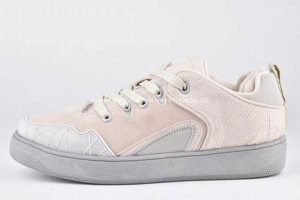
Footwear severely damaged from skateboarding activities, often exhibiting tears, abrasions, and detachment of components, represents a common sight within skate culture. Examples include shoes with ripped canvas, worn-down soles exhibiting minimal tread, and separated side panels, all resulting from repeated contact with abrasive surfaces and forceful impacts. The extent of the degradation can range from cosmetic wear to structural failure rendering the footwear unusable.
The prevalence of worn skateboarding footwear carries significance beyond mere aesthetic concerns. These damaged items often tell a story of dedication, skill development, and persistent engagement in the sport. Historically, heavily used shoes served as a visual badge of honor within skateboarding communities, signifying commitment and experience. Furthermore, creative repurposing of this discarded gear, such as artwork or upcycling projects, highlights a sustainable ethos and challenges conventional consumption patterns.
The subsequent sections will examine various aspects of heavily worn skate shoes, including the factors contributing to their rapid deterioration, techniques for extending their lifespan, and the cultural interpretations associated with their appearance and ultimate disposal or reuse.
Extending the Lifespan of Skateboarding Footwear
The following guidelines outline strategies to mitigate wear and maximize the functional duration of skateboarding shoes. Implementing these measures can significantly reduce the frequency of replacement and optimize performance.
Tip 1: Reinforce High-Wear Areas: Application of durable adhesives, such as shoe goo or similar products, to areas prone to abrasion typically the ollie patch and toe region can provide a protective barrier. This preventative measure minimizes material loss from repetitive friction.
Tip 2: Utilize Shoe Shields or Toe Caps: External protectors made of rubber or plastic can be affixed to the shoe’s forefoot, absorbing impact and abrasion that would otherwise degrade the upper material. These shields extend the lifespan of the shoe’s most vulnerable area.
Tip 3: Rotate Footwear Regularly: Alternating between multiple pairs of shoes reduces the concentration of stress on any single pair. Allowing each pair to rest and dry between sessions can prevent premature material breakdown due to accumulated moisture and repeated impacts.
Tip 4: Employ Proper Lacing Techniques: Avoid overtightening laces, particularly in areas where the lace crosses over high-impact zones. This can lead to premature tearing. Consider using lace protectors or alternative lacing patterns to distribute pressure more evenly.
Tip 5: Select Durable Materials: When purchasing skateboarding shoes, prioritize models constructed with robust materials such as suede, reinforced canvas, or synthetic leather. These materials offer greater resistance to abrasion compared to standard fabrics.
Tip 6: Practice Proper Skateboarding Technique: Refinement of skateboarding technique, particularly in areas such as ollie execution and board control, minimizes unnecessary friction and impact on the footwear. Smoother movements translate to reduced wear.
Tip 7: Clean Footwear Regularly: Periodic cleaning removes abrasive dirt and debris that can accelerate material degradation. Use a soft brush and mild soap to gently clean the shoes, avoiding harsh chemicals or excessive moisture.
Adhering to these recommendations can demonstrably extend the usability of skateboarding footwear, representing a practical approach to both cost management and environmental sustainability.
The subsequent section will explore the cultural significance and artistic interpretations associated with repurposed skateboarding footwear.
1. Material Failure
Material failure constitutes a primary indicator of severely worn skateboarding footwear, directly contributing to the classification of shoes as “trashed.” This failure arises from the repetitive and forceful abrasion against concrete, asphalt, and grip tape inherent in skateboarding activities. The specific manifestations of material failure include tearing of the upper fabric, often canvas or suede, delamination of rubber components such as the sole or toe cap, and breakdown of stitching in high-stress areas. The degree of material failure dictates the shoe’s remaining functionality and its suitability for continued use. For instance, a shoe with a completely detached sole is unequivocally rendered unusable, while a minor tear in the canvas may initially be repairable, but indicates an ongoing process of degradation.
The importance of understanding material failure in the context of skateboarding footwear stems from its direct impact on performance and safety. Reduced grip due to sole abrasion compromises board control, increasing the risk of falls. Loss of structural support due to ripped uppers or broken seams can lead to ankle instability and potential injury. Furthermore, the location and type of material failure can provide insights into the skater’s style and common maneuvers. For example, wear patterns concentrated on the ollie patch (the outer side of the front foot) indicate frequent ollie execution, while evenly distributed sole wear suggests balanced foot placement and riding style. The analysis of wear patterns also reveals the type of skateboarding the user performs.
In summary, material failure is an essential component of “trashed skate shoes,” representing the tangible consequence of skateboarding’s demanding physical requirements. Recognizing the causes, types, and implications of material failure enables skateboarders to make informed decisions regarding shoe maintenance, repair, and replacement, ultimately maximizing performance and minimizing the risk of injury. This understanding also provides a unique perspective on the skater’s experience and the physical demands of the sport.
2. Sole Degradation

Sole degradation is a critical factor contributing to the classification of skateboarding footwear as “trashed.” This degradation manifests in several forms, including abrasion, delamination, and structural fracturing, all directly resulting from the intense friction and impact forces generated during skateboarding. Abrasion, the progressive wearing down of the sole’s tread, reduces grip and board feel, directly impacting a skater’s control and performance. Delamination, the separation of the sole from the shoe’s upper, compromises the structural integrity of the footwear, rendering it unstable and potentially dangerous. Structural fracturing, involving cracks and breaks within the sole itself, further exacerbates these issues. For example, shoes used extensively for street skating often exhibit significant sole abrasion in the toe and heel regions due to frequent stopping and pushing, while those used in skate parks may show localized wear from repeated grinding on ramps and ledges. Sole degradation signifies not only the physical wear and tear but also the skater’s activity and experience level.
The practical significance of understanding sole degradation extends beyond mere aesthetic considerations. Severely worn soles directly increase the risk of falls and injuries due to reduced grip and compromised stability. Recognizing the specific patterns and types of sole wear allows skaters to anticipate potential performance limitations and take proactive measures, such as replacing footwear or modifying skateboarding techniques. Furthermore, the materials used in the sole construction, typically various rubber compounds, directly influence the rate and type of degradation. Shoes with softer, more pliable soles may offer superior grip initially but tend to wear down more quickly than those with harder, more durable compounds. Therefore, skaters must consider the trade-offs between grip, durability, and performance when selecting skateboarding footwear. The sole degradation also depends of the quality of material the shoes were made.
In conclusion, sole degradation is an indispensable component of “trashed skate shoes,” reflecting the culmination of physical stress and impact inherent in skateboarding. Comprehending the mechanisms and consequences of sole degradation is crucial for enhancing skater safety, optimizing performance, and making informed decisions regarding footwear maintenance and replacement. This understanding also provides valuable insight into the skater’s activity and preferred skateboarding style, making sole wear patterns a form of physical record of the skateboarding experience.
3. Structural Integrity

Compromised structural integrity is a defining characteristic of “trashed skate shoes.” It represents the degree to which the shoe’s original construction has been weakened or broken down by the cumulative stresses of skateboarding. This loss of integrity arises from repeated impacts, abrasions, and torsional forces, leading to deformation, detachment of components, and ultimately, failure of the footwear to perform its intended function. For example, a shoe with a completely separated sole, a collapsed heel counter, or significant tearing along critical seams exhibits severe compromise of its structural integrity. The connection between structural integrity and “trashed skate shoes” is causal; the forces exerted during skateboarding directly lead to the progressive breakdown of the shoe’s structural elements. The assessment of structural integrity is crucial, as it directly influences a skater’s performance, comfort, and safety.
The practical implications of diminished structural integrity are considerable. A shoe lacking proper support can lead to ankle instability, increasing the risk of sprains and other injuries. Loss of cushioning and impact absorption can exacerbate joint stress and fatigue. Furthermore, detached components, such as loose soles or flapping uppers, can impede movement and impair board control. Skaters often compensate for these deficiencies, leading to altered gaits and inefficient energy expenditure. Therefore, recognizing the signs of compromised structural integrity, such as visible deformation or component separation, is essential for determining when a shoe has reached the end of its usable lifespan. Furthermore, the materials the shoes were made are very important, a cheap shoe is expected to lose its structural integrity very quickly, if they are construted by low quality materials and adhessives.
In summary, structural integrity is an integral component of “trashed skate shoes,” reflecting the cumulative damage sustained during skateboarding activities. Assessing structural integrity is critical for ensuring skater safety and optimizing performance. While some skaters may continue to use shoes with minor structural flaws, significant compromise represents a clear indicator that the footwear should be replaced. Understanding the relationship between skateboarding forces and structural degradation allows skaters to make informed decisions about shoe maintenance, repair, and replacement, ultimately contributing to a safer and more enjoyable skateboarding experience. Furthermore, the evaluation of materials and structure ensures the quality of a pair of shoes to be used by a skateboarder.
4. Skateboarding Style

The specific manner in which an individual engages in skateboarding exerts a profound influence on the lifespan and degradation patterns observed in their footwear. “Skateboarding Style,” encompassing trick selection, terrain preference, and riding frequency, serves as a key determinant in the ultimate condition of “trashed skate shoes.” The following facets illustrate this relationship.
- Street Skating vs. Transition Skating
Street skating, characterized by its focus on obstacles found in urban environments such as ledges, rails, and stairs, tends to produce more localized and abrasive wear patterns. Frequent ollies, kickflips, and grinds against rough concrete surfaces accelerate material degradation, particularly in the ollie patch, toe area, and sole. Transition skating, conversely, involving ramps, bowls, and halfpipes, often results in more uniform wear across the sole and upper due to the consistent contact with smooth surfaces. The different types of terrain will drastically make the shoes degrade faster.
- Aggressiveness and Trick Complexity
Skaters who perform highly technical and aggressive tricks, such as hardflips, inward heels, and complex rail maneuvers, subject their shoes to increased stress and impact forces. These maneuvers often involve forceful landings, abrupt transitions, and repeated contact with abrasive surfaces, leading to accelerated wear and tear. A skater attempting a difficult trick repeatedly will cause a lot of stress in his shoes.
- Riding Frequency and Duration
The sheer amount of time spent skateboarding directly correlates with the rate of shoe degradation. Skaters who ride daily for extended periods will inevitably wear through their shoes more quickly than those who skate less frequently. Each ollie and grind contributes to the cumulative wear and tear, accelerating the progression towards “trashed skate shoes.”
- Foot Placement and Skateboarding Technique
Individual differences in foot placement, stance, and skateboarding technique can also influence wear patterns. Skaters with a tendency to drag their feet or apply uneven pressure may experience accelerated wear in specific areas of their shoes. Refining skateboarding technique to minimize unnecessary friction and impact can help prolong the lifespan of footwear. Understanding proper technique is important because bad technique is synonym of damaging your shoes.
In summary, “Skateboarding Style” acts as a primary driver in the deterioration of skateboarding footwear. By understanding the specific demands imposed by different styles, skaters can make informed choices regarding shoe selection, maintenance, and technique, ultimately impacting the longevity of their equipment and potentially reducing the frequency with which their shoes become definitively “trashed.” The skateboarding style can increase, maintain or decrease the condition of your shoes and is very important for every skateboarder.
5. Symbolic Value

The heavily worn condition of skateboarding footwear often transcends mere functionality, acquiring a “Symbolic Value” that resonates deeply within skate culture. This value represents a complex interplay of dedication, experience, and personal narrative embodied within the physical state of “trashed skate shoes.” The following facets explore this symbolic dimension.
- Badge of Honor
Severely worn skateboarding shoes often serve as a visible testament to a skater’s commitment and perseverance. The rips, tears, and worn soles signify countless hours spent practicing and pushing personal limits. These imperfections are not viewed as signs of neglect but rather as badges of honor, representing dedication to the craft. For example, a skater known for landing difficult tricks may proudly display their heavily worn shoes, understanding that they serve as tangible proof of their skill and effort. Wearing a “trashed skate shoes” can give confidence to the user.
- Narrative Embodiment
Each abrasion, tear, and discolored area on a pair of “trashed skate shoes” can be interpreted as a marker of specific skateboarding experiences. These shoes become a physical record of challenges overcome, tricks mastered, and memories made. The shoes worn during the completion of a particularly difficult line, for instance, may hold significant sentimental value for the skater, acting as a tangible reminder of their accomplishment. Every single mark has a story, and that is why the skateboarders wear a “trashed skate shoes” with pride.
- Rejection of Consumerism
Within certain skateboarding subcultures, retaining and using “trashed skate shoes” represents a conscious rejection of mainstream consumerism and planned obsolescence. Continuing to use footwear despite its deteriorated condition can be viewed as a statement against the constant pressure to purchase new products. This perspective aligns with a DIY ethos prevalent in skateboarding, emphasizing resourcefulness and creative adaptation. Skateboarders would rather keep the “trashed skate shoes” than purchase a new ones, becaus of the history it carries.
- Community Identification
The shared understanding of the “Symbolic Value” associated with “trashed skate shoes” fosters a sense of community among skateboarders. The ability to recognize and appreciate the stories told by worn footwear creates a bond between individuals who share a common passion and understanding of the skateboarding lifestyle. Heavily worn shoes can spark conversations and connections between skaters, serving as a visual cue of shared experiences and values. Showing other skateboarders your “trashed skate shoes” means you are part of the community.
In conclusion, the “Symbolic Value” of “trashed skate shoes” extends far beyond their diminished functional capacity. They represent dedication, experience, a rejection of consumerism, and a connection to the skateboarding community. These worn items serve as tangible reminders of personal journeys, challenges overcome, and the unique culture that defines skateboarding. They are a true representation of a skateboarder.
Frequently Asked Questions
This section addresses common inquiries and misconceptions surrounding the condition and significance of severely worn skateboarding footwear.
Question 1: What constitutes “trashed skate shoes”?
The term denotes footwear exhibiting significant wear and tear resulting from skateboarding activities. This includes but is not limited to: ripped canvas, sole separation, worn-down tread, and compromised structural integrity. Functionality is often impaired to varying degrees.
Question 2: Is it safe to continue skateboarding with “trashed skate shoes”?
Safety depends on the extent of the damage. Minor wear may be acceptable, but severely compromised shoes lacking support or grip pose a significant risk of injury. Skaters should prioritize footwear that provides adequate protection and board feel.
Question 3: What factors contribute to the rapid degradation of skateboarding shoes?
Abrasive surfaces, repetitive impact forces, and specific skateboarding styles (e.g., street skating involving grinds) accelerate wear and tear. Material quality, shoe construction, and riding frequency also play significant roles.
Question 4: Can “trashed skate shoes” be repaired or repurposed?
Minor repairs, such as patching tears or re-gluing soles, are possible. However, extensive damage often renders repair impractical. Repurposing options include creating artwork, crafting keychains, or using the materials for other DIY projects.
Question 5: Do “trashed skate shoes” hold any cultural significance within skateboarding?
Yes, heavily worn shoes are often seen as a badge of honor, signifying dedication, experience, and a rejection of consumerism. They represent a tangible record of skateboarding journeys and accomplishments.
Question 6: How can the lifespan of skateboarding shoes be extended?
Reinforcing high-wear areas, utilizing shoe shields, rotating footwear, employing proper lacing techniques, and selecting durable materials contribute to increased longevity. Proper skateboarding technique and regular cleaning also help.
Key takeaways include the importance of assessing safety, understanding degradation factors, and recognizing the cultural relevance of worn skateboarding footwear.
The subsequent section explores creative reuse and upcycling initiatives involving discarded skateboarding shoes.
Conclusion
The preceding analysis has thoroughly examined “trashed skate shoes,” elucidating their multifaceted nature. From their inherent material vulnerability to the impact of skateboarding style and their surprising symbolic weight within skate culture, these items represent more than mere worn footwear. The extent of degradation, influenced by factors such as terrain, trick intensity, and individual technique, directly impacts safety and performance. Efforts to extend shoe lifespan through preventative measures and responsible riding are demonstrably worthwhile, although inevitable wear remains a testament to the demands of the sport.
As such, recognizing “trashed skate shoes” as both a consequence of physical activity and a reflection of cultural values encourages a more nuanced perspective. This understanding promotes informed decisions regarding equipment maintenance and replacement, fostering a safer and more sustainable approach to skateboarding. Further exploration into innovative recycling programs and advancements in durable shoe materials offers the potential to mitigate environmental impact and enhance the longevity of skateboarding footwear, ensuring that future generations can engage in the sport with minimized resource consumption.
![Boost Your Skate: Adidas Busenitz Skate Shoes [Pro Tested] | How to Skateboard: A Beginner's Guide to Your First Board & Tricks](https://cruzskateshop.com/wp-content/uploads/2026/05/th-282-300x200.jpg "Boost Your Skate: Adidas Busenitz Skate Shoes [Pro Tested] How to Skateboard: A Beginner's Guide to Your First Board & Tricks")