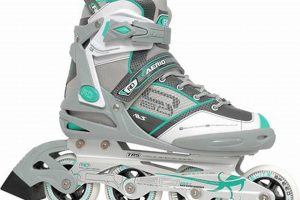
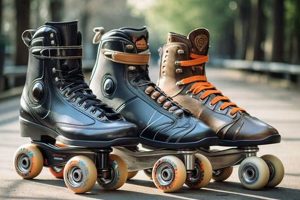
Equipment designed to mitigate injury during roller skating activities encompasses several key components. These items, typically constructed from impact-resistant materials such as hard plastics and energy-absorbing foams, shield vulnerable body parts. Examples include helmets to protect the head, wrist guards to prevent fractures and sprains, elbow pads, and knee pads.
The use of these safety provisions significantly reduces the risk and severity of injuries resulting from falls and collisions. Historically, the adoption of such measures has evolved alongside the sport itself, with advancements in materials science and design leading to more effective and comfortable protective solutions. The benefits extend beyond immediate physical safety, fostering confidence and encouraging participation in roller skating across various skill levels.
Subsequent sections will explore specific types of safeguarding equipment, detailing their features, proper fitting techniques, and maintenance requirements. Furthermore, this discussion will encompass the importance of selecting appropriate gear based on the skating environment and anticipated activity level.
Guidance on Selecting and Utilizing Roller Skate Safety Equipment
The following recommendations provide insights into choosing and effectively using equipment designed to minimize the potential for injury while roller skating. Adherence to these suggestions can contribute to a safer and more enjoyable skating experience.
Tip 1: Prioritize a Properly Fitted Helmet: Head injuries are a significant risk in roller skating. A helmet should fit snugly, covering the forehead and the back of the head, and must be certified by a recognized safety standards organization. Replace the helmet after any impact, regardless of visible damage.
Tip 2: Employ Wrist Guards Consistently: Wrist fractures and sprains are common skating injuries. Wrist guards should provide rigid support to the palm and wrist joint. Ensure the guard fits comfortably and does not restrict blood circulation.
Tip 3: Utilize Elbow and Knee Pads Appropriately: Elbow and knee pads should fit securely without restricting movement. Choose pads with durable outer shells and adequate padding to absorb impact. Regularly inspect pads for wear and tear, replacing them as needed.
Tip 4: Select Gear Designed for the Intended Activity: Different types of roller skating, such as recreational skating, aggressive skating, or speed skating, may require different types of equipment. Choose options specifically designed for the demands of the anticipated skating activity.
Tip 5: Maintain Equipment in Optimal Condition: Regularly inspect all safeguarding equipment for damage, loose straps, or worn padding. Clean equipment as needed to maintain hygiene and functionality. Replace compromised gear immediately.
Tip 6: Ensure Visibility: Consider wearing brightly colored safeguarding equipment or reflective clothing, especially when skating in low-light conditions or areas with vehicular traffic. Enhanced visibility increases safety by making the skater more noticeable to others.
Tip 7: Replace After Impact: Some items such as helmet should be replaced after it serves its purpose to protect head when fall to impact, regardless of visible damage.
In summary, consistent use of well-maintained, properly fitted safeguarding equipment is crucial for mitigating the risk of injury while roller skating. These measures offer protection and promote responsible participation in the sport.
The subsequent sections will delve into the specific characteristics of various equipment types and address advanced considerations for maximizing safety in diverse skating environments.
1. Impact Resistance
Impact resistance is a paramount characteristic of equipment designed to mitigate injury during roller skating activities. It defines the capacity of the material and construction to withstand and dissipate the force generated during a fall or collision, thereby reducing the severity of potential injuries.
- Material Composition and Energy Absorption
The materials used in equipment construction are critical to impact resistance. Hard plastics, such as polycarbonate or ABS, provide a rigid outer shell to distribute impact forces. Internal padding, typically composed of expanded polystyrene (EPS) or other energy-absorbing foams, is designed to compress upon impact, converting kinetic energy into other forms, such as heat. The effectiveness of this energy absorption directly influences the reduction of force transmitted to the body.
- Design and Structural Integrity
The design of equipment impacts its ability to withstand force. Strategically placed reinforcements and structural elements can enhance impact resistance. For example, a helmet’s shape and vent placement influence its ability to deflect or absorb impact energy. Similarly, the construction of knee and elbow pads, including the type and placement of straps, affects their ability to stay in place and provide consistent protection during a fall.
- Testing and Certification Standards
Impact resistance is objectively measured through standardized testing procedures. Organizations such as ASTM International and the Consumer Product Safety Commission (CPSC) establish performance criteria for equipment. Certification by these bodies indicates that the equipment has undergone rigorous testing and meets minimum impact resistance standards. Compliance with these standards provides consumers with assurance regarding the equipment’s ability to provide a specified level of protection.
- Degradation and Lifespan
The impact resistance of equipment can degrade over time due to factors such as repeated impacts, exposure to sunlight, and chemical degradation. Regular inspection for cracks, deformation, or deterioration of materials is essential. Replacement of equipment after a significant impact or when signs of wear are evident is crucial to maintaining adequate protection. Continued use of compromised equipment significantly increases the risk of injury.
The interconnectedness of material selection, design, testing, and maintenance governs the impact resistance of equipment. Investing in certified, well-maintained equipment engineered with impact-resistant materials is critical to minimizing the risk of injury in roller skating. The effectiveness of this protection directly correlates to the severity of injuries sustained during unforeseen events.
2. Proper Fit

The effectiveness of safeguarding equipment during roller skating is inextricably linked to proper fit. Ill-fitting gear compromises its protective capabilities, potentially leading to increased risk of injury. Optimal protection requires equipment that conforms closely to the individual’s body contours and remains securely in place during activity.
- Anatomical Conformity
Equipment must conform to the specific anatomical features of the wearer. For example, a helmet should fit snugly around the head without excessive movement, covering the forehead and the occipital bone. Knee and elbow pads must cover the joint entirely, allowing for a full range of motion without slippage. Anatomical conformity ensures that the impact forces are distributed across the intended area, maximizing the protective effect.
- Secure Fastening Systems
Straps, buckles, and closures constitute the fastening systems that maintain equipment positioning. These systems must be adjustable and capable of maintaining a secure fit throughout the duration of the skating activity. Loose or improperly adjusted straps can lead to displacement of the equipment during a fall, rendering it ineffective. Regular inspection and adjustment of these systems are crucial for maintaining proper fit.
- Size and Adjustment Considerations
Equipment sizing varies across manufacturers and models. Consulting sizing charts and, when possible, trying equipment on before purchase is essential. Adjustment mechanisms, such as adjustable straps or liners, allow for fine-tuning the fit to accommodate individual body dimensions. Failing to select the correct size or utilize adjustment features compromises the equipment’s ability to provide adequate protection.
- Dynamic Fit Maintenance
During roller skating, body movements and perspiration can alter the fit of equipment. Regularly checking and readjusting straps and closures is crucial to maintaining a secure and consistent fit. Equipment that becomes loose or displaced during activity should be immediately adjusted or replaced to ensure continued protection.
In summary, proper fit is not merely a matter of comfort; it is a fundamental determinant of the effectiveness of safeguarding equipment in roller skating. Equipment that fails to conform to anatomical contours, lacks secure fastening systems, or is improperly sized compromises the safety of the skater. Consistent attention to proper fit is a critical aspect of responsible roller skating practices.
3. Coverage Area

Coverage area, in the context of roller skate protective gear, refers to the proportion of the body adequately shielded by the equipment. It is a critical factor influencing the effectiveness of said gear in preventing or mitigating injuries. The cause-and-effect relationship is direct: inadequate coverage increases the likelihood of injury to unprotected areas during falls or collisions. The importance of this parameter lies in its ability to minimize potential harm. For instance, knee pads that only cover the front of the patella, leaving the sides exposed, offer incomplete protection against lateral impacts, a common occurrence in roller skating. Likewise, wrist guards failing to extend sufficiently along the forearm may not prevent fractures resulting from hyperextension injuries.
A practical example illustrating the significance of coverage area involves comparing different helmet designs. A traditional helmet offering limited rear coverage may not adequately protect the occipital lobe during a backward fall, a risk scenario frequently encountered by novice skaters. In contrast, helmets extending lower at the back of the head provide enhanced protection against this specific type of impact. Similarly, comprehensive elbow pads extending from the bicep to the forearm distribute impact forces over a larger surface, reducing the concentration of force on the elbow joint itself. Understanding the coverage limitations of different protective gear designs is crucial for selecting appropriate equipment tailored to the skater’s skill level and skating environment. Skaters performing aggressive maneuvers, for example, require more extensive coverage than recreational skaters.
In conclusion, coverage area is a key attribute of effective roller skate protective gear. Insufficient coverage directly correlates with increased risk of injury. Careful consideration of the area shielded by each piece of equipment, coupled with an understanding of common injury patterns, enables informed selection and use of protective gear. Challenges remain in balancing comprehensive coverage with mobility and comfort, necessitating ongoing innovation in protective gear design. Awareness of coverage area complements the broader understanding of impact resistance and proper fit, contributing to safer roller skating practices.
4. Durability
Durability is a critical attribute of safeguarding equipment utilized in roller skating. It directly influences the longevity and consistent performance of said equipment under conditions of repeated use and potential impact. The economic and safety implications of durable gear warrant careful consideration.
- Material Selection and Construction Techniques
The choice of materials and the methods by which they are assembled significantly impact the durability of protective gear. High-density plastics, reinforced stitching, and robust hardware contribute to a product’s ability to withstand wear and tear. For example, knee pads constructed with ballistic nylon and double-stitched seams demonstrate greater resilience to abrasion compared to those made with less durable materials and single-stitched seams.
- Resistance to Environmental Degradation
Exposure to sunlight, moisture, and temperature fluctuations can degrade materials used in safeguarding equipment, reducing their protective capacity. UV-resistant coatings, waterproof fabrics, and corrosion-resistant components enhance the gear’s ability to withstand environmental stressors. Helmets left in direct sunlight, for instance, may experience premature weakening of the shell material, diminishing their impact resistance.
- Impact Fatigue and Performance Degradation
Repeated impacts, even if seemingly minor, can induce fatigue in materials, leading to a gradual decline in performance. Energy-absorbing foams may compress permanently, and plastic shells may develop microfractures. Regular inspection for signs of impact fatigue, such as dents, cracks, or diminished padding thickness, is essential to identifying compromised equipment.
- Maintenance and Longevity
Proper maintenance practices, including cleaning, storage, and timely replacement of worn components, extend the lifespan of roller skating safety equipment. Neglecting these practices can accelerate material degradation and compromise the gear’s ability to provide adequate protection. Regularly cleaning dirt and debris from equipment, for example, prevents abrasion and reduces the risk of material breakdown.
The relationship between durability and roller skating protective gear underscores the importance of investing in high-quality, well-maintained equipment. While initial cost may be a factor, the long-term benefits of durable gearincluding consistent performance and reduced replacement frequencyoften outweigh the initial investment. Ultimately, durable safety gear contributes to a safer and more cost-effective roller skating experience.
5. Certified Standards

In the domain of roller skate protective gear, certified standards provide a framework for ensuring that products meet specified performance criteria, thereby enhancing user safety and mitigating potential risks associated with skating activities. These standards are developed and maintained by independent organizations to establish objective benchmarks for the quality and effectiveness of safeguarding equipment.
- Role of Standard-Setting Organizations
Organizations such as ASTM International (ASTM) and the Consumer Product Safety Commission (CPSC) play a central role in developing and administering standards for roller skate protective gear. These entities establish testing protocols, performance requirements, and labeling guidelines that manufacturers must adhere to in order to certify their products. For instance, CPSC mandates specific performance requirements for bicycle helmets, which are often adopted for roller skating helmets as well, encompassing impact attenuation and retention system integrity. ASTM standards, on the other hand, may cover a broader range of equipment, including wrist guards, knee pads, and elbow pads, specifying minimum levels of protection against abrasion, impact, and penetration.
- Testing and Certification Procedures
To achieve certification, roller skate protective gear must undergo rigorous testing to verify compliance with the relevant standards. Testing procedures typically involve subjecting equipment to simulated impact scenarios, assessing their ability to absorb energy, and evaluating the integrity of structural components. Independent testing laboratories conduct these evaluations, providing manufacturers with objective assessments of their products’ performance. Certification marks or labels, such as those issued by CPSC or bearing an ASTM designation, indicate that the equipment has successfully met the prescribed requirements.
- Scope of Certification Coverage
Certified standards may encompass various aspects of roller skate protective gear, including helmet impact attenuation, wrist guard support, knee pad abrasion resistance, and overall product durability. The scope of coverage varies depending on the specific standard and the type of equipment. For example, a helmet standard might focus primarily on impact protection, while a knee pad standard may emphasize both impact resistance and abrasion resistance. Understanding the scope of certification coverage is essential for selecting equipment that provides adequate protection for the intended skating activity.
- Impact on Consumer Safety and Liability
Certified standards contribute to consumer safety by ensuring that roller skate protective gear meets minimum performance requirements. Equipment bearing certification marks provides skaters with assurance that the product has been independently tested and verified. Furthermore, adherence to certified standards can mitigate liability risks for manufacturers and retailers in the event of injury claims. Certification demonstrates a commitment to product safety and responsible business practices.
In conclusion, certified standards play a vital role in maintaining the quality and safety of roller skate protective gear. By establishing objective performance benchmarks and providing a framework for independent testing and certification, these standards enhance consumer confidence and contribute to a safer roller skating experience. Continued vigilance in enforcing standards and promoting awareness of their importance remains essential for protecting skaters from potential injuries.
Frequently Asked Questions
The following section addresses common inquiries regarding safeguarding equipment for roller skating. These responses provide factual information to promote informed decision-making.
Question 1: What specific items are essential for adequate safeguarding during roller skating?
A comprehensive set typically includes a helmet certified by a recognized standards organization (e.g., CPSC, ASTM), wrist guards providing rigid support, and knee and elbow pads with durable outer shells and sufficient padding.
Question 2: How frequently should safeguarding equipment be replaced?
Helmets should be replaced after any impact, regardless of visible damage. All other equipment should be inspected regularly and replaced when showing signs of wear, damage, or compromised functionality. Prolonged use of damaged equipment significantly diminishes its protective capabilities.
Question 3: Are generic sporting goods sufficient for roller skating, or are specialized products necessary?
Specialized roller skating equipment is highly recommended. While generic items may offer some protection, purpose-built equipment is engineered to withstand the specific forces and impact patterns associated with skating activities.
Question 4: What certifications should be sought when purchasing safeguarding equipment?
Seek equipment certified by organizations such as the CPSC (Consumer Product Safety Commission) or ASTM International. These certifications indicate that the equipment meets established safety standards and has undergone independent testing.
Question 5: Is expensive safeguarding equipment necessarily better than less costly alternatives?
Price is not always indicative of quality. Examine certifications, material composition, construction techniques, and customer reviews to assess the effectiveness of equipment, regardless of price point.
Question 6: How does the type of roller skating activity influence equipment selection?
Different skating disciplines (e.g., recreational, aggressive, speed skating) impose varying demands on equipment. Select equipment specifically designed for the anticipated activity level and potential risks associated with that discipline.
In summary, informed selection and consistent use of appropriate safeguarding equipment are crucial for minimizing the risk of injury while roller skating. Prioritize certified products, proper fit, and regular maintenance.
Subsequent articles will discuss advanced strategies for enhancing safety in specialized skating environments.
Roller Skate Protective Gear
This exploration has underscored the critical role that roller skate protective gear plays in mitigating the risk of injury. Proper fit, impact resistance, sufficient coverage, and adherence to certified standards are paramount considerations in selecting appropriate equipment. Consistent use and diligent maintenance further enhance the protective capabilities of these essential items.
The responsible practice of roller skating demands a commitment to safeguarding oneself against potential harm. Investing in quality protective gear and consistently employing it represents a proactive measure toward injury prevention, fostering a safer environment for all participants. Prioritizing safety elevates the sport and ensures its continued enjoyment.