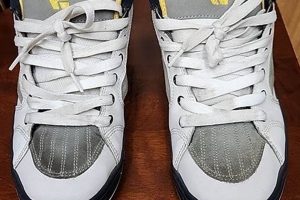
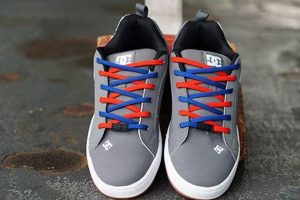
Footwear designs reminiscent of skateboarding styles from previous decades constitute a niche market. These designs often incorporate features such as reinforced stitching, durable materials like suede or canvas, and vulcanized rubber soles for enhanced grip and board feel. Examples include low-profile silhouettes with padded collars or high-top models offering increased ankle support.
The appeal of these designs stems from a combination of nostalgia, aesthetics, and performance. Many skaters appreciate the classic look and feel associated with earlier eras of the sport. Furthermore, the robust construction of these shoes often provides adequate durability for contemporary skateboarding. Their resurgence reflects a broader interest in vintage styles and a desire for footwear that blends functionality with retro sensibilities. This demand preserves the history of the skating community.
The following sections will delve deeper into the specific materials used in construction, the evolution of design trends, and the impact of these footwear choices on both performance and overall skater culture. This examination will provide a comprehensive understanding of their continuing relevance in the present day.
Guidance on Selection and Maintenance
This section offers practical guidance for individuals seeking to acquire or maintain skateboarding footwear inspired by past eras. Proper selection and care will ensure both performance and longevity.
Tip 1: Prioritize Material Quality: Examine the composition of the upper. Suede and full-grain leather offer superior abrasion resistance compared to synthetic alternatives. Canvas, while less durable, provides enhanced breathability.
Tip 2: Assess Sole Construction: Vulcanized soles are a hallmark of classic skateboarding footwear, providing excellent board feel. Ensure the bonding between the sole and upper is secure and free from defects.
Tip 3: Evaluate Stitching Reinforcement: Look for reinforced stitching in high-wear areas such as the toe cap and ollie patch. Double or triple stitching significantly enhances durability.
Tip 4: Consider Ankle Support: High-top models offer increased ankle support, beneficial for skaters prone to ankle injuries. Low-top models provide greater flexibility and freedom of movement.
Tip 5: Maintain Regular Cleaning: Clean skateboarding footwear regularly to prevent dirt and grime from degrading the materials. Use a soft brush and mild soap for optimal results.
Tip 6: Apply Protective Coatings: Consider applying a water-resistant coating to suede or leather uppers to protect against moisture damage. This will extend the lifespan of the footwear.
Tip 7: Rotate Footwear Regularly: If skateboarding frequently, alternate between multiple pairs of skateboarding footwear to allow each pair to dry and recover between sessions. This reduces wear and tear.
Following these guidelines will maximize both the performance and lifespan of skateboarding footwear. Careful consideration of material quality, construction, and maintenance procedures will ensure a satisfying skateboarding experience.
The subsequent section will address the cultural significance and ongoing evolution of skateboarding footwear within the broader skateboarding community.
1. Durability

The longevity of skateboarding footwear designs rooted in past eras is directly attributable to their construction and the materials employed. The rigorous demands of skateboarding require footwear capable of withstanding significant abrasion and impact. Early designs, lacking the advanced material science of modern iterations, relied on robust construction techniques and resilient materials to achieve acceptable lifespans. This necessitated the use of thick suede or canvas uppers, reinforced stitching in high-stress areas like the toe cap and ollie patch, and durable vulcanized rubber soles. The success of brands like Vans and Converse during skateboarding’s formative years underscores the effectiveness of these approaches. Their footwear, originally conceived for other purposes, proved remarkably well-suited to skateboarding due to its inherent durability.
The incorporation of specific design elements further enhances the resistance of these models to wear and tear. Padded collars and tongues not only improve comfort but also provide an additional layer of protection against impact. The use of multiple layers of material in key areas, such as the heel counter, reduces the likelihood of premature failure. Furthermore, the type of stitching employed significantly impacts durability. Double or triple stitching, as opposed to single stitching, creates a stronger bond between individual components, resisting separation under stress. The prevalence of these features in classic designs indicates a clear understanding of the specific challenges posed by skateboarding and a commitment to producing footwear that could endure them.
In conclusion, the relationship between the longevity of vintage-inspired skateboarding footwear and durability is undeniable. The materials and construction techniques inherent in these designs directly influence their ability to withstand the stresses of skateboarding. The understanding of the durability is practically very crucial. This understanding informs both the selection and maintenance of such footwear, allowing skaters to choose designs that meet their specific needs and to properly care for them to maximize their lifespan. This blend of inherent resilience and informed user practices underscores the enduring appeal of skateboarding footwear from past eras.
2. Aesthetics
Aesthetics play a pivotal role in the enduring appeal of skateboarding footwear reminiscent of past eras. The designs evoke a sense of nostalgia and resonate with individuals who appreciate the visual language of earlier skateboarding cultures. This aesthetic consideration extends beyond mere appearance, influencing perceptions of authenticity and connection to skateboarding history.
- Silhouette and Form
The overall shape and profile of the footwear significantly contribute to its aesthetic appeal. Low-profile designs with streamlined silhouettes, often featuring minimal branding, are characteristic of the 1970s and 1980s. Conversely, high-top models with padded collars and reinforced panels reflect the styles of the late 1980s and early 1990s. The selection of a specific silhouette directly influences the perceived era and associated skateboarding culture.
- Color Palettes and Materials
Color palettes and material choices further define the aesthetics. Earth tones, muted hues, and contrasting color combinations are prevalent in many classic designs. Suede and canvas are commonly employed, contributing to a tactile and visually appealing texture. The use of specific color combinations or materials can evoke distinct historical periods or skateboarding subcultures.
- Branding and Logos
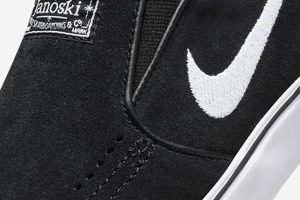
The presence, size, and style of branding elements significantly impact aesthetics. Minimalist branding, featuring small logos or subtle detailing, is characteristic of earlier designs. Larger, more prominent logos reflect later eras. The font, placement, and overall design of the logos contribute to the overall aesthetic impression and reinforce brand identity.
- Customization and Personalization
The opportunity for customization and personalization further enhances the aesthetic appeal. Skaters often modify their footwear through various techniques, including drawing, painting, or adding patches. This personalization allows skaters to express their individuality and create a unique aesthetic statement.
In summary, aesthetics are integral to understanding the lasting appeal of this type of Skateboarding footwear. Silhouette, color palettes, branding, and opportunities for customization all contribute to the overall visual impression and its association with particular eras of skateboarding. The enduring popularity reflects the enduring appeal of classic styles and their continued relevance within contemporary skateboarding culture.
3. Construction

The construction of skateboarding footwear from past eras significantly dictates performance characteristics and overall durability. Design choices implemented during manufacturing directly correlate with the ability of the footwear to withstand the stresses inherent in skateboarding. For example, the vulcanized rubber sole, a common feature in these designs, provides enhanced grip and board feel due to its flexible nature. However, the strength of the bond between the sole and the upper material is crucial. Inferior bonding can lead to premature separation, rendering the footwear unusable. Similarly, the implementation of reinforced stitching in high-wear areas such as the ollie patch or toe cap serves to mitigate abrasion damage. Absence of this reinforcement inevitably reduces the lifespan of the footwear, especially during repetitive skateboarding maneuvers.
Material selection is also integral to the overall construction and performance. Suede uppers, prized for their abrasion resistance, are often favored over less durable synthetic alternatives. The density and weave of canvas materials also influence their ability to withstand tearing and stretching. The inner lining materials, while not directly visible, contribute to both comfort and structural integrity. A well-constructed inner lining reduces friction and prevents premature wear on the foot, while also providing additional support to the upper. Practical application includes examining the stitching quality and material integrity before purchasing the footwear. Inspecting the sole bond and ensuring proper reinforcement in key areas can help assess the overall quality and durability.
In summary, the construction techniques and materials employed in skateboarding footwear reminiscent of past eras are critical determinants of their performance and longevity. Paying close attention to these construction details allows skaters to make informed decisions, selecting footwear that aligns with their specific needs and skating style. Understanding the construction directly relates to the practical use and lifespan of the product.
4. Performance
The enduring viability of skateboarding footwear designs from past eras hinges on their functional performance within contemporary skateboarding contexts. While aesthetics and nostalgia contribute to their appeal, the ability of these shoes to facilitate effective skateboarding remains paramount. Several key facets influence the performance characteristics of skateboarding footwear, directly impacting a skater’s experience.
- Board Feel and Control
Vulcanized soles, a defining characteristic of many skateboarding shoes from previous decades, provide exceptional board feel. The flexible nature of the rubber allows skaters to maintain a close connection with their board, facilitating precise control and responsiveness during maneuvers. The thinness of the sole, compared to cupsole constructions, enhances tactile feedback, enabling subtle adjustments and nuanced riding. Examples include the Vans Era and Authentic, both known for their exceptional board feel, which is a critical factor for technical skaters performing intricate tricks.
- Grip and Traction
The outsole pattern and rubber compound dictate the level of grip and traction provided by skateboarding footwear. Herringbone patterns, waffle patterns, and variations thereof are commonly employed to maximize surface contact and prevent slippage. The composition of the rubber compound influences its coefficient of friction, directly affecting the ability of the shoe to adhere to the skateboard’s grip tape. High-quality rubber compounds, such as those used by established brands like Converse and Adidas, offer superior grip performance compared to cheaper alternatives. The importance of effective grip is evident in scenarios such as landing ollies or executing sharp turns, where secure footing is essential.
- Impact Absorption and Support
While generally not as advanced as modern skateboarding shoes, vintage-inspired models offer a degree of impact absorption and support. Padded collars and tongues provide cushioning and ankle support, mitigating the risk of injuries during landings. The insole material also contributes to impact absorption, reducing stress on the feet and joints. High-top designs, popular in the late 1980s and early 1990s, offer greater ankle stability compared to low-profile models. Though lacking the advanced cushioning technologies found in contemporary designs, the inherent construction of these models provides a degree of protection suitable for many skaters.
- Durability and Protection
The materials and construction techniques employed in skateboarding footwear directly influence their durability and protective capabilities. Suede uppers, reinforced stitching, and durable rubber soles contribute to the ability of the shoes to withstand abrasion and impact. The toe cap, often reinforced with an additional layer of material, protects the toes from damage during ollies and other tricks. The thickness of the upper material influences its resistance to tearing and puncture. While modern skateboarding shoes may incorporate advanced protective features, the robust construction of vintage-inspired models offers adequate protection for most skateboarding activities.
In conclusion, performance remains a critical factor in evaluating skateboarding footwear designs from past eras. While aesthetics and nostalgia play a role, the ability of these shoes to provide adequate board feel, grip, impact absorption, and durability determines their continued viability within the skateboarding community. The examples above illustrate the practical implications of these performance characteristics, highlighting their importance for skaters of all skill levels. The balance between retro aesthetics and modern performance expectations continues to shape the design and evolution of this type of skateboarding footwear.
5. Materials
The selection of materials is paramount in defining both the aesthetic and functional characteristics of skateboarding footwear reminiscent of past eras. The properties inherent in these materials directly influence the durability, comfort, and performance of the shoes. For example, the widespread use of suede in the uppers of many designs is directly attributable to its abrasion resistance. This resistance is crucial for withstanding the repetitive friction encountered during skateboarding maneuvers such as ollies and kickflips. Canvas, another common material, offers breathability and a lightweight feel, contributing to overall comfort. The combination of suede in high-wear areas and canvas in less stressed sections represents a strategic material selection aimed at maximizing both durability and comfort.
The sole construction also relies heavily on specific materials. Vulcanized rubber, a hallmark of this footwear type, provides exceptional grip and board feel. The vulcanization process, which involves bonding rubber to fabric under heat and pressure, creates a durable and flexible sole unit. Different rubber compounds exhibit varying degrees of grip and wear resistance. The choice of rubber compound, therefore, directly impacts the shoe’s ability to adhere to the skateboard’s grip tape and withstand prolonged use. Consider the difference between a shoe with a high-quality rubber compound and one with a cheaper alternative; the former will offer superior grip and last significantly longer, particularly under demanding skateboarding conditions.
The connection between materials and the overall quality of skateboarding footwear is undeniable. The careful selection and application of specific materials are fundamental to the performance, durability, and aesthetic appeal of these shoes. Understanding these material properties enables informed purchasing decisions and proper maintenance, ultimately extending the lifespan and enhancing the skateboarding experience. The enduring popularity of these designs underscores the importance of material selection in achieving a balance between style, function, and longevity.
6. Comfort
The subjective sensation of comfort within skateboarding footwear directly influences a skater’s ability to perform effectively and endure prolonged sessions. The design characteristics inherent in models inspired by past eras present unique considerations regarding comfort, distinct from contemporary designs emphasizing advanced cushioning technologies.
- Insole Composition and Support
The insole material provides cushioning and arch support, mitigating foot fatigue during repetitive impacts. Early designs often featured simple, flat insoles composed of basic foam or felt. Contemporary iterations of these models may incorporate upgraded insoles with enhanced cushioning or anatomical support to improve comfort without compromising the classic aesthetic. The type of insole directly impacts the perceived comfort level during extended use.
- Upper Material Flexibility and Breathability
The flexibility of the upper material influences the range of motion and reduces friction points that can cause discomfort. Stiff leather uppers may require a break-in period to conform to the foot, whereas canvas uppers offer greater initial flexibility. Breathability, also determined by the upper material, regulates foot temperature and moisture levels, preventing overheating and discomfort. Adequate ventilation is crucial for maintaining comfort during intense physical activity.
- Internal Padding and Collar Support
Internal padding around the ankle collar and tongue provides cushioning and reduces pressure points. The thickness and density of this padding contribute to overall comfort and stability. Insufficient padding can lead to rubbing and irritation, particularly during aggressive skating maneuvers. The design and placement of internal padding are critical for optimizing both comfort and support.
- Weight and Overall Fit
The weight of the footwear affects the level of exertion required during skateboarding. Lighter designs reduce fatigue and enhance agility. Proper fit is essential for preventing slippage and ensuring adequate support. Ill-fitting footwear can lead to blisters, arch pain, and other discomforts that detract from the skateboarding experience. Careful attention to sizing and fit is crucial for maximizing comfort and performance.
The interplay between these factors determines the overall comfort level experienced within footwear of this design. Skaters often balance the desire for a classic aesthetic with the need for adequate comfort, selecting models that strike a compromise between vintage design and contemporary ergonomic considerations. The perception of comfort is subjective and influenced by individual preferences and skating style. The implementation of modern materials and construction techniques within these vintage designs, such as Ortholite insoles, has significantly enhanced the comfort.
7. Nostalgia

The enduring appeal of skateboarding footwear designs from past eras is inextricably linked to nostalgia. These footwear styles serve as tangible connections to earlier periods of skateboarding culture, evoking memories and a sense of belonging for individuals who experienced those eras firsthand. The resurgence of these designs represents more than a mere fashion trend; it reflects a deeper cultural phenomenon where individuals seek to reconnect with formative experiences and a perceived simpler time. The specific designs often evoke distinct periods and associated skateboarding subcultures. The Vans Era, for example, is associated with the early days of skateboarding in Southern California, while the Adidas Superstar became synonymous with the burgeoning street skating scene of the 1980s. Wearing these models provides a visible expression of affiliation and appreciation for skateboarding’s history.
The importance of nostalgia in this context extends beyond personal sentimentality. These footwear styles also serve as a bridge between generations of skaters. Younger skaters, who did not experience these eras directly, may be drawn to these designs as a way to connect with the history and heritage of the sport. Observing older skaters wearing classic models, or encountering vintage photographs and videos, sparks an interest in the aesthetics and cultural values associated with those periods. Moreover, the designs themselves are often re-engineered with modern materials and construction techniques, blending nostalgic aesthetics with contemporary performance standards. This fusion ensures that the footwear remains functional and relevant for contemporary skateboarding while retaining its historical appeal. Brands like Nike SB and New Balance Numeric frequently release limited-edition versions of their models that subtly incorporate vintage design elements, capitalizing on the appeal.
In conclusion, nostalgia is a critical component driving the sustained popularity of skateboarding footwear designs from past eras. These shoes embody a tangible connection to skateboarding history, evoke personal memories, and foster intergenerational connections within the skating community. The ability to blend nostalgic aesthetics with modern performance ensures the continued relevance of these footwear styles. By understanding the importance of nostalgia, brands can effectively cater to both seasoned skaters seeking to reconnect with their past and younger skaters eager to engage with skateboarding’s rich heritage. The continued appeal presents challenges in maintaining authenticity while adapting to the demands of the contemporary skater.
Frequently Asked Questions
The following questions address common inquiries regarding skateboarding footwear designs inspired by previous eras. The answers provided aim to offer clear and concise information relevant to enthusiasts and prospective purchasers.
Question 1: What materials are commonly used in the construction of these designs?
Suede, canvas, and leather are frequently employed in the uppers, while vulcanized rubber is standard for the soles. Reinforced stitching is often present in high-wear areas to enhance durability.
Question 2: Are these footwear designs suitable for contemporary skateboarding?
Many models offer adequate performance characteristics for contemporary skateboarding. However, skaters seeking advanced impact protection may consider designs incorporating modern cushioning technologies.
Question 3: How can the lifespan of these footwear designs be extended?
Regular cleaning, proper storage, and the application of protective coatings can prolong the lifespan. Alternating between multiple pairs allows for adequate drying time, further minimizing wear and tear.
Question 4: What factors contribute to the comfort of this footwear type?
Insole composition, upper material breathability, and internal padding influence comfort levels. Proper fit is also essential for preventing discomfort during extended use.
Question 5: How do these footwear designs differ from modern skateboarding shoes?
While modern skateboarding shoes often prioritize advanced impact absorption and lightweight construction, the designs emphasize board feel, classic aesthetics, and durable construction. Modern models use more advanced materials.
Question 6: Where can skateboarding footwear with vintage-inspired design be purchased?
Specialty skateboarding retailers, online marketplaces, and select footwear brands offer these models. Availability may vary depending on specific designs and regional distribution.
In summary, these answers provide concise information on common questions regarding this specialized type of skateboarding footwear. Understanding these points is crucial for making informed decisions.
The following section will summarize and conclude, drawing on all sections of this article.
Retro Skate Shoes
This exploration has elucidated various facets of the topic, emphasizing their enduring appeal, functional attributes, and historical significance. The designs have been examined through the lens of durability, aesthetics, construction, performance, materials, comfort, and nostalgia, revealing a complex interplay of factors that contribute to their sustained popularity within the skateboarding community. These shoes are not simply footwear; they embody a connection to the past, a functional tool, and a statement of cultural affiliation. From design to performance and history, many aspects of this category of shoes are explored.
The continued relevance of these designs hinges on maintaining a balance between honoring the past and adapting to the demands of the present. As the skateboarding landscape evolves, so too must the interpretation and implementation of designs, ensuring that they remain both authentic to their origins and functional for contemporary skaters. The designs serve as a reminder of the sport’s heritage and invite continued exploration and appreciation of its rich history.