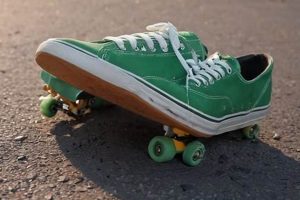
Footwear designed for skateboarding prioritizes durability, grip, and board feel. These shoes often incorporate reinforced materials in high-wear areas and feature a flat, vulcanized rubber sole for enhanced traction. Aesthetics also play a significant role, with designs ranging from minimalist to bold, catering to individual style preferences within the skateboarding community. As an example, imagine the difference between a sneaker made for running, versus one made for skating. Each is designed with performance and aesthetics for their respective field.
The selection of appropriate footwear can significantly impact a skater’s performance and safety. Durable construction extends the lifespan of the shoe, mitigating the need for frequent replacements. Optimal grip ensures control and stability while executing tricks. A connection to skateboarding culture is often embodied in the design, offering a sense of belonging and self-expression. Historically, shoe design has evolved alongside skateboarding, with manufacturers responding to the evolving needs and preferences of skaters.
A deeper investigation into the defining attributes, historical influence, and contemporary trends of skateboarding footwear reveals the nuanced elements that contribute to the popularity and functionality of these essential items. Factors such as construction techniques, material choices, and design aesthetics will be further discussed.
Selecting appropriate skateboarding footwear necessitates careful consideration. Factors influencing longevity, performance, and style are critical to making an informed decision.
Tip 1: Prioritize Durable Construction: Look for reinforced stitching, particularly in areas prone to abrasion, such as the ollie zone. Suede or leather uppers generally offer greater resistance to wear and tear than canvas.
Tip 2: Evaluate Sole Construction: Vulcanized soles provide optimal board feel and grip. Consider cupsole designs for increased impact protection, especially for skaters engaging in high-impact tricks.
Tip 3: Assess Ankle Support: High-top designs offer enhanced ankle support, which can be beneficial for beginners or skaters prone to ankle injuries. Low-top designs provide greater freedom of movement.
Tip 4: Consider Material Properties: Select materials based on skateboarding environment. Leather offers superior durability and resistance to wear but isn’t breathable, while canvas offers the opposite effect.
Tip 5: Evaluate Cushioning: Insoles provide cushioning and impact absorption. Experiment with different insole types to determine the level of support and comfort that best suits individual preferences.
Tip 6: Check the Tread Pattern: The tread pattern on the sole influences grip. Herringbone or waffle patterns are common and effective, but consider the depth and spacing of the pattern based on skating style and terrain.
Tip 7: Consider the Weight: A lighter shoe can improve board feel and maneuverability. However, prioritize durability and support over weight, especially for demanding skating styles.
By prioritizing durability, grip, and support, individuals can select skateboarding footwear that enhances performance, minimizes the risk of injury, and reflects personal style.
The subsequent sections will explore the technological innovations and evolving design trends that continue to shape the landscape of skateboarding footwear.
1. Design

Design, in the context of skateboarding footwear, extends beyond mere aesthetics. It is a critical element that significantly impacts both the perceived value and functional performance. Design considerations encompass a range of factors, from color schemes and material selection to the overall silhouette of the shoe.
- Aesthetic Appeal
Visual aesthetics play a crucial role in the initial attraction of skateboarding shoes. Color palettes, graphic elements, and branding contribute to the overall appeal. Skate shoe designs often reflect current fashion trends or subcultural aesthetics, influencing purchase decisions. For example, a minimalist design with muted colors may appeal to skaters favoring a subtle style, while a shoe with bold graphics and vibrant colors can express individuality. The aesthetic element impacts its cultural appeal, a key component of what makes it “cool”.
- Silhouette and Form
The overall shape and structure of a skateboarding shoe contribute to its distinct identity. Low-top, mid-top, and high-top silhouettes offer varying degrees of ankle support and flexibility. The form factor also influences the shoe’s compatibility with different skateboarding styles. For instance, low-profile shoes often provide enhanced board feel, while high-tops offer additional protection during aggressive maneuvers. The shoe silhouette is a key design component that adds a distinct look to its user, increasing its attractiveness.
- Material Integration
Material choices are integral to the design, influencing both the visual appearance and functional properties. Suede, leather, canvas, and synthetic materials each offer unique textures, durability characteristics, and aesthetic qualities. Material selection can be strategically employed to highlight specific design elements, such as reinforcing high-wear areas or creating visual contrast. For example, using suede on the ollie patch not only enhances durability but also adds a distinct textural element to the design. Good integration of materials to make them stand out is an art in itself.
- Branding and Logo Placement
Brand logos and identifiers are often strategically incorporated into the design of skateboarding shoes. Logo placement, size, and style can significantly impact the perceived value and brand recognition. Subtle logo integration can convey a sense of understated quality, while prominent branding can signal affiliation with a specific skateboarding subculture or team. For example, the placement and design of a brand’s iconic stripe or symbol can instantly identify the shoe and associate it with a particular image or reputation. It is the cherry on top in terms of shoe-design.
In summation, the design of skateboarding footwear is a carefully considered blend of aesthetic appeal, functional requirements, and brand identity. Each design facet contributes to the overall desirability and influences the perceived value, solidifying the central link between aesthetics and skateboarding culture.
2. Durability
The inherent relationship between durability and skateboarding footwear stems from the sport’s demanding nature. Skateboarding subjects shoes to extreme abrasion, impact, and repetitive stress. Consequently, the perceived value and desirability, often influencing whether a shoe is deemed among the “coolest,” are intrinsically linked to its ability to withstand these rigors. Shoes that quickly succumb to wear and tear diminish in appeal, regardless of their aesthetic qualities.
Durable construction materials and techniques directly affect the lifespan of skateboarding shoes. Reinforced stitching, particularly in high-wear areas such as the ollie patch and toe box, mitigates premature failure. The utilization of abrasion-resistant materials, such as suede or reinforced canvas, further enhances longevity. A well-constructed shoe not only saves the skater money in the long run, but also contributes to the shoe’s “coolness” factor by demonstrating a commitment to quality and performance. One example is how brands such as Vans and Emerica have consistently utilized durable materials and construction in their most popular shoe models, thus making them popular and iconic among skaters.
Therefore, durability is not merely a practical consideration but a fundamental aspect of a skateboarding shoe’s perceived value and overall appeal. Shoes that offer a balance of style and resilience are more likely to be embraced by skaters and considered among the “coolest.” The challenges in achieving optimal durability lie in balancing material stiffness with flexibility and comfort. However, brands that prioritize durable construction methods are more likely to resonate with the skateboarding community.
3. Grip

The performance and safety of skateboarding are directly proportional to the grip provided by the footwear. A shoe’s ability to adhere to the skateboard deck facilitates control, enabling complex maneuvers and preventing slippage. Footwear lacking sufficient grip compromises stability and increases the risk of injury, thereby negating any perceived aesthetic appeal. Consequently, shoes lacking sufficient grip cannot achieve the label of “coolest skate shoes,” regardless of other attributes. Several factors contribute to the grip of skateboarding shoes, including sole material, tread pattern, and overall sole flexibility. Vulcanized rubber is the industry standard, providing a high coefficient of friction with the skateboard deck. The tread pattern, often a herringbone or waffle design, enhances grip by increasing surface area contact. Sole flexibility allows the shoe to conform to the concave shape of the board, further improving adhesion. Without reliable grip, maneuvers are impossible.
Examples of iconic skateboarding shoes, such as the Vans Era and the Adidas Samba ADV, consistently feature high-quality vulcanized rubber soles with effective tread patterns. These shoes have maintained their popularity within the skateboarding community due in part to their unwavering grip performance. Skaters rely on these characteristics for predictable board feel and responsiveness. The design of these grip patterns are constantly being studied and improved. A direct cause-and-effect relationship exists: Enhanced grip directly translates to improved skateboarding performance. This relationship underscores the practical importance of understanding the factors that contribute to effective grip. Skaters prioritize grip as a primary functional requirement, influencing purchasing decisions and brand loyalty.
In summary, grip is a non-negotiable attribute of any skateboarding shoe aspiring to the designation of “coolest skate shoes.” The interplay between sole material, tread pattern, and flexibility dictates the level of control and safety a skater experiences. The enduring popularity of classic skateboarding shoes serves as a testament to the importance of grip. Challenges in optimizing grip involve balancing traction with durability and board feel. Footwear brands that prioritize grip technology are more likely to resonate positively with the skateboarding community, contributing to brand loyalty and market success, demonstrating its integral role to safety, performance, and perceived style.
4. Comfort
Comfort, while often perceived as secondary to aesthetics and performance in skateboarding footwear, significantly influences a skater’s overall experience. Prolonged discomfort can detract from focus, impede performance, and ultimately diminish the enjoyment of skateboarding. The pursuit of “coolest skate shoes” should not negate the importance of ergonomic design and materials conducive to extended wear. Consideration of comfort is paramount to achieving a balanced and satisfying skateboarding experience.
- Insole Cushioning
Insole cushioning serves as a primary determinant of comfort. Insoles mitigate impact forces generated during landings and provide support for the arch of the foot. High-density foam or gel-based insoles offer enhanced shock absorption and reduce fatigue. For instance, skaters engaging in high-impact tricks often benefit from thicker, more supportive insoles. Inadequate cushioning can lead to discomfort and increase the risk of foot injuries. Therefore, the quality and design of the insole play a critical role in the overall comfort and usability of skateboarding shoes.
- Internal Padding
Internal padding around the collar and tongue of a skateboarding shoe contributes to a secure and comfortable fit. Padding reduces friction and prevents chafing, particularly during prolonged periods of activity. Adequate padding can also enhance ankle support and stability. Thin or poorly placed padding can result in discomfort and irritation. The strategic placement and density of internal padding are essential design elements that contribute to the overall comfort and wearability of skateboarding footwear. Proper padding prevents blistering and irritation.
- Breathability
Breathability is crucial for maintaining foot temperature and preventing excessive moisture buildup. Skateboarding generates heat, and poorly ventilated shoes can become uncomfortable and promote the growth of bacteria. Materials such as breathable mesh or perforated leather enhance airflow and wick away moisture. Shoes with limited breathability can lead to discomfort, odor, and an increased risk of skin irritation. Prioritizing breathability contributes to a more comfortable and hygienic skateboarding experience. Mesh linings that allow airflow are usually used for increasing the breathability of a shoe.
- Flexibility
Flexibility in the sole and upper of a skateboarding shoe allows for natural foot movement and enhances board feel. Excessive stiffness can restrict movement and lead to discomfort. Conversely, insufficient structure can compromise support and stability. A balance between flexibility and support is crucial for optimal comfort and performance. Shoes that conform to the foot’s natural shape and allow for unrestricted movement contribute to a more comfortable and responsive skateboarding experience.
In conclusion, comfort is an indispensable attribute of skateboarding footwear that significantly impacts the overall skating experience. While aesthetics and performance remain critical considerations, neglecting comfort can detract from the joy and longevity of skateboarding. The “coolest skate shoes” should therefore offer a harmonious blend of style, performance, and ergonomic design, ensuring that skaters can pursue their passion without compromising on comfort. The interplay between these factors ultimately determines the perceived value and desirability of skateboarding footwear.
5. Innovation

Innovation serves as a pivotal component in the evolution of skateboarding footwear, directly influencing performance, durability, and aesthetic appeal. The integration of new technologies and materials leads to enhanced functionality and often dictates which shoes are perceived as the “coolest.” Cause and effect are readily apparent: novel features designed to improve a skater’s experience result in increased demand and heightened status within the skateboarding community. The absence of innovation often relegates footwear to obsolescence. Real-life examples, such as the introduction of impact-absorbing insoles or vulcanized construction techniques, demonstrate how advancements can fundamentally alter the landscape of skateboarding footwear. The practical significance of understanding this connection lies in recognizing that progress is not merely cosmetic; it’s intrinsically linked to the progression of the sport itself.
Further analysis reveals that innovation in skateboarding footwear extends beyond purely functional improvements. The incorporation of sustainable materials, the development of customizable designs, and the integration of smart technology contribute to a broader appeal, attracting skaters who prioritize environmental consciousness, self-expression, or data-driven performance analysis. For instance, brands exploring recycled rubber compounds for soles not only reduce environmental impact but also align with a growing consumer awareness, enhancing brand image and driving sales. Similarly, shoes equipped with sensors that track jump height or foot pressure offer insights into technique, appealing to skaters seeking to optimize their performance through quantifiable data. These examples demonstrate how innovation caters to diverse needs and values within the skateboarding community.
In conclusion, innovation is not merely an optional feature, but an essential driver in the creation of “coolest skate shoes.” It fosters progress in performance, sustainability, and personalization, adapting to the evolving demands of the skateboarding community. While challenges exist in balancing cutting-edge technology with affordability and maintaining brand authenticity, the brands that successfully embrace innovation are more likely to secure a lasting place in skateboarding culture. This underscores the interconnectedness between technological advancement, consumer preferences, and the enduring appeal of skateboarding footwear.
6. Brand

Brand recognition serves as a significant heuristic in the assessment of skateboarding footwear, influencing perceptions of quality, performance, and cultural relevance. Established brands often possess a legacy of innovation and a demonstrated commitment to the skateboarding community, translating to an implicit endorsement of their products. The association between a particular brand and skateboarding culture creates a symbolic link, influencing a skater’s perceived identity and contributing to the notion of “coolest skate shoes.” For example, brands like Vans, with their long history of supporting skateboarding and producing iconic shoe models, benefit from a deeply ingrained cultural connection. The cause is straightforward: brand reputation influences perception, which in turn affects desirability.
Further analysis reveals that brand loyalty in skateboarding extends beyond mere recognition. It involves a complex interplay of factors, including skater testimonials, professional endorsements, and consistent product performance. Skaters often align themselves with brands that reflect their personal style and values, viewing their choice of footwear as an expression of identity. A brand’s marketing strategies, its involvement in skateboarding events, and its support of professional skaters all contribute to its perceived authenticity and credibility. For instance, a brand that actively sponsors skateboarding competitions and collaborates with influential skaters gains greater visibility and earns the trust of the skateboarding community. It enhances the skater’s community association. The result is a strengthened brand image and increased desirability among skateboarders, increasing the likelihood of a shoe model from the brand being deemed as the “coolest.”
In conclusion, brand reputation exerts a powerful influence on the perception and desirability of skateboarding footwear. While product performance and design remain critical, brand recognition acts as a potent symbol of quality, authenticity, and cultural connection. Challenges exist in maintaining brand relevance and authenticity in a rapidly evolving market, but brands that consistently prioritize innovation, support the skateboarding community, and cultivate a strong brand identity are more likely to achieve enduring success. This brand image is often a key component in what defines the “coolest skate shoes,” serving as a symbol of style and performance within skateboarding culture.
Frequently Asked Questions
This section addresses common inquiries regarding the selection, maintenance, and cultural significance of footwear often associated with skateboarding. The answers provided are designed to offer clarity and insight into this specialized category of athletic shoes.
Question 1: What design characteristics contribute to a skateboarding shoe being perceived as “cool”?
Design aesthetics contributing to the positive perception often include a streamlined silhouette, strategic color blocking, and subtle branding. Collaborative designs with prominent skaters or artists can also enhance the perceived value and cultural relevance.
Question 2: How does the durability of a skateboarding shoe affect its overall value?
Enhanced durability directly correlates with extended lifespan and reduced replacement frequency. Features like reinforced stitching, abrasion-resistant materials, and robust sole construction contribute to a skateboarding shoe’s long-term value proposition.
Question 3: What role does sole grip play in the functionality of skateboarding shoes?
Optimal sole grip is paramount for board control and skater safety. Vulcanized rubber soles with a pronounced tread pattern (e.g., herringbone or waffle) provide the necessary traction for performing tricks and navigating various terrains.
Question 4: Is comfort a significant factor in selecting skateboarding shoes?
While often overlooked, comfort is crucial for extended skateboarding sessions. Adequate insole cushioning, internal padding, and breathable materials contribute to reduced foot fatigue and an improved overall skating experience.
Question 5: How does technological innovation influence the appeal of skateboarding footwear?
The incorporation of new technologies, such as impact-absorbing midsoles, enhanced support systems, or sustainable materials, demonstrates a commitment to progress and can significantly elevate a skateboarding shoe’s desirability.
Question 6: How does brand recognition impact the selection of skateboarding shoes?
Established brands with a long history of supporting skateboarding often command a premium and enjoy greater consumer trust. Brand loyalty stems from a combination of proven product quality, authentic marketing, and active involvement in the skateboarding community.
The presented information is intended to foster a deeper understanding of the factors that contribute to the perception and value of footwear in the skateboarding context.
The subsequent section will explore the historical evolution and cultural significance of skateboarding footwear design.
Defining the Coolest Skate Shoes
This exploration has dissected the multifaceted attributes that contribute to the perceived desirability and functional effectiveness of the footwear central to skateboarding culture. Design, durability, grip, comfort, innovation, and brand recognition are all pivotal factors, each influencing a skater’s choice and contributing to the cultural phenomenon of sought-after skateboarding shoes. The interplay between these elements dictates the overall assessment of a given shoe’s merit within the skateboarding community.
The pursuit of the “coolest skate shoes” transcends mere consumerism, instead reflecting a deeper engagement with skateboarding culture and a commitment to both performance and personal expression. Skaters are encouraged to consider the aforementioned factors in conjunction with individual needs and preferences, selecting footwear that not only enhances their capabilities but also resonates with their personal identity and values within the skateboarding community. The continuing evolution of shoe technology and design underscores the dynamic nature of this specialized sector of athletic footwear, promising sustained advancement in the pursuit of enhanced performance and authentic self-expression.