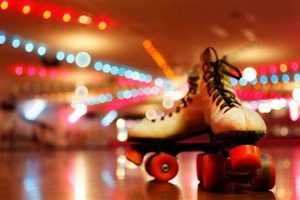
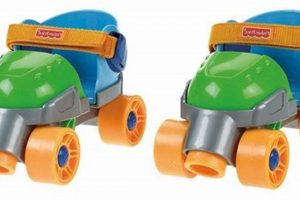
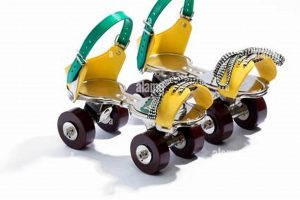
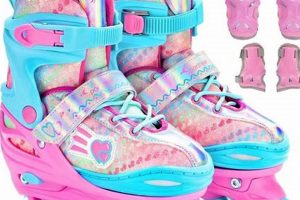
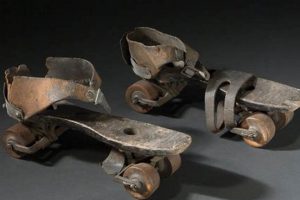
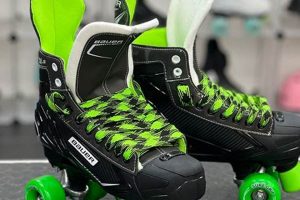
These adaptable wheeled boots offer the unique ability to switch between roller skating and walking. Typically, a mechanism allows the wheels to be retracted into the sole of the boot, effectively converting them into regular footwear. An example would be a recreational skate designed for both indoor rink skating and outdoor sidewalk use, easily adjusted for walking convenience.
The appeal of this footwear lies in its practicality and versatility. Historically, the concept addresses the inconvenience of carrying separate shoes while skating. The integrated design provides convenience and mobility, eliminating the need to remove the skates completely when transitioning to pedestrian environments. This adds value for users who desire a seamless experience moving between skating and walking activities.
The following sections will delve into the various types, mechanisms, advantages, and considerations relevant to this type of footwear. Specific design features, maintenance tips, and target user groups will also be examined.
Convertible Roller Skates
The following guidelines are designed to optimize the performance and longevity of convertible roller skates. Adhering to these recommendations enhances user experience and promotes safe operation.
Tip 1: Pre-Skate Inspection: Prior to each use, thoroughly inspect the locking mechanism and wheel deployment system. Ensure all components are secure and functioning correctly to prevent unintended wheel retraction or deployment during use. A loose locking mechanism can cause a fall or accident.
Tip 2: Surface Selection: Exercise caution when choosing skating surfaces. Avoid uneven, cracked, or debris-laden areas. These conditions can damage the wheels and compromise stability, potentially leading to injury. Smooth, paved surfaces are ideal.
Tip 3: Proper Locking Engagement: When converting between skating and walking modes, confirm that the locking mechanism is fully engaged. Audible clicks or visual indicators often confirm secure engagement. Failure to fully engage the lock can result in unexpected wheel movement.
Tip 4: Regular Cleaning: After each use, clean the wheels and surrounding areas to remove dirt, debris, and moisture. Use a soft brush or damp cloth. Accumulated grime can impede wheel rotation and degrade performance.
Tip 5: Wheel Maintenance: Periodically inspect the wheels for wear and tear. Replace worn or damaged wheels promptly to maintain optimal grip and stability. Neglecting wheel replacement can affect braking and maneuverability.
Tip 6: Secure Fastening: Ensure the skate closures (laces, buckles, straps) are securely fastened before initiating skating activities. Loose closures can compromise ankle support and control, increasing the risk of falls. A snug fit is essential for stability.
Tip 7: Gradual Transition: When learning to use convertible skates, begin in a controlled environment. Practice transitioning between skating and walking modes in a safe, open area. This facilitates familiarity with the mechanism and promotes confidence.
These tips provide a foundation for safe and effective operation of convertible roller skates. Consistent adherence to these guidelines can extend the life of the skates and improve the overall skating experience.
The subsequent section will address advanced techniques and customization options for these adaptable skates.
1. Mechanism Complexity
The intricacy of the wheel retraction and deployment mechanism directly influences the durability, reliability, and user-friendliness of convertible roller skates. A complex mechanism, involving multiple moving parts, increases the potential for mechanical failure, particularly under stress or in harsh environmental conditions. For example, a skate utilizing a spring-loaded, multi-linkage system for wheel retraction may offer smoother operation initially but is inherently more susceptible to breakage or jamming compared to a simpler, manually operated lever system. The cause-and-effect relationship is clear: greater mechanism complexity correlates with a higher risk of malfunction, increased manufacturing costs, and potentially more frequent maintenance requirements.
Conversely, a simpler mechanism, while potentially less refined in operation, often proves more robust and easier to maintain. Consider a skate where wheels are retracted and locked manually using a basic sliding latch. Such a design minimizes the number of components prone to failure, resulting in a longer operational lifespan and reduced need for specialized repairs. This trade-off between operational sophistication and mechanical simplicity is a critical design consideration. The practical significance lies in the balance between user convenience a smooth, effortless conversion and long-term reliability a robust mechanism that withstands repeated use.
Therefore, understanding the mechanism complexity is essential when evaluating convertible roller skates. While advanced mechanisms may offer enhanced ease of use, their potential for failure necessitates careful consideration of material quality, manufacturing precision, and overall design robustness. The optimal balance between complexity and reliability depends on the intended use case, user skill level, and acceptable maintenance burden. The challenge lies in designing mechanisms that provide a satisfactory level of operational refinement without sacrificing long-term durability, thereby ensuring a positive user experience and extending the product’s lifespan.
2. Wheel Retraction

Wheel retraction is a defining characteristic of convertible roller skates, enabling their dual functionality as both skates and conventional footwear. This feature dictates the practicality and convenience associated with this type of footwear.
- Mechanical Implementation
Wheel retraction is achieved through various mechanical systems integrated into the skate’s chassis. These systems can range from simple manual levers and locking mechanisms to more complex spring-loaded or motorized configurations. The specific implementation directly affects the ease and speed of conversion, as well as the overall durability of the skates. For example, a robust lever system provides a tactile and reliable conversion, while a motorized system offers push-button convenience but introduces greater complexity and potential failure points.
- Wheel Concealment
Effective wheel retraction requires complete or near-complete concealment of the wheels within the sole of the skate. The extent of concealment impacts walking comfort and ground clearance. Some designs prioritize a flush, streamlined appearance when the wheels are retracted, maximizing walkability. Others may leave a portion of the wheel exposed, potentially hindering natural gait and increasing the risk of snagging on uneven surfaces. The trade-off is between aesthetic integration and functional practicality.
- Locking Mechanism Security
A secure locking mechanism is paramount for both skating and walking modes. When deployed for skating, the wheels must be firmly locked in place to prevent unintended retraction, which could lead to falls. Conversely, when retracted for walking, the wheels must remain securely stowed to avoid accidental deployment. The locking mechanism’s reliability is a critical safety consideration, dictating the user’s confidence and control in both modes of operation. Examples include dual-locking systems that add redundancy and enhance overall safety.
- Impact on Skate Design
The requirements for wheel retraction significantly influence the overall design and construction of convertible roller skates. The chassis must accommodate the retracted wheels, adding bulk and potentially affecting weight distribution. Materials selection becomes crucial to balance durability, weight, and the need for internal space to house the retraction mechanism. These design constraints often necessitate compromises in skating performance compared to dedicated roller skates, prioritizing versatility over specialized functionality.
These facets of wheel retraction are intrinsically linked to the concept of convertible roller skates. The success of this footwear hinges on the seamless and reliable integration of this feature, balancing the demands of skating performance with the practicality of walking. Ultimately, the effectiveness of the wheel retraction system determines the user’s overall satisfaction and the viability of convertible roller skates as a versatile transportation and recreational option.
3. Dual Functionality
Dual functionality is the core attribute defining convertible roller skates, representing the capacity to transition between roller skating and conventional walking. This capability is achieved through specific design and engineering considerations.
- Mode Transition Mechanics
The mechanics of transitioning between skating and walking modes are fundamental. Designs incorporate various mechanisms, such as levers, buttons, or sliding systems, to engage or disengage the wheels. The efficiency and reliability of these mechanisms directly influence the practicality of the dual functionality. A poorly designed mechanism can lead to cumbersome transitions, undermining the core value proposition.
- Compromises in Performance
Dual functionality often necessitates compromises in performance within each mode. A convertible skate, optimized for both skating and walking, may not achieve the same level of performance as a dedicated roller skate or walking shoe. For example, the skate may lack the rigidity and support of a high-performance skate or the flexibility and cushioning of a specialized walking shoe. These trade-offs are inherent in the design and influence the user experience.
- Impact on Footwear Design
The requirement for dual functionality significantly affects the overall design of the footwear. The integration of retractable wheels and associated mechanisms requires a bulkier sole and potentially a heavier construction compared to conventional footwear. This can influence comfort, aesthetics, and overall usability. Designers must balance these factors to create a product that is both functional and aesthetically appealing.
- User Activity Profile
The suitability of convertible roller skates is highly dependent on the user’s intended activities. These skates may be ideal for casual recreational skating and short-distance commuting but less suitable for aggressive skating or long-distance walking. Understanding the user’s activity profile is crucial in determining whether the benefits of dual functionality outweigh the potential compromises in performance.
The interconnectedness of these facets underscores the complexities inherent in achieving effective dual functionality in roller skates. The successful integration of these considerations defines the utility and desirability of convertible roller skates within the broader market.
4. Surface Adaptability

Surface adaptability constitutes a critical design parameter for convertible roller skates, influencing functionality and safety across diverse terrains. The ability of these skates to transition effectively from smooth, paved surfaces to uneven or mildly rough terrains directly affects user experience and the practical utility of the convertible design. A lack of surface adaptability limits the versatility of the skates, restricting their use to ideal conditions and negating a primary advantage of the convertible concept.
Wheel material, size, and suspension systems are key factors influencing surface adaptability. Harder wheel materials optimized for smooth surfaces offer lower rolling resistance but provide minimal grip and shock absorption on rougher terrains. Conversely, softer materials enhance grip and shock absorption but increase rolling resistance on smooth surfaces. Wheel size affects obstacle clearance; larger wheels navigate uneven surfaces more effectively. Suspension systems, if present, further improve ride comfort and control on varied terrains. For example, a convertible skate designed primarily for indoor rink use will typically feature smaller, harder wheels lacking suspension, rendering it unsuitable for outdoor use on sidewalks or paved trails with cracks and debris.
The trade-off between surface adaptability and performance on specific surfaces is a central design challenge. Optimizing for all terrains simultaneously is impractical. The intended user and their anticipated usage scenarios must inform design choices. Skates targeting urban commuters may prioritize a balance between smooth rolling on pavement and the ability to handle occasional sidewalk imperfections. Alternatively, skates designed for recreational use may focus on maximizing comfort and control on less-than-perfect surfaces. Ultimately, surface adaptability dictates the range of environments in which convertible roller skates can be used safely and effectively, thereby defining their real-world practicality and appeal.
5. User convenience
User convenience serves as a foundational element in the design and adoption of convertible roller skates. The inherent concept centers on providing a seamless transition between skating and walking, eliminating the need to carry separate footwear. This addresses a primary inconvenience associated with traditional roller skates, where users must either remain in skates or carry shoes when transitioning to pedestrian environments. The success of a convertible skate hinges on how effectively it simplifies this transition and enhances the overall user experience. For example, a quick and reliable wheel retraction mechanism significantly contributes to user convenience, allowing effortless switching between modes. Conversely, a cumbersome or unreliable mechanism detracts from the intended benefit, potentially diminishing the appeal of the convertible design.
The level of integration between skating functionality and walking comfort also directly impacts user convenience. A well-designed convertible skate allows for a natural and comfortable walking gait when the wheels are retracted. Features such as cushioned insoles, flexible soles, and optimized weight distribution contribute to this comfort. In contrast, a design that prioritizes skating performance at the expense of walking comfort reduces user convenience. Consider the scenario of a commuter using convertible skates for short-distance travel. If the walking mode is uncomfortable or awkward, the convenience of having a single pair of footwear is significantly diminished. Therefore, balancing skating performance and walking comfort is essential for maximizing user convenience in convertible roller skates.
Ultimately, user convenience is a determining factor in the market acceptance of convertible roller skates. The degree to which these skates simplify the user’s life, whether through easy mode transitions, comfortable walking, or reduced baggage, directly impacts their perceived value. Overcoming the challenges of balancing skating performance, walking comfort, and mechanism reliability is crucial for delivering a truly convenient product. Future development efforts must continue to prioritize user-centric design, focusing on enhancing the seamless integration of skating and walking functionalities to fully realize the potential of convertible roller skates.
Frequently Asked Questions
The following questions address common concerns and misconceptions regarding convertible roller skates. The information provided aims to offer a comprehensive understanding of their functionality, limitations, and proper use.
Question 1: Are convertible roller skates suitable for aggressive skating maneuvers?
Convertible roller skates are generally not designed for aggressive skating. The structural compromises necessary to facilitate wheel retraction and walking functionality limit their ability to withstand the stresses associated with jumps, grinds, and other high-impact maneuvers. Dedicated aggressive skates offer superior support, durability, and wheel configurations optimized for such activities.
Question 2: How durable are the retraction mechanisms in convertible roller skates?
The durability of the retraction mechanism varies significantly depending on the design, materials, and manufacturing quality. Simpler, manually operated mechanisms tend to be more robust than complex, spring-loaded or motorized systems. Regular maintenance and adherence to the manufacturer’s instructions are crucial for prolonging the lifespan of the mechanism. Inspecting the mechanism for wear and tear before each use is highly recommended.
Question 3: Can convertible roller skates be used on all types of surfaces?
Convertible roller skates are best suited for smooth, paved surfaces. Uneven, cracked, or debris-laden surfaces can compromise stability, damage the wheels, and potentially damage the retraction mechanism. While some models may offer slightly improved performance on rougher surfaces, they are generally not recommended for off-road or unpaved environments.
Question 4: Are convertible roller skates comfortable for extended periods of walking?
Walking comfort in convertible roller skates can vary depending on the design and construction of the sole and insole. Models designed with ample cushioning and a flexible sole tend to be more comfortable for extended walking. However, even the most comfortable convertible skates may not provide the same level of comfort as dedicated walking shoes. Consider the intended use case and prioritize models with features that enhance walking comfort if extended walking is anticipated.
Question 5: How do convertible roller skates compare in weight to traditional roller skates?
Convertible roller skates typically weigh more than traditional roller skates due to the added weight of the retraction mechanism and the reinforced sole construction required to accommodate the retracted wheels. This increased weight can affect skating performance and potentially lead to fatigue during extended use.
Question 6: What is the recommended maintenance schedule for convertible roller skates?
Regular maintenance is crucial for maintaining the performance and longevity of convertible roller skates. This includes cleaning the wheels and surrounding areas after each use, inspecting the retraction mechanism for wear and tear, lubricating moving parts as needed, and replacing worn wheels promptly. Consult the manufacturer’s instructions for specific maintenance recommendations for a given model.
Convertible roller skates offer a unique blend of skating and walking functionality, but they also involve certain compromises and limitations. A thorough understanding of these factors is essential for making informed purchasing decisions and ensuring safe and enjoyable use.
The following section will explore specific models and brands of convertible roller skates, providing comparative analyses and user reviews.
Convertible Roller Skates
This exploration has presented a comprehensive overview of convertible roller skates, underscoring their design complexities, functional trade-offs, and potential benefits. Key aspects such as mechanism robustness, surface adaptability, and user convenience have been examined, revealing the inherent challenges in engineering footwear that effectively merges skating and walking capabilities. The analysis has illuminated the importance of understanding these factors when evaluating the suitability of convertible roller skates for specific applications.
The future of convertible roller skates hinges on continued innovation in materials science, mechanism design, and ergonomic integration. While the current generation offers a viable solution for certain niche markets, further advancements are necessary to overcome existing limitations and expand their appeal to a broader consumer base. Potential users are encouraged to carefully assess their individual needs and prioritize features that align with their intended use case, ensuring a satisfactory and safe experience.