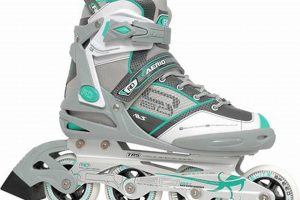
The selection of superior four-wheeled skating footwear involves careful consideration of various factors. These factors commonly include boot material, wheel composition, plate construction, and bearing quality. For example, a product featuring a high-cut leather boot, durable urethane wheels, a lightweight aluminum plate, and precision bearings would generally be considered a high-quality option within its category.
Investing in well-made recreational equipment offers several advantages. It can enhance the skating experience, improve performance, and provide greater safety. Historically, the development of such equipment reflects advancements in materials science and engineering, leading to increased comfort, maneuverability, and longevity. These advancements have contributed to the continued popularity of this form of recreation and sport.
The following sections will address critical attributes related to the selection of these items, including the significance of boot construction, the importance of wheel selection based on intended use, and the role of the plate in determining overall performance characteristics. This examination will provide a framework for evaluating and comparing available options.
Guidance for Optimal Selection
The following recommendations provide a framework for informed decision-making when acquiring high-performance four-wheeled skating footwear.
Tip 1: Boot Material Assessment: Evaluate the boot material based on its durability, support, and comfort. Leather offers excellent support and conforms to the foot over time, while synthetic materials may provide water resistance and lighter weight. Consider the intended use and environmental conditions when making this determination.
Tip 2: Wheel Durometer Selection: Wheel durometer, measured on the A scale, indicates hardness. Lower durometers (e.g., 78A) are softer, providing more grip on smooth surfaces, while higher durometers (e.g., 95A+) are harder and faster, suitable for skating rinks and polished floors. Select based on the primary skating environment.
Tip 3: Plate Material Considerations: The plate material significantly impacts weight and responsiveness. Aluminum plates offer a balance of strength and weight, while nylon plates are more affordable but less rigid. Investigate the materials composition to ensure that it aligns with your usage profile.
Tip 4: Bearing Precision Evaluation: Bearing ABEC ratings indicate manufacturing tolerances. Higher ABEC ratings (e.g., ABEC 7, ABEC 9) generally denote tighter tolerances and smoother rolling, but may not always translate to a noticeable performance difference for recreational skaters. The focus should be on the quality of the bearings rather than solely on the ABEC rating.
Tip 5: Truck Adjustability Examination: Truck adjustability allows for customization of turning sensitivity. Looser trucks provide more maneuverability but less stability, while tighter trucks offer more stability but less maneuverability. Experiment to find the optimal setting for personal preference and skill level.
Tip 6: Toe Stop or Jam Plug Evaluation: Assess the type of toe stop or jam plug based on the intended skating style. Toe stops provide braking assistance, while jam plugs are used for artistic skating maneuvers. Ensure secure attachment and ease of replacement.
Tip 7: Regular Maintenance Practices: Consistent maintenance, including cleaning bearings, tightening hardware, and inspecting wheels, extends the lifespan and performance of the equipment. Establish a routine maintenance schedule to preserve optimal functionality.
Adhering to these recommendations facilitates the selection of skating equipment that maximizes performance, comfort, and longevity, leading to an enhanced skating experience.
The following sections provide additional information regarding specific brands and models currently available on the market.
1. Boot Support

Boot support constitutes a critical element in the selection of superior four-wheeled skating equipment. It significantly influences stability, control, and overall skating performance, directly impacting the user’s ability to execute maneuvers and maintain balance.
- Ankle Stability and Injury Prevention
Adequate ankle support minimizes the risk of sprains and other injuries. A well-structured boot firmly encases the ankle, preventing excessive lateral movement. This is particularly crucial for novice skaters or those engaging in high-impact activities, where the risk of ankle instability is elevated.
- Energy Transfer and Responsiveness
Rigid boot construction facilitates efficient energy transfer from the skater’s foot to the skates. This results in quicker responsiveness and enhanced maneuverability. Boots that flex excessively dissipate energy, reducing control and agility.
- Boot Height and Cuff Design
The height and design of the boot cuff directly influence the degree of support provided. Higher cuffs offer greater ankle support, while lower cuffs allow for increased flexibility and range of motion. The optimal choice depends on the skater’s experience level, skating style, and personal preference.
- Material Selection and Fit
Boot materials, such as leather or synthetic composites, affect support and comfort. Leather conforms to the foot over time, providing a customized fit and enhanced support. Proper fit, regardless of material, is essential to prevent slippage and maximize control.
The relationship between boot support and overall skate performance is undeniable. Selecting equipment that provides appropriate ankle stabilization, facilitates effective energy transfer, and offers a secure and comfortable fit is essential for skaters seeking to maximize their control, agility, and safety.
2. Wheel Durometer

Wheel durometer, measured on the A scale, represents a fundamental property influencing performance characteristics in four-wheeled skating equipment. This property directly affects grip, speed, and wear resistance, thus having a significant impact on the suitability of skating footwear for diverse applications. A lower durometer indicates a softer wheel, providing enhanced grip on slick surfaces. Conversely, a higher durometer represents a harder wheel, optimized for speed and durability on smoother, more controlled environments. The selection of an appropriate durometer is therefore a crucial element in determining the overall quality of four-wheeled skates.
For instance, recreational skaters utilizing outdoor surfaces frequently benefit from softer wheels (78A-85A). These softer wheels offer improved traction on asphalt and concrete, absorbing vibrations and contributing to a smoother ride. Conversely, skaters participating in rink-based activities, such as roller derby or artistic skating, often prefer harder wheels (88A+). These harder wheels reduce rolling resistance, enabling greater speed and maneuverability on polished surfaces. The improper selection of wheel durometer can lead to compromised performance, reduced comfort, and accelerated wheel degradation.
In conclusion, wheel durometer is a critical specification that must align with the intended application of the skating footwear. Consideration of surface conditions, skating style, and performance requirements is essential for optimizing the user experience. This interconnectedness between wheel durometer and overall skate suitability highlights the need for informed decision-making when selecting skating equipment, reinforcing the importance of prioritizing compatibility and purpose when assembling or purchasing four-wheeled skates.
3. Plate Material

The material composition of the plate, the chassis connecting the wheels to the boot, significantly influences the performance characteristics of quality four-wheeled skating footwear. Its attributes impact weight, responsiveness, and durability, playing a crucial role in defining the overall skating experience.
- Weight and Agility
The plate material directly affects the overall weight of the skates. Lighter materials, such as aluminum alloys, reduce fatigue and enhance agility, allowing for quicker maneuvers and improved responsiveness. Heavier materials, while potentially more durable, can impede performance, particularly during extended use.
- Responsiveness and Energy Transfer
The stiffness of the plate material dictates its ability to transfer energy efficiently from the skater’s movements to the wheels. Stiffer plates, often constructed from high-grade aluminum, provide more immediate response and precise control. Flexible plates, typically made of nylon or composite materials, may offer a more forgiving ride but can reduce power transfer and precision.
- Durability and Longevity
The plate material’s resistance to stress and wear determines its lifespan. Aluminum plates offer a balance of strength and weight, providing long-term durability under demanding conditions. Nylon or composite plates, while less expensive, may be more susceptible to cracking or deformation over time, particularly with aggressive use.
- Mounting System and Compatibility
The plate material influences the design of the mounting system, which attaches the plate to the boot. Secure and well-aligned mounting points are essential for maintaining stability and preventing damage. The plate material must also be compatible with the boot material to ensure a reliable and long-lasting connection.
The selection of an appropriate plate material necessitates a careful consideration of the skater’s skill level, skating style, and intended use. Optimizing the balance between weight, responsiveness, and durability contributes significantly to achieving optimal performance and overall satisfaction with four-wheeled skating equipment. Consequently, informed evaluation of plate material is integral when discerning the suitability of skating apparatus.
4. Bearing Precision
Bearing precision directly correlates with the performance and efficiency of four-wheeled skating equipment. Higher precision bearings minimize friction, thereby enhancing speed and glide, contributing significantly to a superior skating experience. The following considerations highlight the importance of bearing precision in this context.
- ABEC Rating and Manufacturing Tolerances
The Annular Bearing Engineers’ Committee (ABEC) rating system quantifies bearing precision based on manufacturing tolerances. Higher ABEC ratings (e.g., ABEC 7, ABEC 9) indicate tighter tolerances, resulting in reduced friction and smoother rotation. While higher ABEC ratings suggest superior performance, they do not guarantee it. Factors such as bearing material, lubrication, and maintenance practices also play a significant role. For example, a well-maintained ABEC 5 bearing may outperform a poorly maintained ABEC 9 bearing.
- Material Composition and Durability
Bearing materials, typically steel or ceramic, affect durability and performance. Steel bearings are commonly used and offer a balance of cost and performance. Ceramic bearings, while more expensive, exhibit lower friction and greater resistance to heat and corrosion. The choice of material depends on the skater’s budget and performance requirements. For instance, competitive skaters often opt for ceramic bearings to maximize speed and reduce maintenance.
- Lubrication and Maintenance
Proper lubrication is essential for maintaining bearing precision and prolonging lifespan. Lubricants reduce friction, dissipate heat, and prevent corrosion. Regular cleaning and lubrication are necessary to remove debris and maintain optimal performance. Skaters should select lubricants specifically designed for skating bearings. For example, using a light oil or grease can significantly improve bearing performance compared to using no lubricant or an inappropriate lubricant.
- Impact on Speed and Glide
Bearing precision directly affects the speed and glide of four-wheeled skates. Higher precision bearings reduce friction, allowing the wheels to rotate more freely and maintain momentum. This translates to increased speed and smoother glide, requiring less effort from the skater. For example, a skater using high-precision bearings may be able to maintain a higher average speed and cover greater distances with less exertion compared to a skater using lower-precision bearings.
In summary, bearing precision, as indicated by ABEC rating, material composition, lubrication, and maintenance, is a critical factor in determining the quality and performance of four-wheeled skating equipment. Optimizing bearing precision enhances speed, glide, and overall skating experience. The selection of appropriate bearings requires careful consideration of factors such as budget, skating style, and performance requirements, highlighting the interconnectedness between component selection and the overall suitability of skating apparatus.
5. Truck Adjustability
Truck adjustability represents a key attribute in determining the overall performance and user experience associated with quality four-wheeled skating footwear. The trucks, components that connect the wheels to the plate, facilitate turning and maneuverability. The capacity to adjust these trucks influences the responsiveness and stability of the skates, thereby dictating their suitability for various skating styles and skill levels. For instance, tighter truck settings increase stability, beneficial for beginners, while looser settings enhance maneuverability, preferred by experienced skaters.
The cause-and-effect relationship between truck adjustability and skate performance is evident in diverse skating applications. In roller derby, athletes often employ relatively loose truck settings to execute rapid turns and agile maneuvers. Conversely, recreational skaters seeking stability and control on outdoor surfaces typically opt for tighter truck settings. The absence of truck adjustability limits the skater’s ability to tailor the skates to their specific needs and preferences, potentially compromising performance and increasing the risk of instability. Therefore, truck adjustability is not merely a feature but an integral component of skating footwear designed for varied user requirements.
Understanding truck adjustability empowers informed decision-making. Evaluating this feature allows the user to align the skates’ responsiveness with their intended use, skill level, and physical capabilities. The ability to fine-tune truck settings enhances control, contributes to safer skating practices, and ultimately maximizes enjoyment. In conclusion, truck adjustability significantly contributes to the overall quality and adaptability of four-wheeled skates, representing a crucial element to consider when evaluating options within this equipment category.
6. Toe Stop Security
The secure attachment and reliable functionality of toe stops are paramount considerations in the selection of high-quality four-wheeled skating equipment. These components serve as primary braking mechanisms and contribute significantly to overall safety and control.
- Thread Integrity and Attachment Strength
The integrity of the threads connecting the toe stop to the skate plate directly impacts the component’s ability to withstand repeated impact forces. Secure attachment mechanisms, such as robust threaded stems and locking nuts, are essential for preventing loosening or detachment during use. Failure to maintain thread integrity can result in sudden loss of braking ability, increasing the risk of accidents. Regularly inspect the fastening and replace if necessary.
- Material Durability and Wear Resistance
The composition of the toe stop material dictates its resistance to wear and tear. High-quality materials, such as non-marking rubber or durable polyurethane compounds, maintain their shape and friction properties over time. Inferior materials may degrade rapidly, reducing braking effectiveness and requiring frequent replacement. A hard toe stop will slide easier than a soft, reducing control and breaking speed.
- Adjustability and Positioning
Adjustable toe stop mechanisms allow skaters to customize the height and angle of the component to suit their skating style and preferences. Proper positioning ensures optimal braking leverage and control. Inadequate adjustability can lead to discomfort, inefficient braking, and increased risk of tripping. Regular adjustments can improve a skaters overall confidence and abilities.
- Compatibility and Replacement Options
The availability of compatible replacement toe stops ensures that worn or damaged components can be readily replaced. Standardized thread sizes and attachment mechanisms facilitate easy replacement and prevent the need for costly modifications. Lack of compatibility can limit replacement options and potentially compromise the overall functionality of the skates. Consider easily sourced components when considering “best quad roller skates”.
The secure and reliable functionality of toe stops is an integral component of safe and effective four-wheeled skating equipment. Addressing considerations related to thread integrity, material durability, adjustability, and compatibility ensures optimal braking performance and contributes to a safer and more enjoyable skating experience. The attention to a well-maintained stop cannot be understated.
7. Maintenance Practices

The correlation between diligent maintenance practices and the sustained performance of high-quality four-wheeled skating equipment is undeniable. Regular attention to cleaning, lubrication, and component inspection directly impacts longevity, safety, and overall efficiency. Neglecting maintenance significantly diminishes the lifespan and effectiveness of even the most meticulously constructed apparatus. For instance, failing to clean and lubricate bearings results in increased friction, reduced speed, and premature wear, diminishing the skating experience and increasing the need for replacements.
Effective maintenance routines encompass several crucial elements. Wheel rotation distributes wear evenly, prolonging wheel life and maintaining consistent grip. Bearing cleaning removes dirt and debris that impede performance. Truck adjustment ensures proper alignment and responsiveness. Boot cleaning and conditioning preserve material integrity and comfort. An example of practical application is the routine inspection of toe stops; worn stops compromise braking ability and present a safety hazard. Consistent maintenance, therefore, transitions skating equipment from an occasional purchase to a long-term investment in recreation and fitness.
In conclusion, the integration of comprehensive maintenance practices is not merely an adjunct to owning quality four-wheeled skating equipment but an essential component of its continued optimal operation. Understanding the importance of these practices translates directly into improved performance, enhanced safety, and extended product lifespan. This interconnectedness underscores the necessity of prioritizing maintenance as an integral aspect of selecting and utilizing premium skating footwear. Failing to maintain this equipment depreciates its value and overall experience.
Frequently Asked Questions Regarding Quality Four-Wheeled Skating Equipment
The following section addresses common inquiries concerning the selection, maintenance, and optimal usage of high-performance four-wheeled skating equipment. These answers aim to provide clarity and informed guidance.
Question 1: What distinguishes “high-performance” four-wheeled skating equipment from standard options?
High-performance equipment incorporates superior materials, precision engineering, and advanced design features. These result in enhanced durability, responsiveness, and overall skating experience compared to standard, mass-produced options.
Question 2: How does wheel durometer influence skating performance?
Wheel durometer, measured on the A scale, indicates hardness. Softer wheels (lower durometer) provide greater grip, while harder wheels (higher durometer) offer enhanced speed. The optimal durometer depends on the skating surface and desired performance characteristics.
Question 3: What is the significance of bearing ABEC ratings?
ABEC ratings indicate the manufacturing tolerances of bearings. Higher ABEC ratings generally suggest smoother and faster rotation due to tighter tolerances. However, factors such as bearing material, lubrication, and maintenance also significantly impact performance.
Question 4: How frequently should four-wheeled skating equipment undergo maintenance?
Maintenance frequency depends on usage intensity and environmental conditions. Regular cleaning, lubrication, and component inspection are recommended after each use or at least monthly for infrequent users. Damaged or worn components should be replaced promptly.
Question 5: What factors should be considered when selecting boot materials?
Boot material selection involves balancing support, comfort, and durability considerations. Leather offers excellent support and conforms to the foot, while synthetic materials provide water resistance and lighter weight. Proper fit is crucial regardless of material.
Question 6: How does truck adjustability affect skating experience?
Truck adjustability allows for customizing turning sensitivity. Looser trucks provide increased maneuverability, while tighter trucks offer enhanced stability. Adjustment should be based on personal preference and skill level.
These FAQs provide essential insights into the key attributes of quality four-wheeled skating equipment. Informed decision-making based on these factors contributes to enhanced performance and safety.
The subsequent section will delve into specific brands and models of “best quad roller skates” currently available on the market, offering comparative analysis and recommendations.
Concluding Remarks
This exploration of superior four-wheeled skating equipment has underscored the criticality of informed decision-making. Selection hinges on a detailed understanding of component materials, construction methodologies, and the alignment of equipment attributes with specific skating applications. Prioritization of boot support, wheel durometer, plate material, bearing precision, truck adjustability, and toe stop security facilitates the acquisition of apparatus optimized for performance and longevity. Rigorous maintenance protocols further contribute to sustained operational efficacy.
The ongoing advancement of materials science and engineering continues to refine the performance envelope of skating equipment. Prospective purchasers are advised to engage in thorough research, compare available options, and prioritize verifiable product specifications. Investment in demonstrably superior equipment yields commensurate benefits in terms of user experience, safety, and durability. Continuous evaluation of new product offerings and adherence to recommended maintenance schedules remain imperative for realizing the full potential of four-wheeled skating.