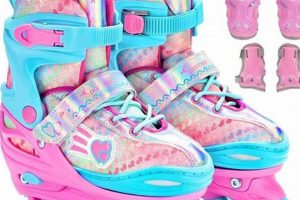
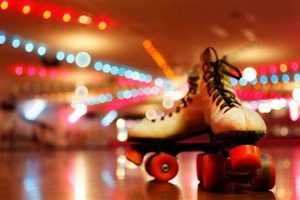
The comparative ease of mastering roller skates versus inline skates (often referred to as blades) is a common inquiry for those entering the world of skating. This question explores which type of skate offers a smoother learning curve, considering factors like stability, maneuverability, and balance.
Understanding the differences in skate design is key to appreciating the nuances of this comparison. Roller skates, with their four wheels arranged in a rectangular or square configuration, offer a broader base of support. This configuration can initially feel more stable, potentially reducing the anxiety for beginners. Inline skates, however, featuring wheels arranged in a single line, require greater ankle strength and balance to maintain stability. Historically, roller skates predate inline skates, having been developed much earlier and evolving through various iterations. Both forms of skating provide excellent cardiovascular exercise and recreational opportunities, though the specific muscles engaged and the type of movements emphasized may differ. The initial perceived difficulty can influence an individual’s decision and subsequent skating experience.
The subsequent sections will delve into the specific characteristics of each type of skate, examining how these features impact the learning process, skill development, and overall user experience. Factors such as wheel configuration, braking mechanisms, and the center of gravity will be discussed to provide a more comprehensive understanding of the relative ease of use associated with each skating style.
Guidance on Selecting Skates for Beginners
The following advice aims to assist individuals in choosing between roller skates and inline skates, prioritizing ease of learning and initial skill acquisition.
Tip 1: Assess Core Strength: Core strength is vital for maintaining balance on both types of skates. Prioritize exercises that strengthen abdominal and back muscles to improve stability, regardless of skate choice.
Tip 2: Consider Prior Experience: Individuals with prior experience in activities requiring balance, such as ice skating or skiing, may find inline skates easier to adapt to. Those with no prior balance-related experience may find the wider base of roller skates more manageable initially.
Tip 3: Evaluate Ankle Stability: Inline skating necessitates greater ankle stability than roller skating. Those with weaker ankles should consider roller skates initially to build foundational stability.
Tip 4: Practice on Smooth Surfaces: Regardless of skate type, practice on smooth, even surfaces to minimize the risk of falls and improve control. Avoid uneven terrain or areas with obstacles.
Tip 5: Focus on Controlled Movements: Start with slow, controlled movements to develop muscle memory and improve balance. Avoid attempting advanced maneuvers until a solid foundation is established.
Tip 6: Seek Professional Instruction: Consider taking lessons from a certified skating instructor. A qualified instructor can provide personalized guidance and address specific challenges.
Tip 7: Prioritize Protective Gear: Always wear appropriate protective gear, including a helmet, knee pads, elbow pads, and wrist guards. This will mitigate the risk of injury during the learning process.
By carefully evaluating personal strengths and weaknesses, and by adhering to these guidelines, individuals can make an informed decision about which type of skate will provide the most positive and successful learning experience.
The subsequent section will explore advanced techniques and performance considerations for both roller skates and inline skates.
1. Initial Balance
Initial balance represents a critical determinant when assessing the relative ease of learning roller skates compared to inline skates. The configuration of wheels and the resultant center of gravity directly influence the stability experienced by a novice skater.
- Wheel Configuration and Stability
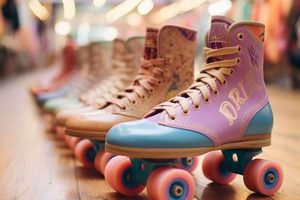
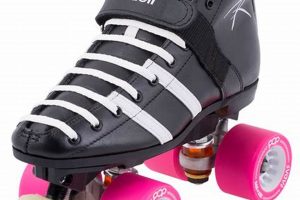
Roller skates, typically featuring four wheels arranged in a rectangular or square pattern, provide a wider base of support. This broader stance generally translates to greater initial stability, reducing the likelihood of immediate falls for beginners. Conversely, inline skates, with wheels aligned in a single line, demand more immediate engagement of core muscles and ankle stabilizers to maintain upright posture.
- Center of Gravity and Control
The higher center of gravity associated with inline skates necessitates a greater degree of balance and control from the outset. Beginners must actively work to maintain their equilibrium, which can be initially challenging. Roller skates, with their lower center of gravity, often provide a more forgiving platform, allowing learners to gradually develop their balance skills.
- Psychological Impact of Perceived Stability
The perceived stability offered by roller skates can significantly reduce anxiety and fear among new skaters. This increased confidence can foster a more positive learning experience and encourage continued practice. The greater initial challenge posed by inline skates may, conversely, lead to frustration and discouragement for some individuals.
- Progression to Dynamic Balance
While roller skates may provide an advantage in terms of static initial balance, inline skates can facilitate a smoother transition to dynamic balance and more complex maneuvers as skills progress. The inline configuration encourages forward momentum and efficient gliding, which are essential for advanced skating techniques.
In summary, the initial balance requirements of each skate type contribute significantly to the overall perception of ease. Roller skates often provide a more accessible starting point due to their inherent stability, while inline skates demand greater initial balance but may offer advantages in later stages of skill development.
2. Ankle Support

Ankle support plays a pivotal role in determining the perceived difficulty between roller skates and inline skates. The inherent design of each skate type necessitates different levels of ankle strength and stability from the user. Inline skates, due to their single line of wheels, demand significantly more ankle stabilization to prevent rolling inward or outward, a movement that can easily lead to falls, particularly for beginners. Roller skates, with their broader, more stable base, provide greater inherent ankle support, reducing the initial strain and risk of instability. The higher the level of ankle support, the lower the effort, suggesting that individuals with weaker ankles may find roller skates easier to learn initially.
The construction of the skate boot also significantly impacts ankle support. Inline skate boots often have a higher cuff intended to provide greater support, yet this support can be restrictive and may not adequately compensate for insufficient ankle strength. Roller skate boots, conversely, vary widely in height and stiffness. Some roller skates feature low-cut boots, offering minimal ankle support and prioritizing maneuverability for experienced skaters. Others, particularly those designed for beginners, may have higher, more rigid boots to provide added support and stability. Consequently, the selection of an appropriate boot style, based on individual ankle strength and skating goals, is critical. Protective equipment, like ankle braces, provides supplemental support, but is not a primary consideration for the comparison.
In conclusion, the level of ankle support required and provided by each skate type significantly influences the perceived ease of learning. Roller skates generally offer greater inherent ankle support, potentially making them a more suitable choice for beginners or individuals with weaker ankles. Inline skates necessitate greater ankle strength and stability, presenting a steeper initial learning curve. However, with proper training and development of ankle strength, inline skating can become equally, if not more, manageable. Understanding this connection is crucial for individuals making an informed decision about which skate type to pursue.
3. Maneuverability Control

Maneuverability control represents a crucial aspect when determining whether roller skates or inline skates present a more accessible learning experience. This facet encompasses the ease with which a skater can execute turns, navigate obstacles, and adjust direction. Inline skates, with their single line of wheels, generally offer a tighter turning radius and greater agility once a certain skill threshold is achieved. This stems from the ability to lean deeply into turns, engaging the edges of the wheels for sharper directional changes. In contrast, roller skates, particularly those with a traditional quad configuration, often require a wider turning radius and a different set of techniques, such as pivoting, to achieve similar directional changes. The initial difficulty arises from mastering these distinct techniques and developing the necessary balance to execute them effectively. A real-life example would be navigating a crowded sidewalk; an experienced inline skater could potentially weave through pedestrians with greater ease than someone on roller skates still mastering basic turns. The practical significance lies in the confidence and control the skater feels, directly impacting their enjoyment and willingness to continue learning.
The type of wheel and bearing also affects maneuverability control. Softer wheels offer greater grip, potentially aiding control on slick surfaces, while harder wheels facilitate smoother gliding and faster speeds. Similarly, higher-quality bearings allow wheels to spin more freely, reducing friction and enhancing the skater’s ability to maintain momentum and execute controlled movements. Inline skates, with their larger wheels, tend to maintain momentum more efficiently, contributing to their maneuverability advantages at higher speeds. For instance, in roller derby, skaters on quad skates often prioritize agility and quick starts, while speed skaters on inline skates focus on maintaining high speeds and efficient cornering. The understanding of these equipment-related factors provides deeper insight into the nuanced differences in maneuverability control.
In conclusion, while inline skates may offer superior maneuverability control at higher skill levels due to their design, the initial learning curve can be steeper for beginners who struggle with balance and edge control. Roller skates, though requiring distinct techniques for directional changes, may provide a more stable and manageable platform for learning basic maneuvers. The choice between the two often depends on individual preferences, learning styles, and the specific type of skating activity pursued, ultimately influencing the perception of which is “easier” to master. Overcoming the initial challenges associated with either skate type hinges on dedicated practice and a clear understanding of the underlying principles of balance and control.
4. Braking Technique

Braking technique constitutes a critical factor in assessing the perceived difficulty between roller skates and inline skates. The method of deceleration and stopping can significantly impact a beginner’s confidence and control, thereby influencing the overall learning experience.
- Toe Stop Braking (Roller Skates)
Roller skates typically employ a toe stop, located at the front of one or both skates. This method requires the skater to lift the toe and apply pressure to the ground. The advantage lies in its simplicity and intuitiveness for many beginners. However, effective use of the toe stop demands precise balance and coordination, as improper application can lead to abrupt stops or falls. A common scenario involves a novice skater over-relying on the toe stop, resulting in a forward tumble. The effectiveness also diminishes on wet or uneven surfaces.
- Heel Brake Braking (Inline Skates)
Many inline skates feature a heel brake, situated at the rear of one skate. This braking technique necessitates shifting weight backward and pressing the heel against the ground. While seemingly straightforward, mastering this method requires a shift in body weight and a degree of ankle flexibility. Novice skaters often struggle with this weight shift, leading to instability. The effectiveness of the heel brake can also be affected by the condition of the brake pad and the skating surface. For example, a worn brake pad on a smooth surface may provide inadequate stopping power.
- T-Stop Braking (Both Skate Types)
The T-stop is an advanced braking technique applicable to both roller skates and inline skates. It involves dragging one skate perpendicularly behind the other to create friction and slow down. This method offers greater control and stopping power than toe stops or heel brakes but demands a higher level of skill and balance. Mastering the T-stop typically occurs after gaining proficiency in basic skating maneuvers, thus not usually relevant for absolute beginners. A skilled skater can execute a controlled T-stop even at higher speeds, demonstrating its effectiveness and versatility.
- Braking and Confidence Building
The ease with which a skater can confidently and reliably stop directly influences their willingness to attempt new maneuvers and explore different skating environments. If a beginner feels apprehensive about their ability to stop safely, their progress may be hindered. Conversely, a readily accessible and effective braking technique can foster a sense of security and encourage more rapid skill development. This psychological aspect is particularly relevant when comparing the initial learning experiences on roller skates and inline skates.
In conclusion, the braking technique associated with each skate type contributes significantly to the perceived ease of use. While toe stops on roller skates may appear more intuitive initially, heel brakes on inline skates can offer more controlled deceleration with practice. The ultimate determination of which is “easier” often depends on individual preferences, physical abilities, and the specific skating context. Regardless of the chosen method, proficiency in braking is paramount for safe and enjoyable skating.
5. Terrain Adaptability
Terrain adaptability significantly influences the perceived ease of use between roller skates and inline skates. The capacity of each skate type to handle varying surfaces directly affects stability, control, and overall user experience, particularly for novice skaters. Inline skates, generally equipped with larger wheels, tend to navigate rougher surfaces more effectively than roller skates with smaller wheels. This allows inline skaters to maintain momentum and stability on uneven pavements or minor obstacles. In contrast, roller skates, especially those with a traditional quad configuration, may encounter greater difficulty on such surfaces, potentially leading to increased instability and a higher risk of falls. Consider, for instance, a beginner attempting to skate on a slightly cracked sidewalk; the inline skates would likely provide a smoother, more manageable ride compared to the roller skates, which could catch on the cracks, causing discomfort and potential loss of balance. This capability has a profound effect on the skater’s security.
The type of wheels significantly contributes to terrain adaptability. Softer wheels offer greater grip and shock absorption, making them more suitable for uneven or rough surfaces. Conversely, harder wheels provide less grip but facilitate faster speeds and smoother rolling on very smooth surfaces. Inline skates often allow for greater wheel size variance, providing the opportunity to customize the skate for specific terrain conditions. For example, off-road inline skates are specifically designed with large, pneumatic tires to handle rough terrain such as dirt paths or gravel roads, a capability not typically available with standard roller skates. In addition, the frame design affects how the wheels respond to the terrain. A longer inline frame bridge small irregularities. Understanding the impact of wheel size and durometer is essential for optimizing the performance and adaptability of either skate type.
Ultimately, terrain adaptability contributes significantly to determining which skate type is initially “easier” to learn. Inline skates often offer a more forgiving experience on varied surfaces due to their larger wheels and greater customization options. However, very rough terrain will increase the level of difficulty in both types of skates. This perceived ease of use can impact confidence.Roller skates may excel on smooth, prepared surfaces like rinks or skate parks, their performance diminishes on less consistent terrain.The choice between roller skates and inline skates necessitates considering the intended skating environment and prioritizing the skate type that offers greater stability and control within that context.Addressing the challenges of varied terrain requires skilled skating, irrespective of skate type, demanding practice and technique refinement to navigate different surfaces safely and effectively.
6. Learning Progression

The sequence of skill acquisition, commonly referred to as learning progression, is a critical determinant in evaluating whether roller skates or inline skates present a more accessible path to proficiency. The ease and speed with which fundamental skills are mastered directly impact the skater’s motivation and long-term engagement with either skating style. The structure for gaining confidence, control, and advanced maneuvers distinguishes the learning curves of roller skates and inline skates.
- Fundamental Skill Acquisition
The initial stage of learning to skate, encompassing basic balance, forward movement, and stopping, often differs significantly between roller skates and inline skates. Roller skates, with their wider base of support, may facilitate quicker mastery of initial balance, allowing beginners to gain confidence more rapidly. Inline skates, however, demand greater core strength and ankle stability from the outset, potentially lengthening the time required to achieve basic proficiency. The relative speed with which these fundamental skills are acquired can influence a beginner’s perception of which skate type is “easier.”
- Intermediate Skill Development
As skaters progress beyond the fundamentals, the learning progression shifts to more complex maneuvers such as turning, backward skating, and navigating obstacles. Inline skates, with their tighter turning radius and greater agility, may offer a smoother transition to these intermediate skills once the necessary balance and control are established. Roller skates, however, require distinct techniques for directional changes, such as pivoting and edge control, which can present a new set of challenges. The skater must learn to work with the design.The relative difficulty of mastering these intermediate skills can influence the skater’s preference for one skate type over the other.
- Advanced Maneuver Mastery
At the advanced level, skaters on both roller skates and inline skates pursue specialized skills such as jumps, spins, and intricate footwork. The specific techniques and training methods employed at this stage often vary significantly between the two skating styles. For example, roller derby, a competitive sport exclusively played on quad roller skates, demands agility, quick acceleration, and the ability to withstand physical contact. Inline speed skating, conversely, emphasizes aerodynamic efficiency, sustained high speeds, and precise cornering. The path to advanced skill mastery is highly specialized and dependent on the skater’s chosen discipline and goals.
- Transferable Skills and Prior Experience
Prior experience in other balance-related activities, such as ice skating, skiing, or snowboarding, can significantly influence the learning progression for both roller skates and inline skates. Individuals with a strong foundation in balance and edge control may find inline skates easier to adapt to, while those with limited prior experience may benefit from the greater initial stability offered by roller skates. The transferability of these skills demonstrates that prior experience can be a significant determinant in how “easy” the learning process will be.
In summary, the learning progression for both roller skates and inline skates encompasses a range of skills and techniques that evolve over time. While roller skates may offer a more accessible entry point for beginners due to their greater initial stability, inline skates can provide advantages in maneuverability and advanced skill development once a solid foundation is established. The most accessible route should be personalized to the type of activity. Ultimately, the perception of which skate type is “easier” depends on the individual’s learning style, prior experience, and specific skating goals.
Frequently Asked Questions
The following addresses common inquiries and dispels misconceptions surrounding the comparative ease of learning roller skates versus inline skates.
Question 1: Is one type of skate inherently easier for all beginners?
No. The perceived ease is subjective and dependent on individual factors such as balance, coordination, and prior experience. Some beginners find the wider base of roller skates more stable initially, while others adapt more quickly to the streamlined feel of inline skates. An inherent bias cannot be established.
Question 2: Do roller skates offer superior ankle support compared to inline skates?
Roller skates generally require less initial ankle strength due to their wider wheel base; however, modern inline skates provide significant ankle support via boot construction. The specific level of support varies greatly between models within each category. It is more important to have stability than to pick the type of wheel arbitrarily.
Question 3: Which skate type is better suited for rough or uneven surfaces?
Inline skates, often equipped with larger wheels, typically handle uneven surfaces more effectively than traditional roller skates with smaller wheels. However, specialized roller skates with larger, softer wheels are also available to enhance terrain adaptability.
Question 4: Is braking more difficult on roller skates or inline skates?
Braking techniques differ between the two skate types. Roller skates typically use a toe stop, while inline skates often utilize a heel brake. The difficulty depends on individual coordination and practice; neither system is inherently more difficult to master.
Question 5: Does prior experience in other sports influence the learning curve?
Yes. Individuals with experience in balance-related activities, such as ice skating or skiing, may find it easier to learn either roller skates or inline skates. The specific advantage depends on the skills acquired in the prior activity.
Question 6: Are certain exercises beneficial for improving skating skills regardless of skate type?
Core strengthening exercises, ankle stability training, and balance drills are beneficial for improving skating skills on both roller skates and inline skates. These exercises enhance overall control and reduce the risk of injury.
In conclusion, the choice between roller skates and inline skates should be based on individual preferences, physical capabilities, and intended skating environment. Neither skate type offers a universally “easier” learning experience. Focus on development in control and skill.
The subsequent section will provide resources for further learning and skill development in both roller skating and inline skating.
Conclusion
The determination of whether “are roller skates or blades easier” is not amenable to a singular, definitive answer. This exploration has illuminated the multifaceted factors that contribute to the subjective perception of ease, encompassing elements such as initial balance requirements, ankle support demands, maneuverability considerations, braking techniques, terrain adaptability, and the learning progression itself. Each skate type presents distinct challenges and advantages that cater to varying skill sets and learning preferences.
The ultimate choice between roller skates and inline skates should reflect a careful assessment of individual strengths, physical predispositions, and intended skating applications. A measured approach, coupled with realistic expectations and dedicated practice, remains paramount for achieving proficiency and enjoyment in either discipline. The pursuit of skating excellence, regardless of the chosen modality, necessitates a commitment to continuous learning and skill refinement, underscoring the enduring appeal and rewarding nature of both roller skating and inline skating.