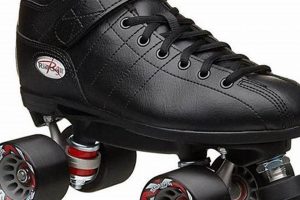
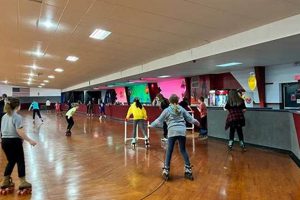
Productions that integrate wheeled footwear into their choreography and narrative are a distinct, albeit niche, form of theatrical entertainment. These shows utilize the dynamic movement and visual spectacle afforded by the use of roller skates, often incorporating popular music and vibrant costuming. A notable example involves a story set in a roller disco, where characters express themselves and navigate relationships through intricate skating routines.
The incorporation of this specific type of movement elevates the energy and excitement of a live performance. It allows for a unique visual storytelling medium, blending athleticism with artistry. Historically, this theatrical trend has experienced periods of heightened popularity, often coinciding with cultural fascinations surrounding roller skating and disco culture, demonstrating an appeal to audiences seeking novel and energetic entertainment experiences.
The following sections will delve into specific examples of productions employing this technique, analyze the choreographic challenges involved, and explore the potential impact on audience reception and overall theatrical innovation.
Tips for Integrating Wheeled Footwear into Stage Productions
The incorporation of roller skates or similar wheeled footwear into a musical production requires careful consideration of several factors to ensure both artistic success and performer safety.
Tip 1: Surface Selection is Paramount: The stage surface must be smooth and level to prevent accidents and ensure consistent skating performance. Ramps and textured surfaces should be avoided unless specifically designed for controlled movement. Test all stage elements thoroughly before rehearsals begin.
Tip 2: Choreography Tailored to Skates: Choreography must adapt to the limitations and capabilities of performers on skates. Consider the turning radius, stopping distance, and balance challenges. Avoid complex dance moves that are unsafe or impractical on wheels. Incorporate skating-specific movements like spins, glides, and crossovers to maximize visual impact.
Tip 3: Comprehensive Training is Essential: All performers using wheeled footwear require extensive training, regardless of their previous skating experience. Focus on fundamental skating skills, safety techniques (falls, emergency stops), and choreography-specific routines. Gradual introduction to increasingly complex movements is recommended.
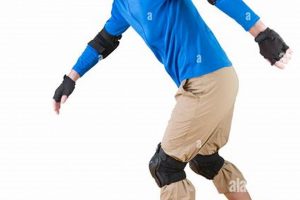
Tip 4: Safety Protocols Must Be Established: Implement rigorous safety protocols, including mandatory protective gear (helmets, pads), regular equipment inspections, and clearly defined emergency procedures. A designated spotter should be present during rehearsals and performances to assist performers if needed.
Tip 5: Wheel and Bearing Selection Impacts Performance: The type of wheels and bearings used significantly affects a skater’s speed, grip, and maneuverability. Experiment with different combinations to find the optimal setup for the stage surface and choreography. Regular maintenance, cleaning, and replacement of wheels and bearings are crucial.
Tip 6: Sound Design Considerations: The sound of wheels on stage can be amplified unexpectedly, potentially interfering with the musical score. Experiment with sound dampening materials on the stage surface or adjust microphone placement to minimize unwanted noise.
Tip 7: Costume Design Adaptation: Costumes should be designed with skating in mind. Avoid long, flowing garments that could become entangled in the wheels. Ensure costumes allow for a full range of motion and do not impede a skater’s ability to balance or maneuver.
By addressing these key areas, productions can effectively leverage the visual and kinetic energy offered by wheeled footwear while mitigating potential risks. The result is a visually captivating and technically sound theatrical experience.
The subsequent sections will explore specific case studies and analyze the long-term trends in this unique form of musical theatre.
1. Choreographic Innovation

The integration of wheeled footwear into musical theater presents unique challenges and opportunities for choreographers, demanding adaptations of conventional dance vocabulary and a reimagining of stage movement. Successful implementation relies on innovative strategies that exploit the kinetic potential of skates while maintaining narrative cohesion.
- Spatial Dynamics Adaptation
Conventional stage choreography often focuses on grounded movements and controlled directional changes. Productions using roller skates necessitate a shift towards wider, more sweeping movements, exploiting the momentum and gliding capabilities afforded by the wheels. Choreographers must consider the increased spatial footprint of each performer and adapt blocking strategies to prevent collisions and maximize visual impact. Starlight Express offers a prime example, utilizing multi-tiered tracks and ramps to create dynamic, three-dimensional staging that would be impossible with traditional footwear.
- Transitional Movement Vocabulary
Seamless transitions between skating and non-skating movements require careful choreography. Actions such as mounting and dismounting skates, shifting weight to initiate glides, and executing controlled stops become integral parts of the dance vocabulary. These transitional movements must be integrated fluidly into the overall choreography to avoid appearing disjointed or awkward. Choreographers may also need to incorporate elements of acrobatics or partnering to facilitate lifts and other complex maneuvers while maintaining balance and control.
- Musicality and Rhythmic Complexity
The percussive sounds of skates on the stage surface add another layer of rhythmic complexity to the performance. Innovative choreographers can exploit this by creating synchronized patterns of wheel sounds that complement the musical score. Furthermore, the varying speeds and styles of skatingfrom slow, graceful glides to rapid, energetic spinscan be used to reflect changes in tempo and mood within the music. This integration of sound and movement can create a heightened sense of musicality and enhance the overall theatrical experience.
- Safety-Conscious Design
While choreographic innovation is essential, safety must remain paramount. Choreographers must design routines that are physically challenging yet realistically achievable, taking into account the skill level and limitations of the performers. Routines should minimize the risk of falls or collisions and incorporate safety maneuvers, such as controlled slides or emergency stops. Furthermore, choreographers must work closely with stage managers and technical crew to ensure that the stage surface is properly maintained and that any potential hazards are addressed promptly.
Ultimately, choreographic innovation in “musicals with roller skates” entails a delicate balance between artistic expression and practical considerations. By carefully adapting movement vocabulary, integrating the unique sonic and spatial qualities of skating, and prioritizing safety, choreographers can create compelling and visually stunning theatrical experiences that push the boundaries of conventional performance.
2. Surface Engineering

Surface engineering constitutes a critical, often unseen, component underpinning the success and safety of theatrical productions featuring wheeled footwear. The stage surface directly influences maneuverability, friction, and the overall performance quality. Selecting and preparing the optimal surface is paramount for ensuring both the artistic vision and the physical well-being of the performers.
- Coefficient of Friction Management
The coefficient of friction between the roller skate wheels and the stage surface dictates the ease of movement and the control a skater possesses. A surface with excessive friction impedes gliding and increases the risk of falls. Conversely, a surface with insufficient friction diminishes control and increases the potential for uncontrolled slides. Specific surface coatings and treatments are employed to achieve an optimal balance, facilitating controlled movement while minimizing the risk of accidents. Examples include specialized acrylic polymers and resinous coatings designed to provide a consistent and predictable level of grip. This careful calibration directly affects choreographic possibilities, dictating the types of turns, stops, and accelerations that performers can execute safely and effectively.
- Material Composition and Durability
The stage surface must withstand the repeated stresses imposed by roller skates during rehearsals and performances. Durable materials like hardwood, overlaid with protective coatings, are commonly utilized. However, even with robust materials, the constant pressure and abrasion can lead to wear and tear, requiring ongoing maintenance and resurfacing. The material’s composition also influences its acoustic properties. Certain surfaces may amplify the sound of rolling wheels, necessitating sound dampening measures to prevent audio interference. Selection of material depends on the duration and intensity of performance schedule as well as available budge.
- Leveling and Planarity
Even the slightest imperfections in surface planarity can create significant challenges for skaters. Bumps, dips, and uneven seams disrupt balance and increase the risk of falls, especially during complex routines. Precision leveling techniques and specialized surfacing compounds are employed to ensure a perfectly smooth and even stage. Laser leveling and the use of self-leveling epoxy resins are common practices. Regular inspections and remediation are essential to maintain surface integrity. This is particularly important for traveling productions that set up in various venues.
- Surface Compliance and Impact Absorption
While a smooth, hard surface is necessary for efficient skating, a degree of compliance is also desirable to reduce the impact forces on performers’ joints and minimize fatigue. Some surface engineering approaches involve incorporating a thin layer of cushioning material beneath the primary skating surface. This can be achieved through the use of specialized underlayments or resilient flooring systems. The resulting reduction in impact stress can improve performer endurance and decrease the risk of injuries related to repetitive motion or sudden falls.
These facets of surface engineering represent the essential groundwork for successfully integrating wheeled footwear into theatrical productions. By carefully considering friction, durability, planarity, and impact absorption, stage designers and technical crews can create a safe and performative environment that enables performers to showcase their skills and realize the artistic vision of the production. The absence of thoughtful surface engineering can significantly compromise both the artistic and physical integrity of such a production. The technical requirements extend beyond simple construction, requiring a detailed understanding of material science and performance dynamics.
3. Performer Skillset

The success of any theatrical production featuring wheeled footwear hinges critically on the specialized skillset possessed by the performers. This extends beyond traditional acting, singing, and dancing, encompassing a mastery of skating techniques and the ability to seamlessly integrate these skills into a cohesive performance.
- Advanced Skating Proficiency
Performers require a high degree of proficiency in various skating disciplines, including forward and backward skating, turns, spins, jumps, and choreographed sequences. This proficiency must extend beyond basic competence to encompass agility, balance, and control at varying speeds and under demanding stage conditions. A performer must be able to execute intricate maneuvers while maintaining character and interacting with other performers, often in complex formations and tight spaces. Examples include executing a precise spin while delivering a vocal line or navigating a fast-paced chase scene on a sloped surface. Inability to demonstrate proficiency leads to safety concerns and diminished artistic impact.
- Adaptability and Physical Conditioning
The physical demands of performing on skates are substantial, requiring exceptional cardiovascular fitness, muscular endurance, and core strength. Performers must be able to sustain high energy levels throughout lengthy rehearsals and performances while maintaining precision and control. Furthermore, they need to quickly adapt to variations in stage surfaces, lighting conditions, and choreography. Injury prevention is paramount, demanding rigorous warm-up routines, proper technique, and the ability to recognize and respond to potential hazards. A lack of physical conditioning can manifest as fatigue, reduced control, and increased susceptibility to injury.
- Performance Integration
The ability to seamlessly integrate skating skills with traditional performance elements such as acting, singing, and dancing is crucial. Performers must be able to maintain character, convey emotion, and deliver lines convincingly while simultaneously executing complex skating maneuvers. This requires a high degree of coordination, focus, and artistic sensitivity. The integration must appear effortless, enhancing the narrative rather than distracting from it. An example involves delivering an emotional monologue while gracefully gliding across the stage, using movement to amplify the character’s inner turmoil. Failure to achieve effective integration can result in a disjointed and unconvincing performance.
- Spatial Awareness and Collaboration
Performing on skates necessitates heightened spatial awareness and the ability to collaborate effectively with other performers and technical crew. Skaters must be acutely aware of their position on stage, the proximity of other performers, and potential obstacles. Clear communication and coordinated movements are essential to prevent collisions and maintain the integrity of the choreography. Collaboration with stage managers, lighting technicians, and sound engineers is also crucial to ensure a safe and effective performance. Lack of spatial awareness and collaborative skills can lead to safety hazards and compromised artistic execution.
These facets of performer skillset collectively determine the success and artistic merit of productions utilizing wheeled footwear. The ability to seamlessly blend athleticism, artistry, and technical skill is what distinguishes exceptional performances and elevates the theatrical experience for audiences. Productions that fail to prioritize these elements risk compromising both performer safety and artistic impact.
4. Safety Implementation

Within theatrical productions employing wheeled footwear, meticulous safety protocols are not merely advisable, but rather essential preconditions for both artistic viability and performer well-being. The inherent risks associated with high-speed movement, complex choreography, and the potential for falls necessitate a comprehensive and rigorously enforced safety infrastructure.
- Protective Equipment Protocols
Mandatory use of protective gear, including helmets, knee pads, elbow pads, and wrist guards, constitutes a foundational element of safety implementation. The specific equipment must be selected based on the intensity of the choreography and the individual performer’s skill level. Rigorous inspection protocols must be in place to ensure the equipment’s integrity and proper fit. Enforcement requires unwavering adherence, with penalties for non-compliance. Example: A performer executing a complex spin may require a more robust helmet than one engaged primarily in basic gliding. Failure to enforce protective equipment protocols directly correlates with increased injury rates.
- Stage Surface Maintenance and Inspection
Regular inspection and maintenance of the stage surface are paramount to mitigate hazards such as cracks, debris, or uneven sections. A dedicated team must be responsible for identifying and rectifying any surface imperfections that could compromise skater safety. Inspection protocols should include a pre-performance checklist and scheduled maintenance intervals. Example: Detecting and repairing a minor crack in the stage surface before it becomes a tripping hazard. Inadequate surface maintenance significantly elevates the risk of falls and related injuries.
- Emergency Response Planning
A detailed emergency response plan, encompassing medical personnel, evacuation procedures, and communication protocols, is essential for addressing potential accidents. The plan should be tailored to the specific risks associated with wheeled footwear performances and rehearsed regularly. Emergency medical personnel must be present during rehearsals and performances. Example: Establishing clear evacuation routes and designating personnel responsible for administering first aid in the event of a fall. The absence of a comprehensive emergency response plan can lead to delayed or inadequate medical intervention, potentially exacerbating injuries.
- Choreographic Risk Assessment and Mitigation
A proactive risk assessment of all choreographed sequences is crucial for identifying potentially hazardous movements. The choreography should be designed to minimize the risk of falls, collisions, and other injuries. Alternative choreography or modifications should be implemented when necessary. Collaboration between the choreographer, performers, and safety personnel is essential. Example: Modifying a lift that poses an undue risk of imbalance or incorporating safety maneuvers into a high-speed skating sequence. Failure to adequately assess and mitigate choreographic risks directly increases the likelihood of performance-related injuries.
These interconnected facets underscore the criticality of rigorous safety implementation in productions featuring wheeled footwear. Adherence to these protocols not only safeguards the well-being of performers, but also contributes to the overall quality and sustainability of such theatrical endeavors. Compromising safety for artistic expediency represents a short-sighted approach that ultimately undermines the integrity of the production.
5. Aesthetic Integration

Aesthetic integration, in the context of theatrical productions featuring wheeled footwear, refers to the seamless and harmonious incorporation of skating elements into the overall visual and narrative design. It is not merely the inclusion of roller skates, but rather the artful blending of skating skills, costumes, set design, and musicality to create a cohesive and compelling theatrical experience. When aesthetic integration is effectively achieved, skating becomes an organic extension of the storytelling, enhancing rather than distracting from the core narrative.
- Costume Design and Mobility
Costume design plays a crucial role in aesthetic integration. Garments must not only visually represent character and setting, but also facilitate freedom of movement and accommodate the unique physical requirements of skating. Flowing fabrics that could entangle in wheels or restrict movement are unsuitable. Costumes must be designed to allow for a full range of motion, while also incorporating elements that complement the skaters’ movements, such as streamlined silhouettes or strategically placed embellishments. Consider, for instance, costumes in a futuristic roller derby musical. The designs integrate protective gear into a visually arresting ensemble that communicates both athleticism and character. Poorly designed costumes can impede skating performance and detract from the overall aesthetic impact.
- Set Design and Spatial Dynamics
The set design must complement the skating choreography and enhance the spatial dynamics of the performance. The stage layout, ramps, and platforms should be designed to facilitate smooth transitions and create visually interesting skating patterns. Set pieces must be strategically placed to avoid obstructing skaters’ movements while contributing to the overall aesthetic of the production. For example, consider a set design that evokes a roller disco, complete with mirrored balls, neon lights, and strategically placed ramps for skaters to perform tricks. A poorly designed set can create a visually cluttered and unsafe environment, hindering both skater performance and aesthetic appeal.
- Lighting Design and Visual Emphasis
Lighting design can be used to accentuate the skaters’ movements and create visually compelling effects. Spotlights can highlight individual performers during solo routines, while dynamic lighting patterns can create a sense of speed and energy. Color palettes can be used to evoke specific moods or themes, enhancing the overall aesthetic impact of the production. Consider a lighting design that uses strobe effects to emphasize the speed and dynamism of a roller derby sequence. Ineffective lighting can obscure the skaters’ movements or create a visually jarring effect.
- Musicality and Rhythmic Synchronization
The musical score must be carefully synchronized with the skating choreography to create a cohesive and dynamic performance. The tempo, rhythm, and instrumentation of the music should complement the skaters’ movements, enhancing the overall sense of energy and momentum. Sound effects, such as the whir of wheels or the scrape of skates on the stage, can be incorporated into the musical score to add another layer of realism and aesthetic interest. Imagine a musical score that seamlessly blends disco beats with the sound of roller skates gliding across the floor, creating a unique and immersive auditory experience. A mismatched or poorly executed musical score can detract from the visual impact of the skating and undermine the overall aesthetic integration.
The aforementioned elements demonstrate that a holistic approach to aesthetic integration is critical for “musicals with roller skates”. By carefully considering the interplay between costumes, set design, lighting, and music, productions can create a visually stunning and narratively compelling theatrical experience that seamlessly blends the athleticism of skating with the artistry of musical theatre. The success of this integration hinges on a deep understanding of both the technical requirements of skating and the principles of effective theatrical design.
Frequently Asked Questions
The following addresses common inquiries and misconceptions surrounding theatrical productions that incorporate roller skates, providing concise and informative answers.
Question 1: What distinguishes a “musical with roller skates” from a standard musical production?
The primary distinction lies in the integration of roller skating as a core element of the choreography and, often, the narrative. Unlike musicals with incidental dance sequences, these productions require performers to sing, act, and dance while on roller skates, necessitating specialized skills and stagecraft.
Question 2: Are specific stage modifications required for productions utilizing roller skates?
Yes. Stage surfaces must be meticulously prepared to ensure a smooth, level, and safe skating environment. This often involves resurfacing, coating, or constructing specialized skating tracks or ramps. The selection of appropriate stage materials is crucial for optimizing traction and minimizing the risk of accidents.
Question 3: What are the primary safety concerns associated with musicals featuring roller skates?
The primary safety concerns include falls, collisions, and injuries related to repetitive motion. Mitigation strategies involve mandatory protective gear (helmets, pads), rigorous training protocols, regular equipment inspections, and careful choreography designed to minimize risks. Emergency medical personnel should be readily available during rehearsals and performances.
Question 4: Does prior skating experience qualify an individual for a role in a musical with roller skates?
While prior skating experience is beneficial, it is not necessarily sufficient. Performers must possess a unique blend of skating proficiency, acting ability, vocal talent, and physical stamina. Extensive training and rehearsals are typically required to integrate these skills effectively.
Question 5: How does the inclusion of roller skates impact the overall aesthetic design of a musical production?
The inclusion of roller skates influences various aspects of aesthetic design, including costume design, set design, and lighting. Costumes must allow for freedom of movement and accommodate protective gear. Set designs must facilitate smooth skating transitions. Lighting design should accentuate the skaters’ movements and create visually dynamic effects. Effective integration requires a holistic approach that considers the interplay of all these elements.
Question 6: Are there specific examples of commercially successful musicals that prominently feature roller skates?
Yes, productions such as Starlight Express exemplify commercially successful musicals that prominently feature roller skates. The continued success of this show demonstrates that the integration of these techniques is well received.
Successful implementation demands careful planning, meticulous execution, and a commitment to safety. The unique blend of athleticism, artistry, and technical skill distinguishes these productions and offers audiences a novel and engaging theatrical experience.
The subsequent section will provide information.
Conclusion
This exploration of musicals with roller skates has revealed a multifaceted theatrical form demanding unique artistic and technical considerations. From specialized stage engineering and rigorous performer training to comprehensive safety protocols and innovative choreographic approaches, the integration of wheeled footwear presents significant challenges. Successful productions require a holistic approach, seamlessly blending athleticism, artistry, and narrative cohesion.
The enduring appeal of musicals with roller skates lies in their capacity to deliver visually arresting and kinetically charged performances. As theatrical innovation continues to evolve, the future potential of this distinct art form hinges on ongoing advancements in stagecraft, performer training, and a sustained commitment to safety. Further exploration of these topics is expected.