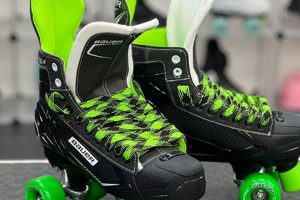
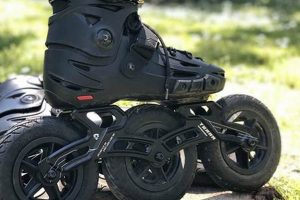
The selection of appropriate footwear significantly impacts the user experience in roller skating. Footwear that provides adequate cushioning, support, and a secure fit is pivotal for extended use and overall enjoyment. Features such as padded liners, supportive ankle structures, and breathable materials contribute to this increased level of satisfaction. An example of well-designed footwear in this category would be a skate featuring a memory foam liner, a high-cut boot for ankle stabilization, and ventilation ports to minimize moisture buildup.
Prioritizing user ease and long wear time is paramount in the design and manufacture of roller skates. Enhanced comfort reduces the likelihood of blisters, chafing, and other forms of foot fatigue, thereby encouraging prolonged activity and promoting a more positive skating experience. Historically, improvements in materials and construction techniques have progressively elevated the comfort level of roller skates, allowing for more accessible participation and wider adoption of the sport.
The subsequent sections will delve into specific aspects of roller skate construction, including liner materials, boot design, and closure systems, each of which contributes to the overall wearability. Further discussion will address the suitability of various skate types for different skill levels and intended usage scenarios. These elements are crucial to consider when selecting roller skates designed for maximum enjoyment and extended use.
Guidance for Optimal Roller Skate Selection
The following recommendations are provided to aid in selecting roller skates that prioritize user well-being and mitigate potential discomfort during use.
Tip 1: Assess Liner Material. Liners constructed from memory foam or gel padding conform to the foot’s contours, distributing pressure evenly and reducing friction. Evaluate liner density and thickness for optimal cushioning.
Tip 2: Evaluate Boot Construction. High-cut boots offer enhanced ankle support, minimizing the risk of sprains and instability. Consider rigid boot shells for increased responsiveness or softer shells for greater flexibility, depending on skating style and skill level.
Tip 3: Prioritize Closure System Security. Skates equipped with a combination of laces, buckles, and power straps provide a secure and customizable fit. Ensure the closure system effectively secures the foot within the boot, preventing slippage and maintaining control.
Tip 4: Examine Ventilation Features. Adequate ventilation minimizes moisture buildup within the skate, reducing the potential for blisters and promoting overall foot hygiene. Assess the placement and effectiveness of ventilation ports.
Tip 5: Consider Wheel Hardness and Size. Softer wheels (lower durometer) provide greater shock absorption and a smoother ride on rough surfaces. Larger wheels offer increased speed and roll efficiency. Select wheel characteristics appropriate for the intended skating environment.
Tip 6: Verify Frame Material and Rigidity. Aluminum frames offer superior power transfer and durability compared to plastic frames. Assess frame stiffness based on skating style and desired responsiveness.
Tip 7: Inspect Footbed Contouring. A contoured footbed provides arch support and promotes proper foot alignment, minimizing strain and fatigue. Consider aftermarket footbeds for enhanced support and customization.
Implementing these guidelines promotes an informed approach to roller skate selection, ultimately enhancing the skating experience and reducing the potential for discomfort and injury.
The ensuing sections will cover specific skate models and brands known for their adherence to these comfort-oriented design principles, offering a more comprehensive resource for prospective purchasers.
1. Padded Liners

The presence and quality of padded liners directly influence the comfort level of roller skates. These liners serve as a critical interface between the foot and the rigid structure of the skate boot. Inadequate or poorly designed liners can result in friction, pressure points, and subsequent discomfort, hindering prolonged skating sessions. Conversely, well-padded liners conform to the foot’s unique contours, distributing pressure evenly and minimizing the risk of abrasion and irritation. For example, skates equipped with heat-moldable liners allow for a customized fit, further enhancing comfort by eliminating gaps and accommodating individual foot shapes. This direct cause-and-effect relationship establishes padded liners as an indispensable component in achieving comfortable roller skates.
The materials utilized in padded liners also contribute significantly to overall comfort. Memory foam, known for its ability to conform to the foot and provide cushioning, is a prevalent choice. Gel padding offers superior shock absorption, mitigating the impact of uneven surfaces. The thickness and density of the padding are also crucial; insufficient padding provides inadequate protection, while excessive padding can restrict movement and cause overheating. Real-world examples include high-end recreational skates incorporating multi-density liners with varying levels of support and cushioning strategically placed to optimize both comfort and performance. Therefore, the selection of appropriate liner materials is paramount in achieving the desired level of comfort.
In conclusion, the integration of high-quality, appropriately designed padded liners is fundamental to constructing comfortable roller skates. While challenges exist in balancing cushioning with support and breathability, advancements in materials and construction techniques continue to improve liner performance. The practical significance of understanding the relationship between padded liners and comfort lies in facilitating informed purchasing decisions and promoting a more enjoyable skating experience. This understanding ultimately contributes to wider participation in roller skating as a recreational and fitness activity.
2. Ankle Support

Ankle support is a critical determinant in the overall comfort and safety of roller skates. Insufficient ankle support can lead to instability, increasing the risk of sprains and other injuries. Conversely, adequate support provides stability, allowing for more controlled movements and reducing strain on the ankle joint. This directly influences comfort by minimizing muscle fatigue and preventing pain that can arise from compensating for inadequate support. For example, skates designed with high-cut cuffs and reinforced ankle areas offer greater stability, particularly beneficial for beginner skaters or those with weaker ankles.
The design and materials used in ankle support systems vary considerably, impacting their effectiveness and overall comfort. Rigid shells offer maximum support but may restrict movement, while softer, more flexible designs allow for greater agility but may compromise stability. A balance between these factors is essential for optimal comfort and performance. Real-world examples include skates featuring articulated ankle designs that allow for a natural range of motion while still providing adequate support during turns and other maneuvers. Furthermore, the presence of padding and cushioning around the ankle area enhances comfort by preventing chafing and pressure points.
In summary, ankle support is an indispensable component of comfortable roller skates, contributing directly to stability, control, and injury prevention. The challenge lies in striking a balance between support and flexibility, tailored to the skater’s skill level and intended use. Understanding the relationship between ankle support and overall comfort allows for informed purchasing decisions and promotes a safer, more enjoyable skating experience. This knowledge is particularly relevant given the diverse range of skate designs and the varied needs of individual skaters.
3. Breathable Materials

The integration of breathable materials into roller skate construction directly influences user comfort, particularly during extended periods of use. These materials facilitate air circulation within the skate boot, mitigating the buildup of moisture and heat, factors known to contribute to discomfort and potential skin irritation.
- Moisture Management
Breathable materials wick moisture away from the foot, promoting evaporation and reducing the likelihood of blistering and fungal infections. Fabrics such as mesh and specialized synthetic linings are engineered to maximize airflow and minimize moisture retention. For instance, strategically placed ventilation panels combined with moisture-wicking liners enhance the overall breathability of the skate, leading to a drier and more comfortable internal environment.
- Temperature Regulation
Effective ventilation helps regulate temperature within the skate, preventing overheating and promoting a more consistent and comfortable internal climate. Breathable materials allow heat to dissipate, reducing the sensation of excessive warmth that can lead to discomfort and fatigue. An example includes the use of perforated materials in the boot’s shell and liner, allowing for increased airflow and improved temperature control.
- Material Composition
The choice of materials directly impacts the breathability of roller skates. Natural fibers such as cotton offer some breathability but tend to retain moisture, while synthetic materials like nylon and polyester can be engineered to provide superior moisture-wicking and ventilation properties. The selection of appropriate materials, considering both breathability and durability, is crucial for optimizing comfort and longevity.
- Impact on Hygiene
By minimizing moisture buildup, breathable materials contribute to improved hygiene within the skate. A drier environment inhibits the growth of bacteria and fungi, reducing the risk of odor and infection. This aspect is particularly important for individuals who engage in frequent or prolonged skating sessions, where the risk of moisture-related issues is heightened.
The strategic implementation of breathable materials in roller skate design significantly enhances user comfort by promoting moisture management, temperature regulation, and improved hygiene. While challenges remain in balancing breathability with other performance characteristics such as support and durability, advancements in material science continue to drive innovation in this area, contributing to the development of roller skates that prioritize user well-being.
4. Secure Closure

A secure closure system is integral to achieving optimal comfort in roller skates. The effectiveness of this system directly influences foot stability, energy transfer, and the overall skating experience. A well-designed closure minimizes foot movement within the boot, preventing friction and discomfort, while also maximizing control and responsiveness.
- Lace Systems and Customization
Traditional lace systems allow for a highly customizable fit, enabling users to adjust tension across different areas of the foot. This adjustability is crucial for accommodating varying foot shapes and preferences. For example, tightening the laces around the ankle can enhance support, while loosening them across the toes provides greater flexibility. An effective lace system, combined with proper lacing techniques, minimizes pressure points and optimizes comfort during extended use.
- Buckles and Ratchet Mechanisms
Buckles and ratchet mechanisms offer quick and secure closure, providing a consistent level of tightness. These systems are particularly useful for skaters who prioritize ease of use and consistent performance. High-quality buckles are designed to withstand repeated use and maintain a secure hold, preventing slippage and ensuring a snug fit. Skates utilizing these mechanisms often incorporate micro-adjustments, further enhancing the ability to fine-tune the fit and optimize comfort.
- Power Straps and Velcro Closures
Power straps and Velcro closures provide supplementary support, particularly around the ankle and instep. These closures enhance stability and prevent heel lift, contributing to a more secure and comfortable skating experience. Effective power straps are wide and well-padded, distributing pressure evenly and minimizing the risk of chafing. Velcro closures, while convenient, require periodic maintenance to ensure optimal adhesion and prevent degradation over time.
- Hybrid Closure Systems
Many modern roller skates incorporate hybrid closure systems that combine laces, buckles, and power straps to maximize both customization and security. This approach allows users to fine-tune the fit according to their individual needs and preferences. For example, a skate might utilize laces for precise adjustments across the foot, a buckle for secure ankle support, and a power strap for enhanced stability. Hybrid systems represent a comprehensive approach to closure design, prioritizing both comfort and performance.
The effectiveness of a secure closure system is directly correlated with the overall comfort and performance of roller skates. Whether utilizing traditional laces, modern buckles, or hybrid combinations, a well-designed closure minimizes foot movement, maximizes stability, and prevents discomfort. Careful consideration of closure system characteristics is essential when selecting roller skates designed for optimal comfort and extended use.
5. Footbed Contouring

Footbed contouring is a significant factor in determining the overall comfort level of roller skates. The design of the footbed directly impacts arch support, foot alignment, and pressure distribution, thereby influencing the user’s experience during skating activities.
- Arch Support and Pronation Control
Contoured footbeds provide essential arch support, preventing overpronation (excessive inward rolling of the foot) and supination (outward rolling). Proper arch support reduces strain on the plantar fascia, ankle, and knee joints. For instance, a footbed with a defined arch promotes a more neutral foot position, minimizing the risk of pain and discomfort associated with improper biomechanics. The effect is particularly noticeable during extended skating sessions.
- Pressure Distribution and Cushioning
A well-contoured footbed evenly distributes pressure across the plantar surface of the foot, reducing localized stress points. This is achieved through strategically placed cushioning and varying densities of materials. For example, a footbed with enhanced cushioning in the heel and ball of the foot absorbs impact and reduces fatigue, promoting a more comfortable and enjoyable skating experience. The materials used often include gel or memory foam inserts.
- Foot Alignment and Stability
Proper foot alignment is critical for maintaining stability and preventing injuries. Contoured footbeds help to align the foot within the skate boot, minimizing unwanted movement and enhancing control. This alignment promotes efficient energy transfer during skating, reducing muscle fatigue. As an illustration, a contoured heel cup can stabilize the heel and prevent slippage, contributing to improved balance and maneuverability.
- Customization and Adaptability
While standard contoured footbeds offer a degree of support and cushioning, custom or aftermarket footbeds provide a higher level of personalization. These footbeds can be molded to the specific contours of an individual’s foot, offering tailored support and pressure relief. For example, orthotic inserts prescribed by a podiatrist can address specific foot conditions and further enhance comfort and performance within the roller skate.
In summary, footbed contouring plays a crucial role in achieving optimal comfort in roller skates. By providing arch support, distributing pressure evenly, promoting proper foot alignment, and allowing for customization, contoured footbeds contribute significantly to reducing fatigue, preventing injuries, and enhancing the overall skating experience. Prioritizing footbed design and considering custom options are essential for maximizing comfort and performance.
6. Wheel Durometer

Wheel durometer, a measure of a wheel’s hardness, significantly impacts the comfort experienced while using roller skates. The relationship is inverse: lower durometer wheels, being softer, provide greater shock absorption. This cushioning effect mitigates vibrations transmitted from the skating surface to the user’s feet and joints. Harder wheels (higher durometer) offer less shock absorption, resulting in a firmer, more responsive ride often preferred for speed and precise maneuvers, but at the expense of comfort. For example, recreational skaters often benefit from softer wheels (78A-82A) when skating on rough surfaces like sidewalks, as these wheels dampen vibrations and reduce fatigue. Conversely, skaters on smooth surfaces, such as indoor rinks, may find harder wheels (84A and above) acceptable or even preferable, as the smoother surface minimizes the need for shock absorption.
The durometer selection should align with the intended skating environment and the skater’s priorities. Individuals prioritizing comfort should opt for softer wheels to minimize the impact of surface irregularities. This consideration is particularly relevant for skaters with joint sensitivities or those who engage in extended skating sessions. Furthermore, wheel durometer influences grip; softer wheels generally provide greater grip, enhancing stability and control, which indirectly contributes to comfort by reducing the effort required to maintain balance. An illustration of this practical application is the use of softer wheels by beginner skaters to improve stability and confidence, leading to a more comfortable and less taxing learning experience. The size of the wheel impacts the rolling resistance and acceleration.
In summary, wheel durometer is a critical determinant of roller skate comfort, particularly in relation to surface conditions and individual preferences. The selection of appropriate wheel durometer represents a trade-off between comfort and performance characteristics. Understanding this relationship enables informed purchasing decisions, promoting a more enjoyable and comfortable skating experience. However, challenges exist in balancing durometer with other wheel characteristics like size and material, necessitating careful consideration of the overall wheel design for optimal performance and user satisfaction. These details are crucial for the overall comfort experience.
7. Frame Rigidity

Frame rigidity in roller skates significantly influences the transfer of energy from the skater’s foot to the wheels. A highly rigid frame minimizes energy loss due to deformation, resulting in a more responsive and efficient skating experience. However, increased rigidity can also translate to a harsher ride, transmitting more vibrations and impacts directly to the skater’s foot and ankle. This, in turn, can reduce comfort, particularly on uneven surfaces or during extended skating sessions. The importance of frame rigidity as a component of comfortable roller skates lies in striking a balance between responsiveness and vibration absorption. For example, recreational skates often feature frames with moderate rigidity to provide a blend of efficiency and comfort, whereas speed skates prioritize maximum rigidity for optimal energy transfer, often at the expense of comfort.
The material composition and design of the frame directly impact its rigidity. Aluminum frames generally offer greater rigidity than plastic frames, leading to improved power transfer but potentially reduced comfort. Design features such as frame bracing and wall thickness also contribute to the overall rigidity. Practical applications include the use of composite materials in frame construction, strategically combining rigidity with vibration-damping properties to enhance both performance and comfort. Furthermore, the frame’s length and wheel configuration affect stability and maneuverability, indirectly influencing comfort by reducing the effort required to maintain balance. For example, longer frames provide greater stability, while shorter frames enhance agility, allowing skaters to tailor their skate setup to their individual skating style and preferences.
In conclusion, frame rigidity is a critical factor in determining roller skate performance and comfort. While increased rigidity enhances responsiveness and power transfer, it can also compromise comfort by transmitting more vibrations. The challenge lies in selecting a frame that balances these competing factors, tailored to the skater’s skill level, intended use, and personal preferences. Understanding the relationship between frame rigidity and overall comfort allows for informed purchasing decisions and promotes a more enjoyable skating experience. Frame material is an important part to balance this area of interest for overall comfortable roller skates.
Frequently Asked Questions
The following addresses common inquiries regarding comfort considerations in roller skate selection and usage. The goal is to provide clear, concise information to facilitate informed decision-making.
Question 1: What specific features contribute most significantly to the comfort of roller skates?
Key contributors include padded liners constructed from memory foam or gel, supportive ankle structures that minimize strain, breathable materials that regulate moisture, secure closure systems ensuring a snug fit, and contoured footbeds providing arch support.
Question 2: How does wheel durometer affect the comfort of roller skates, and what durometer range is optimal for general use?
Wheel durometer, a measure of hardness, inversely correlates with shock absorption. Softer wheels (lower durometer) provide greater comfort on rough surfaces. A durometer range of 78A to 85A is generally suitable for recreational skating on varied surfaces.
Question 3: What role does frame material play in roller skate comfort, and what materials are recommended?
Frame material affects rigidity and vibration transmission. Aluminum frames offer superior power transfer but may reduce comfort compared to plastic frames. Composite materials can balance rigidity with vibration damping. Aluminum frames are recommended for the overall performance.
Question 4: How important is proper sizing when selecting roller skates for comfort?
Accurate sizing is paramount. Roller skates that are too small will cause discomfort and potential injury, while skates that are too large will compromise control and stability. Consult sizing charts provided by the manufacturer and, if possible, try on skates before purchase. The comfort is sizing.
Question 5: Can insoles or orthotics improve the comfort of roller skates, and are there specific types recommended?
Yes, insoles and orthotics can significantly enhance comfort by providing additional arch support and cushioning. Consider aftermarket insoles constructed from gel or memory foam, or consult a podiatrist for custom orthotics addressing specific foot conditions.
Question 6: How does the type of skating activity influence the importance of comfort features in roller skates?
The significance of comfort features increases with the duration and intensity of skating. Recreational skaters prioritizing long wear-time should emphasize comfort features, while skaters focused on speed or aggressive maneuvers may prioritize performance characteristics, potentially sacrificing some comfort.
In summary, achieving optimal comfort in roller skates requires a holistic approach, considering various design elements and individual preferences. Prioritizing features such as padded liners, appropriate wheel durometer, and proper sizing promotes a more enjoyable and less fatiguing skating experience.
The subsequent sections will delve into specific roller skate models and brands known for their adherence to these comfort-oriented design principles, providing a more comprehensive resource for prospective purchasers.
Conclusion
This exploration of “most comfortable roller skates” has identified several critical factors that contribute to user satisfaction. Liner materials, ankle support, breathable fabrics, closure systems, footbed contouring, wheel durometer, and frame rigidity each play a significant role in mitigating discomfort and enhancing the overall skating experience. A balanced approach to these elements, tailored to individual needs and skating styles, is paramount.
The pursuit of optimal roller skate comfort is not merely a matter of personal preference; it is a determinant of sustained participation and reduced risk of injury. Prospective purchasers are encouraged to carefully evaluate these features and prioritize their selection accordingly. Further research and consultation with knowledgeable retailers are advisable to ensure an informed and appropriate decision. The future of roller skating rests, in part, on the continued development and implementation of comfort-enhancing technologies and designs.