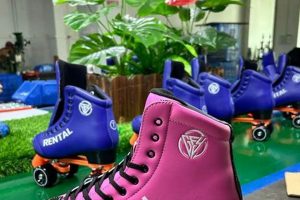
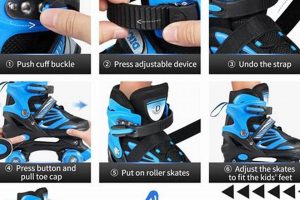
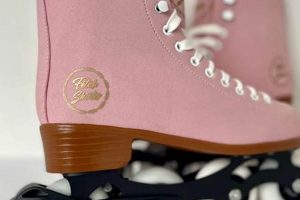
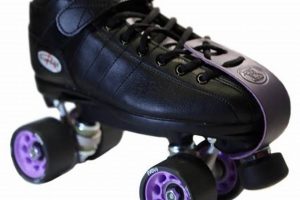
These wheeled boots enable users to move on hard surfaces. One variation features two pairs of wheels, arranged in a square configuration at the front and rear of the boot. The other utilizes an inline arrangement, with wheels placed in a single line along the center of the boot. Both offer methods of personal transportation and recreation.
These forms of wheeled footwear provide physical exercise, recreational enjoyment, and efficient short-distance travel. Historically, the quad style predates the inline design, offering greater stability for beginners. The inline version gained prominence later, prized for speed and maneuverability. The choice between the two depends on user preference and intended use.
The subsequent discussion will examine the specific features, advantages, and disadvantages of each type. Factors such as wheel configuration, boot design, braking systems, and skill level requirements will be analyzed to provide a comprehensive comparison.
Guidance on Wheeled Boot Selection and Use
The following suggestions provide useful information for individuals considering or currently utilizing these forms of recreational equipment. Proper technique and equipment maintenance are crucial for safety and optimal performance.
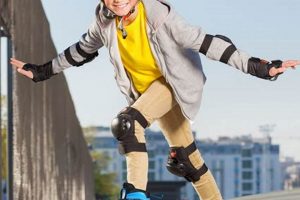
Tip 1: Prioritize Protective Gear. Helmets, wrist guards, elbow pads, and knee pads are essential for minimizing the risk of injury. Ensure a proper fit and consistent use of all safety equipment.
Tip 2: Select Appropriate Terrain. Smooth, paved surfaces free of obstacles are ideal. Avoid areas with heavy traffic, gravel, or excessive inclines. Consider designated skating areas or paths.
Tip 3: Develop Fundamental Skills. Begin with basic techniques such as balancing, gliding, and braking. Practice in a controlled environment before attempting more advanced maneuvers.
Tip 4: Maintain Equipment Regularly. Inspect wheels, bearings, and brakes for wear and tear. Replace components as needed to ensure optimal functionality and safety.
Tip 5: Master Braking Techniques. Understand and practice the appropriate braking method for the specific boot type. Quad styles typically utilize a toe stop, while inline versions employ a heel brake.
Tip 6: Consider Wheel Hardness. Softer wheels provide better grip but wear down more quickly. Harder wheels offer greater speed but less traction. Select wheel durometer based on skating surface and skill level.
Tip 7: Be Aware of Surroundings. Maintain vigilance and anticipate potential hazards. Yield to pedestrians and other users of shared spaces. Adhere to local regulations and guidelines.
Proper preparation, consistent practice, and responsible usage are critical for a safe and enjoyable experience. Prioritizing safety and skill development enhances the benefits associated with these activities.
The concluding section will offer a comparison of the advantages and disadvantages of each style, further aiding the selection process.
1. Stability

Stability, a fundamental attribute in wheeled footwear, profoundly influences user experience. The inherent stability characteristics of each design impact balance, control, and overall confidence, particularly for beginners or those prioritizing recreational use.
- Quad Wheel Configuration
The quad configuration, with two wheels in the front and two in the back, inherently provides a wider base of support. This wider stance lowers the center of gravity, increasing stability and reducing the likelihood of tipping. For new users, this translates to easier balancing and a more controlled learning curve. Quad designs facilitate slower speeds and more deliberate movements, contributing to heightened stability.
- Inline Wheel Configuration
The inline configuration, with wheels aligned in a single row, presents a narrower base of support. This design demands greater balance and core strength to maintain equilibrium. While offering enhanced maneuverability and speed, the reduced stability requires a higher skill level and more refined control. Recovering from imbalances on inline designs can be more challenging, necessitating more precise adjustments.
- Boot Height and Support
Boot height and ankle support significantly contribute to overall stability. Higher boots that extend further up the leg provide increased ankle stabilization, minimizing the risk of ankle roll and improving balance. Stiffer boot materials offer greater support, enhancing stability but potentially reducing flexibility. The selection of boot design influences the degree of ankle stability afforded to the user.
- Wheelbase Length
Wheelbase length, the distance between the front and rear axles, affects stability. A longer wheelbase typically enhances stability by providing a greater lever arm against tipping. Conversely, a shorter wheelbase increases maneuverability but reduces inherent stability. Manufacturers tailor wheelbase length to target specific user groups and skating styles, balancing stability with responsiveness.
The stability characteristics of each boot design are a critical consideration in the selection process. Quad designs provide inherent stability suitable for beginners, while inline designs prioritize maneuverability at the expense of initial stability. Boot height and wheelbase length further refine the stability profile, allowing users to optimize performance based on skill level and intended application. The trade-off between stability and maneuverability underpins the differing strengths of each design.
2. Maneuverability

Maneuverability, defined as the ease and precision with which a user can change direction or navigate obstacles, constitutes a critical performance attribute. The configuration of the wheels and the design of the boot significantly influence this characteristic. Inline styles generally exhibit superior maneuverability due to their wheel arrangement, allowing for sharper turns and quicker directional changes. This is exemplified in activities such as slalom skating or hockey, where rapid transitions are essential. In contrast, the quad configuration, while offering greater stability, can limit maneuverability, particularly in tight spaces or when performing intricate maneuvers. Recreational skaters or those prioritizing stability may find this trade-off acceptable, but the limitations on dynamic movement are undeniable.
The frame material and length also play a role. Shorter frames enhance agility, while longer frames contribute to stability at higher speeds. Frame construction influences energy transfer and responsiveness. Furthermore, wheel diameter affects maneuverability. Smaller wheels facilitate quicker acceleration and turns, while larger wheels maintain momentum more effectively. Agility courses and dance routines are practical demonstrations of the impact of these design factors on the user’s ability to execute precise movements. A skater attempting a crossover turn on an inline boot will find the task more intuitive than on a traditional quad boot, illustrating the impact of wheel configuration.
The differing maneuverability characteristics dictate their suitability for various applications. The superior agility of inline styles makes them advantageous for competitive sports and advanced skating techniques. Quad configurations, with their enhanced stability, serve beginners and those prioritizing balance and control. This distinction underscores the need to align equipment selection with intended use. The challenges associated with adapting to the maneuverability limitations of each style highlight the importance of understanding these fundamental differences before making a purchase or engaging in specific skating activities.
3. Wheel Configuration

Wheel configuration represents a defining feature differentiating various types of wheeled boots. The arrangement of wheels directly impacts performance characteristics, influencing stability, speed, and maneuverability. The two primary configurationsquad and inlinedictate the overall skating experience.
- Quad Configuration (Roller Skates)
The quad configuration features two pairs of wheels positioned at the front and rear of the boot. This arrangement provides a wider base of support, enhancing stability. The traditional placement of wheels in a square or slightly rectangular formation contributes to the ease of balancing, particularly beneficial for beginners. This design facilitates slower speeds and deliberate movements. Historical roller rink skating commonly employed quad designs for their inherent stability and suitability for rhythmic movements.
- Inline Configuration (Roller Blades)
The inline configuration features wheels arranged in a single line along the central axis of the boot. This linear arrangement reduces the contact surface with the ground, minimizing friction and maximizing speed. Inline designs demand greater balance and core strength to maintain stability. Activities such as speed skating and aggressive skating leverage the inline configuration for its enhanced speed and maneuverability. The inline setup necessitates a different skill set, focusing on precise balance and control.
- Wheel Size and Spacing
Wheel size influences speed and rolling efficiency. Larger wheels maintain momentum more effectively but require greater effort to initiate movement. Smaller wheels accelerate more quickly but may not sustain speed as readily. The spacing between wheels also affects maneuverability. Tighter spacing enhances agility, while wider spacing contributes to stability, impacting overall performance.
- Wheel Durometer (Hardness)
Wheel durometer, measured on the A scale, indicates the hardness of the wheel material. Softer wheels (lower durometer) provide greater grip but wear down more quickly. Harder wheels (higher durometer) offer lower rolling resistance and increased durability but reduced grip. The selection of wheel durometer depends on the skating surface and intended use. Indoor skating typically utilizes harder wheels, while outdoor skating benefits from the increased grip of softer wheels.
The choice between quad and inline configurations depends on individual preferences, skill level, and intended skating style. Quad configurations prioritize stability and are often favored by beginners or those engaged in recreational skating. Inline configurations emphasize speed and maneuverability, appealing to advanced skaters or those participating in competitive activities. The specific characteristics of wheel size, spacing, and durometer further refine the performance profile, allowing for customization to match the desired skating experience.
4. Boot Design

Boot design constitutes a critical element in the functionality and performance of wheeled boots. The structural characteristics of the boot directly influence stability, comfort, and energy transfer. Specifically, the choice between quad and inline styles necessitates distinct boot design considerations. For quad designs, the boot often features a wider base and a lower cut to accommodate the wheel configuration. This design prioritizes ankle support and stability, facilitating easier balancing, especially for novice skaters. The material composition ranges from soft leather for recreational models to rigid plastics for more demanding applications. In contrast, inline boot designs typically incorporate a higher cuff for enhanced ankle support and control, which is crucial for maintaining balance in the inline configuration. The narrower profile of the boot streamlines movement and minimizes drag, catering to the needs of speed and agility.
The integration of closure systems such as laces, buckles, and power straps plays a pivotal role in securing the foot within the boot. Proper fit minimizes foot movement within the boot, maximizing energy transfer and reducing the risk of blisters and chafing. Advanced boot designs often feature heat-moldable liners, enabling customized fit and enhanced comfort. Frame mounting systems dictate the interface between the boot and the chassis, influencing responsiveness and stability. Precision alignment of the frame enhances energy transfer and control, while the material composition of the frame impacts weight and durability. The utilization of composite materials and aluminum alloys allows for optimal balance between weight and strength, impacting overall performance.
Ultimately, boot design profoundly impacts the user’s skating experience. A well-designed boot enhances comfort, stability, and control, allowing the skater to maximize performance and minimize the risk of injury. Conversely, a poorly designed boot can lead to discomfort, reduced performance, and an increased likelihood of injuries. The selection of appropriate boot design necessitates careful consideration of skating style, skill level, and intended use. Understanding the nuances of boot design empowers consumers to make informed decisions, optimizing their wheeled boot experience and improving overall performance.
5. Braking System

The braking system represents a critical safety component integral to wheeled boots. Its efficacy directly impacts the user’s ability to control speed and prevent collisions. The design and implementation of braking mechanisms differ significantly between quad and inline configurations, reflecting the unique performance characteristics of each type. Understanding these differences is paramount for safe and effective operation. For instance, a failure to properly engage the braking system in a high-speed descent can lead to serious injury. Therefore, regular inspection and maintenance of the braking mechanism are essential for both styles of wheeled boots.
Quad configurations typically employ a toe stop brake located at the front of the boot. This braking method requires the skater to pivot the boot forward, applying pressure to the ground. The effectiveness of the toe stop brake depends on the skater’s balance, technique, and the condition of the brake pad. Inline configurations, conversely, generally utilize a heel brake positioned at the rear of the boot. This system is engaged by extending one leg forward and pressing the heel brake against the ground. The heel brake design offers more controlled deceleration, particularly at higher speeds. The choice between these braking systems often influences the user’s preference based on skating style and skill level. For example, recreational skaters might prefer the intuitiveness of the toe stop, while speed skaters often opt for the more powerful heel brake.
In conclusion, the braking system serves as a fundamental safety feature in wheeled boots, influencing the user’s ability to control speed and prevent accidents. The specific design and implementation of braking mechanisms vary significantly between quad and inline configurations, reflecting the unique performance characteristics of each type. Consistent maintenance, proper technique, and a thorough understanding of the braking system’s functionality are essential for safe and responsible operation. The effective use of this component transforms wheeled boots from a mere recreational device into a viable mode of transportation and exercise, while minimizing the potential for harm.
6. Skill Level

Skill level significantly influences the choice between quad and inline wheeled boots. Novice users often benefit from the inherent stability of quad designs. The wider base of support mitigates balance challenges, facilitating the development of fundamental skating skills. These skills include basic gliding, turning, and stopping techniques. In contrast, inline designs demand a higher degree of balance and coordination, rendering them less suitable for beginners. Attempting to learn on inline styles without adequate core strength and proprioceptive awareness can lead to frustration and increased risk of injury. An example of this is a child starting on quad boots at a roller rink versus struggling to maintain balance on inline boots at a skate park. The initial learning curve is less steep with quad designs, fostering a positive early experience.
As skill level progresses, the advantages of inline designs become more apparent. Intermediate and advanced skaters can leverage the enhanced maneuverability and speed of inline styles to execute more complex maneuvers. Aggressive skating, speed skating, and artistic skating often necessitate the precision and responsiveness afforded by inline configurations. A competitive speed skater, for example, relies on the aerodynamic efficiency and power transfer of inline boots to achieve optimal performance. Similarly, a roller hockey player benefits from the agility and quick directional changes facilitated by inline designs. The skill level dictates the ability to effectively exploit the performance characteristics of inline boots, justifying their selection over the more stable, but less agile, quad designs.
Ultimately, the relationship between skill level and wheeled boot selection underscores the importance of aligning equipment with ability. Matching the equipment to the user’s proficiency optimizes the learning process, enhances performance, and minimizes the potential for accidents. Quad designs provide a stable platform for beginners to develop foundational skills, while inline designs cater to the needs of experienced skaters seeking greater speed and maneuverability. Recognizing the correlation between skill level and the appropriate wheeled boot configuration is essential for both recreational enjoyment and competitive success.
7. Intended Use

The selection between quad and inline wheeled boots is heavily influenced by intended use. Different skating activities require varying levels of stability, maneuverability, and speed, rendering one type more suitable than the other. Understanding the specific demands of each activity is crucial for optimizing performance and minimizing risk.
- Recreational Skating
Recreational skating prioritizes enjoyment and ease of use. Quad designs, with their inherent stability, are often favored for casual skating on smooth surfaces. The lower learning curve and increased balance make quad boots ideal for beginners and those seeking a relaxed skating experience. Conversely, inline boots may be selected for recreational use on longer distances due to their increased speed and efficiency, though a higher level of skill is required.
- Aggressive Skating
Aggressive skating, characterized by stunts, tricks, and grinds, demands exceptional maneuverability and durability. Inline designs are the standard choice for aggressive skating due to their ability to handle high impacts and facilitate intricate maneuvers. The wheel configuration allows for precise control and quick directional changes, essential for navigating skate parks and performing technical tricks. Quad boots lack the agility and structural integrity required for aggressive skating.
- Speed Skating
Speed skating necessitates maximizing velocity and minimizing friction. Inline designs, with their linear wheel arrangement, provide superior speed and efficiency compared to quad boots. The aerodynamic profile and reduced rolling resistance enable speed skaters to achieve high speeds and maintain momentum over long distances. The design minimizes lateral movement and maximizes forward propulsion. Quad configurations are unsuitable for speed skating due to their inherent limitations in speed and efficiency.
- Artistic Skating
Artistic skating, encompassing figure skating-inspired routines and dance movements, requires a balance of stability and maneuverability. Historically, quad designs have been prevalent in artistic skating due to their ability to facilitate intricate footwork and graceful movements. However, specialized inline designs have emerged, offering enhanced performance characteristics for certain artistic disciplines. The choice between quad and inline designs depends on the specific style of artistic skating and the skater’s preferences.
The correlation between intended use and the selection of wheeled boots highlights the importance of aligning equipment with activity. Understanding the specific demands of each skating discipline enables informed decision-making, optimizing performance and minimizing the risk of injury. The distinct performance characteristics of quad and inline designs cater to different user needs, underscoring the versatility and adaptability of wheeled sports.
Frequently Asked Questions
The following addresses common inquiries and misconceptions regarding wheeled boots, aiming to provide clarity and inform decision-making. The focus remains on delivering factual information and addressing typical user concerns.
Question 1: Are wheeled boots suitable for all age groups?
Wheeled boots can be enjoyed by individuals of various ages, contingent upon physical capabilities and adherence to safety precautions. Children and seniors should exercise caution and may require specialized equipment or supervision. It is crucial to assess individual physical limitations and skill levels before engaging in wheeled boot activities.
Question 2: What safety equipment is essential for wheeled boot use?
The use of appropriate safety equipment is paramount. A helmet, wrist guards, elbow pads, and knee pads are considered essential. Proper fit and consistent usage are crucial for mitigating the risk of injury. The selection of certified safety gear is recommended to ensure compliance with safety standards.
Question 3: How does wheel hardness affect performance?
Wheel hardness, measured by durometer, influences grip and speed. Softer wheels provide enhanced grip but experience increased wear. Harder wheels offer reduced rolling resistance and increased speed but may compromise grip on certain surfaces. The selection of wheel durometer depends on the skating surface and the user’s skating style.
Question 4: What are the primary differences in maintenance requirements?
Both quad and inline wheeled boots necessitate regular maintenance. This includes inspecting wheels for wear, cleaning bearings, and ensuring the braking system functions correctly. The complexity of maintenance varies based on the boot design and the frequency of use. Neglecting maintenance can compromise performance and safety.
Question 5: Can wheeled boots be used in all weather conditions?
Wheeled boots are generally designed for use in dry weather conditions. Wet surfaces compromise grip and increase the risk of accidents. Exposure to moisture can also damage bearings and other components. Use in inclement weather is discouraged to ensure safety and prolong equipment lifespan.
Question 6: What are the long-term effects of using wheeled boots on joints?
Wheeled boot activities can exert stress on joints, particularly the ankles, knees, and hips. Proper technique, appropriate footwear, and the use of supportive gear can help mitigate these effects. Individuals with pre-existing joint conditions should consult with a medical professional before engaging in wheeled boot activities. Regular stretching and warm-up exercises are recommended to minimize the risk of injury.
This section has addressed common concerns regarding wheeled boots. Prioritizing safety, understanding equipment limitations, and maintaining proper technique are essential for a positive experience.
The concluding section will offer resources for further information and guidance.
Concluding Remarks
This exploration has examined the salient features distinguishing roller skates from roller blades. Stability, maneuverability, wheel configuration, boot design, braking systems, skill level, and intended use were analyzed. The quad design prioritizes stability, benefiting novice users, while the inline design emphasizes maneuverability and speed, catering to experienced skaters. Selection necessitates a thorough understanding of individual needs and the specific requirements of the intended activity.
The informed selection and responsible use of wheeled boots are paramount for safety and optimal performance. Continued advancements in design and technology promise further enhancements in functionality and user experience. A commitment to safety education and equipment maintenance will ensure the continued enjoyment and accessibility of this activity for future generations.