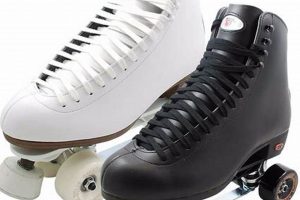
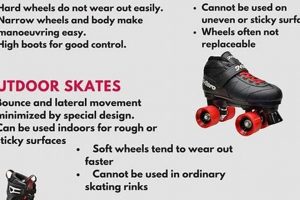
Entry-level roller skates, designed for individuals new to the sport, often feature a lower price point. These skates prioritize ease of use and stability, making them suitable for learning basic skating skills. An example would be a skate with a wider wheelbase and softer wheels, promoting balance and controlled movement for novice users.
The availability of affordable skating equipment broadens accessibility to recreational activities and physical fitness. These lower-cost options allow individuals to explore roller skating without a significant initial investment, encouraging participation and skill development. Historically, the emergence of mass-produced, more economical skates democratized the sport, making it available to a wider segment of the population.
The following sections will delve into the specific characteristics of beginner-friendly, budget-conscious roller skates. This includes examining key features, evaluating performance considerations, and providing guidance on selecting appropriate models for introductory skating experiences.
Guidance for Selecting Introductory Roller Skates
This section offers practical advice for individuals seeking affordable roller skates suitable for learning the fundamentals of the sport. Prioritizing safety and ease of use is paramount when selecting entry-level equipment.
Tip 1: Prioritize Fit and Comfort: Ensure the skates fit snugly but comfortably. Ill-fitting skates can lead to blisters, reduced control, and an increased risk of injury. Measure foot size accurately and consult sizing charts before purchasing.
Tip 2: Opt for Supportive Ankle Support: Look for skates with adequate ankle support. This feature helps maintain balance and prevents ankle strain, particularly important for beginners still developing their skating technique.
Tip 3: Consider Wheel Hardness: Softer wheels offer greater grip and a smoother ride on rough surfaces. These are generally preferred for beginners as they enhance stability and control. Wheel durometer ratings (A scale) indicate hardness; lower numbers represent softer wheels.
Tip 4: Inspect the Frame Material: The frame, or chassis, should be durable and capable of withstanding the stresses of learning. Common materials include nylon and aluminum. Aluminum frames typically offer greater durability, but may increase the overall cost.
Tip 5: Evaluate Brake Placement and Functionality: Most beginner skates feature a toe stop brake. Ensure the brake is securely attached and easily accessible. Practice using the brake in a controlled environment before attempting more advanced maneuvers.
Tip 6: Research and Read Reviews: Before making a purchase, research different brands and models within the designated budget. Read customer reviews to gain insights into the real-world performance and durability of the skates.
Tip 7: Consider a Protective Gear Investment: Regardless of the skate’s cost, investing in protective gear helmet, knee pads, elbow pads, and wrist guards is essential. Safety should always be the primary concern when learning to roller skate.
By adhering to these guidelines, individuals can make informed decisions when selecting introductory roller skates, maximizing their learning experience and minimizing the risk of injury. The subsequent sections will explore more advanced skating techniques and equipment considerations.
1. Affordable Material

The selection of affordable materials is a primary determinant in the production of economically priced roller skates intended for beginner use. Material choices directly impact manufacturing costs, durability, and overall performance characteristics accessible to novice skaters.
- Polymer Composites
The use of polymer composites, such as reinforced plastics, in the frame and boot construction reduces manufacturing expenses compared to materials like aluminum or carbon fiber. While potentially sacrificing some rigidity and durability, polymer composites provide sufficient support for beginner skaters at a lower cost point. An example is a nylon frame, which offers a balance of affordability and impact resistance.
- Synthetic Leather Uppers
Natural leather is typically more expensive and requires specialized manufacturing processes. Synthetic leather, constructed from polyurethane or other synthetic materials, offers a cost-effective alternative for the skate’s upper. While less breathable than natural leather, synthetic leather provides adequate support and abrasion resistance for beginner skating activities. Many entry-level skates utilize synthetic leather to maintain affordability without compromising essential functionality.
- Lower-Durometer Polyurethane Wheels
The wheels represent a significant cost factor in roller skate production. Lower-durometer polyurethane wheels, which are softer and offer greater grip, can be manufactured with simpler formulations and processes, resulting in lower costs. While they may wear down more quickly than harder wheels, their enhanced grip provides stability for beginners. This trade-off between cost and longevity is a common consideration in the design of entry-level skates.
- Simplified Bearing Systems
High-precision, sealed bearings contribute significantly to skate performance and cost. Affordable roller skates often incorporate simpler bearing systems with lower ABEC ratings. These bearings, while not offering the same level of speed and smoothness as higher-end options, provide adequate performance for beginner skaters learning basic techniques. The reduction in bearing complexity directly translates to lower manufacturing costs and a more accessible price point.
The strategic selection of these affordable materials allows manufacturers to produce roller skates that meet the fundamental needs of beginner skaters without incurring excessive production costs. While these material choices may involve trade-offs in terms of durability and performance compared to higher-end models, they are essential for making roller skating accessible to a broader range of individuals.
2. Stable Design

The integration of stable design principles in entry-level, economically priced roller skates is paramount to facilitating a positive initial learning experience. A skate’s inherent stability directly influences a beginner’s ability to maintain balance and control, mitigating the risk of falls and injuries. This is particularly critical given the novice skater’s underdeveloped muscle memory and coordination skills. The implementation of design features that enhance stability effectively lowers the barrier to entry for individuals new to the sport, fostering confidence and encouraging continued participation.
Several design elements contribute to the overall stability of beginner-oriented roller skates. A wider wheelbase, characterized by a greater distance between the front and rear axles, increases the skater’s base of support, thereby enhancing equilibrium. Lower wheel durometer values, indicative of softer wheels, provide increased grip and traction, minimizing slippage on various surfaces. Furthermore, the utilization of a low center of gravity, achieved through strategic component placement, improves balance and responsiveness. For example, skates featuring a low-profile boot design combined with a wider wheelbase exhibit enhanced stability compared to models with a higher center of gravity and narrower wheelbase.
The incorporation of stable design features in affordable roller skates represents a deliberate engineering compromise. While advanced skating maneuvers may benefit from more agile and responsive skate designs, beginner skaters require a platform that prioritizes predictability and control. Manufacturers often opt for materials and construction techniques that emphasize stability over performance, thereby optimizing the skate’s suitability for introductory use. Ultimately, the focus on stable design in entry-level roller skates facilitates skill acquisition and promotes a safer, more enjoyable learning experience for beginners. It’s a critical element that promotes initial success and encourages continued engagement in roller skating.
3. Beginner Focused
The characteristic of being “Beginner Focused” is not merely an attribute of entry-level, economically priced roller skates; it represents a core design philosophy. This focus dictates specific features and compromises in construction designed to optimize the learning process. Without a deliberate “Beginner Focused” approach, so-called cheap roller skates risk being unusable or, worse, dangerous for individuals new to the sport. The intended cause is to provide accessible entry, the resulting effect is increased participation in the sport and the growth of recreational skating. Real-life examples include skates with adjustable sizing, simplifying the buying process for parents and ensuring a proper fit as children grow. Skates with secure, easy-to-use closure systems (like buckles and straps) allow novices to put on and take off skates without assistance, promoting independence and continued use.
Furthermore, a “Beginner Focused” design extends to the skates’ performance characteristics. Reduced speed and enhanced stability are prioritized over maneuverability and advanced features found in more expensive models. This deliberate limitation prevents overwhelming novice skaters and allows them to gradually develop fundamental skills, such as balancing, gliding, and stopping. A practical application of this understanding involves carefully selecting skates with lower ABEC-rated bearings, which intentionally limit speed and improve control for beginners. Likewise, a lower wheel durometer (softer wheels) increase the contact surface with the ground, providing increased grip. This approach is critical to ensuring beginners maintain controlled movements and minimizing risks of accidents.
In summary, “Beginner Focused” is an indispensable element in the design and manufacturing of affordable roller skates. It represents a holistic approach that balances cost considerations with the fundamental needs of new skaters. Challenges remain in achieving this balance, as the drive to reduce costs can sometimes compromise essential safety features. However, by maintaining a clear focus on the beginner’s learning curve, manufacturers can create accessible and safe products, thereby promoting broader participation in roller skating and laying a foundation for continued skill development. The linkage to the broader theme is that if properly designed, skating can promote physical fitness, recreation, and enjoyment for individuals regardless of their skill level or financial means.
4. Durable Construction
Durable construction, while seemingly at odds with the concept of “cheap roller skates for beginners,” represents a critical factor in the long-term value and safety of entry-level equipment. The inherent tension between affordability and longevity necessitates careful design and material selection to ensure a reasonable lifespan and minimize the risk of component failure during use.
- Frame Integrity
The frame, or chassis, is the foundation of the roller skate and must withstand significant stress and impact. In the context of “cheap roller skates for beginners,” this often translates to the use of reinforced polymers or lower-grade metals. While these materials may not offer the same performance characteristics as high-end alloys, they must be sufficiently robust to prevent cracking or deformation under normal use. Premature frame failure can lead to instability and increase the risk of injury. An example is a nylon frame with reinforcing ribs designed to distribute stress and prevent breakage.
- Wheel Bearing Housing
The wheel bearing housings are integrated into the frame and are responsible for maintaining the alignment of the wheels. Durable construction of these housings is essential to prevent bearing wobble, which can lead to decreased speed, increased friction, and a reduction in control. Entry-level skates should utilize housings that are securely attached to the frame and are resistant to wear and tear from repeated use. An example includes molded polymer housings with metal inserts to provide increased strength and prevent bearing migration.
- Boot and Upper Materials
The boot and upper components of the roller skate provide support and protection for the foot. While “cheap roller skates for beginners” may utilize synthetic materials instead of genuine leather, these materials must be durable enough to resist tearing, abrasion, and delamination. Weak or poorly constructed uppers can lead to discomfort, reduced support, and an increased risk of ankle injury. Seam construction and reinforcement in high-stress areas are essential for ensuring the longevity of these components. An example is a synthetic leather upper with double stitching and reinforced ankle padding.
- Fastener Security
Roller skates rely on fasteners, such as buckles, straps, and laces, to secure the skate to the foot. Durable construction of these fasteners is crucial to prevent loosening or breakage during use. In the context of “cheap roller skates for beginners,” this often means using robust plastic buckles and durable laces that can withstand repeated tension. Failure of these fasteners can lead to loss of control and increase the risk of falls. An example includes a ratchet buckle system with a reinforced hinge and a durable nylon strap.
Durable construction in “cheap roller skates for beginners” represents a trade-off between cost and longevity. While manufacturers cannot utilize the same high-end materials and construction techniques found in more expensive models, they must prioritize the use of materials and designs that provide a reasonable lifespan and ensure user safety. Overly compromising on durability can lead to premature product failure, increased risk of injury, and ultimately, a negative experience for the beginner skater.
5. Proper Fitting

Proper fitting is not merely a comfort consideration but a critical safety aspect in the context of entry-level, economically priced roller skates. Ill-fitting skates can lead to compromised control, increased risk of injury, and a diminished learning experience for novice skaters. Given the cost-sensitive nature of this market segment, understanding and addressing fitting challenges is paramount.
- Accurate Foot Measurement
Accurate foot measurement is the initial step in ensuring proper fit. Inexpensive skates may not adhere to standardized sizing, leading to discrepancies. Retailers often provide sizing charts; however, these should be verified against actual foot measurements. Inaccurate sizing can result in skates that are either too large, causing slippage and instability, or too small, leading to discomfort and potential foot injury. A practical example involves measuring the skater’s foot length and width while wearing socks and comparing it to the specific sizing chart for the chosen skate model.
- Snug Heel Hold
A secure heel hold is essential for maintaining control and preventing heel lift. Heel lift occurs when the heel moves excessively within the skate, leading to inefficient power transfer and increased risk of ankle sprains. Affordable skates may lack the advanced heel retention systems found in higher-end models. Therefore, ensuring a snug fit around the heel is crucial. Lace placement and tightening techniques can be used to optimize heel hold. A tangible example involves adjusting the lacing pattern to create a “heel lock,” preventing upward movement of the heel during skating.
- Toe Box Space
Adequate toe box space is necessary to prevent toe crowding and discomfort. While a snug fit is desirable, the toes should not be compressed or forced against the front of the skate. Insufficient toe box space can lead to blisters, numbness, and long-term foot problems. A simple test involves ensuring that the toes can wiggle slightly within the skate. A practical example is choosing a skate size that allows for approximately a thumb’s width of space between the longest toe and the end of the skate.
- Break-In Period Considerations
Many roller skates, including entry-level models, require a break-in period to conform to the shape of the foot. Stiff materials can initially cause discomfort or pressure points. Short, controlled skating sessions during the break-in period can help the skates mold to the foot, improving overall fit and comfort. This process should be gradual to avoid excessive discomfort or the development of blisters. A reasonable strategy involves wearing the skates for short periods (e.g., 30 minutes) several times before engaging in longer skating sessions, allowing the materials to gradually soften and conform to the foot.
These considerations highlight the importance of proper fitting in the context of affordable roller skates. While cost constraints may limit the availability of advanced fitting features, careful attention to sizing, heel hold, toe box space, and break-in considerations can significantly improve the skater’s experience and minimize the risk of injury. Ignoring these aspects can negate any initial cost savings by resulting in discomfort, reduced performance, or the need for replacement skates.
6. Safe Usage
Safe usage, when considered in conjunction with economically priced roller skates for novices, constitutes a critical area of concern. Due to inherent limitations in material quality and construction techniques often employed to reduce costs, the onus on safe operational practices becomes significantly amplified. Reliance on appropriate safety gear and adherence to established guidelines are essential to mitigate potential risks associated with using such equipment.
- Protective Gear Adherence
The utilization of appropriate protective gear, encompassing helmets, knee pads, elbow pads, and wrist guards, is not merely a recommendation but a necessity. These articles provide a crucial buffer against impact forces sustained during falls, a common occurrence during the learning phase. The reduction of injury severity is directly correlated with consistent and correct application of protective equipment. For instance, a properly fitted helmet can significantly reduce the risk of head trauma, while wrist guards mitigate the potential for wrist fractures. Failure to employ protective measures negates any potential cost savings derived from purchasing cheaper skates, as medical expenses incurred from injuries can far exceed the initial investment.
- Controlled Environment Practice
Initial practice sessions should occur in a controlled environment, free from vehicular traffic and pedestrian congestion. This allows novice skaters to familiarize themselves with the equipment and develop fundamental skills, such as balancing, gliding, and stopping, without the added pressure of external hazards. Examples of suitable practice environments include empty parking lots, smooth pavements away from roadways, and designated skating rinks. Progression to more challenging environments should only occur after proficiency in basic skills has been demonstrated. Practicing in a safe zone minimizes the potential for collisions and other accidents.
- Surface Condition Awareness
Careful assessment of surface conditions prior to skating is imperative. Uneven pavements, cracks, gravel, and other debris can compromise stability and increase the risk of falls. Entry-level skates, due to their construction, may offer limited shock absorption and reduced traction on irregular surfaces. Therefore, skaters should actively avoid hazardous areas and select skating locations with smooth, well-maintained surfaces. Ignoring surface conditions can quickly lead to loss of control and subsequent injuries.
- Maintenance and Inspection Protocols
Regular maintenance and inspection of the roller skates are essential for identifying and addressing potential safety concerns. This includes checking wheel tightness, bearing condition, brake functionality, and fastener security. Loose wheels, worn bearings, or malfunctioning brakes can significantly impair skate performance and increase the risk of accidents. Simple maintenance tasks, such as tightening loose components and cleaning bearings, can prolong the life of the skates and ensure safe operation. Regular inspection reveals defects before they cause injury.
These facets, when collectively implemented, constitute a framework for safe usage of economically priced roller skates for beginners. Emphasis on protective gear, controlled practice, surface awareness, and regular maintenance mitigates the inherent risks associated with lower-cost equipment. Prioritizing these measures ensures a more secure and enjoyable learning experience, minimizing the potential for injuries and promoting continued participation in the sport.
Frequently Asked Questions
This section addresses common inquiries and misconceptions regarding entry-level, economically priced roller skates, providing clarification and guidance for prospective buyers.
Question 1: Is sacrificing safety inevitable when purchasing lower-priced roller skates?
While cost constraints may limit the inclusion of premium materials and advanced features, safety is not necessarily compromised. Adherence to safety standards, proper fitting, and the use of appropriate protective gear are paramount, regardless of the skate’s price point. Prioritizing reputable brands and carefully inspecting the skate’s construction can mitigate potential safety risks.
Question 2: How much should one expect to spend on a decent pair of beginner roller skates?
The expenditure varies depending on brand, features, and retailer. However, a functional and reasonably durable pair of beginner skates can typically be acquired within a designated budget. It is advisable to research and compare options within a predetermined financial scope.
Question 3: Are “cheap roller skates for beginners” suitable for outdoor use?
Suitability for outdoor use depends on the skate’s wheel type and construction. Softer wheels generally provide better grip on rough surfaces. Inspect the wheel material and frame durability to ascertain suitability for outdoor skating. Avoid skating on extremely uneven or hazardous surfaces, regardless of the skate’s design.
Question 4: What distinguishes “beginner” roller skates from more advanced models?
Beginner skates typically prioritize stability, ease of use, and affordability. They often feature wider wheelbases, softer wheels, and simpler bearing systems compared to advanced models, which prioritize speed, maneuverability, and specialized features for various skating disciplines.
Question 5: How long can one expect entry-level roller skates to last?
The lifespan of entry-level skates depends on usage frequency, skating conditions, and maintenance practices. With proper care, these skates can provide a reasonable service life. Regular inspection, cleaning, and component replacement (e.g., wheels, bearings) can extend the skate’s lifespan.
Question 6: Where is the best place to purchase “cheap roller skates for beginners”?
Options include online retailers, sporting goods stores, and discount department stores. Comparing prices and reading customer reviews across multiple sources is recommended to ensure a satisfactory purchase. Consider local skate shops for expert advice and fitting assistance.
These FAQs highlight crucial considerations when selecting affordable roller skates for beginners. Prioritizing safety, conducting thorough research, and understanding the limitations of entry-level equipment are essential for a positive skating experience.
The subsequent section will explore common maintenance procedures for roller skates, further extending the lifespan and enhancing the safety of the equipment.
Conclusion
This article has explored the multifaceted aspects of “cheap roller skates for beginners,” emphasizing that affordability necessitates careful consideration of safety, durability, and suitability. The analysis highlighted key features, including material selection, design stability, construction integrity, and proper fitting, each influencing the novice skater’s experience. Safe usage protocols, including protective gear adherence and controlled practice environments, were underscored as essential complements to budget-conscious equipment choices.
Ultimately, selecting economical roller skates for beginners requires a balanced perspective, acknowledging inherent limitations while prioritizing fundamental safety and performance requirements. Prospective buyers should engage in thorough research, prioritize informed decisions, and view entry-level equipment as a gateway to skill development rather than a long-term solution. Continued adherence to safety guidelines and diligent maintenance practices remain paramount for responsible and enjoyable participation in roller skating.
![Do Sonic Workers Wear Roller Skates? [The Truth!] | How to Skateboard: A Beginner's Guide to Your First Board & Tricks](https://cruzskateshop.com/wp-content/uploads/2026/04/th-458-300x200.jpg "Do Sonic Workers Wear Roller Skates? [The Truth!] How to Skateboard: A Beginner's Guide to Your First Board & Tricks")