Acquiring skating footwear at a reduced cost presents an opportunity for individuals to participate in ice-related activities without incurring significant financial burden. This enables broader access to sports and recreational pursuits such as figure skating, hockey, or leisure skating on frozen surfaces. Such accessible options allow individuals to experience the physical and social benefits of skating, potentially fostering a lifelong interest in the sport.
The availability of economically priced skating equipment can significantly impact participation rates in ice sports. It allows individuals with limited resources to engage in activities that promote physical fitness, coordination, and social interaction. Historically, the cost of specialized equipment has been a barrier to entry for many. More affordable options democratize access, encouraging a wider segment of the population to explore and enjoy ice skating.
The subsequent sections will explore the various avenues for finding budget-friendly ice skates, the factors that contribute to their affordability, and considerations for ensuring safety and quality when selecting such equipment.
Guidance for Economical Ice Skate Acquisition
The following points offer insight into strategies for procuring ice skates within budgetary constraints, focusing on informed decision-making and practical considerations.
Tip 1: Prioritize Outlet and Discount Retailers: Investigate outlet stores specializing in sporting goods. These establishments often provide equipment from previous seasons or with minor cosmetic imperfections at substantially reduced prices. Rigorous inspection is still advised before purchase.
Tip 2: Explore Online Marketplaces: Scrutinize online marketplaces for used or refurbished ice skates. Thoroughly evaluate the seller’s reputation and request detailed images of the skates, paying close attention to the blade condition, boot integrity, and overall wear.
Tip 3: Consider Rental Programs: Evaluate the feasibility of renting ice skates from local ice rinks or sporting goods stores, particularly for infrequent use. Rental options eliminate the upfront cost of purchasing equipment and are well-suited for beginners or casual skaters.
Tip 4: Monitor Seasonal Sales and Promotions: Remain vigilant for seasonal sales events, such as end-of-season clearances or holiday promotions. Retailers frequently offer substantial discounts on ice skates during these periods to clear out inventory.
Tip 5: Investigate Secondhand Sporting Goods Stores: Explore secondhand sporting goods stores or consignment shops. These establishments often carry used ice skates in varying conditions and price ranges. A comprehensive inspection is imperative to assess the skates’ suitability for intended use.
Tip 6: Trade-In or Exchange Programs: Inquire about trade-in or exchange programs offered by sporting goods retailers. This option allows individuals to receive a discount on new skates by trading in their old or outgrown equipment.
Adhering to these recommendations facilitates a more informed and cost-effective approach to acquiring ice skates, allowing for participation in ice-related activities without undue financial strain.
The succeeding section will address crucial factors to evaluate when selecting more affordable ice skates, ensuring both safety and functionality.
1. Durability Expectations

The relationship between durability expectations and the pursuit of economically priced skating footwear is inversely proportional, representing a fundamental compromise. A desire for minimized expenditure on ice skates often necessitates a reduction in the anticipated lifespan and performance capabilities of the equipment. The materials and construction techniques employed in producing budget-friendly skates are typically less robust than those found in higher-end models, leading to a decreased resistance to wear and tear. For example, a recreational skater who only uses skates a few times a year might find that less durable, cheaper skates are sufficient. However, a figure skater practicing several hours a week requires a more durable skate that can withstand the constant strain.
The importance of carefully considering intended use cannot be overstated when evaluating durability. A casual skater utilizing ice skates for infrequent recreational activities may find that skates constructed from less durable materials provide adequate performance. Conversely, individuals engaged in more demanding activities, such as hockey or figure skating, will likely require more robust skates, necessitating a larger initial investment. Failing to align durability expectations with the intended application can result in premature equipment failure, increased maintenance costs, or even potential safety hazards.
In conclusion, acknowledging the inherent limitations regarding durability is paramount when acquiring “ice skates for cheap.” Aligning expectations with the intended frequency and intensity of use is critical to maximizing the value and ensuring the longevity of the equipment. Accepting this trade-off allows for participation in ice skating activities within budgetary constraints, while maintaining awareness of the need for potential repairs or eventual replacement.
2. Blade sharpness retention

Blade sharpness retention constitutes a critical performance attribute of ice skates, directly influencing maneuverability, control, and overall skating experience. The durability and composition of the blade material directly affect the duration for which a sharpened edge maintains its integrity. This attribute presents a specific concern when considering economical ice skate options.
- Material Composition and Hardness
The type of steel employed in blade construction exerts a significant influence on sharpness retention. Blades crafted from lower-grade steel alloys typically exhibit reduced hardness and are more prone to edge degradation. This necessitates more frequent sharpening, incurring additional maintenance costs. Conversely, higher-quality steel alloys, while more expensive, offer superior hardness and extended sharpness retention, potentially reducing the long-term financial burden associated with blade maintenance. The choice of material is thus a critical factor when evaluating value.
- Manufacturing Process and Tempering
The manufacturing process, specifically the tempering of the steel, plays a crucial role in determining blade hardness and durability. Improperly tempered blades may be overly brittle or soft, leading to accelerated wear and compromised edge retention. Economically priced ice skates may utilize less sophisticated manufacturing processes, potentially resulting in blades with suboptimal tempering. This factor contributes directly to the frequency with which sharpening is required, impacting the overall cost of ownership.
- Skating Style and Usage Intensity
The skating style and frequency of use significantly impact the rate of blade dulling. Aggressive skating styles, characterized by sharp turns and abrupt stops, place greater stress on the blade edge, accelerating wear. Similarly, frequent use, particularly on abrasive ice surfaces, contributes to edge degradation. When evaluating “ice skates for cheap,” it is crucial to consider the intended skating style and usage intensity to assess the potential for accelerated blade dulling and associated maintenance costs.
- Sharpening Techniques and Expertise
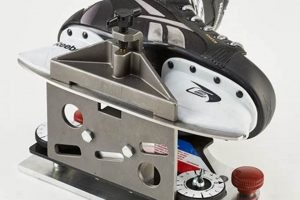
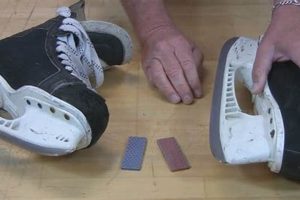
The effectiveness of blade sharpening significantly influences sharpness retention. Improper sharpening techniques can damage the blade edge, leading to rapid dulling and compromised performance. When utilizing economical ice skates, it is imperative to employ experienced sharpening professionals who possess the necessary skills and equipment to maintain the blade edge without causing irreparable damage. Regular professional sharpening, even on lower-grade blades, can extend the usable lifespan and improve performance.
The interplay between blade material, manufacturing processes, skating style, and sharpening techniques fundamentally impacts sharpness retention in “ice skates for cheap.” Recognizing these factors facilitates a more informed decision-making process, enabling individuals to optimize the value and performance of their equipment within budgetary constraints. Regular maintenance and careful usage can mitigate the limitations imposed by lower-grade materials and ensure a safe and enjoyable skating experience.
3. Boot comfort levels

Boot comfort levels represent a significant consideration when evaluating economically priced ice skates. The design and materials utilized in the boot’s construction directly influence the skater’s experience, potentially affecting performance, safety, and enjoyment. Reduced manufacturing costs often correlate with compromises in material quality and ergonomic design, leading to diminished comfort. For instance, cheaper skates might employ stiff, unyielding synthetic materials, resulting in discomfort and potential blistering during extended use. Conversely, higher-priced models typically incorporate supple leather or advanced composite materials, coupled with enhanced padding and anatomical shaping, providing superior comfort and support. Therefore, the acquisition of budget-friendly ice skates necessitates a careful assessment of the comfort trade-offs relative to cost savings.
The repercussions of inadequate boot comfort extend beyond mere inconvenience. Ill-fitting or uncomfortable skates can impede proper technique, hindering skill development and increasing the risk of injury. Blisters, chafing, and pressure points can distract the skater, reducing focus and control. Furthermore, discomfort may discourage frequent skating, negating the potential health benefits associated with the activity. Consider the case of a beginner who purchases inexpensive skates with minimal padding. The resulting discomfort might deter them from continuing to learn, whereas more comfortable skates could foster a positive initial experience and encourage continued participation. A more informed decision involves understanding the impact of boot construction on comfort and selecting skates that provide an acceptable balance between affordability and wearability.
In summary, boot comfort levels constitute an essential attribute of ice skates, directly impacting the skating experience. While budgetary constraints may necessitate compromises, prioritizing a reasonable degree of comfort is crucial for safety, performance, and sustained enjoyment. The challenge lies in identifying affordable options that minimize discomfort without sacrificing essential support and protection. Thorough assessment of materials, padding, and fit, combined with realistic expectations, facilitates a more informed purchasing decision.
4. Safety features

The incorporation of safety features in ice skates, particularly within the context of budget-conscious acquisitions, represents a critical intersection of cost and well-being. The presence and quality of such features directly influence the risk of injury associated with skating activities.
- Ankle Support Integrity
Ankle support integrity is paramount for preventing ankle sprains and instability during skating. Budget ice skates may compromise on the rigidity and height of the ankle support structure, potentially increasing the risk of injury, particularly for novice skaters. Higher-priced models typically incorporate reinforced ankle supports made from durable materials, offering greater stability and protection. The trade-off between cost and ankle support should be carefully evaluated, prioritizing adequate support even within budget constraints. Skaters can explore additional external ankle supports if the skate’s built-in support is insufficient.
- Blade Mounting Security
The security of the blade mounting system is crucial for preventing blade detachment, which could lead to a fall and potential injury. Economically priced ice skates may utilize less robust mounting hardware or less durable attachment methods, increasing the risk of blade separation. Higher-quality skates typically feature securely riveted or bolted blades, providing greater stability and resistance to detachment. Regular inspection of the blade mounting is advisable, regardless of the skate’s price point, to ensure structural integrity and prevent accidents. Tightening loose screws or rivets can mitigate some risks associated with lower-cost skates.
- Toe Protection Robustness
Toe protection is essential for safeguarding the toes from impact injuries, particularly in activities such as hockey or figure skating. Budget ice skates may feature thinner or less protective toe caps, offering limited protection against collisions or accidental impacts. Premium skates typically incorporate reinforced toe caps made from impact-resistant materials, providing superior protection. While toe protection is less critical for recreational skating, it remains an important consideration for activities involving higher risk of impact. Skaters may consider adding external toe guards to supplement the protection offered by lower-cost skates.
- Material Quality and Impact Resistance
The overall material quality of the boot directly affects its impact resistance and ability to protect the foot from injury. Economically priced ice skates may utilize less durable materials that offer limited protection against impacts. Higher-quality skates typically incorporate robust materials that can withstand significant impact forces, reducing the risk of injury. While budget constraints may limit the availability of premium materials, it is important to assess the boot’s overall construction and select skates that provide adequate protection for the intended activity. Proper lacing and fit can enhance the boot’s protective capabilities, even in lower-cost models.
These facets underscore the critical importance of evaluating safety features, even when seeking budget-friendly skating equipment. Compromises in these areas can significantly elevate the risk of injury. Therefore, a balanced approach is essential, prioritizing adequate protection while remaining mindful of budgetary limitations. Regular maintenance and inspection can help mitigate potential safety risks associated with lower-cost options.
5. Intended usage frequency

The relationship between intended usage frequency and the acquisition of economically priced ice skates is demonstrably causal. Higher intended usage directly correlates with a requirement for greater durability and performance, potentially negating the cost savings associated with cheaper equipment. The converse also holds true: infrequent use may justify the purchase of more affordable options. The importance of usage frequency lies in its role as a primary determinant of suitable skate quality and longevity. For example, an individual intending to skate only once or twice annually might find entry-level skates entirely adequate, whereas a skater planning weekly rink visits necessitates a more substantial investment to ensure equipment longevity and safety.
A practical example of this connection is observed in recreational hockey leagues. Players participating in such leagues, engaging in weekly games and practices, often require skates designed for more intense use. Consequently, they typically opt for mid-range or higher-end models, sacrificing the initial cost savings for improved performance, ankle support, and blade durability. Conversely, an occasional skater enjoying leisurely sessions on a frozen pond might find that inexpensive recreational skates adequately meet their needs. This illustrates the practical significance of aligning skate quality with intended usage levels to optimize value and avoid premature equipment failure. Furthermore, improper alignment can lead to safety hazards, such as ankle instability or blade detachment, highlighting the need for informed decision-making.
In summary, the intended frequency of use serves as a key factor in determining the appropriateness of economically priced ice skates. Individuals anticipating frequent and intensive use should prioritize durability and performance over initial cost savings, while those with infrequent recreational intentions may find budget-friendly options suitable. Understanding this relationship ensures a more informed purchasing decision, maximizing value and minimizing the risk of premature equipment failure or safety hazards. The challenge lies in accurately assessing intended usage patterns and selecting equipment that adequately meets those demands without exceeding budgetary constraints. This understanding is crucial for ensuring both a positive skating experience and a responsible allocation of resources.
6. Size accuracy

The precision of size in ice skates, especially within the context of economically priced options, presents a significant challenge. Inaccurate sizing can negate the benefits of reduced cost, leading to discomfort, impaired performance, and potential safety risks. The following points detail critical aspects of size accuracy in budget-friendly ice skates.
- Standardization Discrepancies
Variations exist across different manufacturers regarding sizing standards for ice skates. A size 9 skate from one brand may not correspond directly to a size 9 from another, creating uncertainty for consumers. Economically priced skates may exhibit even greater deviations from established standards due to less stringent quality control. Therefore, reliance solely on numerical size designations is ill-advised. Measurement of foot length and width, combined with consulting brand-specific size charts, is recommended. This is particularly vital when purchasing online, where physical try-on is impossible.
- Fit Compromises Due to Cost
The manufacturing of precisely fitted ice skates necessitates investments in tooling and skilled labor. Budget-conscious manufacturers may prioritize cost reduction over exacting dimensional accuracy, leading to skates with less refined fit characteristics. For instance, a skate may be nominally the correct length but exhibit excessive width or insufficient volume in the toe box. Such compromises can result in discomfort, blistering, and impaired skating technique. Insoles and padding may offer some mitigation, but cannot fully compensate for inherent fit inaccuracies. Skaters should prioritize a snug, secure fit around the heel and instep to minimize slippage and maximize control.
- Impact on Performance and Injury Risk
Imprecise sizing directly impacts skating performance and elevates the risk of injury. Skates that are too large can result in excessive foot movement within the boot, leading to instability and reduced control. Conversely, skates that are too small can constrict blood flow and cause discomfort, potentially leading to blisters, numbness, and impaired circulation. Both scenarios increase the likelihood of falls and other skating-related injuries. Selecting the appropriate size is paramount for maintaining stability, control, and comfort on the ice. Skaters, especially beginners, should seek guidance from experienced skate fitters to ensure proper sizing.
- Material Flexibility Limitations
The materials used in the construction of economically priced ice skates often exhibit limited flexibility and moldability compared to higher-end models. This can exacerbate the challenges associated with size accuracy. Inflexibility hinders the skate’s ability to conform to the unique contours of the wearer’s foot, increasing the potential for pressure points and discomfort. Softer, more pliable materials allow for a more customized fit, even with slight size discrepancies. When selecting budget-friendly skates, it is important to assess the material’s flexibility and consider aftermarket options, such as heat molding or custom insoles, to improve fit and comfort.
In conclusion, the importance of accurate sizing cannot be overstated when acquiring “ice skates for cheap.” While cost savings are attractive, prioritizing proper fit is essential for ensuring safety, performance, and enjoyment. A thorough assessment of foot measurements, consultation with size charts, and consideration of material flexibility are crucial steps in mitigating the challenges associated with size inaccuracies in budget-friendly options. Compromising on fit to save money may ultimately lead to a less satisfying and potentially hazardous skating experience.
Frequently Asked Questions
The following addresses common inquiries regarding the purchase of ice skates at reduced price points. The information provided aims to offer clarity and informed guidance.
Question 1: Are “ice skates for cheap” safe for use?
Safety is paramount, irrespective of price. Economically priced ice skates are safe if they fit properly, provide adequate ankle support, and the blades are securely attached. Prioritize these safety factors over cost alone. Regular inspection and maintenance are critical.
Question 2: What compromises are inherent in “ice skates for cheap”?
Compromises typically involve material quality, durability, and specialized features. Lower-priced skates often utilize less robust materials, resulting in reduced longevity and potentially diminished performance compared to higher-end models.
Question 3: How does intended usage frequency impact skate selection when seeking “ice skates for cheap”?
Intended usage frequency directly influences the required level of durability and support. Infrequent use may justify a more economical option, while regular skating necessitates a more durable and supportive skate, regardless of initial cost.
Question 4: Where are viable sources for obtaining “ice skates for cheap”?
Potential sources include outlet stores, online marketplaces (exercise caution), secondhand sporting goods stores, and rental programs. Seasonal sales events often present opportunities for discounted pricing. Thorough inspection is always recommended before purchase.
Question 5: What maintenance considerations are crucial for “ice skates for cheap”?
Regular blade sharpening, inspection for loose rivets or worn components, and proper drying after use are crucial for extending the lifespan and maintaining the safety of economically priced ice skates. Promptly address any signs of damage or wear.
Question 6: Can “ice skates for cheap” be suitable for figure skating or hockey?
Entry-level ice skates may be suitable for beginner figure skating or recreational hockey. However, serious participation in these activities necessitates skates designed for the specific demands, offering enhanced support and performance characteristics, which may require a greater financial investment.
In summary, acquiring ice skates within budgetary constraints necessitates a careful evaluation of safety, intended usage, and potential compromises. Prioritizing essential features and engaging in regular maintenance can mitigate some of the limitations associated with economically priced equipment.
The subsequent article sections will explore specific brands and models known for offering a balance of affordability and quality.
Conclusion
The preceding discourse has explored the multifaceted considerations inherent in acquiring “ice skates for cheap.” The availability of such options expands access to ice skating activities, yet necessitates a nuanced understanding of the trade-offs between cost savings and essential features like safety, durability, and comfort. Informed decision-making, encompassing a thorough assessment of individual needs and budgetary constraints, remains paramount for optimizing the value and ensuring a positive and safe skating experience.
As technology and manufacturing processes continue to evolve, the potential for more affordable and high-quality ice skates may increase. However, prudent consumers must remain vigilant, prioritizing safety and performance over mere price reduction. Continued research and careful consideration will remain crucial for navigating the market and selecting equipment that adequately meets individual requirements. The goal remains to foster participation in ice skating while mitigating potential risks through informed purchasing practices.