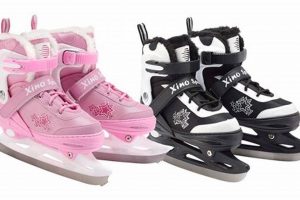
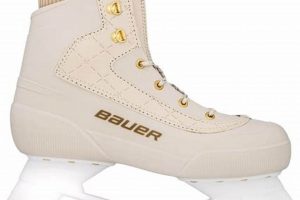
These are footwear designed for gliding across ice surfaces. Typically, they feature a supportive boot attached to a metal blade. The boot provides ankle stability, while the blade facilitates movement on frozen water. Models exist for diverse skill levels, from recreational users to professional athletes.
The popularity of these skates reflects their role in winter recreation and sport. Their availability has contributed to the accessibility of ice skating as a leisure activity. Furthermore, their construction and design have evolved over time, incorporating advancements in materials and manufacturing techniques to enhance performance and comfort. Their historical significance connects to the cultural landscape of winter sports and recreation.
This article will delve into the characteristics, features, selection considerations, and maintenance aspects associated with these skates, offering a practical guide for both novices and experienced skaters.
Tips for Selecting and Maintaining Ice Skates
The following guidelines are provided to assist in the proper selection and care of ice skates, ensuring optimal performance and longevity.
Tip 1: Size Appropriately: Precise fit is paramount. Feet should fill the boot without excessive tightness or looseness. Ill-fitting skates compromise ankle support and skating efficiency.
Tip 2: Assess Blade Quality: High-carbon steel blades offer enhanced edge retention compared to stainless steel. Edge sharpness directly impacts grip and control on the ice.
Tip 3: Inspect Ankle Support: Adequate ankle support prevents injury. Stiffer boots provide greater support for beginners; more flexible boots allow for advanced maneuvers.
Tip 4: Sharpen Blades Regularly: Routine blade sharpening is crucial. Frequency depends on usage. Dull blades reduce control and increase the risk of falls.
Tip 5: Dry Blades After Use: Thoroughly dry blades after each skating session. Moisture accelerates corrosion, reducing blade lifespan and performance.
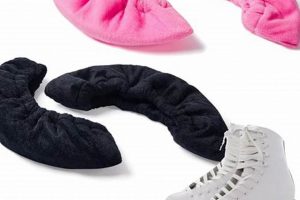
Tip 6: Use Blade Guards: Always use blade guards when walking off the ice. This protects the edges from damage caused by abrasive surfaces.
Tip 7: Maintain Proper Lacing: Ensure consistent and firm lacing throughout the boot. This distributes pressure evenly and provides maximum ankle stability.
Adhering to these tips will contribute to a safer and more enjoyable skating experience, while also extending the lifespan of the equipment.
The subsequent sections of this article will cover specific maintenance procedures and advanced skating techniques.
1. Blade Material

The blade material is a critical determinant of the performance and lifespan of these ice skates. The properties of the steel directly affect edge retention, glide efficiency, and resistance to corrosion. High-carbon steel, a common choice, offers superior edge hardness, allowing for sharper edges and enhanced control on the ice. Stainless steel, while more resistant to rust, typically requires more frequent sharpening due to its lower hardness. For instance, a skater executing complex maneuvers requires the precision afforded by a high-carbon steel blade, whereas a recreational skater might prioritize the ease of maintenance associated with stainless steel.
The blade’s material also influences its response to temperature fluctuations. Certain steels exhibit changes in hardness at extreme temperatures, potentially affecting performance in varying weather conditions. Improper storage and maintenance can exacerbate corrosion, regardless of the initial blade material. Protective measures, such as drying blades after each use and applying rust inhibitors, become crucial for preserving blade integrity. The choice of blade material, therefore, directly impacts the skate’s suitability for specific purposes and environments.
In summary, the connection between blade material and the overall functionality of these skates is undeniable. The material dictates edge quality, durability, and the level of maintenance required. Selecting a skate with an appropriate blade material is essential for optimizing performance and maximizing the longevity of the equipment. Understanding this connection allows skaters to make informed purchasing decisions and adopt effective maintenance practices, thereby enhancing their skating experience.
2. Ankle Support

Ankle support is a fundamental characteristic of ice skates that significantly impacts stability, control, and injury prevention. The design and construction of the skate boot directly determine the level of support provided, influencing the skater’s ability to maintain balance and execute movements effectively.
- Boot Stiffness and Material
The rigidity of the boot material is a primary determinant of ankle support. Stiffer materials, such as reinforced polymers or leather, restrict ankle movement, providing greater stability for novice skaters or those requiring additional support. Conversely, more flexible materials allow for a greater range of motion, facilitating advanced maneuvers for experienced skaters. The choice of material should align with the skater’s skill level and intended use.
- Boot Height and Cuff Design
The height of the boot and the design of the cuff contribute to the overall ankle support. A higher boot extends further up the leg, providing increased lateral stability. The cuff, which wraps around the ankle, can be designed with varying degrees of flexibility to accommodate different skating styles. A tightly laced, high-cuffed boot offers maximum support, while a lower cuff allows for greater freedom of movement in the ankle joint.
- Internal Padding and Liner
The internal padding and liner of the skate contribute to comfort and support. Padding around the ankle area cushions the joint and minimizes friction. A well-designed liner conforms to the shape of the foot and ankle, providing a secure and supportive fit. The quality and density of the padding material influence the overall level of comfort and stability experienced by the skater.
- Lacing System and Closure Mechanisms
The lacing system plays a crucial role in achieving proper ankle support. A well-designed lacing system allows for precise adjustments, ensuring a snug and secure fit around the ankle. Additional closure mechanisms, such as buckles or straps, can further enhance stability and prevent ankle movement within the boot. Consistent and firm lacing is essential for maximizing the effectiveness of the ankle support provided by the skate.
In conclusion, ankle support is a multifaceted aspect of these ice skates, directly influencing performance and safety. The interplay between boot stiffness, height, internal padding, and the lacing system collectively determines the level of stability and control afforded to the skater. Appropriate selection and maintenance of these skates contribute to a safe and enjoyable skating experience.
3. Size Precision

Accurate sizing is paramount when selecting these ice skates. A precise fit optimizes performance, comfort, and safety, directly impacting the skating experience. Improper sizing can lead to discomfort, blisters, reduced control, and an increased risk of injury.
- Foot Measurement and Skate Size Conversion
Obtaining accurate foot measurements is the initial step in ensuring proper skate fit. Length and width should be measured while wearing socks of the intended thickness for skating. These measurements are then converted to the appropriate skate size, accounting for variations between manufacturers. Failure to accurately convert foot measurements often results in ill-fitting skates.
- Internal Boot Volume and Foot Shape Compatibility
Skate boot volume must correspond to the skater’s foot volume. Too little volume results in excessive pressure and discomfort; too much volume allows the foot to move excessively within the boot, reducing control and increasing the likelihood of blisters. Foot shape, including arch height and width, also influences compatibility with specific skate models. A narrow foot in a wide skate will experience instability, while a wide foot in a narrow skate will suffer discomfort and potential injury.
- Impact on Performance and Control
Precise sizing directly affects skating performance. Skates that are too large compromise ankle support and make precise maneuvers difficult. Skates that are too small restrict foot movement and cause discomfort, hindering performance. A properly sized skate allows for optimal energy transfer from the skater to the ice, enhancing control and agility. Example: In ice hockey, improperly sized skates can reduce a player’s speed and agility, impacting their ability to compete effectively.
- Long-Term Foot Health and Injury Prevention
Consistently wearing improperly sized skates can lead to long-term foot problems, including bunions, calluses, and nerve damage. Insufficient ankle support due to oversized skates increases the risk of ankle sprains and fractures. Proper sizing minimizes friction within the boot, reducing the likelihood of blisters. Selecting a skate that accommodates the foot’s natural shape and size promotes foot health and prevents injuries associated with prolonged skating.
In conclusion, the relationship between precise sizing and optimal skating outcomes is undeniable. Accurate foot measurements, consideration of foot shape, and selection of a skate that provides a snug yet comfortable fit are essential for maximizing performance, minimizing discomfort, and preventing injuries associated with skating. Size Precision is a critical investment that should be looked at before buying a pair of canadian flyer ice skates
4. Boot Comfort

Boot comfort is a crucial determinant of user satisfaction and performance within the context of ice skates. The design, materials, and construction of the boot directly influence the skater’s experience, affecting factors such as endurance, control, and the likelihood of injury. Inadequate comfort can lead to distractions, reduced agility, and premature fatigue, negating the benefits of other skate features. This element is important, especially in canadian flyer ice skates for the best user experience.
Boot comfort arises from several interacting factors. These include the quality of the internal padding, the breathability of the materials used, and the anatomical correctness of the boot’s shape. High-quality padding cushions the foot and minimizes friction, reducing the incidence of blisters and pressure points. Breathable materials promote airflow, preventing moisture buildup and maintaining a stable internal temperature. A well-shaped boot conforms to the foot’s contours, distributing pressure evenly and providing a secure, supportive fit. For instance, a skater wearing skates with poorly designed padding may experience discomfort and reduced performance, particularly during extended skating sessions. In contrast, a skater with well-designed, comfortable boots can focus on technique and execution, maximizing their capabilities.
The practical significance of boot comfort extends beyond immediate user experience. Long-term foot health is directly affected by the fit and comfort of ice skates. Chronic discomfort can lead to the development of foot problems, such as bunions, calluses, and nerve damage, potentially impacting the skater’s ability to continue skating. Therefore, prioritizing boot comfort is an investment in both short-term enjoyment and long-term well-being. Addressing the need for comfort in skating provides a better experience for many Canadian Flyer ice skates users. This makes comfort a vital design consideration that affects customer satisfaction, performance, and long-term health.
5. Lace System
The lace system in ice skates is an integral component directly influencing fit, support, and performance. Its function extends beyond simple fastening; it dictates how the boot conforms to the foot, affecting stability, energy transfer, and overall skating experience.
- Lace Material and Durability
Lace material affects longevity and performance. High-tenacity synthetic fibers, such as nylon or polyester, resist stretching and abrasion better than natural fibers. Durability ensures consistent support and prevents premature lace failure, which could compromise safety. A robust lace material contributes to the skate’s overall reliability.
- Lace Configuration and Eyelet Design
The configuration of the lacing system, including the spacing and arrangement of eyelets, influences pressure distribution. Closely spaced eyelets allow for finer adjustments, accommodating variations in foot shape. Reinforced eyelets prevent tearing and maintain lace tension. An optimized configuration ensures a secure and comfortable fit across the entire foot.
- Lace Locking Mechanisms and Zones
Lace locking mechanisms, such as hooks or cleats, allow for independent tightening in different zones of the boot. This enables customized support for the ankle and instep, accommodating individual needs. Zonal lacing enhances performance by optimizing fit and preventing heel lift. For example, a skater might tighten the ankle zone for greater stability during jumps.
- Impact on Ankle Support and Performance
A well-executed lace system contributes significantly to ankle support. By securing the foot within the boot, it prevents excessive movement and reduces the risk of injury. Adequate ankle support facilitates efficient energy transfer, improving skating performance. A properly laced skate allows for precise control and enhances maneuverability.
In summary, the lace system is a critical element in the design of ice skates, directly influencing fit, support, and performance. The choice of materials, configuration, and locking mechanisms determines the effectiveness of the system and its contribution to the overall skating experience. Skaters benefit from understanding these aspects to optimize their equipment for safety and performance. Each one of the lace system properties improves user experience, especially with canadian flyer ice skates.
6. Blade Sharpening
The performance of these ice skates is critically dependent on the condition of their blades. The sharpness of the blade directly affects a skater’s ability to grip the ice, execute turns, and maintain speed. Dull blades reduce control, increase the risk of falls, and diminish overall skating efficiency. Regular sharpening is, therefore, an indispensable maintenance practice for users of these skates. The frequency of sharpening varies depending on usage, ice conditions, and the skater’s skill level. However, routine maintenance is essential for optimizing performance.
A properly sharpened blade possesses two distinct edges, inner and outer, that engage the ice during turns and maneuvers. These edges allow the skater to apply pressure and maintain stability. Over time, these edges become rounded or nicked, reducing their effectiveness. Sharpening restores the edges to their optimal condition, providing the necessary grip for controlled skating. This process involves the removal of small amounts of metal from the blade to create a sharp, well-defined edge. Improper sharpening techniques can damage the blade, altering its profile and negatively impacting performance. It is, therefore, recommended that sharpening be performed by a trained professional using specialized equipment.
Consistent blade sharpening is not merely a matter of performance enhancement but also a safety consideration. Dull blades require more effort to control, increasing the likelihood of accidents and injuries. Regular maintenance ensures that the skates perform as intended, providing the skater with the necessary confidence and control. This practice extends the lifespan of the skates, protecting the investment in quality equipment. Routine upkeep is necessary for optimal performance. Neglecting blade maintenance compromises safety and diminishes the enjoyment of the activity.
7. Model Suitability

Model suitability, within the context of these ice skates, refers to the appropriateness of a specific skate model for a user’s skill level, intended use, and physical characteristics. The selection of an unsuitable model can lead to diminished performance, increased risk of injury, and a compromised skating experience. Various models exist, each designed with specific features and intended for a particular range of abilities. A beginner model, for example, will typically prioritize ankle support and stability, whereas an advanced model will emphasize flexibility and responsiveness. The failure to align the skate model with the skater’s needs can have negative consequences. For example, placing a novice skater in a high-performance model can overwhelm them, increasing the likelihood of falls and hindering skill development. Conversely, confining an experienced skater to a beginner model restricts their ability to execute advanced maneuvers, limiting their potential. Therefore, careful consideration of model suitability is essential for maximizing performance and safety.
The classification of skate models typically includes recreational, figure, hockey, and speed skates, each exhibiting distinct design characteristics. Recreational skates prioritize comfort and ease of use, suitable for casual skating on public rinks. Figure skates feature a specialized blade with a toe pick, designed for jumps and spins. Hockey skates emphasize agility and protection, equipped with reinforced boots and blade holders. Speed skates are engineered for maximum speed and efficiency, featuring long blades and streamlined boots. An individual considering purchasing these skates should carefully evaluate their skating objectives and choose a model that aligns with their intended use. A hockey player, for instance, should select a hockey skate, while a figure skater should opt for a figure skate, to benefit from the specialized features of each model.
In summary, model suitability is a crucial determinant of the effectiveness and safety of these ice skates. Understanding the distinct characteristics of different models and aligning those characteristics with the skater’s skill level, intended use, and physical attributes is essential for optimizing the skating experience. Failure to address this consideration can lead to diminished performance, increased risk of injury, and a compromised skating experience. Model selection contributes to both safety and enjoyment and should be considered a critical part of the purchasing decision.
Frequently Asked Questions about Canadian Flyer Ice Skates
The following section addresses common inquiries regarding selection, maintenance, and usage of these skates. The information presented aims to provide clarity and guidance for both novice and experienced skaters.
Question 1: How does one determine the appropriate size for these skates?
Accurate foot measurement is essential. Foot length and width should be measured while wearing socks of the intended thickness for skating. Consult the manufacturer’s sizing chart to convert measurements to the corresponding skate size.
Question 2: What are the key differences between recreational and performance models?
Recreational models prioritize comfort and support, suitable for casual skating. Performance models emphasize responsiveness and agility, designed for advanced maneuvers. Performance models typically will last longer than the recreational version.
Question 3: How frequently should the blades of these skates be sharpened?
Sharpening frequency depends on usage and ice conditions. Regular inspection of the blade edges is recommended. If the edges appear rounded or nicked, sharpening is necessary.
Question 4: What steps should be taken to prevent rust on the blades?
Thoroughly dry the blades after each use. Apply a rust inhibitor to the blades before storing the skates. Use blade guards when walking on surfaces other than ice.
Question 5: How does one properly lace these skates for optimal ankle support?
Ensure consistent and firm lacing throughout the boot. Tighten the laces progressively from the toes to the ankle, providing a snug and secure fit. Utilize lace locking mechanisms, if present, to maintain tension in specific zones.
Question 6: What are the common signs that these skates are no longer suitable for use?
Excessive wear and tear, including significant damage to the boot or blade, compromises safety. Inadequate ankle support due to boot deformation necessitates replacement. If the blade is severely corroded or cannot be sharpened effectively, the skates should be replaced.
This information provides a foundational understanding of common concerns related to these skates. Proper care and maintenance are essential for ensuring safety and maximizing performance.
The subsequent section will delve into advanced techniques for maintaining optimal blade performance.
Conclusion
This article has explored essential considerations pertaining to Canadian Flyer ice skates. The discussions encompassed blade material, ankle support, size precision, boot comfort, lacing systems, blade sharpening, and model suitability. Each of these factors contributes significantly to the overall performance, safety, and longevity of the equipment. Understanding these aspects is crucial for making informed purchasing decisions and implementing effective maintenance practices.
The information presented serves as a foundation for optimizing the skating experience. Continued adherence to proper selection and maintenance procedures will ensure the sustained utility of Canadian Flyer ice skates and facilitate safe and enjoyable participation in ice skating activities. Prioritize careful evaluation and diligent care to maximize the benefits derived from this equipment.