These miniature skateboards, often replicated after real-world brands and designs, provide a scaled-down version of skateboarding. An integral component involves the decorative graphic applied to the boards surface; these graphics frequently represent established skateboard companies or feature original artwork. These components allow enthusiasts to mimic skateboarding tricks using their fingers rather than their feet, offering an accessible and portable outlet for skateboarding passion.
The appeal of this miniature hobby lies in its ability to emulate the dexterity and skills required for actual skateboarding. Its popularity stems from its accessibility as a desk toy or a means to practice and visualize complex skateboarding maneuvers. Originally a niche interest, it has evolved into a recognized pastime, even influencing skateboarding culture through the reproduction of popular board designs and brand awareness. It provides entertainment and serves as a gateway for some individuals to develop an interest in real skateboarding.
The following sections will delve deeper into the specific aspects of these miniature skateboards, including the various brands, construction materials, common tricks, and collecting practices associated with this engaging hobby. These topics will offer a comprehensive overview of this miniature world.
Guidance for Optimal Performance
The following guidelines address techniques and practices to enhance proficiency and enjoyment with the miniature skateboard.
Tip 1: Surface Selection: Employ a smooth, non-abrasive surface. A clean tabletop or polished floor will minimize friction and maximize performance. A textured surface will hinder smooth movement.
Tip 2: Finger Positioning: Position index and middle fingers across the board’s surface. Experiment with placement to find the optimal balance point. Slight adjustments can significantly impact control.
Tip 3: Controlled Propulsion: Execute smooth, controlled pushes with the fingers to generate momentum. Avoid jerky or abrupt movements, which can disrupt balance and trajectory.
Tip 4: Master the Basic Ollie: The ollie serves as the foundation for more advanced tricks. Practice the finger flicking motion necessary to lift the board off the ground. Repetition is crucial.
Tip 5: Gradual Trick Progression: Begin with fundamental tricks and gradually introduce more complex maneuvers. Avoid attempting overly ambitious tricks before mastering the basics.
Tip 6: Consistent Practice: Dedicate regular time to practice. Consistent practice is essential for muscle memory and skill development. Even short, frequent sessions can yield improvements.
Tip 7: Component Maintenance: Periodically inspect and maintain the equipment. Ensure that the wheels spin freely and that the trucks are properly tightened. Addressing minor issues can prevent performance degradation.
These tips, when applied diligently, will contribute to improved execution and a more rewarding experience. Proficiency is attained through consistent effort and attention to detail.
The concluding section will summarize the key insights presented and offer final thoughts on this niche pursuit.
1. Construction Materials

The performance and longevity of a miniature skateboard are directly correlated with the materials used in its construction. The deck, typically composed of several thin layers of wood veneer pressed together, requires a balance of flexibility and rigidity. Harder woods, such as maple, offer greater durability and responsiveness, enabling sharper turns and smoother landings. Lower-quality materials, like cheaper plywood or composite boards, can be prone to warping, cracking, or delamination under stress, thereby hindering performance. Similarly, the trucks, which are the axles attaching the wheels to the deck, frequently consist of metal alloys like aluminum or steel. Stronger alloys resist bending or breakage during trick execution, a common outcome in realistic simulation.
Wheel materials also play a significant role. Polyurethane wheels, emulating their full-sized counterparts, provide a balance of grip and slide, allowing for controlled movements and realistic maneuvers. Conversely, hard plastic wheels offer minimal grip, reducing control. Bearings within the wheels, usually composed of steel, are crucial for smooth rotation and speed. High-precision bearings contribute to seamless spins, enhancing trick execution. Substandard bearings, conversely, create friction, impeding performance and necessitating more force to achieve the same result. The construction materials, therefore, are key to the toy’s appeal beyond just the aesthetic.
In summary, the selection of materials fundamentally dictates the overall quality and functionality of the subject matter. The use of high-grade materials translates directly into a durable, responsive, and performant item. Understanding these material properties allows for informed purchase decisions and appreciation for quality construction in the miniature skateboard world.The composition of a toy can have a major influence on its use, durability, and enjoyability.
2. Deck Graphics

Deck graphics on miniature skateboards are integral, serving both aesthetic and representative functions within the domain of the specified miniature item. These graphics often mirror designs found on full-sized skateboards, thus linking the miniature version to the broader skateboarding culture.
- Brand Representation
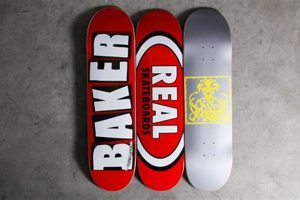
Graphics frequently incorporate logos and artwork from established skateboarding brands. This allows for brand recognition and association, creating a scaled-down version of the consumer experience and a marketing tool for the real world brands represented. Examples include designs from companies like Element, Zero, or Toy Machine, allowing fans to ‘own’ miniature versions of their favorite skateboard decks.
- Artistic Expression
Beyond brand representation, deck graphics can also showcase original artwork or licensed designs. This allows for creative expression and introduces a collectible element, appealing to individuals interested in art and design, offering an alternative to pure brand loyalty. These graphics could include illustrations, photographs, or abstract patterns, enhancing the aesthetic appeal of the miniature skateboard.
- Historical Significance
Certain graphics become iconic and represent specific eras or moments in skateboarding history. Replicating these graphics on miniature skateboards serves as a form of preservation, a historical marker, and also connects with an older generation of skateboard enthusiasts. Examples include graphics associated with legendary skaters or pivotal skateboarding videos, increasing the collectible value of the miniatures.
- Collectibility and Value
The presence and condition of deck graphics directly impact the collectibility and market value. Rare or limited-edition graphics increase desirability among collectors. Worn or damaged graphics detract from the item’s appeal and reduce its value. The graphics act as a key differentiator and a primary factor in determining worth within the miniature skateboard market.
In summation, deck graphics on the miniature skateboard serve as more than mere decoration. They represent brand affiliation, artistic expression, historical context, and influence collectibility. They tie the item to the larger skateboarding world, making these miniatures far more than just toys.
3. Truck Assembly

The truck assembly on a miniature skateboard is a critical component influencing functionality and overall performance. As with full-sized skateboards, the trucks serve as the pivotal connection between the deck and the wheels. Their design and construction directly impact the board’s turning ability, stability, and responsiveness to finger movements. A well-designed truck assembly allows for precise control, enabling the execution of complex maneuvers such as ollies, kickflips, and grinds. Conversely, a poorly designed or constructed truck assembly can hinder performance, making it difficult to control the miniature skateboard effectively. For example, loose or wobbly trucks can result in instability, making it challenging to maintain balance during tricks, similarly stiff trucks may make the turning difficult.
The truck assembly typically comprises several key components, including the baseplate, hanger, kingpin, bushings, and pivot cup. The baseplate attaches the truck to the deck, while the hanger houses the axle and provides the surface for grinding. The kingpin secures the hanger to the baseplate, and the bushings provide cushioning and allow for turning. The pivot cup cushions the pivot point of the hanger, ensuring smooth movement. The quality of these components and their assembly significantly affect the overall performance of the miniature skateboard. For instance, higher-quality bushings provide a smoother, more responsive turning experience. Similarly, a durable hanger made from a robust material can withstand the stresses of repeated use, prolonging the lifespan of the truck assembly.
In summary, the truck assembly represents a vital element affecting performance. Its design, construction, and component quality significantly impact maneuverability, stability, and overall user experience. Understanding the intricacies of truck assembly allows for informed selection and maintenance, ultimately enhancing the performance of the miniature skateboard and improving the user’s ability to execute tricks and maneuvers. Careful attention to this often overlooked element is crucial for maximizing enjoyment of the scaled-down skateboarding experience.
4. Wheel Bearings

Wheel bearings are crucial components of the finger skateboard, significantly influencing its performance and the ability to execute tricks. The bearings facilitate smooth wheel rotation, translating directly to the board’s speed and responsiveness. Inferior bearings cause friction, hindering performance and making tricks more difficult to execute. Quality bearings are vital for a fluid experience.
- Reduced Friction
The primary function of wheel bearings is to minimize friction between the wheel and the axle. Lower friction allows the wheels to spin freely with minimal force, enabling higher speeds and smoother gliding. This is particularly important for executing tricks that require momentum and controlled movement. Without low-friction bearings, even basic maneuvers become significantly more challenging, affecting the user experience.
- Impact on Speed and Momentum
The quality of wheel bearings directly affects the speed and momentum a finger skateboard can achieve. Higher-quality bearings with tighter tolerances and superior lubrication allow the wheels to spin faster and maintain momentum for longer periods. This is critical for executing tricks that require sustained speed or for covering greater distances on a miniature skateboarding surface. High end bearings are often a major source of upgrades for enthusiasts of the miniature boards.
- Durability and Longevity
The materials and construction of wheel bearings influence their durability and lifespan. Bearings made from high-quality steel or ceramic are more resistant to wear and corrosion, ensuring consistent performance over time. Proper maintenance, such as cleaning and lubrication, can further extend the lifespan of the bearings, preserving the finger skateboard’s responsiveness and performance characteristics. Bearings can often be transferred across different boards when upgrading.
- Effect on Trick Execution
The smoothness and speed provided by high-quality wheel bearings are essential for executing complex tricks. The ability to generate and maintain momentum allows for greater control and precision, increasing the likelihood of successfully landing tricks. The wheel bearing allows for the simulation of more complex board movements, even in a miniature context. Substandard bearings create a jerky, unpredictable motion, hindering performance and increasing the difficulty of even basic tricks.
The wheel bearings directly influence the performance of the “finger skate tech deck element”. They are a key factor that separates high-quality miniature skateboards from inferior models. Therefore, careful consideration of the quality and maintenance of wheel bearings is essential for maximizing the enjoyment and performance of this miniature hobby.
5. Deck Shape

The deck shape of a miniature skateboard directly influences its handling and responsiveness, significantly impacting the user’s ability to perform tricks. Certain shapes are better suited for specific maneuvers. For example, a deeper concave can provide increased grip and control during flip tricks, whereas a flatter deck may offer greater stability for grinds. The size and curvature of the kicktail also contribute to the board’s pop, determining how high the board can be lifted off the surface. The specific shape chosen is a critical factor that either facilitates or hinders trick execution. A user attempting a kickflip on a deck with a minimal concave may find the maneuver significantly more challenging compared to using a deck designed with a deeper curve.
Differences in deck shape are also evident between different manufacturers and models of miniature skateboards. Tech Deck, a prominent brand, offers various deck shapes inspired by real-world skateboard designs. These replicas often maintain the essential characteristics of their full-sized counterparts, mirroring the concave, kicktail angle, and overall dimensions. Other brands may experiment with more stylized or unconventional shapes, potentially affecting performance and appealing to users seeking a unique aesthetic. Therefore, the user’s choice of brand and model also dictates the type of experience they can expect.
Understanding the connection between deck shape and performance is vital for selecting a suitable miniature skateboard. Novice users may benefit from starting with a more forgiving shape that provides enhanced stability, while experienced users may prefer a more specialized shape tailored to their preferred tricks. The deck shape represents a fundamental design element that shapes the user experience. It highlights the importance of material and form in the functional operation of any board simulation.
6. Grip Tape
Grip tape, a textured adhesive surface applied to the deck, is a critical component of a miniature skateboard. Its presence enables the execution of tricks, providing the necessary friction between the user’s fingers and the board’s surface. Without grip tape, the fingers would slide uncontrollably, preventing the precise movements required for ollies, kickflips, and other advanced maneuvers. The application of grip tape is a cause, while the ability to perform fingerboard tricks effectively is the effect. As such, grip tape is not merely an aesthetic addition but a functional necessity.
Grip tape on finger skateboards replicates the function of grip tape on full-sized skateboards. It facilitates control and allows the user to manipulate the board with precision. Differences in grip tape texture, from coarse to fine, influence the level of grip provided. Coarser grip tape may offer greater control for complex tricks, while finer grip tape may allow for smoother slides and transitions. Some miniature skateboard enthusiasts even customize the grip tape pattern to enhance performance or personalize the board’s appearance. This mimics the customization commonly seen within real world skate culture.
In summary, grip tape on a miniature skateboard serves a vital functional role, directly impacting the user’s ability to perform tricks and maintain control. Its importance extends beyond mere aesthetics, mimicking the crucial role of grip tape in real-world skateboarding. Without the correct type of Grip Tape for finger skate tech deck element, these boards will fail to function as desired and lack their expected effect.
7. Brand Authenticity

Brand authenticity is a significant factor in the perception and value of a miniature skateboard. The replication of established skateboarding brands, such as Element, Zero, or Plan B, on these miniature decks is a driving force in their appeal. The presence of accurate logos, graphics, and branding elements directly contributes to the miniature’s perceived authenticity, influencing its desirability among collectors and enthusiasts. A miniature skateboard faithfully replicating a popular real-world design is inherently more valuable than a generic or unbranded version. This value is driven by the collector’s desire to own a piece of skateboarding culture, scaled down to a collectible size.
The accuracy of the brand representation extends beyond mere logos. Elements such as deck shape, graphic placement, and even the included hardware (trucks, wheels) contribute to the overall sense of authenticity. Manufacturers who prioritize accuracy in replicating these details often command a higher price point and enjoy greater brand loyalty. For example, Tech Deck’s collaborations with established skateboard brands directly contribute to their market dominance. These collaborations allow them to release miniature versions of pro skater’s boards, further driving collectibility and appealing to a wider audience. Counterfeit or unlicensed miniatures lacking authentic branding often suffer from lower quality materials and inaccurate designs, diminishing their value and appeal. Without brand authenticity, the toy loses connection to its real world counter part.
In conclusion, brand authenticity significantly impacts the perceived value and desirability of the “finger skate tech deck element.” The accurate replication of established skateboarding brands and their associated graphics is a key factor influencing collectibility and overall appeal. Manufacturers who prioritize authenticity in their miniature skateboards can successfully leverage brand recognition and cultural relevance, solidifying their position in the market. A complete lack of brand authenticity can be detrimental to consumer interest and perceived value. The toy loses a great deal of its intrinsic draw to its target demographic when it is without its branding.
Frequently Asked Questions
The following addresses commonly asked questions regarding these miniature skateboards, aiming to clarify misconceptions and provide accurate information about their functionality and construction.
Question 1: Are all miniature skateboards of equal quality?
No. The quality of construction materials, specifically the deck wood, truck alloys, and wheel bearings, varies significantly between brands and models. Higher-quality materials translate to enhanced durability, responsiveness, and overall performance.
Question 2: How does the deck graphic influence the performance?
The deck graphic, while primarily aesthetic, indirectly influences collectibility and perceived value. A graphic that accurately replicates a popular real-world skateboard design adds to the board’s appeal but does not directly affect its functionality.
Question 3: What role do the wheel bearings play?
Wheel bearings minimize friction between the wheel and axle. High-quality bearings facilitate smooth wheel rotation, resulting in increased speed and improved responsiveness, which are essential for executing tricks.
Question 4: Why is grip tape necessary?
Grip tape provides the necessary friction between the fingers and the deck surface. This allows for precise control and the execution of tricks. Without grip tape, the fingers would slide uncontrollably, hindering maneuverability.
Question 5: Is brand authenticity crucial?
Yes. Brand authenticity, involving the accurate replication of logos, graphics, and branding elements from established skateboarding companies, significantly impacts the miniature skateboard’s perceived value and desirability among collectors.
Question 6: Can miniature skateboard skills translate to real skateboarding?
While it can assist with visualizing complex maneuvers and improving finger dexterity, proficiency with a miniature skateboard does not directly translate to real-world skateboarding skills. The two activities engage different muscle groups and require distinct physical abilities.
Understanding these aspects contributes to a more informed appreciation of these miniature skateboards, addressing common inquiries and improving user understanding.
The subsequent section will conclude the discussion.
Conclusion
This exploration of the “finger skate tech deck element” has illuminated the intricate details and diverse aspects contributing to its appeal and functionality. From the selection of construction materials impacting performance to the brand authenticity driving collectibility, each element contributes to the overall experience. Wheel bearings influence the board’s responsiveness, deck shape impacts trick execution, and grip tape ensures the necessary friction for control. These collective factors establish the miniature skateboard not merely as a toy but as a scaled-down representation of skateboarding culture.
The miniature skateboard’s enduring popularity stems from its ability to mimic the skills and creativity of real skateboarding, while remaining accessible and portable. This makes it a gateway to the sport for some, and a nostalgic hobby for others. Further research and development into miniature skateboard technology may yield even more realistic simulations and increased engagement, thereby solidifying its place within both the toy industry and the broader skateboarding community.


![Buy the Best Toy Machine Skate Decks | [Year] Guide | How to Skateboard: A Beginner's Guide to Your First Board & Tricks](https://cruzskateshop.com/wp-content/uploads/2026/03/th-366-300x200.jpg "Buy the Best Toy Machine Skate Decks | [Year] Guide How to Skateboard: A Beginner's Guide to Your First Board & Tricks")