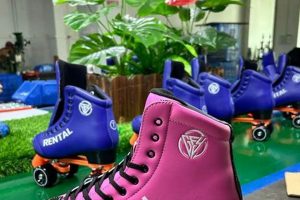
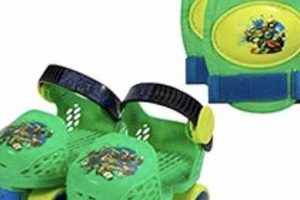
The selection of appropriate initial footwear for recreational skating is paramount for fostering a positive learning experience. These items typically prioritize stability, comfort, and ease of maneuverability, characteristics essential for individuals new to the activity. As an example, a product designed with a lower center of gravity and secure ankle support would generally be considered suitable for novice users.
The utilization of well-suited equipment can significantly reduce the risk of injury and accelerate skill acquisition. Historically, advancements in materials and design have led to more user-friendly options, thereby increasing accessibility to the sport. These improvements contribute to a more enjoyable and confidence-building introduction to roller skating.
This discussion will explore the key features to consider when choosing introductory-level equipment, encompassing aspects such as wheel type, boot construction, and closure systems. Furthermore, factors influencing the overall value proposition and long-term usability will be examined in detail.
Guidance for Selecting Introductory Skating Equipment
The following recommendations are intended to provide prospective purchasers with critical considerations when acquiring recreational skating equipment for novice users. Adherence to these guidelines can enhance safety and optimize the learning curve.
Tip 1: Prioritize Ankle Support: Adequate ankle support is fundamental for stability and control. Opt for equipment featuring high-cut boots constructed from rigid materials to minimize the risk of ankle strain or injury.
Tip 2: Evaluate Wheel Hardness: Softer wheels, typically ranging from 78A to 82A durometer, offer improved grip and shock absorption on various surfaces. This characteristic is particularly beneficial for outdoor skating and uneven terrain.
Tip 3: Consider Bearing Quality: Bearings significantly impact the smoothness and speed of the equipment. ABEC-rated bearings, ranging from ABEC 1 to ABEC 9, provide a standardized measure of precision. Higher ratings generally indicate smoother and faster performance, although ABEC 3 or 5 bearings are often sufficient for initial use.
Tip 4: Assess Closure Systems: Secure and adjustable closure systems are essential for maintaining a snug and comfortable fit. Laces, buckles, and hook-and-loop straps offer varying degrees of adjustability and security. A combination of these systems may provide the optimal balance.
Tip 5: Inspect Frame Material: The frame material influences the equipment’s weight and durability. Aluminum frames offer superior strength and responsiveness compared to plastic frames, but may also be more expensive. For recreational use, a high-quality plastic frame may be adequate.
Tip 6: Ensure Proper Fit: A well-fitting skate is crucial for comfort and control. Measure the foot accurately and consult sizing charts provided by the manufacturer. The fit should be snug but not constricting, allowing for natural foot movement.
Adherence to these recommendations ensures a more secure and enjoyable initial skating experience, enabling skill development and minimizing the potential for injury. Prudent selection of equipment is an investment in long-term recreational enjoyment.
The subsequent sections will delve into specific product categories and brands that align with these outlined criteria, offering a comparative analysis of available options.
1. Stable Ankle Support

Stable ankle support is a critical design element in introductory roller skates, directly influencing the skater’s balance and control. The inherent instability of skating necessitates robust support to mitigate the risk of ankle sprains and other related injuries, particularly during the initial learning phase. The absence of sufficient support can lead to compensatory movements, hindering the development of proper skating technique and increasing the likelihood of falls.
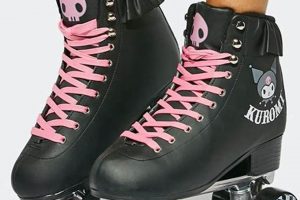
Roller skates intended for beginners often feature a high-cut boot design, constructed from rigid materials such as reinforced polymers or synthetic leather. This configuration effectively restricts lateral ankle movement, providing a stable platform for the foot. For example, a beginner attempting a basic forward roll will experience enhanced stability and reduced risk of ankle twisting with adequate support, fostering confidence and encouraging continued practice. Conversely, skates with inadequate ankle support may exacerbate instability, leading to frustration and discouragement.
In summary, stable ankle support is an indispensable component of quality introductory roller skates. It directly contributes to skater safety, facilitates the acquisition of fundamental skills, and promotes a positive initial skating experience. Overlooking this feature can negatively impact both short-term progress and long-term participation in the activity.
2. Appropriate Wheel Hardness

Wheel hardness plays a pivotal role in the overall performance and safety of roller skates, particularly for beginners. The durometer, measured on the “A” scale, quantifies a wheel’s resistance to indentation, with lower numbers indicating softer wheels and higher numbers representing harder wheels. Selection of an appropriate durometer rating directly impacts grip, speed, and shock absorption, all critical factors for novice skaters.
- Enhanced Grip and Control
Softer wheels (typically 78A-82A) offer superior grip on various surfaces, including concrete, asphalt, and indoor rinks. This enhanced grip is essential for beginners, providing increased stability and control during initial learning stages. The increased friction between the wheel and the skating surface reduces the likelihood of slipping, promoting confidence and facilitating the development of fundamental skating techniques.
- Improved Shock Absorption
Softer wheels exhibit greater shock absorption capabilities compared to harder wheels. This characteristic is especially beneficial when skating outdoors or on uneven surfaces. The ability to absorb vibrations and bumps reduces fatigue and enhances overall comfort, allowing beginners to focus on skill development without being hindered by discomfort or instability.
- Reduced Rolling Speed
Softer wheels generally possess lower rolling speeds compared to harder wheels. While experienced skaters may prefer the increased speed of harder wheels, reduced rolling speed is advantageous for beginners. Slower speeds provide greater control and reaction time, enabling novices to maintain balance and maneuver safely while learning to skate.
- Surface Compatibility
The optimal wheel hardness is dependent on the skating surface. Softer wheels are generally better suited for outdoor skating and rough surfaces, while harder wheels are more appropriate for smooth indoor surfaces. For beginners primarily skating outdoors, softer wheels offer a more forgiving and controllable experience. As skating skills progress, harder wheels can be considered for increased speed and responsiveness on smoother surfaces.
The selection of appropriate wheel hardness is an integral aspect of acquiring suitable roller skates for beginners. Prioritizing grip, shock absorption, and manageable rolling speed, typically achieved with softer wheels, contributes significantly to a safer, more comfortable, and more enjoyable initial skating experience. Careful consideration of the intended skating environment and individual skill level is crucial when determining the optimal wheel durometer for novice skaters.
3. Adjustable Closure System

The adjustable closure system is a fundamental element in the design of effective roller skates for beginners. It directly influences fit, comfort, and ultimately, the skater’s control and confidence. A properly designed closure system accommodates variations in foot size and shape, ensuring a secure and customized fit that is crucial for novice skaters learning to maintain balance and maneuver.
- Secure Fit and Ankle Stability
Adjustable closure systems contribute significantly to a secure fit, preventing excessive foot movement within the skate. This stability is paramount for ankle support, minimizing the risk of sprains and injuries. Systems that allow precise adjustments ensure the heel remains firmly seated in the boot, maximizing power transfer and enhancing control during turns and stops. Buckles and laces work in tandem to provide a snug fit that doesn’t impede circulation.
- Customizable Comfort
Beginner roller skates often require a break-in period. Adjustable closure systems enable skaters to fine-tune the fit as the boot conforms to their foot shape. This prevents pressure points and blisters, ensuring a comfortable experience even during extended practice sessions. Micro-adjustable buckles and strategically placed padding further enhance comfort, making the learning process more enjoyable.
- Ease of Use and Adjustment
The closure system should be intuitive and easy to operate, especially for beginners. Simple ratchet buckles, hook-and-loop straps, or traditional lacing systems allow for quick adjustments without requiring specialized tools or skills. Clear instructions and readily accessible adjustment points streamline the process, ensuring that skaters can easily customize the fit on their own. Avoid closure systems that are overly complex, as these can be frustrating for new users.
- Durability and Longevity
A robust closure system is essential for the long-term performance of roller skates. Buckles should be constructed from durable materials such as reinforced polymers or metal, capable of withstanding repeated use and impact. Laces should be made from abrasion-resistant fibers that won’t easily fray or break. A well-designed closure system ensures that the skates maintain a secure and comfortable fit over time, extending their lifespan and providing lasting value.
Integrating a well-designed adjustable closure system is a defining characteristic of high-quality roller skates for beginners. By providing a secure, comfortable, and customizable fit, these systems contribute directly to skater confidence, skill development, and overall enjoyment of the sport. Compromising on the quality or adjustability of the closure system can negatively impact the learning experience and increase the risk of injury.
4. Comfortable Boot Design
The design of the boot is a primary determinant of the overall skating experience, particularly for individuals new to roller skating. A comfortable boot enhances enjoyment, promotes longer practice sessions, and minimizes the risk of discomfort-related injuries. Its influence on the efficacy of introductory equipment cannot be overstated.
- Ergonomic Shaping and Fit
The internal contours of the boot should conform to the natural shape of the foot, providing ample room for toes while maintaining a snug fit around the heel and instep. A well-shaped boot minimizes pressure points and friction, reducing the likelihood of blisters and chafing. Real-world examples include boots with heat-moldable liners that allow for customized fitting or designs incorporating anatomical footbeds for enhanced support. Improper shaping can lead to foot fatigue and impede skill development.
- Breathable Materials and Ventilation
The materials used in boot construction should facilitate airflow and moisture wicking. Breathable liners and strategically placed ventilation ports help to regulate temperature and minimize perspiration buildup, preventing discomfort and reducing the risk of fungal infections. Examples include the use of mesh panels or moisture-wicking fabrics. Inadequate ventilation can lead to excessive sweating, resulting in slippery conditions inside the boot and increasing the risk of instability.
- Padding and Cushioning
Strategic placement of padding and cushioning can significantly enhance comfort and reduce impact forces. Areas prone to pressure or friction, such as the ankles and tongue, should be adequately cushioned to prevent discomfort. High-density foam or gel padding can absorb shocks and vibrations, minimizing stress on joints. The absence of sufficient padding can lead to pain and discomfort, hindering the skater’s ability to focus on skill development.
- Weight and Flexibility
The boot’s weight and flexibility should be optimized for ease of movement and maneuverability. Excessively heavy boots can lead to fatigue and impede agility, while boots that are too stiff can restrict range of motion and hinder proper technique. Lightweight materials and strategically placed flex zones can enhance comfort and improve performance. A balance between support and flexibility is essential for promoting a positive initial skating experience.
The aforementioned elements of boot design collectively influence the suitability of roller skates for beginners. Prioritizing ergonomic shaping, breathable materials, strategic padding, and optimized weight and flexibility ensures a comfortable and supportive fit that promotes confidence and facilitates skill acquisition. The selection of introductory equipment should, therefore, prioritize boot design as a critical factor in the overall skating experience.
5. Manageable Skate Weight

Skate weight exerts a significant influence on the learning curve for beginning roller skaters. Excessive weight necessitates greater exertion for propulsion and maneuverability, potentially leading to premature fatigue and diminished control. Lightweight equipment, conversely, facilitates easier movement and quicker adaptation to fundamental skating techniques. The correlation between manageable skate weight and suitable introductory equipment is therefore direct and impactful.
The cause-and-effect relationship is apparent; heavier skates demand more physical effort, particularly from individuals lacking developed leg muscles and coordination. This increased demand can manifest as reduced stability, slower reaction times, and heightened risk of falls. For instance, a child or smaller adult attempting to learn basic skating skills with oversized and weighty equipment will likely experience frustration and discouragement. In contrast, a lightweight skate allows for smoother gliding, easier turning, and improved balance, fostering a more positive and confidence-building learning experience.
The integration of lightweight materials, such as aluminum or reinforced polymers, in the frame and boot construction is pivotal in achieving manageable skate weight. This design consideration, combined with appropriately sized wheels and bearings, contributes to overall ease of use and reduced physical strain. Proper selection of lightweight equipment reduces fatigue, promotes longer practice sessions, and ultimately accelerates skill acquisition for beginner roller skaters. Prioritizing manageable skate weight represents a crucial element in facilitating a successful introduction to the sport.
Frequently Asked Questions
This section addresses common inquiries regarding the selection of appropriate roller skates for novice users. The information provided aims to clarify key considerations and dispel potential misconceptions, thereby facilitating informed purchasing decisions.
Question 1: Is there a specific wheel size recommended for beginner roller skates?
While wheel diameter varies across models, a moderate size (e.g., 54mm to 62mm) is generally suitable. Smaller wheels offer increased maneuverability and lower speed, while larger wheels provide faster rolling. The selection should balance these factors based on intended use and comfort level.
Question 2: How important is the ABEC rating of the bearings?
The ABEC rating measures bearing precision. While higher ratings (e.g., ABEC 7 or 9) signify greater accuracy and potentially smoother rolling, ABEC 3 or 5 bearings are typically adequate for beginner roller skates. The investment in higher-rated bearings is not essential for initial skill development.
Question 3: Are inline skates or quad skates more appropriate for beginners?
The suitability of inline versus quad skates is subjective and depends on individual preference. Quad skates, with their wider wheelbase, often provide greater initial stability. However, some individuals may find inline skates more intuitive. Trying both types is advisable, if feasible.
Question 4: What is the recommended level of ankle support for beginner roller skates?
High-cut boots constructed from rigid materials are recommended. Adequate ankle support is paramount for stability and injury prevention, particularly during the learning phase. Flexible or low-cut boots offer less support and are generally more appropriate for experienced skaters.
Question 5: How frequently should beginner roller skates be maintained?
Routine maintenance is crucial for prolonging the lifespan and ensuring the safe operation of roller skates. Wheels should be cleaned regularly to remove debris, and bearings should be lubricated periodically. Closure systems should be inspected and adjusted as needed. Refer to the manufacturer’s guidelines for specific maintenance recommendations.
Question 6: Should safety gear be purchased simultaneously with beginner roller skates?
The acquisition of appropriate safety gear, including a helmet, knee pads, elbow pads, and wrist guards, is strongly recommended. Safety gear significantly reduces the risk of injury and should be considered an essential component of any beginner skating setup.
In summary, the selection of initial skating equipment necessitates careful consideration of factors such as wheel size, bearing rating, skate type, ankle support, and maintenance requirements. Prioritizing safety and comfort is paramount for fostering a positive learning experience.
The subsequent section will provide specific product recommendations based on the criteria outlined in this and previous sections.
Concluding Remarks
The preceding analysis has explored the critical factors defining suitable initial roller skating equipment. Emphasis has been placed on stability, comfort, and safety features, reflecting the needs of novice users. The discussion encompassed ankle support, wheel characteristics, closure systems, boot design, and skate weight, underscoring their collective influence on the learning experience.
Informed selection of appropriate equipment facilitates skill development and minimizes the risk of injury. Prospective purchasers are encouraged to carefully consider the outlined recommendations to ensure a safe and enjoyable introduction to roller skating. Prioritizing these attributes represents a prudent investment in long-term recreational enjoyment and skill mastery.