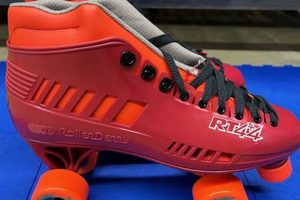
Individually tailored skating footwear offer a unique approach to the sport. This specialized equipment allows for adjustments in boot type, wheel composition, plate material, and bearing quality, optimizing performance and comfort. An example would be a skater selecting a stiff, heat-moldable boot combined with high-rebound wheels for enhanced responsiveness on a track surface.
The value of specialized skating equipment extends beyond mere aesthetics. The optimized fit and functionality can improve a skaters agility, speed, and overall control. Historically, skaters modified their equipment to gain a competitive edge, adapting components to specific skating styles and surfaces. This evolution led to the current diverse market offering customizable options for various disciplines, from recreational skating to competitive roller derby.
The following sections will delve into the specific components that contribute to the creation of personalized skating equipment. Considerations for choosing the right boot, plate, wheels, and bearings will be addressed. Further discussion will highlight the impact of these choices on skating performance and safety.
Optimizing Performance Through Personalized Skating Equipment
The selection and assembly of personalized skating equipment requires careful consideration of individual needs and skating goals. These recommendations aim to provide guidance in creating a setup that maximizes performance and minimizes risk.
Tip 1: Assess Skating Discipline: Different skating styles necessitate different equipment configurations. A speed skater requires a low-cut boot and lightweight chassis, while a roller derby player needs a more supportive boot and durable plate.
Tip 2: Prioritize Boot Fit: A properly fitted boot is paramount. Ill-fitting boots can cause discomfort, blisters, and impaired control. Consider heat-moldable boots for a customized fit conforming to the unique contours of the foot.
Tip 3: Consider Plate Material: Plate material impacts responsiveness and durability. Aluminum plates offer increased stiffness and energy transfer, suitable for advanced skaters. Nylon plates provide more flex, suitable for beginners or recreational skaters.
Tip 4: Select Appropriate Wheel Hardness: Wheel durometer (hardness) influences grip and roll. Softer wheels (lower durometer) provide more grip, ideal for indoor skating. Harder wheels (higher durometer) offer faster roll, suitable for smooth outdoor surfaces.
Tip 5: Maintain Bearings: Bearing maintenance is crucial for smooth rolling. Regularly clean and lubricate bearings to reduce friction and extend their lifespan. Higher ABEC-rated bearings offer greater precision and speed.
Tip 6: Understand Wheel Profile: The wheel profile (shape) affects maneuverability. Rounded profiles provide greater agility, while flat profiles offer more stability and control, particularly at higher speeds.
Tip 7: Professional Consultation Recommended: Seeking advice from experienced skate technicians can ensure the correct selection and assembly of components. A professional fitting can identify subtle fit issues and provide valuable performance-enhancing recommendations.
Careful attention to these elements will result in skating equipment that enhances performance, comfort, and longevity. The customized approach is an investment in a more efficient and enjoyable skating experience.
The following sections explore advanced techniques in skating and equipment modifications, tailored to specific skating disciplines.
1. Boot Stiffness

Boot stiffness is a critical factor in customized roller skate configuration, directly influencing performance characteristics and skater comfort. The selection of appropriate boot stiffness requires a thorough understanding of skating discipline, skill level, and individual preferences.
- Energy Transfer Efficiency
Stiffer boots maximize energy transfer from the skater’s leg to the skate, resulting in greater propulsion and speed. This is particularly crucial in speed skating and roller derby, where efficient power delivery is paramount. Conversely, less stiff boots may be preferred for recreational skating, providing greater comfort and flexibility at the expense of raw power.
- Ankle Support and Stability
Boots with higher stiffness levels offer enhanced ankle support, reducing the risk of injury, particularly during high-impact maneuvers. This is important for skaters who execute complex tricks or participate in aggressive skating styles. However, excessive stiffness can restrict ankle mobility, potentially hindering certain movements and reducing overall agility.
- Responsiveness and Control
Stiffer boots generally provide a more responsive feel, allowing for quicker and more precise control. This is beneficial for skaters who require rapid changes in direction or precise footwork. The responsiveness of a boot affects the reaction of the skates by transferring energy to the wheels for movement, turning, and stopping.
- Impact Absorption and Comfort
While stiffer boots prioritize performance, softer boots may offer superior impact absorption and overall comfort. This is particularly relevant for skaters who spend extended periods on their skates or those prone to foot fatigue. The balance between stiffness and comfort is a personal preference, and should be determined based on individual needs and priorities.
Therefore, the degree of boot stiffness selected directly influences the skating experience, necessitating a careful evaluation of individual skating needs and performance goals. The optimized boot stiffness improves balance, control, speed, and stability. In conclusion, the connection of Boot Stiffness, contributes to a higher efficiency in skating, and increases skaters comfort and performance.
2. Plate Material

The selection of plate material in customized roller skates directly influences performance characteristics, durability, and overall skating experience. The plate, also known as the chassis, connects the boot to the wheels, serving as the primary interface for energy transfer and control. Various materials, including aluminum alloys, magnesium, and reinforced nylon composites, offer distinct advantages and disadvantages in this critical component. For instance, aluminum plates, known for their stiffness and strength, are favored in competitive disciplines such as speed skating and roller derby, where immediate responsiveness and efficient power transfer are paramount. The increased rigidity minimizes energy loss during acceleration and cornering, translating to improved speed and agility. Conversely, nylon plates, while less stiff, offer increased vibration dampening and reduced weight, making them suitable for recreational skating and beginners prioritizing comfort and ease of use. The choice of plate material is therefore a foundational element in the creation of customized roller skates, influencing the skate’s overall behavior and suitability for specific skating styles.
Practical application of this understanding is evident in skate customization scenarios. A roller derby skater, for example, might opt for a forged aluminum plate with a 16-degree kingpin angle to maximize maneuverability and responsiveness in tight spaces. The same skater might also select a plate with adjustable pivot arms to fine-tune the skate’s turning radius to their specific skating style. Conversely, a recreational skater might choose a nylon plate due to its affordability and increased comfort for long periods of usage. The material contributes directly to durability as well, reinforced plates being able to withstand aggressive performance.
In summary, the choice of plate material profoundly impacts the performance, durability, and comfort of customized roller skates. Aluminum plates provide greater stiffness and responsiveness, ideal for competitive disciplines, while nylon plates offer increased comfort and affordability, suitable for recreational use. Understanding the properties of different plate materials and their connection to skating styles is essential for making informed decisions when building customized roller skates. The consideration of plate material is an integral part of designing skates and influences overall comfort, responsiveness, durability, and skating experience.
3. Wheel Durometer
Wheel durometer, a critical specification in customized roller skates, quantifies the wheel’s hardness and its consequent impact on grip, roll speed, and wear resistance. This measure, typically expressed on the Shore A scale, directly influences skating performance across various disciplines. Lower durometer values indicate softer wheels, offering increased grip, shock absorption, and maneuverability, advantageous for indoor skating environments and surfaces requiring enhanced traction. Conversely, higher durometer values denote harder wheels, prioritizing roll speed and durability on smoother outdoor surfaces. Selecting the appropriate durometer is therefore paramount in optimizing customized roller skates for specific skating environments and styles. An example of the effects of durometer can be seen when skaters use softer wheels on a slippery indoor track that allows the skater to easily grip on to the track and accelerate rapidly. On the other hand, skaters using hard wheels on an outdoor trail enjoy low resistance roll to maximize their speed.
The practical application of wheel durometer selection is evident in diverse skating scenarios. Roller derby skaters frequently utilize wheels with durometers ranging from 88A to 93A, balancing grip for quick turns and durability for intense gameplay. Speed skaters, aiming for maximum velocity, often opt for wheels with durometers of 95A or higher, minimizing rolling resistance on smooth, prepared tracks. Recreational skaters might select wheels in the 78A to 85A range, prioritizing comfort and control on varied surfaces. The impact of inappropriate durometer selection can be significant; overly soft wheels on rough terrain will degrade rapidly and impede speed, while overly hard wheels on slippery surfaces will compromise grip and stability. Ultimately, selecting the optimal wheel durometer ensures the efficiency and safety of customized roller skates tailored to meet individual skater needs and preferences.
In summary, wheel durometer is a fundamental parameter governing the performance characteristics of customized roller skates. Balancing grip, roll speed, and durability through judicious durometer selection is essential for optimizing skating performance in various environments and disciplines. Misjudging durometer’s affect on skating performance can result in excessive wear, reduced control, and diminished skating enjoyment. Therefore, a thorough understanding of durometer’s impact is crucial for selecting appropriate roller skates that meet both the skater’s technical demands and their particular preferences.
4. Bearing Precision
Bearing precision, quantified by the Annular Bearing Engineers’ Committee (ABEC) rating (or a comparable ISO standard), directly influences the rolling efficiency and speed capabilities of customized roller skates. Higher ABEC ratings denote tighter tolerances and reduced internal friction within the bearing, leading to smoother rotation and enhanced velocity. The implementation of high-precision bearings in skating applications results in increased energy conservation, as less force is required to maintain momentum. For example, speed skaters often select ABEC-7 or ABEC-9 rated bearings to minimize rolling resistance and maximize their potential speed on the track. Conversely, recreational skaters might find ABEC-3 or ABEC-5 rated bearings adequate, as the marginal gains in speed are less critical, and the cost is lower. The choice of bearing precision, therefore, represents a tradeoff between performance enhancement and economic considerations.
Beyond pure speed, bearing precision also impacts the skater’s control and overall experience. Bearings with higher ABEC ratings tend to exhibit greater consistency in their performance characteristics, providing a more predictable and stable feel. This can be particularly beneficial for skaters executing complex maneuvers or navigating challenging terrain. Furthermore, high-precision bearings are often manufactured with higher-quality materials and tighter seals, resulting in increased durability and resistance to contaminants. A practical demonstration of this is evident in aggressive skating, where bearings are subjected to high-impact forces and exposure to dirt and debris. The use of high-precision, sealed bearings in this context can significantly extend the lifespan of the components and maintain consistent performance levels. In customized roller skates, the precision of bearing influences its performance consistency, durability and skaters overall experience.
In summary, bearing precision is a crucial determinant of customized roller skates’ performance, affecting speed, control, and durability. While higher ABEC ratings offer potential advantages in terms of rolling efficiency, the marginal gains must be weighed against the increased cost. Selecting the appropriate bearing precision requires careful consideration of the skater’s skill level, skating style, and intended usage environment. While cost and skill level are factors, the overall objective is to ensure that all skaters can find suitable roller skates to achieve their goal. The proper bearing selection results in a long lasting roller skates that deliver a comfortable performance.
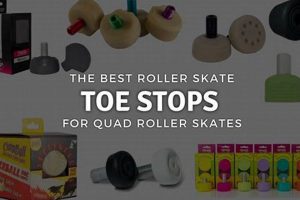
5. Toe Stop Adjustability
Toe stop adjustability is a critical feature in customized roller skates, significantly impacting maneuverability, stability, and safety across various skating disciplines. The capacity to modify the height and angle of the toe stop allows skaters to tailor their equipment to specific skating styles and personal preferences, enhancing control during braking, transitions, and specialized movements. This adjustability directly influences the skater’s ability to execute controlled stops, perform artistic maneuvers, and maintain balance during dynamic actions. For example, roller derby skaters often require lower toe stop settings for increased agility and rapid directional changes, whereas jam skaters may prefer higher settings for enhanced stability during intricate footwork. The correlation between toe stop adjustability and skating style underscores its importance in customized roller skate configurations. Without proper adjustment, skaters may experience impaired performance, increased fatigue, and a heightened risk of injury.
The practical applications of toe stop adjustability are diverse. In artistic skating, precise adjustments enable skaters to perform intricate spins and jumps with greater accuracy. Street skaters utilize variable toe stop heights to navigate obstacles and execute tricks with enhanced control. Furthermore, adjustable toe stops allow for compensation as the skater’s skills improve, enabling progressive refinement of the equipment to match evolving needs. The ability to fine-tune toe stop positioning also addresses variations in skating surfaces and individual biomechanics. A skater with longer legs, for instance, may require a higher toe stop setting to achieve optimal leverage and braking efficiency. Conversely, a skater with a lower center of gravity might prefer a lower setting for improved stability. The iterative process of adjusting the toe stop position contributes to a more personalized and effective skating experience. It also promotes safety and helps the skater to have a higher level of control in all of their movements.
In conclusion, toe stop adjustability is an indispensable element of customized roller skates, directly influencing performance, safety, and personal comfort. Its adaptability caters to diverse skating styles and individual biomechanical requirements. Challenges include determining the optimal settings for specific skill levels and skating environments, often requiring experimentation and professional guidance. The effective integration of toe stop adjustability contributes to a synergistic relationship between skater and equipment, maximizing potential and minimizing the risk of accidents. By having a toe stop which can be adjusted, a skaters skill, balance, and performance can reach its peak.
6. Frame Alignment
Frame alignment, within the context of customized roller skates, constitutes the precise positioning of the skate’s frame (or plate) relative to the boot and, consequently, the skater’s foot. This alignment is paramount as it directly influences the transfer of force from the skater’s body to the wheels, affecting stability, control, and overall efficiency. Misalignment, even minor, can result in uneven weight distribution, leading to compensatory movements that cause fatigue, reduced performance, and an increased risk of injury. For instance, if the frame is positioned laterally inward, the skater may unconsciously pronate (roll the foot inward), resulting in ankle strain and reduced power output during pushes. Similarly, a frame positioned too far forward or backward can compromise balance and stability, particularly during maneuvers requiring precise weight shifts. Therefore, achieving optimal frame alignment is a fundamental aspect of customizing roller skates for individual anatomical characteristics and skating styles. The cause of improper Frame Alignment can cause long term issues and could severely limit and reduce skating. By optimizing the Frame Alignment, efficiency and comfort can be achieved.
The practical significance of understanding frame alignment is evident in various skating disciplines. In speed skating, where marginal gains are critical, precise alignment can minimize energy loss and maximize acceleration and top speed. Roller derby skaters benefit from accurate alignment by improving agility and stability during rapid transitions and contact situations. Even recreational skaters experience enhanced comfort and reduced fatigue with properly aligned frames, allowing for longer and more enjoyable skating sessions. Adjustments to frame alignment typically involve lateral and fore-aft positioning, as well as angular adjustments to correct for pronation or supination. Skate technicians utilize specialized tools and techniques to measure and adjust frame position, often incorporating feedback from the skater to achieve optimal results. A real-life example would be an experienced skater, after years of experience and use with roller skates, might request a new adjustment for an injury recovery process. During a therapy, skaters can ask technicians to apply specific adjustments that allow skaters to slowly re-use their skills as they recover.
In conclusion, frame alignment is an integral component of customized roller skates, profoundly impacting performance, comfort, and injury prevention. Understanding the principles of alignment and its influence on biomechanics enables skaters and technicians to optimize equipment for individual needs. While achieving perfect alignment can be challenging due to variations in foot anatomy and skating styles, the pursuit of precise positioning remains a cornerstone of customized roller skate design and maintenance. This adjustment requires knowledge and should be approached with caution, otherwise, further physical issues could emerge. The Frame Alignment contributes as one of the main components that impact speed and stability within skating and the Frame Alignment contributes to a high percentage of physical and injury related issue.
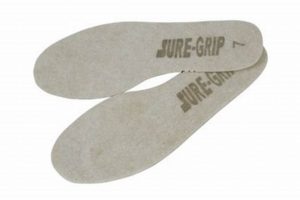
7. Custom Insoles

Custom insoles represent a critical, yet often overlooked, element in the realm of customized roller skates. Their integration addresses individual foot biomechanics, enhancing comfort, performance, and injury prevention. The benefits derived from personalized insoles stem from their ability to provide tailored support and alignment, optimizing the interaction between the skater’s foot and the skate boot.
- Enhanced Arch Support and Stability
Custom insoles provide targeted arch support, correcting overpronation or supination. This correction optimizes the alignment of the lower extremities, reducing strain on ankles, knees, and hips. For example, a skater with flat feet may experience improved stability and reduced fatigue with custom insoles that provide medial arch support, thereby preventing excessive inward rolling of the foot during skating.
- Improved Shock Absorption and Comfort
Personalized insoles can incorporate materials with enhanced shock-absorbing properties, mitigating the impact forces experienced during skating. This reduces stress on joints and soft tissues, minimizing the risk of discomfort and overuse injuries. This is especially true for freestyle or aggressive skating where high impact landings are common.
- Precise Fit and Reduced Friction
Custom-molded insoles conform precisely to the contours of the skater’s foot, eliminating gaps and pressure points within the skate boot. This reduces friction and the formation of blisters, enhancing comfort during prolonged skating sessions. Skaters will especially benefit from tighter customized roller skate set-up as there will be less discomfort. Also, pressure points in the skates will be lessened since the custom insoles will provide a better platform for the foot.
- Optimized Power Transfer and Performance
By providing a stable and aligned platform for the foot, custom insoles facilitate more efficient power transfer during skating movements. This translates to improved acceleration, speed, and agility. For example, when pushing off for acceleration, energy is better converted to momentum as a result of an improved skate-foot connection. Therefore, the energy is efficiently utilized throughout the customized roller skates.
In essence, the implementation of custom insoles represents a personalized approach to optimizing the fit and functionality of customized roller skates. The interplay between targeted support, shock absorption, precise fit, and efficient power transfer culminates in improved comfort, performance, and injury prevention. The utilization of insoles is one of the most important factors that determine how the skate will perform and the skaters experience. The combination of all components listed previously will be optimized by using custom insoles.
Frequently Asked Questions
The following section addresses frequently encountered queries regarding customized roller skates, offering concise and informative responses.
Question 1: What defines “customized roller skates”?
Customized roller skates are assembled using individually selected components, tailored to specific skater needs and preferences. This differs from pre-assembled skates, which offer limited configuration options.
Question 2: What are the primary benefits of using customized roller skates?
The advantages include enhanced performance, improved comfort, reduced risk of injury, and the ability to fine-tune equipment to match specific skating styles and anatomical characteristics.
Question 3: How does one determine the appropriate boot stiffness for customized roller skates?
Boot stiffness should be selected based on skating discipline, skill level, and individual preference. Stiffer boots offer greater support and responsiveness, while more flexible boots prioritize comfort.
Question 4: What plate material is most suitable for customized roller skates?
Plate material depends on skating style and desired performance characteristics. Aluminum plates provide increased stiffness and energy transfer, while nylon plates offer greater flexibility and shock absorption.
Question 5: How is wheel durometer relevant to customized roller skates?
Wheel durometer dictates grip and roll speed. Softer wheels (lower durometer) offer more grip, ideal for indoor skating. Harder wheels (higher durometer) provide faster roll, suitable for smooth outdoor surfaces.
Question 6: Is professional assistance recommended when assembling customized roller skates?
Consultation with experienced skate technicians is strongly advised. Professionals can provide guidance in selecting appropriate components, ensuring proper fit, and optimizing alignment for enhanced performance and safety.
The careful consideration of these questions is essential for informed decision-making regarding customized roller skate assembly and utilization.
The succeeding sections will explore advanced techniques in roller skate maintenance and troubleshooting.
Conclusion
The preceding discussion highlights the multifaceted nature of customized roller skates, emphasizing the critical role of individual component selection and precise assembly. Factors such as boot stiffness, plate material, wheel durometer, bearing precision, frame alignment, and custom insoles significantly impact performance, comfort, and safety. Optimizing these elements requires a thorough understanding of skating disciplines, anatomical considerations, and the trade-offs inherent in various equipment configurations. A professional consultation is advised to ensure optimal results.
The pursuit of tailored skating equipment represents a commitment to both performance enhancement and injury prevention. The future of this field lies in continued innovation in materials and manufacturing techniques, alongside a greater emphasis on biomechanical analysis to further refine the customization process. A carefully constructed skating setup, grounded in sound principles and personalized attention, provides a substantial advantage for skaters across diverse disciplines.
![Best Roller Skate Leash [On the Roll]: Carry with Ease! | How to Skateboard: A Beginner's Guide to Your First Board & Tricks](https://cruzskateshop.com/wp-content/uploads/2026/06/th-81-300x200.jpg "Best Roller Skate Leash [On the Roll]: Carry with Ease! How to Skateboard: A Beginner's Guide to Your First Board & Tricks")