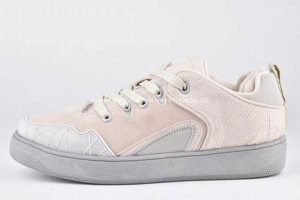
Footwear designed for skateboarding activities, often featuring a flat sole, reinforced construction, and specific materials to enhance grip and durability. These shoes differ from typical athletic shoes due to their focus on board feel and protection against the rigors of skating.
The appeal of skate-specific footwear lies in its enhanced performance and safety characteristics. Historically, skaters modified existing shoes to better suit their needs. Today, specialized designs offer improved grip, impact cushioning, and structural integrity, minimizing the risk of injury and maximizing control during complex maneuvers. This translates to improved performance and increased longevity of the footwear itself.
The following sections will delve into the specific design features, material science, and market considerations that contribute to the construction and selection of appropriate skateboarding footwear.
Selecting Skateboarding Footwear
Choosing the appropriate footwear is crucial for skateboarding performance and safety. This section provides essential tips for selecting shoes that meet the demands of the sport.
Tip 1: Prioritize Sole Construction: Look for vulcanized or cupsole construction. Vulcanized soles offer enhanced board feel and flexibility, ideal for technical tricks. Cupsole designs provide superior impact protection and durability, better suited for high-impact skating.
Tip 2: Evaluate Material Durability: Suede and leather are common upper materials due to their abrasion resistance. Reinforcements in high-wear areas, such as the toe and ollie patch, significantly extend the lifespan of the shoes.
Tip 3: Examine Padding and Support: Adequate padding around the ankle and tongue improves comfort and provides protection against impacts. Consider shoes with internal support structures for enhanced stability during landings.
Tip 4: Assess Tread Pattern: A flat, grippy tread pattern is essential for maintaining board control. Herringbone or geometric patterns generally provide superior grip compared to smoother designs. Ensure the tread is made from a durable rubber compound.
Tip 5: Consider Fit and Comfort: A snug, secure fit is crucial for board feel and control. Avoid shoes that are too loose or too tight. Prioritize comfort, especially for extended skating sessions. Consider trying shoes on with skate socks.
Tip 6: Evaluate Lace Protection: Exposed laces are vulnerable to damage from grip tape. Look for shoes with recessed or reinforced lacing systems to prevent premature wear and tear. Lace protectors or durable laces are also beneficial.
Tip 7: Inspect Stitching Quality: Double or triple stitching in key stress areas indicates a higher level of durability. Examine the stitching around the sole, ollie patch, and other high-wear areas to ensure quality construction.
Proper selection of skateboarding footwear significantly impacts performance, safety, and overall skating experience. Prioritizing durability, grip, comfort, and support ensures a confident and enjoyable session.
The subsequent sections will address maintenance, care, and extending the lifespan of skateboarding footwear.
1. Durability
Durability constitutes a primary performance characteristic of skateboarding footwear. Given the abrasive nature of the sport and the constant friction against the skateboard deck and surrounding surfaces, the structural integrity and material resistance of the shoe directly impact its lifespan and the skater’s ability to perform consistently.
- Material Selection and Abrasion Resistance
The choice of materials for the upper and sole significantly influences the shoe’s ability to withstand wear and tear. Suede and reinforced canvas are common choices for uppers, providing a balance between flexibility and abrasion resistance. The sole’s rubber compound must resist wear from constant contact with concrete and grip tape. Examples include the use of double-stitched seams and reinforced ollie patches to prevent premature material failure. The implication is a longer-lasting shoe that requires less frequent replacement, offering a cost-effective solution for skaters.
- Construction Techniques and Structural Integrity
The method of construction, such as vulcanization or cupsole construction, determines the shoe’s overall strength and resistance to separation. Vulcanized soles offer superior board feel but may be less durable than cupsole designs, which provide greater impact protection and structural support. Reinforced stitching in high-stress areas, such as around the toe and heel, prevents the shoe from falling apart under constant pressure. The implications are shoes that can withstand repeated high-impact landings and prolonged use, leading to improved performance and skater confidence.
- Reinforcement of High-Wear Zones
Specific areas of skateboarding shoes, such as the toe, ollie patch, and heel, are subjected to intense friction and impact. Reinforcing these zones with additional layers of material or specialized protective elements significantly extends the shoe’s lifespan. Examples include rubber toe caps and layered ollie patches. This targeted reinforcement minimizes wear and tear in critical areas, ensuring the shoe remains functional for a longer period.
- Sole Adhesion and Tread Pattern Integrity
The bond between the sole and the upper is crucial for maintaining the shoe’s structural integrity. Poor adhesion can lead to premature separation, rendering the shoe unusable. A durable tread pattern, designed to resist wear from constant contact with the skateboard and ground, provides consistent grip and board feel over time. Examples include deeply grooved tread patterns and the use of high-quality adhesives. The implications are enhanced board control, reduced risk of slippage, and a longer-lasting sole.
Collectively, these facets illustrate the multifaceted nature of durability in skateboarding footwear. The selection of appropriate materials, the implementation of robust construction techniques, the strategic reinforcement of high-wear zones, and the maintenance of sole adhesion and tread pattern integrity all contribute to a more durable and reliable shoe. This enhanced durability translates to improved performance, reduced costs, and a more sustainable approach to skateboarding.
2. Board Feel
Board feel, in the context of skateboarding footwear, denotes the sensitivity and tactile feedback transmitted from the skateboard deck to the skater’s feet. This sensation is directly influenced by the sole’s construction and material composition, and it constitutes a crucial element for precise control and nuanced maneuvers. The design characteristics of footwear significantly impact the skater’s ability to perceive the board’s position and movement, affecting trick execution and overall stability. Shoes that effectively enhance board feel allow for micro-adjustments and anticipatory responses, leading to improved performance. Conversely, inadequate board feel can result in a diminished sense of control, increased risk of miscalculations, and potentially, injury.
Specific design choices profoundly affect the level of board feel provided by skateboarding shoes. Thinner soles, typically associated with vulcanized construction, are often favored for their enhanced sensitivity. Softer rubber compounds also contribute to increased tactile feedback. Minimal padding between the foot and the sole further amplifies the sensation, enabling the skater to discern subtle changes in the board’s surface. For example, a skater attempting a kickflip relies on precise foot placement and angle. Footwear that obscures these sensations hinders the skater’s ability to achieve the necessary finesse for a clean landing.
Understanding the importance of board feel translates directly to enhanced control, precision, and a reduced likelihood of errors. While protective features like impact cushioning are crucial for mitigating injury, optimizing board feel remains paramount for maximizing performance and skill progression. Therefore, skaters should carefully evaluate sole thickness, material composition, and construction methods when selecting footwear, with an understanding of how these factors collectively contribute to the sensation of board feel. The optimal balance between board feel and impact protection often varies based on individual skating style and preferences, necessitating a thoughtful and informed selection process.
3. Grip

Grip, in the context of skateboarding footwear, constitutes the frictional force between the shoe’s outsole and the skateboard deck’s grip tape. This force directly influences the skater’s ability to maintain control, execute tricks, and avoid slippage. The effectiveness of grip is determined by the rubber compound used in the outsole, the tread pattern design, and the contact area between the shoe and the board. Skateboarding shoes prioritize grip as a fundamental performance characteristic. For instance, a skater attempting a complex trick such as a backside 180 heel flip relies on consistent grip to maintain foot placement and board control throughout the maneuver. Inadequate grip can lead to foot slippage, missed tricks, and potential injury.
The specific rubber compound used in the construction of skateboarding footwear plays a crucial role in determining the grip’s efficacy. Softer rubber compounds tend to offer superior grip due to their increased flexibility and ability to conform to the irregular surface of the grip tape. The tread pattern also contributes significantly; herringbone and geometric patterns are common designs that provide multiple contact points, maximizing friction. The surface area of the outsole that makes contact with the board directly influences the overall grip; a larger contact area typically results in greater frictional force. Consider, for example, a skater performing a manual; consistent grip prevents the back foot from sliding off the board, allowing for balance and control.
The connection between grip and skateboarding footwear is undeniable. Enhanced grip contributes to increased control, improved trick execution, and reduced risk of injury. Skaters often prioritize grip when selecting shoes, carefully evaluating the rubber compound, tread pattern, and overall outsole design. A thorough understanding of these factors enables skaters to make informed choices, ensuring optimal performance and a safer skateboarding experience. The development of advanced rubber compounds and innovative tread patterns continues to be a focus for footwear manufacturers, highlighting the ongoing importance of grip in skateboarding shoe technology.
4. Impact Absorption
Impact absorption is a critical performance characteristic of skateboarding footwear. The repetitive high-energy impacts experienced during skateboarding necessitate adequate cushioning and protective features to mitigate the risk of injury and improve rider comfort. This is particularly relevant when considering specific models within the range of skateboarding-oriented footwear.
- Midsole Technology
The midsole, situated between the outsole and the insole, serves as the primary component for impact absorption. Materials like EVA (ethylene-vinyl acetate) and polyurethane are frequently utilized due to their cushioning properties. Advanced formulations, such as gel-infused midsoles or proprietary foam compounds, further enhance impact attenuation. For instance, landing a jump from an elevated surface generates significant force; an effective midsole dissipates this energy, reducing stress on the skater’s joints. Inadequate midsole technology can lead to discomfort, fatigue, and increased susceptibility to injuries like heel bruises or ankle sprains.
- Insole Construction and Cushioning
The insole provides an additional layer of cushioning and support. High-rebound foam or gel inserts are common features designed to enhance impact absorption and improve overall comfort. Insoles contour to the foot, distributing pressure more evenly and reducing localized stress points. The implications of a well-designed insole include improved shock absorption, reduced foot fatigue, and enhanced comfort during extended skating sessions. Conversely, a thin or poorly designed insole offers minimal impact protection.
- Outsole Design and Material Properties
While the outsole primarily focuses on grip and durability, its material properties also contribute to impact absorption. Softer rubber compounds, while potentially less durable, offer better shock attenuation compared to harder compounds. The outsole’s thickness and tread pattern also play a role. A thicker outsole can provide additional cushioning, while strategically designed grooves can help disperse impact forces. Consider the example of landing on an uneven surface; a compliant outsole can conform to the terrain, reducing the jarring effect on the skater’s body.
- Heel and Ankle Support Systems
Reinforced heel counters and padded ankle collars offer structural support and contribute to impact protection. These features stabilize the foot and ankle, reducing the risk of sprains and other injuries during landings. Advanced designs incorporate external heel cages or internal support structures to further enhance stability and impact absorption. The implications are improved ankle support, reduced risk of injury during high-impact maneuvers, and increased confidence for the skater.
The multifaceted nature of impact absorption in skateboarding shoes highlights the interplay between midsole technology, insole construction, outsole design, and support systems. Selection of skateboarding shoes necessitates careful consideration of these elements to ensure adequate protection and comfort. While specific brands may offer different approaches to impact absorption, understanding the underlying principles allows skaters to make informed choices based on their individual needs and skating styles.
5. Style

The aesthetic dimension of skateboarding footwear significantly influences consumer preference and brand identity. Style considerations extend beyond mere visual appeal, encompassing cultural expression and individual identity. Therefore, “sketchers skate shoes” incorporate design elements that resonate with the skateboarding community while maintaining brand-specific aesthetics.
- Silhouette and Design Language
The overall shape and design elements of skateboarding shoes contribute to their distinct style. Low-profile silhouettes are often favored for enhanced board feel and maneuverability, while bulkier designs may prioritize impact protection. Design language includes the use of lines, curves, and panel arrangements, all of which contribute to the shoe’s visual identity. The implications of the silhouette and design language in the context of “sketchers skate shoes” influence the shoe’s target demographic and its perceived performance capabilities.
- Color Palettes and Material Combinations
The selection of colors and materials plays a critical role in defining the style of skateboarding shoes. Bold color combinations and contrasting materials can create a visually striking aesthetic, while more subdued palettes offer a classic and understated look. Material combinations, such as suede and canvas, contribute to both the shoe’s style and its functional properties. The implications of color palettes and material combinations for “sketchers skate shoes” are reflected in brand identity and market trends.
- Branding and Logo Placement
Brand logos and design elements are strategically placed on skateboarding shoes to enhance brand recognition and create a distinct visual signature. The size, placement, and style of logos contribute to the shoe’s overall aesthetic and communicate brand values. Subtle branding may appeal to skaters who prefer a minimalist look, while prominent branding can enhance visibility and brand awareness. The effectiveness of logo placement in “sketchers skate shoes” is measured through market analysis and brand perception studies.
- Cultural Influences and Trend Adoption
Skateboarding culture constantly evolves, influencing the style of skateboarding footwear. Manufacturers often draw inspiration from art, music, and fashion trends to create designs that resonate with the skateboarding community. Collaborations with artists, skaters, and other brands can further enhance the style and cultural relevance of skateboarding shoes. Understanding the influences and trends incorporated into “sketchers skate shoes” contributes to an appreciation of brand strategy.
In conclusion, style is a multifaceted aspect of skateboarding footwear that encompasses silhouette, design language, color palettes, material combinations, branding, and cultural influences. “sketchers skate shoes” strategically incorporate these elements to appeal to both skaters and consumers, while upholding distinct brand identity. Examining style within this specific shoe selection further highlights its significance in product design and market positioning.
Frequently Asked Questions
This section addresses common inquiries regarding the construction, performance, and suitability of footwear within the Skechers skate shoe category. The information provided aims to offer clarity and assist in informed purchasing decisions.
Question 1: Are Skechers skate shoes suitable for professional skateboarding?
The suitability of any skateboarding shoe for professional use depends on individual preferences and skating style. While some Skechers models incorporate features conducive to skateboarding, such as reinforced construction and specialized outsoles, professional skaters often have specific requirements regarding board feel, impact protection, and durability. Prospective purchasers should carefully evaluate the features of individual Skechers models against their individual performance needs.
Question 2: What materials are typically used in Skechers skate shoe construction?
Skechers skate shoes generally utilize a combination of synthetic and natural materials. Uppers may consist of suede, canvas, or synthetic leather, selected for their abrasion resistance and flexibility. Outsoles are typically composed of rubber compounds formulated to provide grip and durability. Midsole materials may include EVA foam for cushioning.
Question 3: How do Skechers skate shoe sizes compare to other brands?
Sizing can vary between footwear brands. It is recommended to consult the Skechers size chart and, if possible, try on shoes in person to ensure a proper fit. Online retailers often provide customer reviews that may offer insights into size accuracy for specific models.
Question 4: What is the expected lifespan of Skechers skate shoes?
The lifespan of any skateboarding shoe is influenced by factors such as skating frequency, intensity, and the types of surfaces encountered. More aggressive skating styles and frequent use will naturally accelerate wear and tear. Regular cleaning and proper storage can help extend the lifespan of Skechers skate shoes.
Question 5: Do Skechers skate shoes offer adequate ankle support?
Ankle support varies among Skechers skate shoe models. Some models feature padded collars and reinforced heel counters to enhance ankle stability. Individuals with a history of ankle injuries or those seeking maximum support should consider models specifically designed for enhanced stability.
Question 6: How should Skechers skate shoes be cleaned and maintained?
Cleaning methods depend on the materials used in construction. Suede shoes may require specialized cleaning products, while canvas or synthetic uppers can often be cleaned with mild soap and water. It is recommended to air dry shoes away from direct sunlight. Regular cleaning helps remove dirt and debris, prolonging the shoe’s lifespan.
Careful consideration of these frequently asked questions aids in assessing whether Skechers skate shoes align with individual needs and performance requirements.
The subsequent section will offer insights into consumer reviews of Skechers skate shoes.
Conclusion
The preceding analysis has examined various facets of footwear, specifically concerning skateboarding application. Design elements, material properties, and construction methods collectively contribute to performance characteristics such as durability, board feel, grip, impact absorption, and style. Each factor plays a critical role in meeting the demands of skateboarding activities.
Ultimately, the selection of footwear necessitates careful consideration of individual needs and performance requirements. Further research and critical evaluation are encouraged to ensure informed purchasing decisions and optimized skateboarding experiences. Continued advancements in materials science and design may yield future innovations in footwear technology for skateboarding.
![Boost Your Skate: Adidas Busenitz Skate Shoes [Pro Tested] | How to Skateboard: A Beginner's Guide to Your First Board & Tricks](https://cruzskateshop.com/wp-content/uploads/2026/05/th-282-300x200.jpg "Boost Your Skate: Adidas Busenitz Skate Shoes [Pro Tested] How to Skateboard: A Beginner's Guide to Your First Board & Tricks")