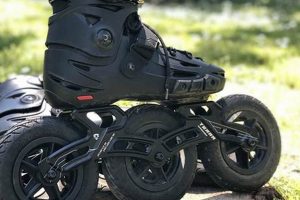
Equipment designed for performing tricks and maneuvers in skate parks or urban environments can be obtained through resale channels. These items, typically built with durable frames, small hard wheels, and supportive liners, allow skaters to execute grinds, jumps, and other challenging stunts. Such previously owned sporting goods offer an entry point for individuals interested in this dynamic activity.
Acquiring pre-owned equipment offers several advantages, including cost savings and environmental benefits. Purchasing used items reduces the demand for new manufacturing, conserving resources and minimizing waste. Historically, the practice of buying and selling used sporting goods has provided accessibility to a wider range of participants, particularly those with budget constraints. The availability of these items expands opportunities for skill development and participation in the sport.
The following sections will explore key considerations when evaluating and selecting used equipment, including assessing condition, identifying reputable sellers, and understanding essential safety precautions. Detailed information regarding maintenance, modifications, and the evolution of this type of equipment will also be provided.
Tips for Acquiring Pre-Owned Performance Skates
Careful consideration is crucial when procuring used equipment for advanced skating disciplines. Thorough inspection and diligent evaluation are essential to ensure safety and optimal performance. The following points provide guidance in this process.
Tip 1: Inspect the Frame Rigorously: Examine the frame for cracks, bends, or signs of significant wear. A compromised frame can lead to instability and potential injury. Pay particular attention to areas around mounting points.
Tip 2: Assess Wheel Condition: Evaluate the wheels for excessive wear, flat spots, or chipping. Uneven wear affects performance and control. Consider the durometer (hardness) of the wheels and its suitability for the intended skating environment.
Tip 3: Evaluate Bearing Functionality: Check each bearing for smooth rotation. Grinding or resistance indicates potential damage or the need for cleaning and lubrication. Replacement may be necessary.
Tip 4: Examine the Liner: Inspect the liner for tears, compression, or odors. A worn or damaged liner compromises comfort and support. Consider the availability of replacement liners if necessary.
Tip 5: Assess Buckle and Strap Integrity: Verify that buckles and straps function correctly and securely. Damaged or broken closures can lead to instability and increase the risk of injury during use.
Tip 6: Scrutinize Grind Plates/Blocks: Examine grind plates or blocks for wear and damage. Deep gouges or cracks can affect grinding performance and stability. Ensure secure attachment to the frame.
Tip 7: Inquire About Usage History: Obtain information regarding the equipment’s history, including frequency of use and maintenance practices. This information can provide insights into the overall condition and potential lifespan of the skates.
Adhering to these guidelines enhances the probability of acquiring suitable pre-owned performance equipment, fostering a safer and more rewarding skating experience. Diligence in the evaluation process minimizes risks and ensures that the chosen equipment aligns with the skater’s needs and skill level.
The subsequent section will discuss maintenance procedures and strategies for extending the lifespan of performance equipment acquired through resale channels.
1. Frame Integrity

Frame integrity is paramount when evaluating pre-owned equipment for advanced skating. The frame serves as the foundation, directly influencing control, stability, and the ability to withstand the stresses associated with demanding maneuvers. Compromised frames present significant safety risks and diminish performance.
- Material Fatigue and Stress Fractures
Over time, repeated impacts and stress can lead to fatigue within the frame material. This manifests as hairline fractures, often invisible to the naked eye initially. Such fractures weaken the structure, increasing the likelihood of catastrophic failure during use. Prior usage conditions and the quality of the original material influence the susceptibility to fatigue.
- Alignment and Geometry Deviations
Impacts and improper storage can cause subtle deviations in the frame’s alignment and geometry. These distortions can negatively affect wheel contact with the skating surface, leading to unpredictable handling and reduced control. Precise measurements are often required to detect such deviations.
- Mounting Point Integrity
The points where the frame attaches to the boot are critical stress areas. Damage to these mounting points, such as stripped threads or cracks in the surrounding material, compromises the secure connection between boot and frame. Failure in this area can result in a loss of control and potential injury.
- Welding and Joint Integrity (If Applicable)
Some frames utilize welded or jointed construction. The integrity of these welds or joints is essential for structural strength. Visible cracks, porosity, or signs of corrosion weaken these areas, reducing the frame’s ability to withstand stress. Inspection by a qualified professional may be necessary to assess the condition of these critical joints.
In summary, assessing frame integrity in used equipment involves a multi-faceted evaluation. Recognizing the potential for material fatigue, alignment deviations, mounting point weaknesses, and welding/joint failures is critical for ensuring the equipment’s suitability and promoting user safety. A thorough inspection, potentially involving expert evaluation, is a prudent step when considering the acquisition of previously owned items intended for advanced skating.
2. Wheel Condition

The state of the wheels directly affects the performance and safety of equipment intended for advanced skating. When evaluating pre-owned performance skates, wheel condition is a critical factor in determining usability and remaining lifespan.
- Wear Patterns and Flat Spots
Uneven wear on the wheels, often manifesting as flat spots, reduces contact area and grip on skating surfaces. This leads to decreased control, especially during high-speed maneuvers or when executing grinds. The presence of flat spots indicates previous usage patterns and may suggest improper maintenance or aggressive skating styles that disproportionately stressed certain areas of the wheels. This directly impacts the stability and predictability of the skates.
- Durometer and Material Composition
The durometer, or hardness, of the wheel dictates its grip and rolling resistance. Softer wheels offer more grip but wear down faster, while harder wheels provide less grip but greater durability. When acquiring used equipment, the durometer may have altered due to wear and tear, affecting the intended skating style. Furthermore, the material composition, typically polyurethane, can degrade over time, resulting in decreased performance. Examination of both the stated and apparent durometer is essential.
- Core Integrity and Bearing Seating
The wheel core provides structural support and houses the bearings. Cracks, deformation, or looseness in the core can compromise the bearing alignment, leading to increased friction, reduced rolling speed, and potential bearing failure. A damaged core affects the overall integrity of the wheel and renders it unreliable for advanced skating techniques. Inspecting the bearing seating for wear or damage is a crucial step in assessing the wheel’s overall health.
- Wheel Size and Profile
The wheel size and profile impact the skate’s speed, maneuverability, and ability to perform certain tricks. Smaller wheels offer greater control for grinds, while larger wheels provide higher speeds. However, worn wheels may have significantly reduced in size, affecting the intended performance characteristics. The wheel profile, whether rounded or flat, also influences grip and stability. Evaluating the wheel size and profile ensures compatibility with the intended skating style and prevents unexpected handling issues.
The interplay between these aspects of wheel condition governs the suitability of pre-owned aggressive inline skates. A thorough evaluation is necessary to ensure that the wheels meet the demands of advanced skating and contribute to a safe and enjoyable experience.
3. Bearing Smoothness
Bearing smoothness is a critical determinant of performance in used aggressive inline skates. Efficient and unhindered wheel rotation is essential for executing tricks, maintaining speed, and ensuring overall stability. Degraded bearing performance negatively impacts the skating experience and may present safety concerns.
- Friction and Rolling Resistance
Contamination, lack of lubrication, or physical damage within the bearing assembly increases friction and rolling resistance. This manifests as reduced speed, requiring greater effort to maintain momentum. In the context of used aggressive inline skates, bearings may have accumulated dirt, debris, or corrosion, leading to noticeable drag. The effect is a reduction in the responsiveness and agility necessary for performing complex maneuvers.
- Noise and Vibration
Rough or damaged bearings generate increased noise and vibration during use. These auditory and tactile cues serve as indicators of bearing degradation. Excessive noise, such as grinding or clicking sounds, suggests internal damage or contamination. Vibration can reduce control and increase fatigue. Assessing the level of noise and vibration is a practical method for evaluating bearing condition in used equipment.
- Bearing Play and Wobble
Worn or damaged bearings may exhibit excessive play or wobble within the wheel hub. This lateral movement reduces stability and control, particularly during landings and grinds. The presence of play indicates that the bearing’s internal components have worn beyond acceptable tolerances. Evaluating the extent of bearing play is a critical step in assessing the overall safety and performance of used skates.
- Lubrication and Maintenance History
Proper lubrication is essential for maintaining bearing smoothness and extending bearing lifespan. Lack of lubrication leads to increased friction, heat generation, and accelerated wear. The maintenance history of used skates is often unknown, making it crucial to inspect the bearings for signs of neglect. The presence of dry, gummy lubricant or evidence of corrosion suggests inadequate maintenance and compromised bearing performance.
Bearing smoothness is a key indicator of overall functionality in used aggressive inline skates. Identifying friction, noise, play, and signs of inadequate maintenance provides valuable insight into the equipment’s condition and suitability for demanding skating activities. Addressing bearing issues through cleaning, lubrication, or replacement enhances performance and promotes a safer skating experience.
4. Liner Support

In used aggressive inline skates, the liner provides critical support and cushioning, directly impacting the skater’s control, comfort, and safety. A compromised liner can negate the benefits of a well-constructed frame or high-quality wheels. Due to the stresses placed on equipment used in aggressive skating, liners in previously owned skates often exhibit wear, compression, or degradation, impacting their ability to provide adequate support. For example, a liner with collapsed ankle padding offers diminished lateral stability, making it difficult to execute precise maneuvers or land jumps securely.
The evaluation of liner support in used aggressive inline skates requires careful consideration of several factors. Compression of the padding material reduces impact absorption and increases the risk of injury upon landing. Tears or separation of the liner’s internal layers diminish structural integrity and can lead to discomfort and instability. Furthermore, mold or odor accumulation within the liner presents hygienic concerns and may indicate irreversible degradation. Inspecting the liner’s seams, closure systems, and overall shape provides valuable insights into its remaining lifespan and suitability for aggressive skating.
Ultimately, the assessment of liner support in pre-owned aggressive inline skates is a crucial element of the evaluation process. A deficient liner compromises the overall functionality of the skates and potentially jeopardizes the skater’s well-being. While replacement liners are available for many models, the added cost should factor into the overall economic viability of purchasing used equipment. Therefore, a thorough inspection and objective evaluation of the liner’s condition are paramount when considering the acquisition of pre-owned equipment for this demanding sport.
5. Buckle Security

Buckle security is a paramount concern when evaluating previously owned aggressive inline skates. These closures are integral to maintaining foot stability and ensuring secure power transfer, directly impacting performance and minimizing the risk of injury. Given the dynamic and high-impact nature of aggressive skating, the integrity of the closure system is critical.
- Buckle Material and Condition
The buckle material, typically a durable plastic or metal alloy, is subject to wear and fatigue over time. Cracks, deformation, or corrosion compromise the buckle’s structural integrity and ability to securely fasten. For example, a plastic buckle exposed to prolonged UV radiation may become brittle and prone to breakage under stress. In the context of previously owned equipment, assessing the material’s condition is crucial for determining the closure’s reliability.
- Strap Integrity and Attachment Points
The strap connected to the buckle system must be free from tears, fraying, or excessive stretching. The attachment points of the strap to the boot should also be inspected for signs of loosening or damage. A worn or poorly attached strap reduces the buckle’s effectiveness, potentially leading to slippage or complete failure during use. In used aggressive inline skates, these components are often subjected to significant stress, necessitating thorough examination.
- Ratcheting Mechanism Functionality
Many aggressive skate buckles utilize a ratcheting mechanism to provide precise adjustment and secure closure. The functionality of this mechanism, including the smoothness of operation and the security of the ratchet teeth, directly impacts the buckle’s ability to maintain consistent tension. A malfunctioning ratcheting system can result in the buckle loosening during use, compromising stability and control. Testing the ratcheting mechanism is essential when evaluating used skates.
- Overall Closure System Security
The overall security of the closure system is a function of all the aforementioned factors. Even if individual components appear to be in good condition, the system may still be vulnerable to failure if not properly integrated. Evaluating the system’s resistance to accidental opening or slippage under stress is paramount. For example, simulating the forces encountered during landing or grinding can reveal weaknesses in the closure system that might not be apparent during a static inspection.
The integration of secure buckles is a cornerstone of safe and effective aggressive inline skating. When considering previously owned equipment, diligent evaluation of the buckle material, strap integrity, ratcheting mechanism, and overall system security ensures that the skates provide the necessary support and stability for demanding maneuvers. A compromised closure system significantly elevates the risk of injury and reduces the potential for optimal performance.
6. Grind Plate Wear

Grind plate wear is a significant factor in evaluating the condition of previously owned aggressive inline skates. These plates, designed to facilitate sliding on various surfaces, are subjected to constant abrasion and impact, leading to deterioration that affects performance and safety. Assessing the extent and nature of this wear is essential when considering the acquisition of used equipment.
- Material Loss and Surface Roughness
The primary consequence of grind plate wear is material loss. Repeated contact with abrasive surfaces gradually erodes the plate, reducing its thickness and altering its shape. This material loss creates surface roughness, diminishing the smoothness of grinds and potentially causing the skater to catch or lose control. The type of material used in the grind plate and the frequency of aggressive use dictate the rate of material loss. Visible gouges, deep scratches, and uneven surfaces are indicators of significant wear and diminished performance capacity.
- Impact on Grinding Performance
Grind plate wear directly impacts grinding performance. Reduced plate thickness decreases the surface area available for contact, making grinds less stable and predictable. Altered plate shapes, resulting from uneven wear, can change the skate’s balance point and increase the risk of wheel bite. The skater may need to compensate with adjusted technique, increasing fatigue and potentially compromising safety. Excessive wear limits the types of grinds that can be performed effectively.
- Structural Integrity and Plate Cracking
Grind plate wear can compromise structural integrity, leading to plate cracking or breakage. Deep gouges and material loss weaken the plate, making it more susceptible to failure upon impact. Cracks originating from worn areas can propagate, eventually rendering the plate unusable and potentially hazardous. Inspecting the plate for structural damage is crucial, as cracks may not always be immediately apparent. The presence of cracks necessitates plate replacement to ensure safe skating.
- Plate Mounting Point Deterioration
The mounting points securing the grind plate to the skate frame are also susceptible to wear and damage. Repeated stress and impacts can loosen or strip the screws, compromising the plate’s stability. Worn mounting points can cause the plate to shift during grinds, reducing control and increasing the risk of injury. Careful inspection of the mounting points and surrounding frame area is necessary to ensure a secure and reliable connection.
In conclusion, grind plate wear is a critical consideration when assessing the value and usability of previously owned aggressive inline skates. The extent of material loss, the impact on grinding performance, the compromise to structural integrity, and the condition of the mounting points collectively determine the suitability of the equipment for continued use. A thorough evaluation of these factors allows for an informed purchasing decision and promotes a safer skating experience.
7. Usage History
The usage history of previously owned aggressive inline skates is a critical factor influencing their current condition and anticipated lifespan. Understanding how the skates were used, the frequency of use, and the environments in which they were used provides crucial insights into potential wear, damage, and overall suitability for future use. A skate subjected to frequent, high-impact use in skate parks will exhibit different wear patterns and structural vulnerabilities compared to one used primarily for recreational street skating. Therefore, acquiring information about the equipment’s prior use is essential for making an informed purchase decision.
The frequency and intensity of use directly correlate with the degree of wear on various skate components. For instance, skates used extensively for grinds will likely exhibit significant wear on grind plates, wheels, and potentially the frame itself. Skates used in wet or sandy environments may have accelerated bearing degradation due to contamination and corrosion. Furthermore, the skill level of the previous owner impacts the stress placed on the equipment. A novice skater may cause less wear than a professional, even with similar frequency of use. Inquiry regarding the skater’s style and typical usage environment provides essential data for evaluating the equipment’s condition and anticipating potential maintenance needs.
Information regarding repairs or modifications performed on the skates offers further insight into their history and potential vulnerabilities. Past repairs may indicate underlying issues that were not fully resolved or could have weakened the structure of the skates. Modifications, such as aftermarket parts or altered frame configurations, can affect the skate’s performance and safety characteristics. A comprehensive understanding of the equipment’s usage history, including frequency, intensity, environment, and any modifications or repairs, enables a more accurate assessment of its value and suitability for a prospective buyer, thereby mitigating potential risks associated with purchasing previously owned equipment.
Frequently Asked Questions
The following questions address common concerns regarding the acquisition and use of previously owned aggressive inline skates. These answers aim to provide clarity and guidance for prospective buyers.
Question 1: What are the primary risks associated with purchasing previously owned aggressive inline skates?
Potential risks include structural fatigue in the frame, worn or damaged wheels and bearings, compromised liner support, and unreliable closure systems. Thorough inspection prior to purchase mitigates these risks.
Question 2: How can one assess the remaining lifespan of used aggressive inline skates?
Assessment involves evaluating wear patterns on grind plates and wheels, inspecting the frame for cracks or bends, and examining the condition of liners and closure systems. The equipment’s usage history also provides valuable insight.
Question 3: Is it safe to use aggressive inline skates with visible signs of wear?
The safety of using worn equipment depends on the severity and location of the wear. Skates with significant structural damage or compromised safety features should not be used. Professional evaluation may be necessary to determine safety.
Question 4: What maintenance is typically required for used aggressive inline skates?
Maintenance includes cleaning and lubricating bearings, replacing worn wheels, tightening or replacing loose hardware, and occasionally replacing liners. Regular inspection for damage is also essential.
Question 5: Are replacement parts readily available for older models of aggressive inline skates?
Availability of replacement parts varies depending on the model and age of the skates. Some parts may be difficult to find, requiring sourcing from specialized retailers or online marketplaces.
Question 6: How does the price of used aggressive inline skates compare to new equipment?
Used equipment generally offers a significant cost savings compared to new skates. However, the price reflects the condition of the used skates and the availability of replacement parts.
Careful consideration of these factors allows for a more informed decision when acquiring pre-owned aggressive inline skates. Prioritizing safety and conducting thorough inspections are essential for a positive skating experience.
The subsequent section will explore strategies for finding reputable sellers and avoiding potential scams in the used market.
Conclusion
This exploration has illuminated the multifaceted considerations involved in acquiring previously owned equipment for advanced skating disciplines. Key factors such as frame integrity, wheel condition, bearing smoothness, liner support, buckle security, grind plate wear, and usage history significantly impact the safety and performance of such items. Diligent evaluation of these aspects is paramount for prospective buyers.
The decision to procure second hand aggressive inline skates requires a balanced assessment of potential cost savings against the inherent risks associated with used equipment. Responsible acquisition practices, coupled with informed maintenance, are crucial for ensuring a safe and rewarding experience. Prioritizing thorough inspection and objective evaluation contributes to a more sustainable and accessible skating community.