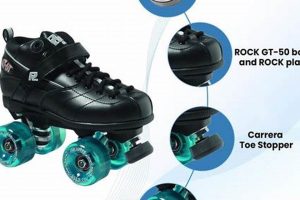
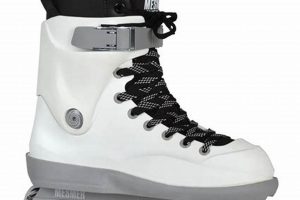
Urban skating encompasses various forms of wheeled locomotion utilized within metropolitan areas. This activity includes, but is not limited to, recreational skating, commuting, and the execution of tricks and maneuvers on city infrastructure. An illustrative scenario would involve an individual using inline skates to navigate city streets for transportation or leisure.
This mode of movement offers numerous advantages, including enhanced cardiovascular fitness, a reduced carbon footprint compared to motorized vehicles, and increased efficiency in navigating congested urban environments. Historically, the adoption of skating in urban settings has evolved alongside advancements in skate technology and the growing awareness of sustainable transportation options.
The following sections will delve into specific aspects of urban skating, examining safety considerations, optimal equipment selection, and the impact on community development. Furthermore, the article will explore the diverse subcultures and organized groups that have emerged within this active lifestyle.
Essential Urban Skating Guidance
Safe and effective participation in the activity requires adherence to certain guidelines. The following recommendations aim to mitigate risk and enhance the overall experience.
Tip 1: Prioritize Protective Gear. A helmet is non-negotiable. Knee pads, elbow pads, and wrist guards are also strongly recommended, particularly for beginners or those attempting advanced maneuvers. Ensure proper fit and secure fastening.
Tip 2: Conduct Equipment Inspections. Before each outing, meticulously inspect skates for wear and tear. Pay close attention to wheel condition, bearing functionality, and the integrity of the boot and frame. Replace worn or damaged components promptly.
Tip 3: Master Fundamental Skills. Proficiency in basic skating techniques, such as stopping, turning, and maintaining balance, is essential. Seek professional instruction or practice in controlled environments to develop these skills before venturing into busy areas.
Tip 4: Observe Traffic Regulations. Adherence to all traffic laws is paramount. This includes obeying traffic signals, yielding to pedestrians, and utilizing designated bike lanes where available. Exercise caution and anticipate the actions of other road users.
Tip 5: Enhance Visibility. Wear bright, reflective clothing, especially during periods of low light. Consider using lights attached to skates or apparel to increase visibility to motorists and pedestrians.
Tip 6: Select Appropriate Surfaces. Opt for smooth, well-maintained surfaces whenever possible. Avoid areas with excessive cracks, potholes, or debris, as these can create hazards and increase the risk of falls.
Tip 7: Maintain Situational Awareness. Remain vigilant of surroundings at all times. Scan for potential obstacles, pedestrians, and vehicles. Avoid distractions such as mobile phones or headphones that impair awareness.
Adherence to these guidelines promotes safety and contributes to a positive and sustainable engagement with urban skating. Practicing caution and responsible behaviour ensures the activity remains enjoyable and accessible.
The following section will examine optimal equipment selection in greater detail.
1. Infrastructure Impact

Urban skating directly affects urban infrastructure due to the repetitive forces exerted by skates on surfaces. This impact manifests as accelerated wear and tear, particularly on pavements, sidewalks, and other commonly utilized skating areas. The consequences include cracking, chipping, and the eventual degradation of surface quality, necessitating increased maintenance and repair costs for municipalities. For example, areas with high skating traffic may require more frequent resurfacing than areas with minimal wheeled activity. Understanding this connection is vital for urban planners to anticipate and mitigate potential infrastructure damage through the use of durable materials and proactive maintenance strategies.
Furthermore, poorly maintained infrastructure can inversely affect the safety and usability of urban skating. Cracks, potholes, and uneven surfaces pose significant hazards to skaters, increasing the risk of accidents and injuries. The interaction between infrastructure and skating highlights the need for regular inspections and timely repairs to ensure a safe and functional environment for both skaters and other urban dwellers. Consider dedicated skate parks, designed with durable, skate-friendly surfaces, as a practical application that minimizes damage to general infrastructure.
In conclusion, the relationship between urban skating and infrastructure underscores the importance of integrating infrastructure considerations into urban planning and maintenance strategies. Addressing the impact of skating on surfaces through durable materials, proactive maintenance, and the creation of dedicated skating spaces is essential for minimizing long-term infrastructure costs and ensuring the safety and accessibility of urban environments for all users. Ignoring this relationship leads to increased infrastructure degradation and heightened risks for skaters, highlighting the need for a balanced and informed approach.
2. Community Integration
Urban skating’s integration within a community is intrinsically linked to its perception as a legitimate activity and transportation mode. The presence of designated skating areas, such as skate parks or multi-use pathways, directly facilitates integration by providing safe and appropriate spaces for skaters. This, in turn, minimizes conflicts with pedestrians and reduces concerns about potential damage to public or private property. The city of Malm, Sweden, exemplifies this, having invested heavily in skate parks and skate-friendly infrastructure, resulting in a thriving skating community and reduced friction between skaters and other residents. The absence of such infrastructure often leads to skaters utilizing public spaces not designed for wheeled activity, creating tension and negative perceptions.
Educational initiatives and community outreach programs further contribute to positive integration. Workshops on skating safety, etiquette, and responsible urban navigation can foster mutual understanding between skaters and the broader public. These initiatives can also address concerns related to noise, potential property damage, and perceived disruption to public spaces. Moreover, organized skating events, such as competitions or community skate days, can showcase the skill and athleticism involved, thereby dispelling misconceptions and promoting a more positive image of urban skating. Such events, when planned in collaboration with community stakeholders, can generate local economic benefits and enhance community cohesion.
Ultimately, the successful integration of urban skating depends on proactive engagement, thoughtful urban planning, and ongoing dialogue between skaters, community members, and local authorities. A failure to address community concerns and provide adequate infrastructure can result in marginalization and negative perceptions, hindering the growth and acceptance of urban skating. Conversely, a collaborative and inclusive approach can transform urban skating from a perceived nuisance into a valuable asset that contributes to the vitality and vibrancy of the community.
3. Regulatory Framework

The regulatory framework governing urban skating establishes the legal and administrative parameters within which the activity may occur. This framework addresses issues of safety, public order, and infrastructure protection, aiming to balance the interests of skaters with those of other urban residents and property owners. The specific regulations vary significantly across jurisdictions, reflecting differing local priorities and contexts.
- Designated Skating Zones
Many municipalities designate specific areas where skating is permitted or prohibited. These zones may include skate parks, multi-use pathways, or specific streets. The purpose of designation is to concentrate skating activity in suitable locations and minimize conflicts with pedestrians or vehicular traffic in other areas. Enforcement of these zones typically involves fines or warnings for violations. The effectiveness of this approach depends on the availability and accessibility of designated areas, as well as the clarity and enforcement of the regulations.
- Equipment Requirements and Safety Standards
Some jurisdictions mandate the use of protective equipment, such as helmets, knee pads, or wrist guards, for skaters, particularly for minors. Regulations may also stipulate technical standards for skates themselves, addressing issues such as braking mechanisms or wheel durability. The rationale behind these requirements is to reduce the risk of injury to skaters and minimize potential liability for municipalities. The stringency of these regulations varies widely, with some jurisdictions focusing on education and encouragement rather than mandatory enforcement.
- Traffic Laws and Roadway Usage
The legal status of skaters on public roadways is often ambiguous and varies across jurisdictions. Some regulations treat skaters as pedestrians, requiring them to adhere to pedestrian traffic laws. Others classify them as vehicles, subjecting them to rules governing bicycles or other forms of wheeled transport. This ambiguity can create confusion and increase the risk of accidents. Clear and consistent regulations regarding roadway usage are essential for ensuring the safety of skaters and other road users. The application of traffic laws to skating needs to consider the unique characteristics of this activity.
- Liability and Insurance
The legal framework also addresses issues of liability in the event of accidents or injuries involving skaters. Municipalities may face liability claims for inadequate maintenance of skating surfaces or failure to provide adequate warnings about hazards. Skaters themselves may be held liable for damages or injuries caused to others. The availability and affordability of insurance for skaters and municipalities can play a significant role in mitigating these risks. Some jurisdictions encourage or require skaters to obtain personal liability insurance to cover potential damages.
The regulatory framework governing urban skating is a complex and evolving area of law. Its effectiveness depends on a clear understanding of the risks and benefits of skating, as well as a commitment to balancing the interests of all stakeholders. A well-designed regulatory framework can promote the safe and responsible enjoyment of skating while minimizing potential conflicts and liabilities.
4. Equipment Standards

Equipment standards for urban skating are crucial for participant safety and performance. These standards dictate the minimum acceptable quality and functionality of skates and protective gear, influencing the rider’s control, stability, and protection against injury in a demanding urban environment.
- Wheel Hardness and Durometer
Wheel hardness, measured using the durometer scale, directly impacts grip, speed, and durability. Softer wheels (lower durometer) provide better grip on varied urban surfaces but wear down more quickly. Harder wheels (higher durometer) offer greater speed and longevity but can be less forgiving on uneven terrain. Optimal wheel selection depends on skating style and surface conditions; inappropriate wheel choice can compromise control and increase the risk of falls.
- Bearing Precision and ABEC Rating
Bearing precision, often indicated by the ABEC rating (Annular Bearing Engineers’ Committee), influences the smoothness and efficiency of wheel rotation. Higher ABEC ratings denote tighter tolerances and potentially faster speeds. However, high-precision bearings may be more susceptible to damage from dirt and debris commonly encountered in urban environments. The selection of bearings should balance speed requirements with durability and maintenance considerations.
- Brake System Reliability
Reliable braking systems are paramount for safety in urban skating. Skates may incorporate heel brakes, inline brakes, or rely on T-stops and other friction-based stopping techniques. The braking system must provide sufficient stopping power and be easily accessible and controllable by the skater. Malfunctioning or ineffective brakes significantly increase the risk of collisions and injuries, especially in unpredictable urban traffic conditions.
- Protective Gear Certification
Protective gear, including helmets, knee pads, elbow pads, and wrist guards, should meet established safety standards and certifications, such as those provided by ASTM International or the Consumer Product Safety Commission (CPSC). These certifications ensure that the gear provides a minimum level of impact protection. Using non-certified or poorly fitting protective gear offers inadequate protection and can exacerbate injuries sustained in falls or collisions.
Adherence to appropriate equipment standards is paramount to ensuring safety and enhancing the experience in metro skate. Neglecting these standards can compromise control, increase the risk of injury, and detract from the overall enjoyment of the activity. By prioritizing quality equipment and adhering to recommended safety guidelines, skaters can mitigate risks and confidently navigate the urban landscape.
5. Safety Protocols
Effective safety protocols are fundamental to the sustained viability of urban skating as both a recreational activity and a transportation method. The direct correlation between adherence to safety procedures and the reduction of injury risk is evident in numerous studies analyzing urban skating accidents. For example, consistent use of helmets has been demonstrated to significantly mitigate the severity of head trauma in the event of a fall or collision. Therefore, the implementation and rigorous enforcement of safety protocols form a cornerstone of responsible urban skating practices.
Moreover, comprehensive safety protocols extend beyond individual protective measures to encompass environmental considerations. The proactive identification and mitigation of hazards present in urban skating environments are crucial. This involves regular inspections of skating surfaces to identify and rectify potential risks, such as potholes, cracks, or debris. Furthermore, the implementation of clearly marked skating zones and the enforcement of traffic regulations designed to protect skaters contribute to a safer urban skating experience. A real-world example is the implementation of dedicated bike lanes in cities like Amsterdam, which provides a segregated space for wheeled transportation, including skating, thereby reducing interactions with vehicular traffic and minimizing accident potential.
In conclusion, the establishment and consistent enforcement of robust safety protocols are essential for minimizing the risks associated with urban skating. These protocols encompass both individual responsibility for protective gear and broader environmental considerations related to hazard mitigation and infrastructure design. By prioritizing safety, municipalities and skating communities can foster a culture of responsible participation and promote the long-term sustainability of urban skating as a viable and enjoyable activity.
6. Accessibility Design
Accessibility design, when applied to urban skating environments, directly influences the inclusivity and usability of these spaces for a diverse range of participants. The design considerations encompass physical accessibility, ensuring that individuals with mobility impairments can navigate skating areas safely and independently. This necessitates smooth, even surfaces free from abrupt transitions or obstacles, as well as accessible routes connecting skating areas to public transportation and other urban amenities. Failure to incorporate these design principles effectively excludes individuals with disabilities from fully participating in urban skating, thereby diminishing the potential for social integration and equitable access to recreational opportunities. An example is the provision of ramps and smooth transitions at skate parks, enabling wheelchair users to engage with the facility alongside other skaters.
Furthermore, accessibility design extends beyond physical accommodations to encompass sensory considerations. The incorporation of clear signage, visual cues, and auditory signals can enhance the usability of skating environments for individuals with visual or auditory impairments. For instance, tactile paving can delineate pathways and provide directional guidance for visually impaired skaters or pedestrians sharing the space. The use of contrasting colors can improve visibility of obstacles and changes in elevation. Such design features promote safety and inclusivity, allowing a wider range of individuals to participate confidently in urban skating activities. Additionally, accessibility design impacts the learning curve for new skaters, irrespective of ability, facilitating quicker skill acquisition and reducing the risk of accidents during the learning process.
In conclusion, accessibility design is an indispensable component of modern urban skating environments. Its implementation not only addresses the needs of individuals with disabilities but also enhances the overall safety and usability of these spaces for all participants. By prioritizing accessibility, municipalities can foster a more inclusive and equitable urban environment, maximizing the social, recreational, and health benefits associated with urban skating. Overlooking accessibility considerations perpetuates exclusion and diminishes the potential of urban skating to contribute to a vibrant and diverse urban landscape.
Frequently Asked Questions About Urban Skating
The following questions address common inquiries and misconceptions surrounding urban skating, providing clear and concise answers based on current understanding and best practices.
Question 1: What constitutes urban skating?
Urban skating encompasses any form of skating activity conducted within a metropolitan environment, including recreational skating, commuting, and the performance of tricks or maneuvers on urban infrastructure.
Question 2: Is urban skating legal on city streets?
The legality of urban skating on public roadways varies by jurisdiction. Local ordinances should be consulted to determine permitted and prohibited areas. Many municipalities designate specific zones for skating activities.
Question 3: What protective gear is recommended for urban skating?
A helmet is considered essential. Knee pads, elbow pads, and wrist guards are strongly recommended, particularly for beginners and those attempting advanced maneuvers. Protective gear should meet recognized safety standards.
Question 4: How can urban skaters minimize conflicts with pedestrians?
Skaters should yield to pedestrians, maintain a safe speed, and avoid skating in crowded areas. Awareness of surroundings and adherence to traffic regulations are crucial for pedestrian safety.
Question 5: What are the potential risks associated with urban skating?
Potential risks include collisions with vehicles or pedestrians, falls due to uneven surfaces, and injuries resulting from equipment malfunction. Adequate preparation, protective gear, and adherence to safety guidelines can mitigate these risks.
Question 6: How does urban skating impact city infrastructure?
Repeated skating activity can contribute to the wear and tear of pavements and sidewalks. Selecting appropriate skating locations and promoting responsible skating practices can minimize this impact.
Understanding these key aspects of urban skating promotes safer and more responsible participation. Continued awareness and adherence to best practices are crucial for ensuring a positive experience.
The next section will explore the impact of community events centered around urban skating and their role in fostering community engagement and promoting responsible practices.
Metro Skate
This article has presented a comprehensive overview of urban skating, addressing its various facets including safety, equipment, community integration, and regulatory frameworks. The exploration has underscored the importance of responsible participation, adherence to safety protocols, and thoughtful urban planning to ensure the sustainability and positive impact of skating within metropolitan environments. Considerations of infrastructure impact, accessibility design, and the establishment of clear regulatory guidelines are critical for fostering a safe and inclusive skating environment.
Moving forward, continued engagement between skating communities, municipalities, and urban planners is essential. By prioritizing safety, promoting responsible practices, and investing in appropriate infrastructure, urban skating can contribute positively to urban life, offering a sustainable mode of transportation and a valuable recreational activity. Ongoing dialogue and collaborative efforts are necessary to address emerging challenges and maximize the benefits of urban skating for all stakeholders.