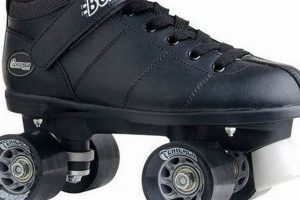
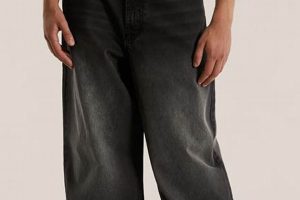
A distinct aesthetic emerged from the fusion of skateboarding culture and punk rock music, characterized by elements of both practicality and rebellion. Torn jeans, band t-shirts, studded belts, and sneakers are common components, often customized with patches, safety pins, or hand-drawn graphics. This style reflects an ethos of nonconformity and self-expression.
This particular style provides a visible means of identifying with a specific subculture and expressing individual identity. Its functional aspects, such as durable clothing suited for skateboarding, are combined with the rebellious attitude inherent in punk, creating a unique and influential visual language. It evolved from the DIY ethos of both skateboarding and punk rock scenes, solidifying its cultural significance.
The following sections will delve into the specific garments and accessories that define this look, tracing its origins and impact on popular culture, and exploring its contemporary manifestations. We will also examine the influence of key figures and events in shaping its evolution.
Essential Guidance for Embracing the Style
Adopting this aesthetic necessitates a thoughtful consideration of both its functional and symbolic elements. Authenticity is achieved through understanding its origins and adapting its key components to individual expression.
Tip 1: Prioritize Durability and Functionality: Select garments constructed from robust materials that withstand the rigors of skateboarding and active lifestyles. Reinforced knees on pants and sturdy footwear are essential.
Tip 2: Embrace DIY Customization: Infuse individuality into clothing through homemade patches, stenciled designs, or hand-sewn modifications. This reflects the core punk ethos of self-reliance and creative expression.
Tip 3: Incorporate Band T-Shirts: Display allegiance to influential punk and skate punk bands by incorporating their merchandise into the wardrobe. Authentic vintage shirts are highly valued.
Tip 4: Utilize Layering for Versatility: Employ layering techniques to adapt to varying weather conditions and create visual depth. Flannel shirts, denim jackets, and hoodies are versatile options.
Tip 5: Choose Appropriate Footwear: Select skateboarding shoes known for their durability, grip, and comfort. Classic styles from brands associated with skateboarding are recommended.
Tip 6: Accessorize with Intention: Integrate accessories such as studded belts, wristbands, and beanies to further personalize the look. These elements should complement, rather than overwhelm, the overall style.
Tip 7: Maintain Authenticity and Avoid Stereotypes: Research the history and cultural context to ensure the style is adopted respectfully and avoids caricature. Understand the subculture to represent it genuinely.
By adhering to these guidelines, individuals can effectively embrace the distinct style, honoring its origins and expressing their own unique interpretations. The key is to balance practicality with self-expression, embodying the spirit of the culture.
The following sections will provide specific examples of essential garments and accessories, further illustrating how to integrate these tips into a cohesive and authentic presentation.
1. Durability

Durability constitutes a foundational element of skate punk fashion. Garments must withstand the rigorous demands of skateboarding, impacting both aesthetic choices and material selection. The inherent physicality of the subculture necessitates robust clothing able to endure abrasions, falls, and general wear-and-tear.
- Material Selection: Reinforced Fabrics
The selection of heavy-duty fabrics like denim, canvas, and reinforced cotton is paramount. These materials offer greater resistance to tearing and abrasion compared to lighter alternatives. Examples include thick denim jeans, canvas jackets, and workwear-inspired trousers. This focus on resilient materials extends the lifespan of clothing items, aligning with the subculture’s anti-consumerist ethos.
- Construction Techniques: Reinforced Seams and Stitching
Beyond material selection, construction techniques play a critical role. Reinforced seams, double stitching, and bar tacking at stress points enhance the overall strength and longevity of garments. These techniques are often found in skateboarding-specific apparel brands and are readily identifiable upon close inspection. Such construction methods are crucial for clothing enduring high-impact activities.
- Purposeful Damage: Embracing Wear and Tear
While durability implies resistance to damage, the subculture often embraces the aesthetic of wear and tear. Rips, tears, and scuffs acquired through skateboarding are not necessarily repaired but rather incorporated into the style. This acceptance of purposeful damage serves as a visual testament to an active lifestyle and authentic involvement in the skateboarding subculture. A pristine, untouched garment may appear incongruous with the overall aesthetic.
- Footwear: Skate Shoes and Reinforced Design
Footwear is arguably the most crucial element where durability is concerned. Skate shoes are specifically engineered to withstand the demands of skateboarding. Features such as reinforced toe caps, vulcanized rubber soles, and durable suede or canvas uppers are essential. Brands like Vans, Converse, and Adidas have a long history of producing skate-specific footwear designed for longevity and performance. The choice of footwear directly impacts both safety and stylistic alignment.
The emphasis on durability within skate punk fashion reflects a practical consideration born from the demands of skateboarding, aligning with the subculture’s broader values of authenticity and anti-consumerism. The fusion of robust materials, reinforced construction, and the acceptance of wear and tear creates a distinct visual identity that separates this style from more mainstream fashion trends.
2. Customization
Customization forms a core tenet within skate punk fashion, serving as a visible declaration of individuality and a direct challenge to mass-produced uniformity. It is not merely decorative; it embodies the DIY ethic inherent in both skateboarding and punk subcultures. This process transforms ordinary garments into unique statements of personal identity and affiliation.
- Patches and Appliqus
Patches, often sourced from punk bands, skateboarding brands, or created independently, are sewn or adhered to jackets, vests, and backpacks. These act as visual badges, signaling allegiances and personal experiences. A jacket adorned with patches from seminal punk bands like The Ramones or Dead Kennedys instantly communicates cultural alignment. The deliberate arrangement and selection of patches reflect individual tastes and history within the subculture.
- Hand-Painted Graphics and Stencils
Employing fabric paint or stencils to create original artwork directly onto clothing represents a more assertive form of customization. Slogans, band logos, or abstract designs applied to jeans or t-shirts transform them into wearable canvases. The imperfect, often deliberately crude aesthetic of these creations reinforces the anti-establishment sentiment at the heart of punk. These personalized graphics make each garment a singular expression of its owner’s worldview.
- Deconstruction and Reconstruction
Tearing, ripping, and reassembling clothing is a physical manifestation of rejecting conventional aesthetics. Jeans can be distressed, cut into shorts, or patched with contrasting fabrics to create a deliberately chaotic appearance. This process of deconstruction and reconstruction symbolizes a rejection of consumerism and an embrace of resourcefulness. The resulting garments are often asymmetrical and visually jarring, reflecting the rebellious spirit of the subculture.
- Studs and Hardware
The addition of metal studs, safety pins, and chains to clothing and accessories provides both a visual edge and a practical function. Studded belts and bracelets are common accessories, while safety pins serve as both decorative elements and makeshift repairs. These hardware elements convey a sense of defiance and nonconformity. They add a tactile and visually aggressive dimension to the overall aesthetic, further distinguishing it from mainstream fashion trends.
These customization techniques, whether through patches, paint, deconstruction, or hardware, collectively transform clothing into potent symbols of individual identity and subcultural belonging. The act of customizing garments becomes a form of self-expression, communicating affiliations, beliefs, and a rejection of societal norms. It reinforces the core tenets of skate punk fashion, solidifying its place as a unique and influential visual language.
3. Band Affiliation

Band affiliation represents a critical element in defining skate punk fashion, acting as a visible marker of subcultural allegiance and musical preference. The display of band-related imagery and merchandise serves to communicate individual identity and participation within the larger skate punk community. This connection extends beyond mere fandom, reflecting shared values and aesthetic sensibilities.
- Band T-Shirts as a Primary Indicator
Band t-shirts function as the most direct and widespread method of expressing musical affiliation. Wearing t-shirts featuring logos, album art, or tour dates of influential skate punk bands such as Bad Brains, Suicidal Tendencies, or NOFX immediately signals alignment with the subculture’s musical foundations. The selection of specific bands often reflects nuanced preferences within the broader genre, distinguishing between different strains of punk rock and their corresponding ideologies.
- Patches and DIY Embellishments
Beyond commercially produced t-shirts, band patches and DIY embellishments further personalize garments and demonstrate a deeper engagement with the music. Hand-sewn patches featuring band logos, album artwork, or lyrical excerpts adorn jackets, backpacks, and pants, transforming everyday clothing into personalized billboards of musical taste. The act of creating and applying these patches signifies a proactive involvement in the subculture, moving beyond passive consumption.
- Influence on Hairstyle and Accessories
Band affiliation can extend to influencing hairstyle and accessory choices. Certain skate punk bands are associated with specific hairstyles, such as the mohawks popularized by bands like The Exploited or the spiky hair favored by fans of Dead Kennedys. Similarly, the use of accessories like studded belts, wristbands, and specific types of jewelry may be linked to particular bands or sub-genres within skate punk, further solidifying visual associations.
- Visual Communication of Ideology
The choice of bands represented through clothing and accessories often reflects an underlying ideological stance. Skate punk music frequently addresses themes of social injustice, anti-establishment sentiment, and personal rebellion. By visually aligning with these bands, individuals communicate their support for these ideologies and their commitment to challenging societal norms. The selection process becomes a form of visual activism, signaling solidarity with the band’s message.
In summary, band affiliation plays a central role in shaping skate punk fashion, serving as a dynamic form of visual communication that expresses musical preference, subcultural allegiance, and ideological conviction. The careful selection and display of band-related imagery and merchandise transforms ordinary garments into potent symbols of identity and belonging within the skate punk community.
4. Functionality
Functionality is not merely a secondary consideration, but an integral component of skate punk fashion. The practical needs of skateboarding and an active lifestyle directly influence garment choices, construction, and overall aesthetic, distinguishing it from purely aesthetic-driven fashion trends.
- Durability for Skateboarding
Garments must withstand the abrasions and impacts inherent in skateboarding. Reinforced knees in pants, durable fabrics like denim or canvas, and sturdy stitching are essential. Ripped or torn clothing, while sometimes stylistic, often originates from actual skateboarding activity, highlighting the connection between wear and purpose.
- Mobility and Range of Motion
Clothing must allow for a full range of motion. Baggy or relaxed fits facilitate movement on a skateboard. Tight or restrictive clothing hinders performance and is therefore impractical. This requirement prioritizes comfort and freedom of movement, contributing to the characteristic silhouette of skate punk attire.
- Footwear Design for Grip and Support
Skate shoes are specifically designed for skateboarding, featuring flat, vulcanized rubber soles for optimal grip and padded collars for ankle support. The design prioritizes board feel and protection. The prevalence of specific shoe brands and styles within the subculture reflects a practical need for functional footwear.
- Layering for Adaptability
Layering allows for adaptation to varying weather conditions. Flannel shirts, hoodies, and denim jackets can be added or removed as needed. This practicality addresses the outdoor nature of skateboarding, providing versatility in different environments. The layered look also contributes to the overall visual aesthetic.
These elements demonstrate how practical considerations shape the visual identity. The need for durable, functional clothing directly impacts the stylistic choices made, grounding it in a tangible reality rather than purely abstract design. This symbiotic relationship between form and function distinguishes it within the broader fashion landscape.
5. Individuality

Individuality is a defining characteristic deeply interwoven within skate punk fashion. It transcends mere stylistic preference, serving as a visual declaration of personal identity and a rejection of conformity. This expression is realized through various methods, each contributing to a unique aesthetic that distinguishes individuals within the subculture.
- DIY Modification and Customization
The modification of clothing through DIY methods stands as a primary expression of individuality. This encompasses adding patches, stenciling designs, distressing fabric, and altering garment construction. Such practices transform mass-produced items into unique statements reflecting personal taste and affiliations. A customized jacket adorned with hand-sewn patches representing specific bands or ideologies exemplifies this facet. The deliberate act of altering clothing rejects standardization, asserting independence.
- Eclectic Mixing of Styles and Influences
The blending of disparate styles and influences allows for a nuanced expression of individuality. Combining elements from punk rock, skateboarding, and other subcultures creates a personal aesthetic distinct from rigidly defined trends. This might involve pairing ripped jeans with a vintage band t-shirt and a skate shoe, forging a novel combination. The selection and arrangement of these elements become a form of self-curation, revealing individual preferences and cultural awareness.
- Personal Expression Through Accessories
Accessories provide a nuanced avenue for conveying individuality. Choices such as studded belts, wristbands, customized hats, and unique jewelry offer subtle yet impactful ways to express personal style. A studded belt with specifically chosen studs or a customized wristband representing a personal cause can communicate individuality. These details amplify the overall aesthetic, revealing personal taste and affiliations.
- Rejection of Mainstream Trends
The deliberate rejection of prevailing fashion trends serves as a fundamental expression of individuality. This involves actively distancing oneself from commercially driven styles and embracing alternatives that reflect personal values and subcultural allegiance. Choosing to wear worn-out, customized clothing in opposition to current trends, for example, communicates a rejection of consumerism and a commitment to individual expression. This defiance establishes independence from external pressures and affirms unique identity.
The diverse expressions of individuality in skate punk fashion ultimately function as a form of non-verbal communication. Each carefully chosen and customized element contributes to a visual narrative that reflects personal values, affiliations, and a commitment to self-expression. The rejection of conformity, coupled with the embrace of DIY aesthetics, solidifies individuality as a cornerstone of this subcultural style.
6. Nonconformity

Nonconformity constitutes a core ideological principle manifested visually through skate punk fashion. It is not a superficial aesthetic choice but a deliberate rejection of mainstream societal norms and commercialized fashion trends, expressed through specific sartorial decisions. This rejection serves as a visible marker of affiliation with a subculture valuing individual expression and opposition to prevailing power structures.
- Rejection of Mainstream Aesthetics
Skate punk fashion actively subverts prevailing trends promoted by the fashion industry. Rather than adhering to seasonal styles or designer labels, individuals embrace repurposed, customized, and often deliberately tattered clothing. The emphasis on functionality and durability over superficial aesthetics signifies a rejection of consumerism and the relentless pursuit of novelty. The deliberate adoption of an “unfashionable” appearance is a direct challenge to conventional standards of beauty and social acceptability.
- DIY Customization as Resistance
The prevalence of DIY customization techniques, such as applying patches, stenciling designs, and altering garment construction, transforms clothing into a form of personal expression and resistance. These modifications personalize mass-produced items, rendering them unique and rejecting the uniformity promoted by commercial fashion. The act of creating personalized clothing is a direct challenge to the control exerted by corporations and designers over individual style. This signifies an assertion of autonomy and creative independence.
- Subversion of Gender Norms
Skate punk fashion often disregards conventional gendered dress codes. Clothing choices prioritize practicality and personal preference over traditional notions of femininity or masculinity. This can manifest in women adopting traditionally masculine garments such as baggy pants or work boots, and men embracing elements of traditionally feminine styles. This challenges societal expectations related to gender expression and promotes a more fluid and individualistic approach to style.
- Visual Declaration of Subcultural Affiliation
The adoption of skate punk fashion functions as a visual signal of affiliation with a specific subculture. Clothing choices, such as band t-shirts, studded belts, and specific footwear brands, communicate shared values and musical preferences. This serves to identify individuals within the skate punk community and distinguish them from those adhering to mainstream fashion trends. It strengthens group identity and communicates a collective rejection of societal norms.
These facets illustrate how nonconformity is actively embodied and communicated through skate punk fashion. The conscious rejection of prevailing trends, the embrace of DIY customization, the subversion of gender norms, and the declaration of subcultural affiliation collectively contribute to a visual language of resistance and individual expression.
7. Practicality
Practicality is a fundamental principle underpinning skate punk fashion, directly influencing the selection, construction, and modification of garments. The demanding nature of skateboarding and the active lifestyles associated with the subculture necessitate clothing that prioritizes durability, functionality, and comfort over purely aesthetic concerns.
- Durability and Resistance to Wear
Clothing worn within this context must withstand significant wear and tear. Reinforced fabrics such as denim, canvas, and heavy cotton blends are favored for their resistance to abrasion and tearing. Seams are often double-stitched or reinforced at stress points to enhance garment longevity. The prevalence of durable materials reflects the understanding that garments will be subjected to considerable physical stress during skateboarding activities.
- Mobility and Freedom of Movement
Skateboarding requires a full range of motion, making comfortable and unrestricted clothing essential. Baggy or relaxed fits are preferred over tight or restrictive styles. Clothing should allow for fluid movement without hindering performance. This functional consideration influences the silhouette and overall design, contributing to the characteristic loose and comfortable aesthetic.
- Protective Elements and Safety Considerations
While not always explicitly prioritized, practicality extends to safety. Skate shoes, designed with flat soles for grip and padded collars for ankle support, provide crucial protection. Long sleeves and pants offer a degree of abrasion resistance in the event of falls. Accessories like wristbands can serve as protective gear, minimizing the risk of injury. These protective elements, while sometimes subtle, contribute to the overall functionality of the attire.
- Adaptability to Environmental Conditions
The outdoor nature of skateboarding necessitates clothing adaptable to varying weather conditions. Layering is a common practice, allowing individuals to adjust their attire based on temperature and precipitation. Flannel shirts, hoodies, and denim jackets are versatile options that provide warmth and protection. The ability to adapt to different environments enhances the practicality and functionality of the wardrobe.
The emphasis on durability, mobility, safety, and adaptability solidifies practicality as a defining element of skate punk fashion. These considerations directly influence garment selection and modification, resulting in a style that prioritizes function without sacrificing individuality and aesthetic expression. This interplay between practicality and personal style distinguishes the aesthetic from purely trend-driven fashion movements.
Frequently Asked Questions
This section addresses common inquiries and misconceptions surrounding the aesthetic, providing clarity and historical context.
Question 1: What are the fundamental garments that constitute skate punk fashion?
Key garments include ripped or distressed jeans (often denim), band t-shirts displaying logos of punk or skate punk bands, skate shoes (such as Vans or Converse), and outerwear like denim or leather jackets. Accessorizing often involves studded belts, wristbands, and beanies.
Question 2: How does skate punk differ from general punk fashion?
While both share a rebellious spirit and DIY aesthetic, skate punk incorporates functional elements specific to skateboarding. This includes more durable materials, looser fits for mobility, and skate-specific footwear. General punk may emphasize more overtly aggressive or theatrical elements.
Question 3: What role does customization play in this style?
Customization is critical. Altering garments through patches, stencils, rips, and added hardware expresses individuality and rejects mass-produced conformity. DIY modifications allow for personal expression and a visible demonstration of subcultural affiliation.
Question 4: Is it necessary to skateboard to legitimately embrace skate punk fashion?
While active participation in skateboarding lends authenticity, it is not strictly required. Understanding the cultural context and valuing the subculture’s principles is more important than physical participation. However, appropriating the style without awareness of its origins is discouraged.
Question 5: Are there specific musical artists that define the aesthetic?
Certain bands are strongly associated with the aesthetic. Examples include Black Flag, Suicidal Tendencies, Dead Kennedys, The Ramones, and NOFX. Their music and visual imagery have significantly shaped the style’s development.
Question 6: How has skate punk fashion evolved over time?
The style originated in the late 1970s and early 1980s, evolving alongside the development of both punk rock and skateboarding. While specific trends have changed, the core principles of functionality, individuality, and nonconformity remain central. Modern iterations may incorporate contemporary trends while still maintaining the fundamental elements.
Understanding these key points helps clarify the complexities and nuances of skate punk fashion.
The following section will explore influential figures and events that shaped the style’s trajectory.
Conclusion
This exploration has elucidated the defining characteristics of skate punk fashion, underlining its fusion of skateboarding’s practicality and punk rock’s rebellious spirit. Durability, customization, band affiliation, functionality, individuality, nonconformity, and practicality emerge as core tenets, shaping both the garments and the subculture’s visual identity. These elements function in concert to express a distinct worldview.
The enduring appeal of this style lies in its authentic representation of a specific subculture and its rejection of fleeting trends. As a visual language, it communicates values and affiliations, inviting continued exploration and reinterpretation while remaining grounded in its historical context. Understanding its foundational elements is essential for both appreciating its legacy and engaging with its future evolution.