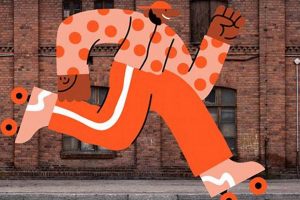
Typefaces associated with skateboarding culture often embody characteristics reflecting the sport’s energetic and rebellious spirit. Such letterforms commonly feature bold strokes, distressed textures, and dynamic angles, evoking the visual language found on skateboard decks, apparel, and related media. An example might include a heavily stylized sans-serif with a slanted axis and rough edges, used to convey a sense of speed and nonconformity.
The adoption of particular typographic styles by skateboarding brands and publications has played a significant role in shaping the visual identity of the subculture. These designs contribute to a sense of authenticity and belonging within the community. Historically, the use of specific fonts in this context has paralleled the evolution of skateboarding itself, mirroring trends in art, music, and fashion. The selection and application of these visual elements directly impact brand recognition and appeal to the target demographic.
This article will further examine the diverse range of typographic styles employed within skateboarding culture, exploring their aesthetic qualities, practical applications, and cultural significance. The discussion will encompass specific design elements, historical influences, and the enduring appeal of these distinctive visual forms.
Considerations for Selecting Typefaces in Skateboarding-Related Design
Choosing appropriate letterforms is crucial for conveying the desired message and aesthetic within skateboarding-related design. The following considerations should inform the selection process.
Tip 1: Prioritize Legibility. While stylistic elements are important, readability is paramount. Ensure the chosen typeface remains clear and easily decipherable, especially in smaller sizes or when applied to apparel. Example: Opt for a sans-serif font with adequate letter spacing for body text.
Tip 2: Embrace Boldness. Typefaces with thick strokes often resonate well with the skateboarding aesthetic. Such designs project confidence and impact, aligning with the sport’s dynamic nature. Example: Select a heavy-weight sans-serif or slab-serif for headlines and logos.
Tip 3: Explore Distressed Textures. Incorporating textures such as rough edges or faded effects can add a sense of authenticity and vintage appeal. This approach reflects the gritty, urban environment often associated with skateboarding. Example: Apply a subtle grunge texture to a clean sans-serif font to achieve a worn-in look.
Tip 4: Consider Angle and Slant. Utilizing slanted or oblique typefaces can convey a sense of motion and speed. This technique is particularly effective for logos and short phrases. Example: Slightly italicize a bold sans-serif font to create a feeling of forward momentum.
Tip 5: Ensure Brand Consistency. The selected typeface should align with the overall brand identity and target audience. Consider the existing visual elements and ensure the typography complements the established aesthetic. Example: Maintain a consistent typographic style across all marketing materials, including website, social media, and print publications.
Tip 6: Test in Different Contexts. Before finalizing a typeface, test its appearance in various applications, including different sizes, colors, and backgrounds. This ensures it remains legible and visually appealing across all platforms. Example: Mock up designs featuring the chosen typeface on skateboard decks, posters, and website banners.
Careful typeface selection contributes significantly to the effectiveness of skateboarding-related design. By prioritizing legibility, boldness, texture, and brand consistency, designers can create impactful visuals that resonate with the target audience.
The subsequent sections will delve deeper into specific typographic trends and their application within the skateboarding industry.
1. Aggressive aesthetic

The aggressive aesthetic serves as a cornerstone of typographic styles prevalent within skateboarding culture. This visual characteristic aims to reflect the high-energy, rebellious nature of the sport. Consequently, letterforms often incorporate bold strokes, sharp angles, and distorted shapes to emulate the intensity and dynamic movement associated with skateboarding. The selection of such typefaces is not arbitrary; it is a deliberate attempt to visually communicate the sport’s inherent attitude and appeal to its target audience. A prime example is the use of heavily distressed or stencil-style fonts on skateboard decks and apparel, intended to convey a sense of raw energy and nonconformity. This aesthetic is foundational; removing it would fundamentally alter the intended message of the typography.
The application of this aggressive aesthetic extends beyond mere visual appeal. It plays a significant role in establishing brand identity and fostering a sense of community within the skateboarding subculture. Brands such as Thrasher Magazine, with its iconic, angular logotype, have successfully leveraged this aesthetic to create a strong and recognizable visual presence. The effective use of aggressive typography allows these entities to communicate their brand values and connect with consumers who identify with the sport’s ethos. Furthermore, the deliberate incorporation of aggressive visual elements serves as a marketing strategy, attracting attention and differentiating products in a competitive market. Consider how independent skate shops often utilize hand-painted signage featuring graffiti-inspired typefaces, reinforcing their connection to the local skateboarding scene.
In summary, the aggressive aesthetic is an indispensable component of skateboarding typography. Its application is not merely stylistic but deeply functional, contributing to brand identity, marketing, and the overall communication of skateboarding’s core values. While other design considerations, such as legibility and brand alignment, remain important, the aggressive aesthetic serves as a critical differentiator, shaping the visual landscape of the skateboarding world. This foundational element presents a continuous challenge for designers, as they seek to balance aggression with functionality to maintain relevance and appeal within the ever-evolving skateboarding subculture.
2. Visual impact

The visual impact of skateboarding-related typography directly influences the audience’s perception of the brand or message. The selection of a typeface that possesses a strong visual presence is paramount, as it serves as an initial point of engagement. The cause-and-effect relationship is clear: striking typography increases memorability and association with the skateboarding subculture. Ignoring visual impact can result in a message being overlooked amidst the saturated landscape of skateboarding media. The significance of visual impact is heightened by the prevalence of imagery and video content within the skateboarding world; typography must effectively compete for attention. Real-life examples include the bold, high-contrast typefaces used by prominent skateboarding shoe brands like Vans and DC, which are instantly recognizable and associated with the sport.
The practical significance of understanding the connection between typography and visual impact lies in its application to design decisions. Graphic designers working within the skateboarding industry must carefully consider the visual weight, color, and layout of their chosen typefaces. For instance, a densely textured font superimposed on a complex graphic might diminish its overall impact. Conversely, a clean, minimalist font might appear too generic and fail to resonate with the target audience. Effective strategies involve experimenting with different typographic treatments, considering negative space, and ensuring the typeface complements the surrounding visuals. The consideration of screen resolution and printing techniques is also crucial in ensuring the intended visual impact is maintained across various media.
In conclusion, the visual impact of typography is a critical factor in the successful communication of skateboarding-related messages. It affects brand recognition, audience engagement, and overall design effectiveness. While aesthetic preferences may vary, a deep understanding of the principles of visual impact is essential for designers seeking to create impactful and resonant typography within the skateboarding industry. Future considerations should address emerging trends in digital typography and the increasing importance of accessible design, ensuring that skateboarding-related messages are visually appealing and inclusive.
3. Street credibility

The incorporation of specific typographic styles significantly impacts the perceived street credibility of skateboarding brands and associated products. Typography, in this context, serves as a visual shorthand, communicating alignment with the subculture’s values and aesthetics. The selection of fonts that resonate with the target demographic directly influences the brand’s perceived authenticity, leading to increased acceptance and adoption. For example, brands that utilize clean, corporate typefaces may be perceived as inauthentic or out of touch with the skateboarding community, while those employing distressed, hand-drawn, or graffiti-inspired fonts are more likely to convey a sense of street credibility. This association is often subconscious but profoundly influential in consumer behavior. The effect of a brands font choice on its perception of credibility is substantial.
The practical significance of understanding this connection lies in its application to marketing and branding strategies. Designers and marketers operating within the skateboarding industry must carefully consider the typographic choices they make, recognizing that these choices contribute directly to the brand’s perceived credibility. Utilizing fonts that have historical associations with skateboarding, such as those used in classic skateboard graphics or independent publications, can signal an understanding of and respect for the subculture’s history. The successful integration of such fonts can solidify a brand’s position within the skateboarding community. The visual message is key, it must align with authenticity and respect for the culture to be credible.
In conclusion, street credibility and typographic choice are inextricably linked within the skateboarding subculture. The careful selection and application of fonts can either enhance or detract from a brand’s perceived authenticity and acceptance. Designers operating in this space should prioritize an understanding of the subculture’s visual language and historical context to ensure their typographic choices resonate with the target audience and contribute to a credible brand image. This connection presents ongoing challenges in balancing innovation with respect for established visual norms, requiring a nuanced understanding of the ever-evolving skateboarding landscape.
4. Readability (constrained)
Within the domain of skateboarding typography, readability often exists as a constrained factor, necessitating a delicate balance between aesthetic expression and functional communication. The prevailing emphasis on visually striking and unconventional letterforms can inadvertently compromise the ease with which text can be processed. The cause is clear: the drive for a bold and impactful aesthetic often takes precedence over traditional legibility concerns. The effect of this prioritization manifests in typefaces featuring exaggerated distortions, heavy textures, or unconventional letter spacing, which may pose challenges to readers, particularly in extended textual contexts. The importance of readability, even within its constrained state, lies in its ability to convey critical information, such as brand names, product details, or informational text within advertisements. The effectiveness of the typographic design hinges on its ability to communicate while adhering to the stylistic norms of the subculture.
Practical applications of this understanding involve strategic design choices. For example, while a highly stylized font might be suitable for a prominent logo or headline, a more legible typeface is often necessary for supporting text or product descriptions. The challenge lies in integrating these disparate typographic elements cohesively, creating a unified design that is both visually appealing and functionally effective. Real-life examples can be observed in the marketing materials of established skateboarding brands, where a visually striking typeface is used for the brand name, while a cleaner, more readable font is employed for product specifications. The application of typographic hierarchy effectively manages the inherent tension between stylistic expression and functional legibility. Consideration should be given to the intended medium and context, as the optimal balance between readability and visual impact may vary depending on whether the design is intended for print, digital display, or application on physical products.
In summary, “readability (constrained)” represents a critical design consideration within the context of skateboarding typography. The pursuit of a visually impactful aesthetic often necessitates a strategic approach to legibility, requiring designers to carefully balance stylistic expression with the functional requirements of communication. The key lies in recognizing the inherent trade-offs and employing design strategies that maximize both visual appeal and reader comprehension. While the challenges are significant, the successful navigation of this tension is crucial for creating effective and resonant typography within the skateboarding subculture. This suggests a need for continued exploration of innovative typographic solutions that prioritize both visual impact and functional readability, ensuring that the message is not lost in the pursuit of aesthetic expression.
5. Brand alignment
In skateboarding culture, brand alignment with typographic choices is paramount. Typefaces serve as immediate visual cues, communicating a brand’s values, target audience, and overall aesthetic. The selection of appropriate letterforms is not merely stylistic; it is a strategic decision impacting consumer perception and brand resonance within a highly discerning market.
- Target Audience Congruence
The chosen typeface must effectively resonate with the intended demographic. For instance, a brand targeting younger skateboarders might opt for playful, graffiti-inspired fonts, while a brand focusing on a more mature audience might favor a bolder, more authoritative sans-serif. Aligning typographic choices with the target audience’s preferences increases brand affinity and memorability.
- Historical Context Integration
Acknowledging and incorporating historical typographic trends within skateboarding culture is vital. Drawing inspiration from classic skateboard graphics or influential publications can signal a brand’s understanding of and respect for the subculture’s heritage. However, direct imitation should be avoided; rather, historical elements should inform contemporary design choices to create a unique yet authentic visual identity.
- Visual Consistency Across Platforms
Maintaining a consistent typographic style across all brand touchpoints, including skateboard decks, apparel, websites, and social media, reinforces brand recognition and reinforces its message. This visual coherence ensures that the brand’s identity remains instantly recognizable, fostering a sense of trust and familiarity among consumers. Deviation from established typographic guidelines can lead to brand confusion and a diluted brand identity.
- Emotional Resonance and Subcultural Values
Typefaces evoke specific emotions and associations. Brands should select fonts that align with the desired emotional response and reflect the core values of the skateboarding subculture, such as independence, creativity, and rebellion. Employing typefaces that project a sense of authenticity and individuality can strengthen a brand’s connection with the skateboarding community.
The selection of “skater fonts” extends beyond aesthetic considerations; it represents a critical component of brand alignment within the skateboarding industry. By carefully considering target audience congruence, historical context integration, visual consistency, and emotional resonance, brands can leverage typography to create a strong and recognizable visual identity that resonates with their target demographic, solidifying their position within this unique cultural landscape. The consequences of misalignment can diminish a brand’s authenticity and relevance.
6. Deck graphics
The integration of typefaces into deck graphics represents a critical aspect of visual communication within skateboarding culture. The selection of “skater fonts” directly influences the aesthetic impact and perceived value of the skateboard deck itself. A direct relationship exists: aesthetically compelling graphics, incorporating appropriate fonts, elevate the product’s marketability. Conversely, poorly chosen fonts can detract from the overall design, diminishing its appeal. Deck graphics, therefore, function as a canvas where typographic choices become inseparable from the overall artistic expression. The visual message must align with brand identity and skater culture.
Real-life examples illustrate this connection effectively. Consider the iconic graphics of Powell Peralta, where bold, illustrative designs were often complemented by equally striking fonts that reinforced the brand’s identity. Similarly, Santa Cruz Skateboards’ “Screaming Hand” graphic, while primarily illustrative, utilized a specific typeface that became synonymous with the brand. The practical application of this understanding is evident in the design processes of modern skateboard companies. Designers meticulously select typefaces that complement the deck’s artwork, ensuring a cohesive visual narrative. Techniques include matching the font’s weight and style to the overall aesthetic, using distressed fonts for a vintage look, or employing custom-designed typefaces for a unique and recognizable brand identity. Color combinations and the font’s placement are key.
In conclusion, the connection between deck graphics and typefaces underscores the importance of holistic design considerations within the skateboarding industry. The appropriate integration of fonts into deck graphics is crucial for enhancing visual appeal, communicating brand values, and ultimately, driving sales. Challenges lie in balancing aesthetic innovation with the need for readability and brand consistency. This intricate relationship highlights the significance of typography as a key element in shaping the visual landscape of skateboarding culture. Further research should address the evolving trends in deck graphics and the role of emerging typographic styles in capturing the attention of skateboarders.
Frequently Asked Questions About Skater Fonts
The following questions address common inquiries and misconceptions regarding typefaces commonly associated with skateboarding culture.
Question 1: What defines a “skater font”?
The term refers to a category of typefaces often employed in skateboarding-related branding, apparel, and deck graphics. These fonts typically exhibit characteristics such as bold strokes, distressed textures, and aggressive angles, reflecting the sport’s energetic and rebellious nature. There is no single, universally defined “skater font”; rather, it encompasses a range of styles that evoke the visual language of the subculture.
Question 2: Are “skater fonts” inherently difficult to read?
While some typefaces within this category prioritize visual impact over legibility, this is not always the case. Design considerations should strike a balance between aesthetic expression and functional communication. The choice of font should be guided by the intended application and the importance of conveying information effectively.
Question 3: Is it appropriate to use “skater fonts” outside of skateboarding contexts?
The suitability of using these fonts in other contexts depends entirely on the desired aesthetic and target audience. If the goal is to convey a sense of energy, rebellion, or urban authenticity, then the use of such typefaces may be appropriate. However, caution should be exercised to ensure that the font choice does not appear incongruous or undermine the overall message.
Question 4: Do “skater fonts” have historical origins within skateboarding culture?
Yes, certain typographic styles have become associated with skateboarding culture over time. These styles often reflect broader trends in art, music, and fashion that have influenced the subculture’s visual identity. The use of specific fonts can signal an understanding of and respect for the history of skateboarding.
Question 5: How does typeface selection impact a skateboarding brand’s credibility?
Typeface selection significantly contributes to a brand’s perceived credibility within the skateboarding community. The chosen font should align with the brand’s values, target audience, and overall aesthetic. A font that appears inauthentic or out of touch with the subculture can negatively impact the brand’s reputation.
Question 6: Are there specific font families that are considered inherently “skater fonts”?
No specific font families are exclusively designated as “skater fonts.” However, certain styles, such as bold sans-serifs, distressed fonts, and hand-drawn letterforms, are commonly associated with skateboarding culture due to their prevalence in related design materials.
Understanding the nuances of “skater fonts” requires recognizing the interplay between aesthetic expression, functional communication, and cultural context. Careful consideration of these factors is essential for effective typographic design within the skateboarding industry.
The subsequent article section will explore case studies of successful typographic applications within skateboarding culture.
Conclusion
The preceding exploration of “skater fonts” has highlighted the intricate relationship between typographic choices and skateboarding culture. It has demonstrated that these fonts are more than mere aesthetic elements; they serve as potent visual cues, communicating brand values, subcultural affiliations, and a distinct sense of identity. The effective application of these typefaces hinges on a nuanced understanding of the target audience, historical context, and the inherent trade-offs between visual impact and functional communication.
As the skateboarding landscape continues to evolve, the importance of strategic typographic design remains paramount. Designers must navigate the ever-shifting trends and technologies to create fonts that resonate with skateboarders, reinforce brand credibility, and effectively convey the sport’s enduring spirit. Continued exploration and innovation in this field are essential for maintaining the visual vitality of skateboarding culture and ensuring its message remains compelling and authentic.