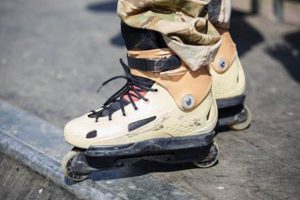
These specialized athletic shoes, often associated with skateboarding culture, are designed to withstand the rigors of skating while providing enhanced performance and style. As an example, the construction of these shoes typically incorporates reinforced stitching, durable materials like suede or leather, and cushioned soles for impact absorption.
The significance of these shoes stems from their ability to protect the wearer’s feet during demanding activities and provide the necessary grip and board feel for optimal control. Historically, the evolution of these athletic shoes has been closely linked to the development of skateboarding itself, with manufacturers continuously innovating to meet the evolving needs of skaters.
The following sections will delve into specific aspects of these shoes, including material science, design considerations, and their cultural influence within the skateboarding community.
Optimizing Performance with Specialized Footwear
The selection and maintenance of appropriate athletic footwear significantly impacts skateboarding performance and longevity. Understanding key features and employing proper care techniques are essential for maximizing benefits.
Tip 1: Prioritize Durable Materials: Opt for footwear constructed from high-quality suede or leather. These materials offer superior abrasion resistance, prolonging the lifespan of the shoes, particularly in high-wear areas like the ollie patch.
Tip 2: Inspect Stitching Regularly: Examine the stitching around the sole, ollie area, and laces. Reinforce any loose or frayed stitching promptly to prevent further damage and separation.
Tip 3: Consider Sole Construction: Vulcanized soles provide excellent board feel, while cup soles offer greater impact protection. Select the sole type based on individual skating style and terrain preferences.
Tip 4: Employ Shoe Goo for Repair: Utilize a specialized adhesive designed for footwear repair, such as Shoe Goo, to mend minor tears and delaminations. Applying Shoe Goo proactively to vulnerable areas can extend shoe life.
Tip 5: Utilize Insole Support: Invest in quality insoles that provide arch support and cushioning. This reduces foot fatigue and minimizes the risk of injury, especially during extended skate sessions.
Tip 6: Protect Laces Strategically: Thread laces through the eyelets in a manner that minimizes exposure to abrasive surfaces. Alternatively, consider using reinforced or waxed laces for increased durability.
Tip 7: Clean Footwear Appropriately: Remove dirt and debris regularly using a brush and mild soap. Avoid submerging the shoes in water, as this can damage the materials and adhesives. Allow to air dry completely.
Adhering to these guidelines will not only improve the longevity of the footwear but also enhance overall skateboarding experience, leading to better performance and reduced risk of injury.
The subsequent sections will address the cultural significance and design evolution associated with this type of specialized athletic footwear.
1. Durability

Durability is a paramount attribute in athletic footwear designed for skateboarding, directly impacting both performance and longevity. Specialized athletic shoes of this category require robust construction to withstand the abrasive forces encountered during regular use.
- Material Selection
The choice of materials significantly influences the overall durability. Suede and leather, often employed in the upper construction, offer inherent abrasion resistance. The density and quality of these materials dictate their ability to withstand repeated friction against concrete and grip tape.
- Reinforced Stitching
Stitching plays a critical role in maintaining structural integrity. High-stress areas, such as the ollie patch and toe box, necessitate reinforced stitching patterns. Double or triple stitching techniques enhance the shoe’s resistance to tearing and separation.
- Sole Construction
The bond between the upper and the sole is a key point of failure. Vulcanized soles, while offering excellent board feel, can be susceptible to separation over time. Cup soles, with their more robust construction, generally exhibit greater resistance to delamination.
- Abrasion Resistance
The outsole material must possess high abrasion resistance to withstand the constant friction generated during skateboarding. Durable rubber compounds, often incorporating specific tread patterns, are essential for maintaining grip and extending the lifespan of the sole.
The interplay of these factors defines the overall durability of specialized athletic shoes. The selection of appropriate materials, coupled with strategic reinforcement techniques, directly contributes to the footwear’s ability to endure the demanding conditions of skateboarding. Ultimately, enhanced durability translates to improved performance, reduced wear and tear, and an extended lifespan for the specialized athletic shoes.
2. Cushioning
Cushioning is a critical component within specialized athletic shoes designed for skateboarding, providing essential impact absorption to mitigate the physical stress associated with high-impact activities. The repetitive landing of jumps and tricks generates significant forces on the skater’s feet and joints. Without adequate cushioning, these forces can lead to chronic injuries, such as heel bruises, ankle sprains, and stress fractures. The specific materials and construction methods employed in the midsole and insole directly influence the degree of impact absorption. For example, polyurethane (PU) midsoles offer superior cushioning and energy return compared to ethylene-vinyl acetate (EVA) midsoles, though often at the expense of weight. Air-based cushioning systems, strategically placed within the midsole, can further enhance impact absorption, distributing forces across a larger area.
The effectiveness of cushioning directly impacts a skater’s ability to perform complex maneuvers and endure prolonged skate sessions. Shoes with insufficient cushioning can lead to premature fatigue and decreased performance. Conversely, excessive cushioning can compromise board feel, hindering the skater’s ability to accurately gauge foot placement and control the board. Therefore, the ideal cushioning system strikes a balance between impact protection and board feel. Furthermore, the placement of cushioning is also significant; strategically placed gel pads or foam inserts in the heel and forefoot can provide targeted protection to high-impact areas. Examples can include the various Nike Dunk models from Skate shops which often featured innovative insole technologies.
In summary, appropriate cushioning is integral to the design of skateboarding footwear. It mitigates impact forces, reduces the risk of injury, and contributes to overall performance and endurance. Manufacturers continuously innovate to optimize cushioning materials and placement, striving to achieve an ideal balance between impact protection and board feel. Understanding the relationship between cushioning and performance is crucial for both skaters and manufacturers seeking to create and select optimal athletic footwear.
3. Board Feel

Board feel, in the context of specialized athletic shoes designed for skateboarding, denotes the tactile sensitivity a skater experiences through the sole of their shoe when in contact with the skateboard. It is a crucial performance attribute directly influencing control, responsiveness, and the execution of technical maneuvers. Compromised board feel hinders a skater’s ability to perceive the board’s position and movement, leading to decreased precision and an increased risk of miscalculation during tricks. Athletic shoes lacking adequate board feel can create a detached sensation, effectively isolating the skater from the essential feedback necessary for intricate board manipulations.
The design and construction of the sole significantly impact board feel. Thinner soles, particularly those made from vulcanized rubber, generally offer superior board feel due to the reduced material between the foot and the board. Conversely, thicker soles or those incorporating substantial cushioning, while providing increased impact protection, tend to diminish board feel. The flexibility of the sole material also plays a critical role. A more flexible sole conforms more readily to the contours of the skateboard, enhancing tactile feedback. Examples include classic designs featuring thin, flexible soles that prioritize board feel over maximum impact absorption, commonly favored by skaters performing technical flat ground tricks. However, skaters engaging in more aggressive forms of skating, such as vert or street skating involving large drops, may opt for shoes with a thicker sole, accepting a trade-off in board feel for increased protection.
The understanding of board feel and its impact on skating performance is practically significant for both skaters and footwear manufacturers. Skaters must carefully consider their skating style and the types of terrain they typically encounter when selecting athletic shoes, balancing the need for board feel with the requirements for impact protection. Manufacturers, in turn, must innovate in materials and construction techniques to optimize board feel without compromising durability or safety. The challenge lies in achieving a design that provides both the necessary protection and the tactile sensitivity required for precise board control. Ultimately, the optimal balance depends on individual preferences and the specific demands of the skater’s chosen discipline.
4. Ankle Support

Ankle support is a critical element in specialized athletic shoes for skateboarding. This design aspect mitigates the risk of injuries stemming from the unique physical demands of the activity. The constant impact, abrupt directional changes, and potential for falls place considerable stress on the ankle joint. Inadequate support can lead to sprains, strains, and, in severe cases, fractures. Athletic shoes designed with enhanced ankle support aim to stabilize the joint, restricting excessive lateral movement and providing a protective barrier against impacts. For example, some designs incorporate high-top silhouettes or padded collars that extend above the ankle bone, offering additional reinforcement and cushioning.
The level of ankle support required is contingent upon the skater’s style and skill level. Beginners often benefit from more substantial support, as they are more prone to missteps and falls. Experienced skaters, who have developed greater ankle strength and proprioception, may prefer footwear with less restriction to maximize flexibility and board feel. However, even seasoned skaters who perform high-impact tricks or frequently skate on uneven terrain can benefit from the added security of reinforced ankle support. Some manufacturers integrate internal or external supports made of rigid or semi-rigid materials to further enhance stability. It’s important to mention the Nike Dunk high model which is very popular with skaters and offers superior ankle protection.
In summary, ankle support constitutes a critical safety feature in athletic shoes for skateboarding. Its presence directly correlates with a reduced risk of ankle injuries, particularly sprains and strains. The optimal level of support depends on individual factors, including skating style, skill level, and the type of terrain encountered. While excessive support can compromise board feel, insufficient support leaves the ankle vulnerable. Therefore, a balanced approach is crucial to ensure both safety and performance. Understanding these variables and how ankle support can protect while also offering performance benefits for the skater is critical.
5. Traction
Traction is a foundational attribute of specialized athletic footwear designed for skateboarding, influencing board control, maneuverability, and overall safety. Within this context, the design and composition of the outsole are paramount. Effective traction enables the skater to maintain a secure grip on the skateboard deck, facilitating precise execution of tricks and preventing slippage, which can lead to falls and injuries. The rubber compound used in the outsole construction significantly affects the coefficient of friction between the shoe and the board’s grip tape. Softer, tackier rubber compounds generally provide superior grip but may exhibit reduced durability compared to harder compounds. The outsole pattern also contributes to traction performance. Intricate tread patterns with deep grooves and multi-directional siping enhance grip on various surfaces and in diverse environmental conditions.
For example, specific “skate or die dunks,” as these specialized athletic shoes are often termed, feature outsoles with waffle-like patterns or herringbone designs. These patterns distribute weight evenly and maximize surface contact, resulting in enhanced grip. Consider a skater attempting a kickflip; reliable traction is essential for maintaining balance and controlling the board’s rotation. Slippage during the kickflip can disrupt the skater’s center of gravity, causing them to lose control and potentially fall. The ability to maintain consistent contact with the board through adequate traction is crucial for the successful completion of the trick and the skater’s safety. Additionally, the longevity of the outsole directly impacts the shoe’s overall performance. Premature wear of the outsole can diminish traction, rendering the shoe less effective and increasing the risk of accidents.
In summary, traction constitutes a non-negotiable performance characteristic of skateboarding footwear. It facilitates board control, enhances maneuverability, and ensures skater safety. The rubber compound, outsole pattern, and overall durability of the sole are critical factors determining traction performance. A skater’s ability to maintain consistent contact with the board directly correlates with the quality of traction provided by their footwear. Continued innovation in outsole design and rubber compound technology seeks to optimize the trade-off between grip, durability, and board feel, ensuring that skaters can perform at their best with minimal risk of injury.
6. Style

Style constitutes an intrinsic element of specialized athletic footwear designed for skateboarding, extending beyond mere aesthetics to reflect the culture, identity, and performance priorities within the skateboarding community. The visual design of these shoes, often characterized by specific color palettes, logos, and silhouettes, serves as a form of self-expression and a visual marker of affiliation with the skateboarding subculture. The influence of skateboarding on footwear design is evident in the adoption of durable materials, reinforced construction, and functional features that cater to the demands of the sport, seamlessly integrated into stylish designs.
The cause and effect relationship between skateboarding and footwear style is cyclical. Innovations in skateboarding performance often drive design changes in athletic shoes. Conversely, innovative designs can inspire new trends and styles within the skateboarding community. For example, certain colorways or collaborations with prominent skaters can significantly increase a shoe’s popularity and cultural relevance. Understanding the style is significant because it reflects the evolving trends and preferences within the skateboarding community and impacts the marketability and cultural impact of the specialized athletic footwear. Classic examples include limited-edition releases, collaborations with artists or skateboarders, and designs that incorporate iconic skateboarding imagery, these have all become highly sought-after items.
The visual design of these specialized athletic shoes is not merely cosmetic; it directly influences the perceived value and cultural capital of the footwear within the skateboarding community. Style also affects their broader appeal beyond skateboarding, often influencing trends in streetwear and fashion. These specialized athletic shoes are a statement and a testament to the symbiotic relationship between skateboarding culture and footwear design. The evolving nature of style ensures a continuous cycle of innovation and self-expression within the skateboarding community and the broader cultural landscape.
7. Construction

The construction of specialized athletic shoes profoundly influences their performance and durability, particularly in the context of skateboarding. These shoes, often referred to by the keyword term, demand a robust build to withstand the considerable stresses associated with the activity. Material selection, stitching techniques, and sole attachment methods are critical elements that determine the overall longevity and functionality of the footwear. For instance, the upper construction frequently incorporates durable suede or leather panels, reinforced with double or triple stitching in high-wear areas such as the ollie patch and toe box.
The sole unit represents another critical area of focus. Vulcanized soles, characterized by their flexibility and board feel, are traditionally attached to the upper using a heated process that bonds the rubber to the fabric. While providing excellent board feel, vulcanized construction can be more susceptible to separation over time compared to cup soles. Cup soles, on the other hand, offer increased durability and impact protection due to their more robust construction. They typically involve stitching and/or adhesive bonding the upper to a pre-molded sole unit. Examples showcasing these construction differences abound. Classic designs, favored for their board feel, often feature vulcanized construction. More modern designs, prioritizing impact absorption for high-impact skating, may incorporate cup sole construction with additional cushioning technologies.
In summary, the construction methods employed directly impact the performance and lifespan of these specialized athletic shoes. Understanding the nuances of material selection, stitching techniques, and sole attachment methods allows skaters and manufacturers to make informed decisions, optimizing footwear for the specific demands of skateboarding. While vulcanized construction offers superior board feel, cup sole construction prioritizes durability and impact protection. The optimal choice depends on individual preferences and the specific skating style pursued, yet the influence of construction remains a central determinant in overall shoe performance.
Frequently Asked Questions
The following addresses common inquiries regarding these specialized athletic shoes, providing factual responses and clarifying misconceptions.
Question 1: What defines “Skate or Die Dunks” as a distinct category of athletic footwear?
These specialized athletic shoes are characterized by durable construction, enhanced cushioning, and design features optimized for skateboarding performance. Material selection, stitching techniques, and sole construction differentiate them from generic athletic shoes.
Question 2: How do vulcanized and cup soles impact the performance of “Skate or Die Dunks”?
Vulcanized soles provide superior board feel and flexibility, while cup soles offer increased durability and impact protection. The optimal choice depends on individual skating style and terrain preferences.
Question 3: What materials are commonly used in the construction of “Skate or Die Dunks,” and why?
Suede and leather are frequently employed in the upper construction due to their abrasion resistance. Rubber compounds with high coefficients of friction are utilized in the outsole for enhanced grip.
Question 4: How critical is ankle support in “Skate or Die Dunks,” and what features contribute to it?
Ankle support is crucial for mitigating the risk of ankle injuries. High-top silhouettes, padded collars, and internal/external supports contribute to enhanced stability.
Question 5: What role does traction play in the performance of “Skate or Die Dunks”?
Traction is essential for maintaining board control, facilitating maneuverability, and ensuring skater safety. Outsole patterns and rubber compounds optimize grip on the skateboard deck.
Question 6: How does style contribute to the overall appeal and cultural significance of “Skate or Die Dunks”?
Style reflects the skateboarding subculture and provides a form of self-expression. Designs, colorways, and collaborations with skaters influence the shoe’s cultural impact and marketability.
Understanding these factors is essential for selecting and maintaining appropriate skateboarding footwear. Prioritizing performance, durability, and safety ensures an optimal skateboarding experience.
The subsequent section will explore maintenance and care tips to extend the lifespan of these specialized athletic shoes.
In Summary
This exploration of skate or die dunks has underscored their crucial role in skateboarding. These specialized athletic shoes, distinguished by their robust construction, protective cushioning, and enhanced board feel, represent more than mere footwear. They are instrumental to performance, safeguard against injury, and serve as a visual embodiment of skateboarding culture.
Moving forward, ongoing innovation in material science and design will undoubtedly continue to refine these athletic shoes, further optimizing their functionality and safety. Recognizing the enduring influence and performance benefits associated with skate or die dunks remains paramount for both skaters and manufacturers, ensuring the continued evolution of skateboarding footwear to meet the ever-changing demands of the sport.