Skateboards produced in finite quantities, often featuring unique artwork, materials, or collaborations, are highly sought-after collectibles. These items deviate from mass-produced counterparts through restricted availability and distinctive design elements. For example, a renowned artist might create graphics for a run of 500 boards, each sequentially numbered, enhancing their individual value.
The appeal of such items stems from several factors. Scarcity drives demand, positioning them as investments with potential appreciation in value. The artistry displayed on these boards provides aesthetic satisfaction, elevating them beyond mere sporting equipment. Furthermore, they represent a tangible connection to skateboarding culture, often commemorating significant events, influential figures, or iconic brands. Historically, limited releases have served as a means for skate companies to generate buzz, collaborate with artists, and cater to a dedicated collector base.
The subsequent discussion will delve into the artistic significance, investment potential, and cultural impact associated with specialized skateboard releases. Focus will be placed on understanding the factors that contribute to their desirability and assessing their role within the broader skateboarding community.
Tips Regarding Limited Edition Skate Decks
Acquiring or dealing in specialized skateboard releases requires informed decision-making and a nuanced understanding of the market. The following guidelines are intended to aid individuals in navigating the complexities associated with these unique items.
Tip 1: Conduct Thorough Research: Before acquiring, investigate the artist, brand, and production run. Scarcity alone does not guarantee value; authentic pieces from respected entities typically command higher prices. Scrutinize historical sales data and market trends to gauge potential investment returns.
Tip 2: Authenticate Prior to Purchase: Verify the authenticity of the item. Examine details such as serial numbers, signatures, and construction materials. Consult with recognized experts or utilize authentication services to mitigate the risk of acquiring counterfeit merchandise.
Tip 3: Assess Condition Meticulously: Evaluate the physical condition of the board. New, unused items in original packaging are generally more desirable. Note any imperfections, such as scratches, blemishes, or fading, as these can significantly impact value.
Tip 4: Prioritize Storage and Preservation: Store collectibles in a controlled environment, away from direct sunlight, excessive humidity, and extreme temperatures. Proper storage is critical for maintaining the condition and long-term value of these items. Consider archival-quality storage solutions to prevent degradation.
Tip 5: Document Acquisitions Thoroughly: Maintain detailed records of all purchases, including date of acquisition, purchase price, vendor information, and any relevant documentation. This information is essential for insurance purposes, resale, and estate planning.
Tip 6: Understand Market Fluctuations: The value of skate decks is subject to market fluctuations, influenced by trends, collector demand, and economic conditions. Remain informed about current market dynamics and be prepared for potential shifts in valuation.
Tip 7: Consider Insurance Coverage: Assess the value of the collection and obtain appropriate insurance coverage to protect against loss or damage. Ensure the insurance policy specifically covers collectibles and provides adequate compensation for the replacement value.
Adherence to these guidelines can enhance the likelihood of successful acquisitions, responsible stewardship, and informed decision-making in the realm of specialized skateboard releases. Due diligence remains paramount in this niche market.
The subsequent section will explore the future trends influencing the world of skate deck collecting, including digital authentication and emerging artist collaborations.
1. Rarity
The intrinsic appeal of specialized skateboard releases is inextricably linked to the concept of rarity. Limited production volumes are the primary determinant of value within this market segment. When a particular design or edition is constrained to a finite number of units, the forces of supply and demand elevate its perceived worth. For example, a skateboard deck produced in a run of only 100 units will command a significantly higher price than one with a production volume of 1,000 or more, assuming all other factors (artwork, condition, artist collaboration) are equal. The limited availability transforms the item from a mere recreational product into a collectible asset. The importance of rarity stems from its ability to create exclusivity and desirability amongst collectors. A deck’s scarcity acts as a powerful signal of its potential for appreciation, attracting both serious investors and passionate skateboarding enthusiasts.
The connection between production volume and market value is further exemplified by historical data. Skate decks from the 1980s and 1990s produced in extremely limited runs, often associated with specific skate shops or events, now command prices ranging from several thousand to tens of thousands of dollars, depending on condition and provenance. The “Dogtown K-9” deck, for instance, originally released in limited quantities in the late 1970s, represents a prime example of this phenomenon. Its extreme scarcity and association with a pivotal era in skateboarding history have propelled its value to remarkable heights. Furthermore, the rise of digital platforms has amplified the awareness and accessibility of rare skate decks, connecting collectors globally and driving up prices for highly sought-after models. Understanding the relative scarcity of a given deck is therefore essential for assessing its current market value and potential for future appreciation.
In summary, rarity constitutes a foundational element in determining the value and collectibility of specialized skateboard releases. Limited production runs create exclusivity, drive demand, and ultimately transform these items into valuable assets. Recognizing the significance of this factor is crucial for both novice and seasoned collectors seeking to navigate this niche market successfully. However, it is important to acknowledge that rarity alone does not guarantee value. Other factors, such as artwork, condition, and historical significance, also play vital roles. Challenges exist in authenticating and verifying the production volume of older or obscure releases, requiring diligent research and careful evaluation. Rarity connects to the broader theme of collecting and investment, as it’s the foundation of a limited edition product.
2. Artwork
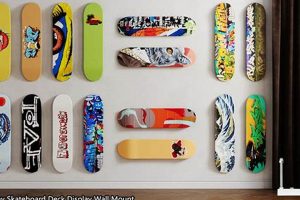
Artwork constitutes a fundamental element in the realm of specialized skateboard releases. It serves as a primary driver of collectibility and a significant determinant of market value. The integration of visually compelling designs transforms a functional sporting good into an object of artistic merit, appealing to a broader audience beyond skateboarding enthusiasts. The artwork can range from graphic designs to licensed brand characters, thus appealing to a wider audience. The importance of this relationship is evident in the prevalence of collaborations between skate companies and renowned artists. For instance, Supreme’s collaboration with George Condo on a series of skateboard decks resulted in highly sought-after collectibles. These decks, featuring Condo’s distinctive portraiture, transcend the boundaries of skateboarding culture, attracting art collectors and investors alike.
The selection of artwork significantly impacts the desirability of a particular deck. Designs that resonate with current cultural trends, commemorate historical events, or feature iconic imagery tend to generate greater demand. For example, decks featuring artwork inspired by classic album covers, vintage comic books, or influential skateboarding films are often highly prized by collectors. The artwork also provides a canvas for self-expression and brand identity. Skate companies utilize graphic design to convey their unique brand ethos and target specific demographics. Certain brands have become synonymous with particular art styles, fostering a strong sense of brand loyalty among collectors. Furthermore, the quality and execution of the artwork directly affect the deck’s perceived value. Hand-painted decks, screen-printed designs, and decks incorporating unique materials or techniques command higher prices due to their perceived craftsmanship and artistic value.
In summary, the artwork featured on specialized skateboard releases plays a crucial role in shaping their collectibility and market value. It transforms a functional object into a piece of art, attracting a diverse audience of collectors and investors. Understanding the interplay between artwork, cultural trends, and brand identity is essential for anyone seeking to navigate this niche market successfully. Challenges exist in assessing the subjective value of artwork and predicting future trends. However, a deep appreciation for artistic merit and a keen awareness of market dynamics remain paramount for informed decision-making. The connection between artwork and limited releases extends to the broader field of art collecting and investment, underscoring the cultural and financial significance of these unique items.
3. Collaboration

Within the realm of specialized skateboard releases, collaboration serves as a powerful catalyst for enhancing value, expanding market reach, and cultivating unique artistic expressions. Strategic alliances between skate brands, artists, designers, and other entities contribute significantly to the desirability and collectibility of limited-edition decks.
- Artist Integration
Partnerships between skate brands and visual artists yield decks adorned with original and distinctive artwork. These collaborations elevate the product beyond mere sporting equipment, transforming it into a canvas for artistic expression. Examples include collaborations between Supreme and artists such as Jeff Koons, Damien Hirst, and KAWS, which have resulted in highly sought-after and valuable skateboard decks. The artist’s reputation and established collector base contribute significantly to the deck’s appeal and market value.
- Brand Synergies
Collaborations between skate brands and other established brands, often in the fashion, music, or entertainment industries, create cross-promotional opportunities and expand the reach of limited-edition skate decks to new audiences. Examples include collaborations between skate brands and clothing companies, resulting in co-branded apparel and accessories accompanying the deck release. The synergy between the brands leverages their respective customer bases and generates increased demand for the collaborative product.
- Rider Influence
Collaborations with professional skateboarders involve the design and release of signature decks featuring the rider’s name, likeness, and preferred board specifications. These decks appeal to fans of the rider and often incorporate unique design elements reflecting the rider’s personality or style. Examples include pro model decks from companies like Powell Peralta and Santa Cruz, which feature iconic riders and graphics. The rider’s influence and popularity directly impact the deck’s market value and collectibility.
- Limited Production and Exclusivity
Collaboration often entails intentionally restricted production runs, enhancing the scarcity and desirability of the resulting skate decks. Limited availability, combined with the unique artistic or brand associations resulting from the collaboration, drives demand and elevates the deck’s perceived value. Retail exclusivity agreements, where collaborative decks are only available through select stores or online platforms, further contribute to the product’s limited availability and collectibility.
These multifaceted collaborations exemplify the strategic value of partnerships in the market for specialized skateboard releases. By leveraging the creative talents, brand recognition, and marketing reach of collaborating entities, limited-edition skate decks transcend their functional purpose, becoming highly sought-after collectibles with enduring value. Examples such as Alien Workshop with Basquait show the value in connecting skate culture to the art world.
4. Condition
The physical state of a specialized skateboard release is a primary determinant of its market value and desirability among collectors. Minute imperfections or signs of wear can substantially diminish the worth of an otherwise rare or artistically significant deck. Consequently, meticulous assessment and preservation of condition are paramount for both collectors and investors.
- Mint Condition & Sealed Packaging
A deck in pristine, unused condition, ideally still sealed in its original packaging, represents the pinnacle of collectibility. These items command the highest prices due to their untouched state, ensuring no exposure to environmental factors or physical damage. Examples include decks that have been carefully stored since their initial release, preserving their original colors, graphics, and structural integrity. The presence of original packaging, including shrink wrap and promotional materials, further enhances value. This is because the collectors ensure that the product is indeed original and unused.
- Minor Imperfections and Grading
Slight blemishes, such as minor scratches, edge wear, or subtle fading, can impact the value of a deck. Professional grading services exist to assess the condition of collectibles, assigning a numerical score that reflects the degree of wear and tear. While minor imperfections may be acceptable to some collectors, they inevitably lead to a reduction in price compared to mint-condition examples. The grading process provides a standardized and objective evaluation of condition, facilitating informed transactions.
- Impact of Use and Modification
Any evidence of use, such as grip tape application, truck mounting, or riding-related damage, significantly reduces the value of a limited-edition deck. Modifications, including aftermarket paint jobs or graphic alterations, typically render the item less desirable to serious collectors. The presence of significant damage, such as cracks, warping, or delamination, can render a deck virtually worthless, even if it is otherwise rare or historically significant. This is based on the fact that the product is not considered mint or well-preserved.
- Long-Term Preservation Strategies
Proper storage and preservation techniques are crucial for maintaining the condition of specialized skateboard releases over time. Exposure to direct sunlight, excessive humidity, and extreme temperatures can accelerate the degradation of materials and artwork. Collectors should store decks in climate-controlled environments, away from potential physical hazards. Archival-quality storage solutions, such as acid-free sleeves and UV-protective display cases, can further mitigate the risk of damage and preserve the deck’s long-term value.
The condition of a specialized skateboard release is inextricably linked to its value and collectibility. A meticulous assessment of physical state, coupled with proactive preservation strategies, is essential for maximizing the long-term worth of these unique items. While rarity and artistic merit contribute significantly to a deck’s appeal, condition remains a fundamental consideration for both collectors and investors seeking to acquire or preserve these cultural artifacts.
5. Authenticity

Authenticity is paramount within the domain of specialized skateboard releases, serving as the bedrock upon which value, collectibility, and historical significance are established. The presence of counterfeit or misrepresented items undermines the integrity of the market, eroding trust and jeopardizing the investments of collectors. The cause of inauthentic items stems from the desire to profit from the limited nature of genuine releases. The effect is a dilution of the market and a potential financial loss for those who unwittingly purchase fakes. The absence of verifiable authenticity renders a deck nothing more than a reproduction, devoid of the unique characteristics and provenance that define genuine limited editions. Consider, for instance, the proliferation of counterfeit Supreme skateboard decks, often bearing unauthorized designs or misrepresenting production quantities. These deceptive items can be difficult to distinguish from authentic releases without careful scrutiny and expert knowledge. Without verifying the provenance or legitimacy, the value of “limited edition skate decks” can be affected negatively.
Several practical measures can be undertaken to ascertain the authenticity of a specialized skateboard release. Scrutinizing manufacturing details, such as screen-printing techniques, wood grain patterns, and serial numbering, is crucial. Comparing the item to known authentic examples, consulting with established experts in the field, and utilizing reputable authentication services can provide further validation. Examining documentation, including original receipts, certificates of authenticity, and correspondence with the manufacturer or artist, can also bolster confidence in the item’s legitimacy. The online community contributes to detecting “limited edition skate decks” inauthenticity; therefore, it is important to take note of common errors or defects in fake releases. In cases of doubt, potential buyers should exercise caution and seek independent verification before completing the transaction.
In conclusion, authenticity is not merely a desirable attribute but an indispensable requirement for specialized skateboard releases. Protecting against fraudulent items safeguards the integrity of the market, preserves the value of genuine collectibles, and ensures the long-term viability of this niche industry. The challenges posed by increasingly sophisticated counterfeiting techniques necessitate continuous vigilance and proactive measures to authenticate and verify the provenance of these unique items. Ultimately, a commitment to authenticity fosters trust and promotes a sustainable ecosystem for collectors, investors, and enthusiasts alike.
6. Provenance

Provenance, in the context of limited edition skate decks, refers to the documented history of ownership and authenticity of a specific deck, tracing its lineage from creation to its current possessor. A well-documented provenance significantly enhances the value and desirability of a collectible deck, serving as tangible evidence of its authenticity and historical significance. The cause of this value increase is the reduced risk of acquiring a counterfeit or misrepresented item. For instance, a deck accompanied by a certificate of authenticity from the artist or a record of purchase from a reputable skate shop provides assurance that the deck is genuine and not a reproduction. This aspect is crucial because it connects the physical object to a verifiable history, ensuring collectors are investing in an authentic piece of skateboarding culture.
The practical significance of understanding provenance manifests in several ways. Collectors use provenance to verify the rarity and edition number of a deck, particularly in cases where the production run was small. A clear chain of ownership can also reveal valuable information about the deck’s history, such as its association with a famous skater, a significant skateboarding event, or a particular skate shop. An example of this is seen in vintage decks from the 1980s, where a deck’s provenance might link it to a specific skater who rode it, increasing its value substantially. Moreover, for investors, a well-established provenance is essential for resale, as it provides potential buyers with the confidence to pay a premium for a verified and historically significant item. Documenting any additions or restorations done for the board is important in maintaining a clear history of the board.
In conclusion, provenance serves as an indispensable component of limited edition skate decks, influencing both their intrinsic value and their perceived worth in the eyes of collectors and investors. While authenticating provenance can present challenges, particularly for older decks lacking comprehensive documentation, the effort to establish a clear history is crucial for maintaining the integrity of the market. The connection between provenance and skate decks ultimately highlights the broader importance of preserving cultural artifacts and documenting the history of skateboarding.
7. Investment

The intersection of specialized skateboard releases and investment strategies has garnered increased attention from collectors and financial enthusiasts alike. Limited production runs, unique artistic designs, and cultural significance contribute to the potential appreciation in value, transforming these items from mere collectibles into viable investment assets.
- Scarcity-Driven Appreciation
The limited nature of these releases directly influences their investment potential. Reduced availability, often coupled with high demand, drives up prices in the secondary market. For example, decks produced in quantities of 100 or less are typically more sought after than those with larger production runs. This scarcity-driven dynamic mirrors that of other collectible markets, such as rare coins or fine art, where limited supply fuels price appreciation. This model is only effective with high demand from a specific group.
- Artistic and Cultural Value
Skateboard decks featuring artwork by renowned artists or collaborations with iconic brands often command premium prices and exhibit greater investment potential. Decks adorned with designs by artists such as KAWS or Jeff Koons, or collaborations with brands like Supreme, have demonstrated significant appreciation over time. These collaborations combine the appeal of skateboarding culture with the established value of fine art and high-end brands, attracting a broader range of collectors and investors.
- Historical Significance
Decks associated with pivotal moments in skateboarding history or iconic figures within the skateboarding community hold significant investment value. Decks from the 1980s and 1990s, particularly those associated with influential skaters or groundbreaking skateboarding films, have become highly sought after by collectors. These decks represent tangible artifacts of a specific era in skateboarding history, embodying both cultural and historical significance.
- Market Analysis and Due Diligence
Successful investment in specialized skateboard releases requires thorough market analysis and due diligence. Evaluating factors such as production quantities, artist reputation, brand recognition, and historical significance is crucial for identifying decks with the greatest potential for appreciation. Consulting with experts, tracking market trends, and monitoring auction results can provide valuable insights for making informed investment decisions. Risks are inherent in collecting “limited edition skate decks” due to the market being driven by taste, with potential for losing money if interest wanes.
The convergence of scarcity, artistic value, historical significance, and informed market analysis positions specialized skateboard releases as a compelling alternative investment opportunity. While risks are inherent in any investment, the potential for appreciation and cultural appreciation makes these items attractive to collectors and investors seeking to diversify their portfolios. Long-term value should be prioritized in collecting these decks.
Frequently Asked Questions
This section addresses common inquiries regarding specialized skateboard releases, providing clarity on key aspects for collectors and enthusiasts.
Question 1: What factors primarily determine the value of a limited edition skate deck?
Value is influenced by several factors: Rarity (production quantity), artwork (artist reputation), collaboration (brand partnerships), condition (physical state), authenticity (verifiable provenance), and historical significance (association with events or figures). Each factor contributes to the deck’s market price.
Question 2: How can one verify the authenticity of a limited edition skate deck?
Verification involves scrutinizing manufacturing details (screen-printing, wood grain), comparing to known authentic examples, consulting experts, using authentication services, and examining documentation (receipts, certificates). Absence of verifiable proof diminishes value.
Question 3: What are the optimal storage conditions for preserving limited edition skate decks?
Storage requires a climate-controlled environment, away from direct sunlight, humidity, and extreme temperatures. Archival-quality storage solutions (acid-free sleeves, UV-protective cases) are recommended. Improper storage accelerates degradation.
Question 4: Does the condition of a limited edition skate deck significantly impact its value?
Condition is a primary determinant of value. Mint, unused decks command the highest prices. Minor imperfections (scratches, fading) reduce value, while use or modification significantly diminishes it. Grading services provide objective assessments.
Question 5: Are all limited edition skate decks considered viable investments?
Not all such items constitute sound investments. Thorough market analysis, including evaluation of artist reputation, brand recognition, historical significance, and production quantities, is essential. Inherent risks exist, and potential returns are not guaranteed.
Question 6: How does collaboration influence the collectibility of limited edition skate decks?
Collaborations with renowned artists, iconic brands, or influential skateboarders often enhance collectibility. Synergies expand market reach, create unique artistic expressions, and drive demand for limited releases. Collaboration is not a guarantee of increased value, however.
Understanding these key factors is crucial for navigating the market for specialized skateboard releases effectively. Knowledge empowers informed decision-making.
The following section provides insights into the future trends shaping the world of skate deck collecting.
Limited Edition Skate Decks
The preceding exploration has illuminated the multifaceted nature of specialized skateboard releases. From the influence of artistic collaboration and the criticality of provenance to the investment potential and the imperatives of authentication, a comprehensive understanding of these elements is essential for navigating this specialized market. The intersection of scarcity, artistry, and cultural significance dictates both value and desirability within this realm.
Continued diligence in research, authentication, and preservation will define the future of collecting limited edition skate decks. As the market evolves, a discerning approach, grounded in knowledge and informed by emerging trends, remains paramount. The enduring appeal of these unique items hinges on their capacity to embody both artistic expression and a tangible connection to the dynamic history of skateboarding. The challenge remains to discern lasting value from fleeting trends, ensuring the preservation of these cultural artifacts for future generations.



![Buy the Best Toy Machine Skate Decks | [Year] Guide | How to Skateboard: A Beginner's Guide to Your First Board & Tricks](https://cruzskateshop.com/wp-content/uploads/2026/03/th-366-300x200.jpg "Buy the Best Toy Machine Skate Decks | [Year] Guide How to Skateboard: A Beginner's Guide to Your First Board & Tricks")