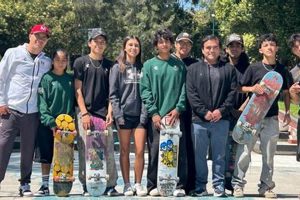
Organized gatherings centered around skateboarding, rollerblading, or ice skating, encompassing competitions, demonstrations, and recreational sessions, provide opportunities for skill exhibition and community building. Examples include skateboarding contests at local parks, ice skating shows at arenas, and roller derby leagues conducting matches.
Participation in these activities can foster athletic development, improve physical and mental well-being, and encourage social interaction among enthusiasts. The historical context reveals a gradual evolution from informal gatherings to professionally managed spectacles with significant economic impact and cultural influence.
This article will delve into specific categories of skating-related gatherings, examining their structure, organization, and contribution to both participant and spectator experiences. Discussion will include aspects of event management, athlete performance, and audience engagement within this dynamic sector.
Essential Strategies for Organizing Skate Events
Successful planning and execution are crucial for the viability and positive impact of skating-related gatherings. Adherence to specific guidelines enhances the experience for both participants and observers.
Tip 1: Venue Selection: The chosen location must adequately accommodate the anticipated number of attendees and the specific skating discipline. Factors to consider include surface quality, safety features, and accessibility for individuals with disabilities. Example: A street skateboarding competition requires varied obstacles and smooth pavement.
Tip 2: Safety Protocols: Implementing comprehensive safety measures is paramount. Mandatory helmet use, on-site medical personnel, and clearly marked hazard zones are essential components. Example: Roller derby events require certified referees to enforce rules and ensure player safety.
Tip 3: Skill Level Categorization: Organizing participants into appropriate skill divisions ensures fair competition and prevents potential injuries. Clear guidelines defining each level (beginner, intermediate, advanced) must be established. Example: A skateboarding contest can have separate categories for amateurs and professionals.
Tip 4: Promotion and Marketing: Effective promotional campaigns are vital for attracting participants and spectators. Utilize diverse media channels, including social media, local newspapers, and partnerships with skating-related businesses. Example: A local ice skating show might promote ticket sales through local schools and community centers.
Tip 5: Volunteer Coordination: A well-organized volunteer team is critical for efficient event operation. Assign specific roles and responsibilities to each volunteer, ensuring adequate training and support. Example: Volunteers can assist with registration, crowd control, and first aid.
Tip 6: Contingency Planning: Development of a comprehensive contingency plan is crucial to address unforeseen circumstances such as inclement weather or equipment malfunctions. This plan should outline alternative arrangements and communication strategies. Example: An outdoor skateboarding contest should have an indoor backup location in case of rain.
Adherence to these fundamental principles enhances the overall success of skating-related gatherings. Careful planning and diligent execution result in more engaging and safer activities.
The subsequent sections of this article will explore specific types of events and address unique challenges associated with each.
1. Competition Structure

The organizational framework of competitions is a defining characteristic of skating events, influencing participant engagement, spectator interest, and overall event success. The structure dictates the format, judging criteria, and participant progression, significantly impacting the competitive environment.
- Format Variety
Competition formats range from head-to-head bracket systems to jam sessions and timed runs, each offering a distinct competitive dynamic. Examples include street skateboarding competitions employing individual run scores and ice skating events utilizing compulsory figures and free skating programs. The chosen format directly affects athlete strategy and spectator engagement.
- Judging Criteria
Objective and transparent judging criteria are vital for fair competition and legitimacy. Criteria may include technical difficulty, execution, style, and overall impression, with weightings varying across skating disciplines. Clear scoring systems are crucial for participant acceptance and spectator understanding.
- Progression Systems
The method of advancing competitors through rounds (e.g., qualifying heats, elimination rounds, finals) shapes the competitive experience. Some events employ cumulative scoring, while others utilize a “best trick” format. The selected progression method impacts competitor strategy and the overall narrative of the event.
- Prize Structure
The allocation of prizes, including monetary rewards and sponsorships, incentivizes participation and recognizes achievement. Prize structures can vary from tiered payouts based on placement to equal distribution among finalists. The structure influences the level of competition and the overall prestige of the event.
These facets of competition structure are integral to the design and execution of skating events. Understanding and optimizing these components is essential for creating engaging, fair, and memorable experiences for athletes and audiences alike. The careful selection of a structure suited to the specific skating discipline can significantly enhance the event’s appeal and long-term viability.
2. Community Engagement

Organized skating-related gatherings provide opportunities for social interaction among enthusiasts and residents. The presence of “skate events” within a community often leads to increased participation in skating activities, fostering a sense of shared identity and purpose. These events act as focal points, drawing together individuals with common interests, thus facilitating the formation of social networks and relationships.
Furthermore, effectively executed initiatives contribute to the positive image of skating in the broader community. Demonstrations of skill, organized competitions, and workshops can counteract negative stereotypes and promote understanding. For instance, showcasing the discipline and athleticism required in skateboarding through public demonstrations can alter perceptions and foster appreciation. This creates positive effects that contribute to a supportive environment for skaters and related activities. Moreover, community involvement in the planning stages of events leads to their greater acceptance and success, as demonstrated by the collaboration between skateboarding groups and local councils in the design of skate parks.
Failing to engage the community during event development results in resistance and lack of support. In contrast, successful integration builds positive relationships, supports the growth of skating, and contributes to the overall well-being of the community. Thus, fostering engagement between the skating community and local residents is a crucial component of sustainable event planning and should be given appropriate consideration to ensure successful outcomes.
3. Safety Regulations

Safety regulations are integral to the responsible and successful execution of skate events, designed to mitigate risks inherent in activities involving wheeled devices and aerial maneuvers. Their implementation is a fundamental aspect of risk management and participant welfare.
- Mandatory Protective Gear
Requirements for helmets, pads (knee, elbow, wrist), and appropriate footwear are common safety stipulations. Enforcement of these mandates reduces the incidence of head injuries, fractures, and abrasions. For example, many skate parks require helmet use for all users regardless of age or skill level. Consistent enforcement is essential for reducing injury severity.
- Venue Inspection and Hazard Mitigation
Routine inspection of the event venue to identify and address potential hazards is crucial. This includes assessing surface conditions, obstacle integrity, and crowd control measures. For instance, loose gravel or damaged ramps should be repaired or removed to prevent falls. Hazard mitigation measures minimize risks and support participant confidence.
- Emergency Medical Services
Provision of on-site emergency medical services is a critical component of event safety planning. Qualified medical personnel, equipped with appropriate supplies and equipment, must be readily available to respond to injuries. This ensures prompt medical attention and reduces the potential for long-term complications.
- Clear Communication and Signage
Effective communication of safety guidelines, rules, and potential hazards is essential. Signage should be prominently displayed throughout the event venue, providing clear instructions and warnings. For example, signs indicating designated skating areas and restricted zones can help prevent collisions and injuries. Clear communication fosters a safe and informed environment.
Adherence to comprehensive safety regulations protects the well-being of participants and spectators at skating activities. Consistent enforcement, proactive risk management, and readily available medical support contribute to a secure and enjoyable environment, fostering the long-term sustainability and positive perception of skating events within the wider community.
4. Venue Suitability
Appropriate venue selection is a foundational element for the success and safety of organized skating activities. The characteristics of the location directly influence participant experience, spectator engagement, and overall event viability.
- Surface Quality and Composition
The skating surface must be smooth, durable, and appropriate for the intended skating discipline. For instance, street skateboarding competitions require smooth concrete or asphalt, while ice skating shows necessitate a professionally maintained ice rink. Inadequate surfaces increase the risk of falls and injuries, negatively impacting athlete performance and safety.
- Spatial Dimensions and Layout
Sufficient space is required to accommodate skaters, spectators, and any necessary infrastructure (e.g., ramps, obstacles, seating). Overcrowding can lead to collisions and restricted movement, diminishing the overall experience. The layout should facilitate clear pathways and optimal viewing angles for spectators.
- Safety Features and Barriers
The venue should incorporate safety barriers, padding, and designated spectator areas to minimize the risk of injuries. For example, perimeter fencing can prevent unauthorized access to skating areas, while padding can cushion falls. Adequate safety measures contribute to a secure environment for all attendees.
- Accessibility and Amenities
The venue must be accessible to individuals with disabilities, and it should provide adequate amenities such as restrooms, first aid stations, and concessions. Accessibility ensures inclusivity and enhances the overall convenience and comfort of event attendees.
These considerations underscore the importance of meticulous venue assessment in planning any skating-related event. A well-suited venue not only enhances the safety and enjoyment of participants and spectators but also contributes to the overall professionalism and success of the event, reinforcing the relationship between location attributes and positive event outcomes.
5. Skill Demonstration
The core attraction of organized skating-related activities resides in the demonstration of advanced skills. This exhibition functions as a primary draw for spectators, participants, and sponsors. The level and variety of skill on display directly impact the perceived value and success of the events. From complex aerial maneuvers in skateboarding to synchronized routines in ice skating, the capacity of participants to execute challenging feats is a determining factor in audience engagement.
Skill demonstration within these activities manifests in diverse forms. Competitions emphasize quantifiable performance metrics through judged criteria such as technical difficulty, execution, and style. Demonstrations, on the other hand, often prioritize entertainment and showcasing innovative techniques, such as professional skateboarders performing elaborate tricks at public events. Moreover, workshops and instructional sessions offer a structured environment for skaters to develop and refine their capabilities under expert guidance. Each of these contexts underscores the central role of skill exhibition in driving participation and cultivating interest.
The practical significance of understanding this connection is multifaceted. Event organizers must prioritize attracting and showcasing high-caliber talent to maximize spectator appeal. Participants benefit from structured opportunities to display their abilities and gain recognition. Skill demonstration also contributes to the evolution of skating disciplines by inspiring innovation and pushing the boundaries of what is considered possible. Ignoring the intrinsic value of skill exhibition undermines the potential of these events to engage audiences, foster community, and advance the art of skating.
Frequently Asked Questions
The following provides answers to common inquiries regarding organized skating-related activities.
Question 1: What constitutes a “skate event”?
The phrase encompasses any organized gathering centered around skating, including competitions, demonstrations, workshops, and recreational sessions. The specific type depends on the skating discipline (e.g., skateboarding, rollerblading, ice skating) and the target audience.
Question 2: What are the primary goals of organizing these gatherings?
Objectives vary depending on the event type. Common goals include promoting skating as a healthy activity, providing opportunities for skill development, fostering community among skaters, and showcasing talent to a wider audience. Economic benefits for the host community are often also considered.
Question 3: How are safety protocols typically implemented at these gatherings?
Safety protocols involve a combination of mandatory protective gear (e.g., helmets, pads), venue inspection to identify and mitigate hazards, provision of on-site medical services, and clear communication of safety guidelines to participants and spectators.
Question 4: What factors influence the selection of a suitable venue?
Key considerations include surface quality, spatial dimensions to accommodate skaters and spectators, safety features (e.g., barriers, padding), and accessibility for individuals with disabilities. Availability of necessary amenities (e.g., restrooms, first aid) is also a factor.
Question 5: How is the level of skill demonstrated at organized skating activities evaluated?
Evaluation methods vary based on event format. Competitions employ judged criteria encompassing technical difficulty, execution, and style. Demonstrations often focus on showcasing innovative techniques and entertainment value. Workshops provide structured environments for skill development under expert guidance.
Question 6: What steps are involved in securing necessary permits and insurance for such events?
The process typically involves contacting local authorities to obtain required permits, submitting detailed event plans outlining safety measures and security protocols, and securing liability insurance to protect against potential accidents or injuries. Compliance with local regulations is essential.
Understanding these fundamental aspects contributes to responsible planning and participation in organized skating activities.
The subsequent section of this article will address the economic impact of these events.
Conclusion
This exploration has examined several essential facets of skate events, from organizational strategies and community engagement to safety regulations and venue suitability. Skill demonstration as a core element and the structural components of competition have been highlighted, revealing the complex interplay of factors that contribute to the success and impact of these gatherings.
The continued growth and evolution of skate events hinge upon a commitment to safety, community integration, and the celebration of athletic achievement. Further investment in infrastructure, enhanced event management practices, and proactive community outreach will be crucial for maximizing the positive influence of these events on both participants and the broader public.