Areas specifically designed or naturally suited for roller skating, skateboarding, or inline skating constitute key locations for recreational and athletic pursuits. These locations range from purpose-built parks with ramps and rails to smooth, paved surfaces found in urban or suburban environments. An example is a public skate park equipped with various obstacles or a smooth, empty parking lot after business hours.
The availability of appropriate areas supports physical fitness, social interaction, and the development of technical skills. Historically, these spaces have evolved from informal gatherings on sidewalks and in empty pools to formally designed and regulated environments. Access to safe and well-maintained locations is crucial for fostering a healthy and active community, as well as providing opportunities for creative expression.
The following sections will delve into specific types of environments, considerations for safety and accessibility, and resources for locating suitable environments within different communities. Factors such as surface quality, obstacle variety, and overall atmosphere contribute significantly to the user experience and should be carefully considered.
This section provides essential considerations for selecting and utilizing areas for wheeled sports, emphasizing safety and suitability for various skill levels.
Tip 1: Assess Surface Quality: Prioritize smooth, even surfaces free from cracks, debris, or significant irregularities. Uneven terrain poses a considerable risk of falls and injuries.
Tip 2: Evaluate Obstacle Suitability: Consider the difficulty and design of ramps, rails, and other obstacles. Beginners should seek areas with simpler, lower-impact features.
Tip 3: Observe Existing Traffic Patterns: Before engaging in activity, carefully assess the flow of other users, including pedestrians, cyclists, and vehicles. Maintain a safe distance and anticipate potential collisions.
Tip 4: Inspect for Hazards: Conduct a thorough inspection for potential dangers such as broken glass, exposed wiring, or sharp edges. Report any hazards to the appropriate authorities when applicable.
Tip 5: Confirm Legal Permissibility: Verify that skating or related activities are permitted in the chosen location. Observe posted signage and comply with local ordinances.
Tip 6: Consider Lighting Conditions: Ensure adequate illumination, particularly during evening or nighttime hours. Poor visibility significantly increases the risk of accidents.
Tip 7: Wear Protective Gear: Helmets, knee pads, elbow pads, and wrist guards are essential for mitigating potential injuries. The use of such safety measures is strongly advised regardless of skill level.
Prioritizing these precautions will enhance the safety and enjoyment of skating activities. Responsible selection of environments is paramount for personal well-being and community harmony.
The concluding segment will summarize the key aspects of choosing appropriate environments and encourage responsible engagement within the community.
1. Surface Smoothness

Surface smoothness constitutes a critical determinant of suitability and safety within environments designated for wheeled sports. The quality of the surface directly impacts the ability of participants to maintain control, execute maneuvers, and minimize the risk of injury. A substandard surface introduces instability, increasing the likelihood of falls and hindering skill progression.
- Reduced Friction and Efficient Momentum
A smooth surface minimizes friction between the wheels and the ground, allowing for efficient transfer of energy and sustained momentum. This is particularly important for advanced maneuvers that require speed and fluidity. For example, a polished concrete surface in a skate park enables skaters to maintain speed during transitions between ramps and obstacles. Conversely, a rough asphalt surface significantly reduces speed and increases the effort required for propulsion.
- Enhanced Stability and Control
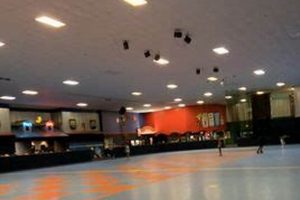
Consistent contact between the wheels and the surface provides increased stability and control. Uneven surfaces, such as those with cracks or pebbles, create unpredictable changes in direction and balance. A smooth, consistent surface allows participants to maintain a stable stance and execute precise movements. An example would be the smooth surface of an indoor skate rink allowing for better turns.
- Minimized Risk of Falls and Injuries
The absence of irregularities, such as cracks, bumps, or debris, reduces the likelihood of wheels catching or becoming obstructed. This minimizes the risk of sudden stops or changes in direction that can lead to falls. A well-maintained surface free from hazards directly contributes to a safer environment for participants. For example, preventing serious injury or death.
- Optimized Equipment Performance
Smooth surfaces reduce wear and tear on equipment, extending the lifespan of wheels, bearings, and other components. Excessive friction and impact from uneven surfaces can cause premature degradation of equipment, leading to increased maintenance costs and decreased performance. The smoother the surface, the less the wear and tear on parts.
The preceding factors underscore the indispensable role of surface smoothness in determining the suitability of “places to skate.” Surface quality directly impacts safety, performance, and equipment longevity. Therefore, regular maintenance and careful selection of appropriate surface materials are essential for creating optimal and safe environments for wheeled sports.
2. Obstacle Variety
Obstacle variety significantly influences the suitability and appeal of areas designed for wheeled sports. The range of challenges presented directly affects skill development, user engagement, and the overall accessibility of a particular environment.
- Progressive Skill Development
Diverse obstacles facilitate a progressive learning curve. Beginners can develop foundational skills on simpler features, such as flat ground or small ramps. As proficiency increases, individuals can advance to more complex obstacles, including rails, ledges, and quarter pipes. This progression encourages continuous improvement and sustained interest. For example, a skate park featuring a combination of mini ramps and larger bowls offers opportunities for skaters of all skill levels to challenge themselves.
- Enhanced User Engagement
A variety of obstacles maintains user interest and prevents monotony. Environments with limited or repetitive features can quickly become stale, leading to decreased engagement. A well-designed area incorporates a range of obstacles that cater to different styles and preferences, fostering a more dynamic and stimulating experience. For example, parks that incorporate both street-style and transition-style features ensure skaters who prefer different disciplines are accommodated.
- Inclusive Accessibility
Obstacle variety can promote inclusivity by accommodating individuals with varying abilities and preferences. The presence of simpler features alongside more challenging obstacles allows participants of all skill levels to participate and progress at their own pace. Furthermore, incorporating obstacles that cater to different styles, such as skateboarding, inline skating, and BMX, broadens the appeal of the environment. A well-designed area might include a dedicated beginner section with smaller ramps and obstacles, as well as more challenging features for experienced riders.
- Creative Expression and Innovation
A diverse range of obstacles fosters creative expression and innovation. Participants are encouraged to develop unique approaches and techniques when navigating different features. The combination of different obstacle types can inspire new tricks and combinations, pushing the boundaries of what is possible. For example, a street plaza featuring a variety of ledges, rails, and stairs allows skaters to develop their own style and create unique lines.
The interplay between obstacles and “places to skate” highlights that a well-designed and maintained facility will promote skill development, user engagement, inclusivity, and creative expression within a specific community. The features are the heart of these environments.
3. Spatial Arrangement

Spatial arrangement within areas for wheeled sports dictates user flow, safety, and overall enjoyment of the environment. Strategic design optimizes usability and mitigates potential hazards. Effective planning of the physical layout is therefore paramount to a successful environment.
- User Flow and Circulation
Optimized spatial arrangement ensures fluid circulation, minimizing congestion and potential collisions. The layout should facilitate clear pathways between obstacles and provide adequate space for maneuvering. For example, a skate park with clearly defined entry and exit points for each obstacle promotes a safe and efficient flow of users. Poorly designed flow patterns lead to bottlenecks and increased risk of accidents.
- Obstacle Sequencing and Skill Progression
The placement of obstacles in a logical sequence allows for progressive skill development. Beginners should have access to less challenging features before advancing to more complex obstacles. The spatial arrangement must support this progression, allowing users to gradually build their abilities. Consider a bike park where smaller jumps lead to larger, more challenging features, enabling riders to develop their skills incrementally. An illogical obstacle sequence can lead to frustration and potential injury.
- Visibility and Supervision
Spatial arrangement directly impacts visibility and ease of supervision. Open sightlines allow for better monitoring of activities and rapid response to potential incidents. Obstacles should be positioned to minimize blind spots and maximize visibility from key vantage points. For instance, a skate park designed with open areas and elevated viewing platforms allows supervisors to effectively monitor all activities. Obstructions to visibility can compromise safety and response times.
- Zoning and Activity Segregation
Effective spatial arrangement can segregate different activities or skill levels, reducing the risk of conflict and injury. Designated zones for beginners, experienced users, and specific disciplines (e.g., skateboarding, BMX) can improve safety and user experience. A multi-use facility may include separate areas for skateboarding, inline skating, and scooter riding to minimize potential collisions and conflicts. Lack of zoning leads to increased risk of accidents and user dissatisfaction.
These facets of spatial arrangement, when thoughtfully integrated into the design of areas for wheeled sports, create environments that are both functional and enjoyable. A well-planned spatial layout is therefore crucial for maximizing the utility and safety of these “places to skate.”
4. Safety Measures

The implementation of appropriate safety measures is inextricably linked to the viability and responsible operation of areas designated for wheeled sports. Without rigorous adherence to safety protocols, these environments become significant sources of potential injury, undermining their intended recreational and athletic benefits. The cause-and-effect relationship is direct: inadequate safety measures result in a higher incidence of accidents, while comprehensive precautions mitigate risks and promote a safer environment. The presence of safety protocols is not merely an added feature but a fundamental component of the overall usability and sustainability of “places to skate.” For example, the installation of padded barriers around sharp edges or unforgiving structures within a skate park demonstrably reduces the severity of impact injuries.
Further analysis reveals the practical applications of specific safety measures. Mandatory helmet usage, rigorously enforced through signage and park staff, minimizes the risk of traumatic brain injuries. Regular inspections and maintenance protocols identify and address potential hazards such as cracks, loose debris, or damaged equipment. Proper lighting ensures adequate visibility, especially during evening hours, reducing the likelihood of collisions and falls. The design of the environment itself plays a critical role. Separating beginner areas from advanced sections prevents less experienced individuals from inadvertently entering zones beyond their skill level. Additionally, clear and prominent signage outlining rules, regulations, and potential hazards informs users and encourages responsible behavior.
In conclusion, the integration of robust safety measures is not an optional consideration but a mandatory requirement for fostering safe and enjoyable environments for wheeled sports. The absence of such measures poses significant challenges to user well-being and the long-term sustainability of these areas. A comprehensive understanding of safety protocols and their practical implementation is essential for minimizing risks and ensuring that these “places to skate” serve their intended purpose responsibly and effectively. This understanding contributes to a safer community and encourages broader participation in these beneficial activities.
5. Accessibility Factors

The suitability of “places to skate” is significantly determined by accessibility factors, which dictate who can readily use and benefit from these environments. Inadequate attention to these factors creates barriers that limit participation and diminish the potential community benefits. The cause-and-effect relationship is direct: neglecting accessibility results in exclusion, while prioritizing it broadens opportunities for diverse populations. For example, a skate park located far from public transportation or lacking accessible pathways effectively restricts access for individuals without personal vehicles or those with mobility impairments. Accessibility, therefore, functions as a crucial component for ensuring equitable participation in wheeled sports.
Further analysis highlights the practical applications of specific accessibility considerations. The presence of smooth, paved pathways leading to and within these areas enables individuals using wheelchairs, strollers, or other mobility aids to navigate safely and easily. The inclusion of ramps and accessible restrooms caters to individuals with physical disabilities, fostering a more inclusive environment. Moreover, convenient access to public transportation and bicycle parking encourages sustainable transportation options, broadening accessibility for individuals from diverse socioeconomic backgrounds. For example, a community park with designated skate areas that are adjacent to bus stops and bike paths enhances its appeal and usability for a wider range of residents.
In conclusion, integrating comprehensive accessibility factors is not merely an optional consideration but a fundamental requirement for ensuring equitable access to “places to skate.” The absence of such considerations poses significant challenges to community inclusion and limits the potential for these environments to serve as valuable resources for all residents. Prioritizing accessibility promotes broader participation, fosters a more inclusive environment, and maximizes the potential benefits of wheeled sports for the entire community.
6. Community Integration
The successful establishment and sustained viability of areas designated for wheeled sports are contingent upon effective community integration. Neglecting to consider the surrounding community’s needs, concerns, and overall context often results in friction, opposition, and ultimately, the underutilization or even failure of such “places to skate.” Therefore, community integration serves as an essential, albeit often underestimated, component of these recreational spaces. For example, a skate park constructed without proper noise mitigation measures in close proximity to residential areas is likely to generate complaints and potentially face legal challenges, thus impeding its function as a community asset.
Further examination reveals the practical implications of fostering positive community relations. Early and consistent engagement with local residents, businesses, and civic organizations allows for the identification and addressing of potential concerns related to noise, traffic, safety, and aesthetics. Incorporating community feedback into the design and operation of the area fosters a sense of ownership and shared responsibility. For example, a community-led design process might result in a skate park that incorporates green spaces, public art, and designated viewing areas for spectators, thus transforming the space into a multi-faceted community hub. Additionally, organizing community events, workshops, and mentorship programs at the “place to skate” can further strengthen ties and promote positive interactions.
In summation, community integration constitutes a critical determinant of the long-term success and value of areas designed for wheeled sports. Overcoming the challenges associated with noise pollution, traffic congestion, and perceived safety concerns requires proactive engagement, collaborative planning, and a genuine commitment to serving the needs of the broader community. When approached thoughtfully and strategically, these “places to skate” can evolve from isolated recreational facilities into vibrant and integral components of the local landscape, enriching the lives of residents and fostering a stronger sense of community cohesion.
7. Legal Compliance

Legal compliance constitutes a foundational requirement for the establishment and operation of environments dedicated to wheeled sports. The absence of adherence to relevant laws and regulations introduces significant legal liabilities, jeopardizes community relations, and ultimately undermines the sustainability of these areas. A failure to comply with zoning regulations, for example, can result in costly legal battles, forced closure, and the loss of valuable community resources. Consequently, understanding and upholding legal obligations are not merely procedural formalities but critical determinants of the viability and long-term success of “places to skate.” Consider a municipality that constructs a skate park without securing the necessary permits or conducting proper environmental impact assessments. Such actions are likely to trigger legal challenges from concerned residents or environmental advocacy groups, leading to delays, financial penalties, and reputational damage.
Further examination reveals the practical implications of various aspects of legal compliance. Adherence to building codes ensures the structural integrity and safety of facilities, minimizing the risk of accidents and injuries. Compliance with accessibility standards, such as the Americans with Disabilities Act (ADA), guarantees equitable access for individuals with disabilities. Respect for noise ordinances and regulations regarding hours of operation mitigates disturbances to neighboring properties, fostering positive community relations. Moreover, implementing liability waivers and insurance policies protects against potential legal claims arising from accidents or injuries sustained on the premises. For example, a privately owned skate park might require all participants to sign a waiver acknowledging the inherent risks associated with the activity and releasing the facility from liability for certain types of injuries. Another example is city implementing a public skatepark which required to follow legal compliance such as public liability insurance to cover loss event due injury, death or property damage.
In summary, legal compliance is an indispensable component of responsible management and sustainable development for any facility designed for wheeled sports. Challenges related to navigating complex regulations, securing necessary permits, and managing potential liabilities require proactive planning, diligent oversight, and a commitment to transparency. By prioritizing legal compliance, stakeholders can minimize risks, foster positive community relations, and ensure that “places to skate” serve as valuable and sustainable resources for recreational and athletic activities within their communities.
Frequently Asked Questions Regarding “Places to Skate”
The following section addresses common inquiries concerning the selection, utilization, and responsible management of environments suitable for wheeled sports.
Question 1: What constitutes a legally permissible area?
An area where skateboarding, inline skating, or related activities are explicitly permitted by local ordinances, property owners, or designated authorities. Verification typically involves consulting posted signage or contacting municipal authorities.
Question 2: What is the recommended frequency of surface maintenance?
The frequency varies depending on usage levels, environmental factors, and surface material. Regular inspections should be conducted to identify and address hazards promptly. High-traffic areas may require daily or weekly maintenance, while less frequented sites may require monthly or quarterly attention.
Question 3: How can safety be ensured in unsupervised environments?
In the absence of supervision, adherence to personal protective equipment guidelines and diligent risk assessment are essential. Participants should be aware of their skill limitations and exercise caution when navigating obstacles. It’s advised to engage with a friend.
Question 4: What measures mitigate noise pollution affecting nearby residents?
Implementation of noise barriers, restrictions on operating hours, and community engagement initiatives are effective strategies. The selection of less resonant surface materials can also contribute to noise reduction.
Question 5: How does obstacle variety contribute to skill development?
A diverse range of obstacles facilitates progressive learning, enabling participants to gradually develop proficiency. Beginners benefit from simpler features, while advanced users can challenge themselves with more complex obstacles.
Question 6: What role do community partnerships play in establishing successful environments?
Collaborations with local organizations, businesses, and residents foster a sense of ownership and shared responsibility. Community input can inform design decisions, promote responsible usage, and enhance long-term sustainability.
Responsible engagement with “places to skate” requires a proactive approach to safety, community relations, and legal compliance.
The subsequent section will provide resources for locating appropriate environments and engaging with the wheeled sports community.
Places to Skate
This discourse has examined critical considerations pertinent to environments designed for wheeled sports. Surface quality, obstacle variety, spatial arrangement, safety measures, accessibility factors, community integration, and legal compliance have been identified as integral components of a well-functioning and responsible “place to skate”. These factors, when addressed comprehensively, contribute to the creation of a safe, inclusive, and sustainable environment for recreational and athletic pursuits.
The future of these environments hinges on a collective commitment to responsible planning, diligent maintenance, and proactive community engagement. Prioritizing these elements will ensure that “places to skate” continue to serve as valuable resources for individuals and communities, fostering healthy lifestyles, skill development, and a spirit of inclusivity for generations to come. The ultimate responsibility rests with stakeholders to ensure the longevity and ethical stewardship of these spaces.