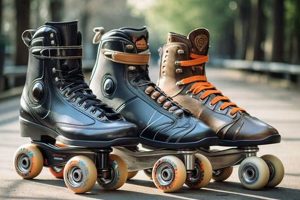
Footwear designed for recreational or competitive skating can be manufactured without the use of animal-derived materials. For example, traditional leather components are replaced with synthetic alternatives such as polyurethane or nylon in the construction of the boot, while adhesives utilize plant-based or synthetic formulas rather than animal-based glues.
Adopting this approach aligns with ethical consumerism and animal welfare principles. The production of such items reduces reliance on industries that involve animal exploitation. Furthermore, advancements in synthetic materials have led to high-performance, durable, and comfortable options that rival traditional materials. The increasing availability of these products reflects a growing awareness and demand for cruelty-free alternatives across various consumer goods sectors.
The subsequent sections will detail the specific materials used, the construction methods employed, and the performance characteristics of these alternative skating products. A comparison with traditional materials will also be presented, along with considerations for maintenance and longevity.
Guidance on Animal-Free Skating Equipment
The following points offer practical advice regarding the selection, maintenance, and performance optimization of skating equipment manufactured without animal products.
Tip 1: Material Verification: Prior to purchase, confirm the composition of all components, including the boot, wheels, bearings, and adhesives. Manufacturers should provide detailed material specifications; scrutinize these for the presence of leather, suede, or animal-based glues.
Tip 2: Synthetic Boot Construction: Evaluate the boot material for durability and support. Options such as reinforced nylon or polyurethane offer comparable performance to traditional leather, provided they are of sufficient thickness and quality.
Tip 3: Wheel Composition: Select wheels constructed from high-rebound polyurethane. The durometer (hardness) should be appropriate for the intended skating surface; softer wheels are suitable for indoor use, while harder wheels are more durable for outdoor terrains.
Tip 4: Bearing Lubrication: Ensure the bearing lubricant is synthetic. Petroleum-based lubricants are widely available and offer effective friction reduction and corrosion protection for bearings.
Tip 5: Adhesive Selection: When repairing or modifying skating equipment, utilize plant-based or synthetic adhesives. Verify the adhesive’s compatibility with the materials being bonded and its resistance to temperature fluctuations and moisture.
Tip 6: Regular Maintenance: Inspect skating equipment regularly for wear and tear. Clean wheels and bearings periodically to maintain optimal performance and extend the lifespan of the components.
Tip 7: Ethical Sourcing: Support manufacturers committed to transparency and ethical sourcing practices. Seek out certifications or declarations verifying the absence of animal products and the implementation of sustainable manufacturing processes.
Implementing these guidelines ensures the selection of high-quality skating equipment while adhering to ethical and environmental considerations. Consistent maintenance will further contribute to the longevity and performance of this equipment.
The subsequent section will address common misconceptions and provide resources for further research and engagement within the skating community.
1. Material Composition

Material composition is a core determinant of whether skating equipment qualifies as free from animal products. The selection of alternative materials directly impacts the ethical standing and performance characteristics of the final product. Understanding these components is essential for informed decision-making.
- Boot Construction Materials
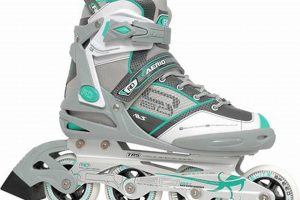
Traditional skating boots often utilize leather or suede for support and durability. Alternatives include high-density nylon, polyurethane (PU), and microfiber. These synthetics must offer comparable support, abrasion resistance, and flexibility to ensure performance parity. The choice impacts both the ethical standing and the overall lifespan of the skates.
- Wheel Composition
Wheels are typically made from polyurethane, a synthetic polymer. The critical factor is the formulation of the PU, specifically its durometer (hardness) and rebound characteristics. These properties dictate the wheel’s grip, roll speed, and durability. The use of synthetic rubber in wheel construction negates the need for animal-derived byproducts commonly found in some rubber manufacturing processes.
- Bearing Components and Lubrication
Skate bearings consist of steel balls, races, and a retainer. While the metal components are typically vegan-compliant, the lubricant is a crucial consideration. Petroleum-based or synthetic lubricants should be used in place of any lubricants containing animal fats. Proper lubrication ensures smooth rolling and prolongs the lifespan of the bearings.
- Adhesive Compounds
Traditional adhesives may incorporate animal-derived collagen. Skating equipment requires robust adhesives to bond the boot to the plate, secure linings, and assemble other components. Vegan-friendly alternatives include synthetic resins and plant-based adhesives, which must provide comparable bonding strength and resistance to environmental factors.
The careful selection and verification of each material contribute to the overall ethical integrity and functional performance of skating equipment produced without animal products. Transparency from manufacturers regarding material sourcing is essential for consumers seeking to make informed purchasing decisions and support responsible production practices.
2. Ethical Manufacturing

Ethical manufacturing, in the context of skating equipment produced without animal products, extends beyond simply omitting animal-derived materials. It encompasses a holistic approach to production, considering environmental impact, labor practices, and supply chain transparency.
- Sustainable Sourcing of Synthetic Materials
The production of synthetic alternatives, such as polyurethane and nylon, carries its own environmental footprint. Ethical manufacturing necessitates the sourcing of these materials from suppliers adhering to stringent environmental standards. This includes minimizing waste, reducing energy consumption, and implementing responsible disposal methods for manufacturing byproducts. For example, manufacturers can prioritize suppliers with certifications demonstrating adherence to environmental management systems like ISO 14001.
- Fair Labor Practices
Ethical manufacturing mandates fair wages, safe working conditions, and the absence of child labor throughout the entire supply chain. This includes not only the final assembly of the skating equipment but also the production of raw materials. Independent audits and certifications, such as those from Fair Labor Association, can provide assurance that labor standards are being upheld. Companies must demonstrate a commitment to worker well-being and empowerment.
- Waste Reduction and Recycling Programs
The manufacturing process inevitably generates waste. Ethical manufacturers implement strategies to minimize waste through efficient production techniques, material optimization, and recycling programs. This may involve reusing scrap materials, partnering with recycling facilities, and designing products for disassembly and component recovery at the end of their lifespan. A circular economy approach minimizes environmental burden.
- Transparency and Traceability
Consumers increasingly demand transparency regarding the origin and production of the products they purchase. Ethical manufacturers provide clear information about their supply chain, including the sources of raw materials, the location of manufacturing facilities, and the labor practices employed. Traceability systems allow consumers to track the journey of a product from raw material to finished good, fostering trust and accountability.
These facets of ethical manufacturing contribute to the overall sustainability and social responsibility of skating equipment produced without animal products. Consumers who prioritize ethical considerations should seek out manufacturers demonstrating a commitment to these principles, supporting a more just and environmentally sound industry.
3. Performance Equivalency

The concept of performance equivalency is central to the acceptance and adoption of skating equipment produced without animal-derived materials. It addresses the critical question of whether synthetic alternatives can match, or even exceed, the performance characteristics of traditional materials like leather. The perception that ethical products necessarily compromise on functionality is a barrier to widespread adoption; therefore, demonstrating performance equivalency is crucial. This involves rigorous testing and comparison of key metrics such as durability, support, flexibility, and responsiveness under various skating conditions. For example, synthetic boot materials, such as reinforced nylon or microfiber, must provide the same level of ankle support and stability as leather to ensure rider safety and control, particularly during high-impact maneuvers.
Achieving performance equivalency requires ongoing innovation in materials science and manufacturing techniques. Synthetic materials must be engineered to replicate the desirable properties of animal-derived substances, while also addressing potential shortcomings such as breathability or moisture management. Furthermore, manufacturers must invest in testing protocols that accurately simulate real-world skating scenarios to identify areas for improvement. For instance, accelerated wear testing can evaluate the abrasion resistance of synthetic boot materials compared to leather, informing design modifications to enhance durability. The practical application of performance equivalency extends beyond the materials themselves to encompass the overall design and construction of the skating equipment. Ergonomic considerations and proper fit are essential for maximizing comfort and performance, regardless of the materials used.
In summary, performance equivalency is not merely a marketing claim but a critical requirement for the successful integration of skating equipment produced without animal products into the broader market. By demonstrating that synthetic alternatives can provide comparable or superior performance, manufacturers can overcome consumer skepticism and promote the ethical and sustainable consumption of skating equipment. Addressing challenges related to material innovation, testing methodologies, and consumer perception is essential for realizing the full potential of skating equipment produced without animal products. The continued pursuit of performance equivalency will drive innovation and further expand the availability of ethical and high-performance skating options.
4. Cruelty-Free Alternatives

The existence and adoption of cruelty-free alternatives constitute a foundational element of skating equipment produced without animal products. The demand for and availability of materials and manufacturing processes that eliminate animal exploitation are a direct cause of the rise and viability of items. For instance, the development of high-performance synthetic leathers and adhesives has enabled the production of skating boots that meet professional standards without the use of animal-derived substances. The increased prevalence of such substitutions is a tangible example of how ethical concerns directly influence product development and consumer choice. Cruelty-Free alternatives are not merely options, they are an integral requirement for adherence to ethical principles within the context of skating.
Manufacturers face the practical challenge of ensuring that all components of their products, including seemingly minor elements like dyes and lubricants, are free from animal byproducts. This demands rigorous supply chain scrutiny and a commitment to sourcing materials from suppliers who share the same ethical values. Certification programs and third-party audits play a crucial role in verifying the authenticity of these alternatives, providing consumers with the assurance that their purchasing decisions align with their ethical principles. Consider for instance, certification for vegan materials or ethical manufacturing could verify that there is a proper chain of command of ethical standards.
In summary, cruelty-free alternatives are not just a component of skating equipment produced without animal products; they are the core enabling factor. Their availability allows consumers to reconcile their athletic pursuits with their commitment to animal welfare. The challenge lies in maintaining the integrity of these alternatives through stringent supply chain management and transparent communication, thereby fostering trust and driving further innovation in this evolving market.
5. Market Availability

The accessibility of skating equipment produced without animal-derived materials significantly influences consumer adoption and industry growth. The extent to which these products are readily available directly impacts consumer choice and shapes the overall demand for ethical sporting goods.
- Retail Distribution Networks
The presence of skating equipment in mainstream sporting goods stores and online retailers is critical. Limited distribution channels restrict consumer access, hindering market penetration. Increased shelf space and prominent online listings enhance visibility and encourage purchasing decisions. For example, partnerships between manufacturers of skating equipment produced without animal products and established retailers broaden consumer reach.
- Product Line Diversification
A comprehensive range of skating equipment styles, sizes, and performance levels is essential to cater to diverse consumer needs. A limited product selection restricts accessibility to specific demographics and skating disciplines. Manufacturers should offer options suitable for beginners, intermediate skaters, and professionals across various skating styles, such as recreational skating, roller derby, and artistic skating.
- Price Competitiveness
The pricing of skating equipment produced without animal products relative to conventional alternatives is a key determinant of market availability. Higher prices can deter price-sensitive consumers, limiting accessibility. Competitive pricing strategies, such as value-engineered products or promotional discounts, can broaden the market and increase adoption among a wider range of consumers.
- Informational Resources and Consumer Awareness
The availability of clear and accurate information regarding the materials, manufacturing processes, and ethical certifications of skating equipment produced without animal products is crucial. Increased consumer awareness empowers informed purchasing decisions. Retailers and manufacturers should provide detailed product specifications, certifications, and educational resources to promote consumer understanding and trust.
These facets collectively shape the market landscape for skating equipment produced without animal products. Expanded distribution, diversified product lines, competitive pricing, and enhanced consumer awareness are critical factors in driving market growth and increasing the availability of ethical skating options. Continued efforts to address these aspects will facilitate broader consumer access and promote the widespread adoption of skating equipment produced without animal products.
Frequently Asked Questions About Vegan Roller Skates
The following questions address common concerns and misconceptions surrounding skating equipment manufactured without animal-derived components.
Question 1: What materials typically replace leather in the boot construction of vegan roller skates?
Answer: Synthetic alternatives, such as polyurethane (PU), nylon, and microfiber, are commonly used to replace leather in boot construction. These materials offer comparable durability, support, and abrasion resistance while eliminating the use of animal products.
Question 2: Are vegan roller skates as durable as traditional skates made with leather?
Answer: The durability of skating equipment produced without animal products depends on the quality of the synthetic materials used and the manufacturing processes employed. High-quality synthetic materials can provide comparable or even superior durability to leather, provided they are properly engineered and maintained.
Question 3: How can one verify that roller skates are truly vegan?
Answer: Verify material composition by examining product descriptions, labels, and certifications. Contact the manufacturer directly to inquire about specific materials and manufacturing processes. Look for certifications from reputable organizations that verify the absence of animal products.
Question 4: Do vegan roller skates offer the same level of performance as traditional skates?
Answer: High-quality skating equipment offers comparable performance to traditional equipment. Advancements in synthetic materials have resulted in options that provide excellent support, flexibility, and responsiveness for various skating styles.
Question 5: Are vegan roller skates more expensive than traditional roller skates?
Answer: The pricing of such items varies depending on the brand, materials used, and manufacturing processes. Some options may be priced similarly to traditional skates, while others may be more expensive due to the use of specialized synthetic materials or ethical manufacturing practices.
Question 6: Where can one purchase vegan roller skates?
Answer: These products are increasingly available through online retailers, specialty skating shops, and select sporting goods stores. Increased market demand has led to greater availability and distribution of skating equipment produced without animal products.
In conclusion, skating equipment produced without animal products offers a viable and ethical alternative to traditional skates. Careful consideration of materials, manufacturing processes, and certifications ensures the selection of high-quality, cruelty-free options.
The subsequent section will delve into case studies of successful companies in the realm of animal-free roller skates.
Conclusion
The preceding discussion has illuminated key aspects of vegan roller skates, encompassing material composition, ethical manufacturing, performance equivalency, the availability of cruelty-free alternatives, and current market accessibility. These factors collectively define the landscape of skating equipment produced without animal products, underscoring the feasibility and increasing prevalence of ethical sporting goods.
As consumer awareness grows and technological advancements in synthetic materials continue, the demand for vegan roller skates is poised to expand. Stakeholdersmanufacturers, retailers, and consumersbear a shared responsibility to promote transparency, ethical sourcing, and responsible consumption within the skating industry. The future trajectory hinges on a continued commitment to innovation and the consistent upholding of ethical standards, ensuring that performance and animal welfare are not mutually exclusive.