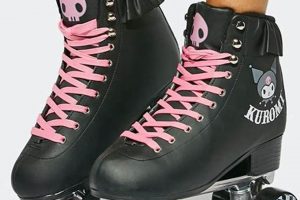
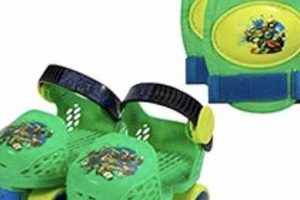
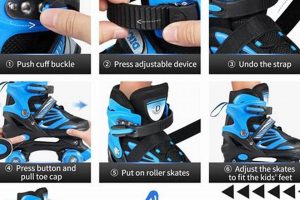
The act of embellishing wheeled boots designed for gliding is a creative endeavor. This activity involves applying various aesthetic enhancements to personal locomotion equipment. An example includes adding vibrant paint, adhering decorative stickers, or replacing laces with customized options.
Personalizing these recreational items fosters individuality and self-expression. Historically, modifications to skating equipment reflected prevailing cultural trends and individual preferences. The practice can enhance the user’s enjoyment and visibility, contributing to a sense of ownership and pride in their sporting gear. Furthermore, it allows for equipment identification, reducing the likelihood of misplacement or theft.
Subsequent sections will elaborate on specific techniques, materials, and design considerations relevant to customizing these items. The intention is to provide practical guidance for achieving desired aesthetic outcomes and ensuring the longevity of the modifications.
Enhancement Strategies for Wheeled Boots
The following guidelines aim to assist in the process of aesthetic improvement, focusing on durability and visual appeal. Careful consideration should be given to material compatibility and application techniques.
Tip 1: Surface Preparation is Paramount: Thoroughly clean and degrease the boot’s surface prior to applying any decorative elements. Isopropyl alcohol is suitable for removing residue. Failure to properly prepare the surface will compromise adhesion and longevity.
Tip 2: Select Durable and Flexible Materials: Choose paints, adhesives, and embellishments designed to withstand abrasion and repeated flexing. Acrylic paints formulated for plastics are preferable. Test a small, inconspicuous area first to ensure compatibility.
Tip 3: Employ Stencils for Precise Designs: Stencils offer a repeatable and professional-looking method for applying intricate patterns. Secure the stencil firmly to prevent paint bleed. Multiple thin coats are superior to a single thick application.
Tip 4: Secure Embellishments with Industrial-Strength Adhesive: When attaching rhinestones, studs, or other decorative elements, use a high-strength adhesive designed for bonding dissimilar materials. Allow ample curing time as specified by the manufacturer.
Tip 5: Protect the Finish with a Clear Coat: Apply a clear, protective topcoat to shield the decorated surface from scratches and UV damage. Select a clear coat compatible with the underlying paint or adhesive. Multiple thin coats are recommended.
Tip 6: Consider Reflective Elements for Safety: Incorporate reflective tape or paint into the design to enhance visibility, particularly during low-light conditions. Prioritize safety alongside aesthetic appeal.
Tip 7: Document the Process: Maintain a record of materials used and techniques employed. This allows for replication of successful outcomes and avoidance of previously encountered issues.
Adherence to these recommendations will contribute to a customized aesthetic while preserving the functionality and longevity of the wheeled boots.
The subsequent section will address common pitfalls and troubleshooting techniques associated with the enhancement process.
1. Surface Preparation

The effectiveness of any decorative modification applied to roller skates is directly contingent upon the thoroughness of surface preparation. A compromised surface inhibits adhesion, leading to premature peeling, chipping, or general degradation of applied materials. Contaminants such as grease, dirt, or residual adhesives create a barrier between the skate’s original surface and the decorative elements, preventing a secure bond. For instance, applying paint directly to a skate boot covered in road grime will inevitably result in a flawed and short-lived finish.
Proper preparation involves multiple steps, typically including cleaning with a degreasing agent, such as isopropyl alcohol or specialized plastic cleaners, followed by light abrasion using fine-grit sandpaper. Abrasion creates a textured surface, increasing the surface area available for adhesion and promoting a stronger mechanical bond. In cases involving glossy or particularly smooth surfaces, the use of a primer formulated for plastics may be necessary to further enhance adhesion. Failure to prime can result in even high-quality paints failing to properly bind, particularly under the stress of regular skating.
In summary, adequate surface preparation is not merely a preliminary step but an integral component of the customization process. Neglecting this phase significantly diminishes the likelihood of a successful and durable outcome, rendering subsequent decorative efforts largely ineffective. The long-term aesthetic appeal and physical integrity of decorated roller skates are inextricably linked to the quality of the initial surface preparation.
2. Material Selection

The selection of appropriate materials is paramount to achieving both the desired aesthetic effect and the longevity of decorations applied to roller skates. Inappropriate material choices can lead to premature degradation, functional impairment, or even safety hazards.
- Paint Composition and Adhesion
The chemical composition of paints significantly impacts their ability to adhere to skate boot materials, which vary widely (e.g., vinyl, leather, plastic). Acrylic-based paints designed for plastics often exhibit superior adhesion and flexibility compared to enamel-based alternatives. The use of a primer compatible with both the boot material and the chosen paint is frequently necessary to promote optimal bonding. Failure to select appropriate paint types can result in peeling, cracking, or chipping, especially under the stresses of skating.
- Adhesive Properties for Embellishments
Securing decorative elements, such as rhinestones or studs, requires adhesives with sufficient strength and durability to withstand the forces encountered during skating. Cyanoacrylate adhesives (super glues) can be effective for small, non-flexible embellishments, but epoxy resins or specialized fabric glues are generally preferred for larger or more flexible components. The chosen adhesive must be compatible with both the embellishment material and the skate boot surface to ensure a lasting bond. Inadequate adhesive strength can lead to the detachment of decorations, posing a safety hazard and detracting from the aesthetic appeal.
- Protective Coatings and Sealants
The application of protective coatings, such as clear coats or sealants, is crucial for safeguarding decorations against abrasion, UV exposure, and moisture damage. Polyurethane-based clear coats are frequently employed for their durability and resistance to yellowing. Sealants designed for fabrics or leather can provide additional protection for decorated skate boots made from these materials. The selection of an appropriate protective coating can significantly extend the lifespan of the applied decorations and maintain their visual integrity.
- Durability and Flexibility of Decorative Elements
When selecting decorative elements, such as appliques or patches, the inherent durability and flexibility of these materials must be considered. Rigid, inflexible elements applied to areas subject to significant flexing can crack or detach. Materials prone to fading or discoloration under UV exposure should be avoided or treated with protective coatings. Choosing elements that can withstand the rigors of skating is essential for maintaining the long-term aesthetic appeal of the decorated roller skates.
The careful consideration of these material properties ensures that the aesthetic modifications not only enhance the visual appeal of the roller skates but also maintain their structural integrity and functional performance. The interplay between material selection, surface preparation, and application technique dictates the success and longevity of any roller skate decoration endeavor.
3. Design Execution

Design execution, within the context of embellishing wheeled skating boots, constitutes the practical application of aesthetic concepts. The process involves translating a design vision into tangible modifications, demanding precision and technical proficiency to ensure the final product aligns with the intended design. Successful execution enhances visual appeal and preserves the functional integrity of the skating equipment.
- Pattern Application Techniques
The methods employed to transfer a design onto the skate surface significantly influence the outcome. Techniques range from freehand painting, requiring artistic skill and control, to stencil-based applications, offering repeatability and precision for intricate patterns. Digital printing technologies can also be employed to transfer complex designs directly onto the skate material. The chosen method should align with the complexity of the design and the skill level of the individual performing the decoration.
- Color Palette and Harmony
The selection and application of color schemes directly impact the visual impact of the decorated skates. Harmonious color combinations, adhering to principles of color theory, create visually pleasing results. Conversely, clashing or poorly coordinated colors can detract from the overall aesthetic. The choice of colors should also consider the skate’s intended use and the skater’s personal style. For example, vibrant, contrasting colors may be suitable for recreational skating, while more subdued tones may be preferred for competitive settings.
- Embellishment Placement and Integration
The strategic placement and seamless integration of decorative embellishments, such as rhinestones, studs, or appliqus, are crucial for a cohesive design. Embellishments should complement the overall aesthetic and avoid interfering with the skate’s functionality. Overcrowding or haphazard placement can create a cluttered and visually unappealing effect. The method of attachment, whether through adhesives or stitching, must ensure the embellishments remain securely affixed during skating activities.
- Finishing and Refinement
The final stages of design execution involve refining the decorated skates to ensure a polished and professional appearance. This may include applying a protective sealant to prevent wear and tear, removing excess adhesive or paint, and conducting a thorough inspection to identify and correct any imperfections. Attention to detail during the finishing process elevates the overall quality of the decorated skates and enhances their longevity.
These components of design execution collectively contribute to the creation of customized skating boots that reflect individual preferences while maintaining functional performance. Careful consideration of pattern application, color harmony, embellishment placement, and finishing techniques allows for the transformation of standard skating equipment into personalized works of art.
4. Durability Enhancement

The extension of lifespan and resistance to wear of embellished roller skates is intrinsically linked to the implementation of durability enhancement strategies. These strategies are not merely superficial additions but rather integral processes that safeguard aesthetic modifications and maintain the functional integrity of the equipment.
- Protective Coatings Application
The utilization of specialized protective coatings, such as polyurethane or acrylic clear coats, forms a critical layer of defense against abrasion, impact, and environmental factors. These coatings, applied after decorative modifications, shield underlying paints, adhesives, and embellishments from physical damage. For example, skates frequently used outdoors on abrasive surfaces benefit significantly from multiple layers of protective coating to mitigate scratching and chipping, thereby preserving the visual appeal and structural integrity of the decorations.
- Material Selection for Resilience
The selection of durable and flexible materials for both decorative elements and adhesives directly influences the longevity of embellishments. High-quality acrylic paints, UV-resistant films, and industrial-strength adhesives are demonstrably more resistant to degradation than cheaper alternatives. For instance, opting for rhinestones with a durable coating and affixing them with a flexible epoxy adhesive reduces the likelihood of detachment or breakage during skating activities.
- Reinforcement Techniques for High-Stress Areas
Areas of roller skates subject to frequent contact or high stress, such as toe caps or ankle supports, require reinforcement strategies to prevent premature wear. Applying additional layers of protective coating, incorporating impact-resistant materials like Kevlar or carbon fiber, or strategically placing metal protectors can significantly extend the lifespan of these vulnerable areas. Skaters who perform tricks or jumps often reinforce these areas to withstand the increased stress, ensuring the longevity of both the skate and its embellishments.
- Maintenance Protocols Implementation
Establishing and adhering to consistent maintenance protocols is crucial for preserving the condition of decorated roller skates. Regular cleaning with appropriate cleaning agents, prompt repair of minor damage, and periodic reapplication of protective coatings can prevent the accumulation of dirt, grime, and minor wear from escalating into more significant problems. For instance, routinely cleaning skates after use and reapplying a UV-protective sealant can prevent fading and cracking of decorative elements, ensuring their continued aesthetic appeal.
The incorporation of these durability enhancement strategies extends beyond mere aesthetic preservation; it represents a commitment to maintaining the functionality, safety, and overall value of the decorated roller skates. By prioritizing material selection, protective coatings, reinforcement techniques, and maintenance protocols, the lifespan of these customized skating implements is significantly extended, thereby maximizing the investment of time and resources.
5. Safety Considerations

The incorporation of aesthetic modifications to roller skates necessitates careful consideration of safety implications. Deviations from original equipment specifications can compromise protective functionality or introduce new hazards if improperly executed. Therefore, any modification must be evaluated in terms of its potential impact on skater safety.
- Impedance of Movement and Functionality
Decorative elements must not impede the skater’s range of motion or interfere with the proper functioning of skate components. Overly bulky decorations, improperly placed embellishments, or modifications that restrict ankle flexibility can compromise balance and increase the risk of falls. For example, adhering large, inflexible decorations to the ankle cuff could restrict movement and reduce the skaters ability to maintain stability during maneuvers. Similarly, modifications that obstruct the laces or tightening mechanisms could prevent proper foot support, increasing the risk of injury.
- Compromised Visibility
Decorations should not diminish the skater’s visibility to others, particularly in low-light conditions. Obscuring or covering reflective elements on the skates reduces the skater’s conspicuity, increasing the risk of collisions with other skaters, pedestrians, or vehicles. It is imperative that any modifications either maintain or enhance visibility through the incorporation of reflective materials or strategically placed lighting elements. Applying dark paint or opaque decorations over existing reflective surfaces is particularly hazardous.
- Structural Integrity and Component Reliability
Modifications must not compromise the structural integrity or reliability of skate components. Drilling holes for embellishments, applying excessive weight, or using incompatible adhesives can weaken the skate’s frame, wheels, or bearings. This can lead to component failure during skating, resulting in falls or other injuries. For instance, using a corrosive adhesive that degrades the skate boot material could compromise its structural integrity, leading to a sudden failure during use. Any modification should be carefully assessed to ensure it does not weaken or destabilize the skate’s fundamental structure.
- Potential for Entanglement or Obstruction
Decorative elements must not create a risk of entanglement or obstruction. Dangling embellishments, loose laces, or improperly secured decorations can become entangled with skate components, clothing, or external objects, increasing the risk of falls or other accidents. Similarly, decorations that protrude excessively from the skate surface can snag on obstacles, leading to sudden stops or loss of balance. All modifications should be streamlined and securely attached to minimize the potential for entanglement or obstruction.
In summary, the application of aesthetic enhancements to roller skates necessitates a rigorous assessment of safety implications. Modifications that impede movement, compromise visibility, weaken structural integrity, or create entanglement hazards can significantly increase the risk of injury. Careful planning and execution, prioritizing skater safety, are paramount when undertaking any roller skate decoration project.
6. Personal expression

Aesthetic modification of roller skates provides a tangible medium for the manifestation of individual identity. This practice allows skaters to visually communicate their unique personalities and affiliations through personalized embellishments.
- Visual Communication of Identity
Decorated roller skates serve as nonverbal declarations of personal affiliations, tastes, and interests. Specific color palettes, patterns, or symbolic elements can reflect adherence to particular subcultures, musical genres, or artistic movements. A skater adorned with skates featuring vibrant, graffiti-inspired designs, for example, visually signals an affinity for street art and urban culture.
- Assertion of Individuality and Creativity
The act of customizing roller skates provides an outlet for creative self-expression. By transforming a standardized piece of equipment into a unique artifact, skaters assert their individuality and demonstrate their artistic abilities. Intricate hand-painted designs, meticulously applied embellishments, or innovative material combinations showcase the skater’s creative vision and technical skill. This process can transform functional equipment into a tangible work of art.
- Reflection of Personal Narrative
Skate decorations may incorporate elements that reflect personal experiences, memories, or aspirations. A skater might choose to embellish their skates with symbols representing significant life events, cherished relationships, or personal goals. For instance, skates adorned with images of specific landscapes or travel destinations could reflect a skater’s passion for exploration and adventure. These personalized details transform the skates into a visual autobiography, reflecting the skater’s unique journey and values.
- Platform for Artistic Experimentation
Roller skate modification provides a relatively low-stakes environment for experimenting with different artistic techniques and materials. Skaters can explore various painting styles, embellishment methods, and design approaches without the pressure associated with more formal artistic endeavors. This experimentation fosters creativity and allows skaters to develop their artistic skills in a playful and expressive manner. The forgiving nature of the medium allows for iterative refinement and continuous improvement.
The intersection of personal expression and roller skate decoration transforms functional equipment into a canvas for self-representation. The aesthetic modifications serve as visual narratives, communicating individuality, artistic flair, and personal stories to the surrounding environment. The result is a powerful statement of self, expressed through the medium of a wheeled sporting apparatus.
Frequently Asked Questions About Decorating Roller Skates
The subsequent questions and answers address common inquiries concerning the aesthetic modification of wheeled boots, emphasizing practical considerations and potential challenges.
Question 1: What types of paint are most suitable for use on roller skate boots?
Acrylic paints formulated for plastics or leather are generally recommended. These paints exhibit superior adhesion and flexibility compared to other types. Proper surface preparation, including cleaning and priming, is essential for optimal results.
Question 2: How can designs be protected from damage during regular skating activities?
The application of a clear, durable topcoat provides a protective barrier against abrasion and UV exposure. Multiple thin layers of topcoat are preferable to a single thick layer. Regular cleaning and maintenance further extend the lifespan of the designs.
Question 3: Is it possible to decorate the wheels of roller skates?
While technically feasible, decorating wheels is generally discouraged. Paint or other embellishments may affect the wheel’s performance, grip, or durability. Furthermore, modifications to the wheels could void any existing warranties.
Question 4: What types of adhesives are recommended for attaching embellishments to roller skates?
Industrial-strength adhesives designed for bonding dissimilar materials are recommended. Epoxy resins or specialized fabric glues often provide a strong and flexible bond. The adhesive must be compatible with both the embellishment and the skate boot material.
Question 5: How does surface preparation affect the longevity of roller skate decorations?
Thorough surface preparation is crucial for ensuring proper adhesion of paints, adhesives, and embellishments. Failure to adequately clean and degrease the surface will compromise the bond, leading to premature peeling, chipping, or fading.
Question 6: Are there any safety considerations when decorating roller skates?
Modifications must not impede movement, compromise visibility, or weaken the structural integrity of the skates. Decorations should be securely attached to prevent entanglement hazards. Reflective elements should be incorporated to enhance visibility in low-light conditions.
In summary, successful roller skate decoration hinges upon informed material selection, meticulous execution, and adherence to safety guidelines. Careful planning and execution are essential for achieving both aesthetic appeal and functional integrity.
The subsequent section will address advanced techniques and specialized applications related to the aesthetic modification of wheeled skating boots.
Conclusion
This exploration has delineated various facets of decorating roller skates, encompassing surface preparation, material selection, design execution, durability enhancement, safety considerations, and personal expression. Each element contributes significantly to the final aesthetic and functional outcome. Adherence to established best practices is paramount for achieving visually appealing and structurally sound results.
The act of decorating roller skates transcends mere aesthetic modification; it represents a confluence of artistry, technical skill, and individual identity. Continued exploration of innovative materials and techniques promises to further refine this practice, enhancing both the visual impact and the performance characteristics of personalized skating equipment. Practitioners are encouraged to prioritize safety and durability alongside creative expression, ensuring that decorated roller skates remain both visually striking and functionally reliable.