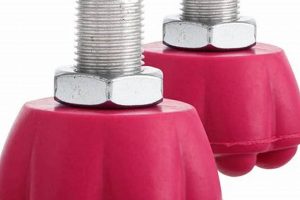
These components are specialized attachments for roller skates, designed to facilitate grinding maneuvers on various surfaces. Typically constructed from durable materials like nylon, urethane, or composite blends, they are mounted between the skate’s trucks. Their purpose is to provide a stable, controlled platform for sliding along edges, rails, and other obstacles, enabling skaters to execute tricks that would be difficult or impossible with standard skate setups. For instance, a skater might use this addition to slide along a handrail at a skate park.
The incorporation of these items significantly broadens the range of possibilities within roller skating. By allowing skaters to interact with their environment in new ways, they enhance creativity and skill development. The advent of specialized sliding hardware has also played a role in the evolution of skate park design, with elements often specifically tailored to accommodate grinding techniques. Historically, modifications to skates to enable grinding were rudimentary and often involved improvised materials; the modern design represents a significant advancement in both safety and performance.
The subsequent sections will explore the different types of these skate modifications available, factors to consider when selecting them, installation procedures, maintenance tips, and how they contribute to specific skating styles and tricks.
Roller Skate Grind Blocks
The effective use of these skate accessories necessitates understanding their capabilities and limitations. The following tips provide insights to maximize performance and ensure safety.
Tip 1: Material Selection. Consider the skating surface when selecting a material. Harder compounds provide faster slides on smooth surfaces, while softer compounds offer more grip on rough surfaces. Proper material selection enhances control and reduces the risk of unexpected stops.
Tip 2: Correct Installation. Adhere to the manufacturer’s installation instructions meticulously. Improper installation can lead to instability and potential equipment failure during use. Ensure all hardware is tightened to the specified torque settings.
Tip 3: Regular Inspection. Conduct routine inspections for wear and tear. Cracks, chips, or significant abrasion indicate the need for replacement. Early detection prevents catastrophic failure during a grind.
Tip 4: Surface Preparation. Before attempting a grind, assess the target surface. Remove loose debris or obstacles that could impede the slide. A clear path maximizes control and minimizes the risk of injury.
Tip 5: Stance and Balance. Maintain a balanced and stable stance over the skates. Distribute weight evenly to prevent slipping or losing control. Practice proper body positioning on flat surfaces before attempting grinds.
Tip 6: Progressive Learning. Start with simpler grinds on lower obstacles. Gradually increase the difficulty as proficiency improves. Avoid attempting advanced maneuvers without mastering the fundamentals.
Tip 7: Protective Gear. Always wear appropriate protective gear, including a helmet, knee pads, and elbow pads. Protective equipment mitigates the risk of serious injury in the event of a fall.
By adhering to these guidelines, skaters can enhance their performance, extend the lifespan of their equipment, and minimize the risk of injury. Understanding the interplay between equipment and technique is crucial for successful execution of grinds.
The subsequent sections will delve deeper into specific applications and advanced techniques using these skate adaptations, further expanding on the principles outlined above.
1. Material Composition

The material composition of specialized skate sliding components is a critical determinant of performance, durability, and suitability for various skating environments. The materials directly impact a skater’s ability to execute grinding maneuvers effectively and safely. Harder materials, such as certain nylons or high-density polyethylenes, generally provide faster sliding speeds on smoother surfaces like painted steel or polished concrete. Softer materials, including some urethanes, offer increased grip on rougher surfaces such as unpolished concrete or certain textured metals. The relationship is causal: the material chosen directly affects the friction coefficient between the block and the grinding surface, which, in turn, influences the speed and control of the grind. For example, a skater attempting a slide on a rough surface with a hard nylon block may experience unpredictable stops or a lack of control, while the same skater using a softer urethane block would likely maintain better contact and a smoother slide.
The selection of materials also affects the component’s longevity. Harder materials typically resist abrasion more effectively, leading to a longer lifespan, but may be more prone to cracking under impact. Softer materials, while providing better grip, may wear down more quickly due to increased friction. Certain composite materials attempt to strike a balance between durability and performance. The specific blend of polymers and additives influences factors such as impact resistance, flexibility, and the ability to maintain consistent performance over a range of temperatures. Skate park designers and manufacturers often consider these material properties when constructing skateable features. Railings, ledges, and coping are often made of materials that complement the properties of common skate sliding materials to ensure an optimal grinding experience.
In summary, the material composition directly influences the performance and lifespan of these skate adaptations. Understanding the properties of different materials is crucial for skaters seeking to optimize their setup for specific environments and skating styles. Challenges remain in developing materials that offer a superior combination of grip, speed, and durability, but ongoing research in polymer science continues to drive innovation in this area. The material selection is inextricably linked to all other considerations related to skate adaptation effectiveness.
2. Mounting Hardware

Mounting hardware is integral to the functionality and safety of specialized skate sliding components. The hardware facilitates the secure attachment of the component to the roller skate frame. The selection, installation, and maintenance of this hardware are critical for optimal performance and the prevention of equipment failure. Improperly chosen or maintained hardware can compromise the stability of the skater and increase the risk of injury.
- Bolt Material and Strength
The bolts used to secure the components must be constructed from high-strength materials such as steel alloys. The tensile strength and shear strength of the bolts must be adequate to withstand the forces generated during grinding maneuvers. For example, using low-grade bolts can result in shearing or deformation under stress, leading to the component detaching from the skate frame. This, in turn, presents a significant safety hazard.
- Thread Engagement and Compatibility
Proper thread engagement between the bolts and the mounting points on the skate frame and component is essential. Insufficient thread engagement can cause the bolts to loosen over time, while cross-threading can damage the threads and weaken the connection. Compatibility between the bolt thread pitch and the mounting point threads is also crucial. Using incompatible threads can lead to stripping and failure of the connection.
- Locking Mechanisms
Locking mechanisms, such as nylon lock nuts or thread-locking compounds, help to prevent the bolts from loosening due to vibration during skating. These mechanisms provide additional security and maintain the integrity of the connection. An example would be the use of thread-locking fluid, applied during installation, to fill microscopic gaps and prevent unwanted loosening.
- Corrosion Resistance
Skating environments can expose the mounting hardware to moisture and corrosive elements. Using corrosion-resistant hardware, such as stainless steel bolts, helps to prevent rust and maintain the structural integrity of the connection over time. Rust can weaken the bolts and make them more susceptible to failure. Therefore, corrosion-resistant hardware is often necessary to ensure longevity of grinding hardware.
In summary, the proper selection, installation, and maintenance of mounting hardware are paramount to the reliable function of these skate adaptations. High-strength materials, compatible threads, locking mechanisms, and corrosion resistance contribute to a secure and durable connection between the component and the roller skate, reducing the risk of equipment failure and ensuring the safety of the skater.
3. Surface Compatibility

Surface compatibility denotes the degree to which a specific skate sliding component interacts effectively with various grinding surfaces. The interaction encompasses factors such as friction, grip, and wear. The choice of material for the skate adaptation directly determines its suitability for different surfaces, creating a causal relationship between material properties and performance outcomes. For instance, a harder nylon material provides a faster slide on smooth surfaces like painted steel, but may exhibit poor grip and control on rougher concrete. Conversely, a softer urethane compound offers greater grip on textured surfaces but can wear down rapidly on abrasive surfaces. This understanding is practically significant because it allows skaters to select components that optimize their performance in specific environments. Without proper surface compatibility, a skater may experience unpredictable slides, reduced control, and accelerated wear of equipment. The physical characteristics of both the grinding surface and the skate component must align to achieve the desired result.
The importance of surface compatibility extends to safety considerations. An incompatible combination of component material and grinding surface can lead to sudden stops or uncontrolled acceleration, increasing the risk of falls and injuries. For example, attempting a grind on a wet metal rail with a component designed for dry concrete could result in a loss of traction and subsequent loss of control. Therefore, skaters must assess the surfaces they intend to grind and choose components accordingly. Furthermore, environmental factors, such as temperature, can influence surface conditions and affect compatibility. Extreme cold, for example, may cause certain materials to become brittle, reducing their grip and increasing the likelihood of cracks or chips. Professional skaters frequently maintain an array of components crafted from diverse materials, allowing them to adapt to varying surface conditions at different skate parks or street locations. This approach highlights the practical need for skaters to actively manage this factor to optimize both performance and safety.
In conclusion, surface compatibility is a critical element of skate adaptation effectiveness. Proper material selection based on the intended grinding surfaces is essential for achieving optimal performance, minimizing equipment wear, and ensuring skater safety. The challenge lies in balancing the trade-offs between grip, speed, and durability to find the most suitable material for a given environment. A comprehensive understanding of surface compatibility allows skaters to make informed decisions regarding their equipment, ultimately enhancing their skating experience and reducing the risk of injury.
4. Grind Style

The selection and utilization of specialized skate sliding components are fundamentally linked to the skater’s intended grind style. Grind style dictates the specific performance characteristics required from the components, influencing factors such as shape, size, material composition, and mounting configuration. The relationship is bidirectional: the limitations and capabilities of the components, in turn, shape the possibilities for executing particular grind styles.
- Aggressive Grinds
Aggressive grind styles, such as cess slides, soul grinds, and frontside grinds, necessitate components that provide a stable, wide platform for locking onto coping or rails. Typically, these styles demand a larger component area to maximize contact and control, often employing durable materials like nylon or high-density polyethylene to withstand high-impact forces and abrasive surfaces. The mounting configurations tend to be robust, with multiple attachment points to distribute stress effectively.
- Creative Grinds
Creative grind styles often involve more technical maneuvers, such as variations on basic grinds, transitions, and stalls. These styles may benefit from components with unique shapes or specialized features, such as beveled edges or strategically placed grooves, to facilitate specific interactions with the grinding surface. Material selection may prioritize responsiveness and feel over pure durability, with some skaters preferring softer urethanes for increased grip and control.
- Park Grinds
Skate park grinds often involve a combination of aggressive and creative techniques, requiring components that are versatile and adaptable to various surfaces and obstacles. Component size and shape tend to be moderate, balancing stability with maneuverability. Material selection often favors a compromise between durability and slide characteristics, with composite materials gaining popularity for their ability to provide both strength and responsiveness.
- Street Grinds
Street skating typically involves grinding on found objects, such as ledges, handrails, and architectural features. Street grinds often demand components that are durable and resistant to abrasion from rough or uneven surfaces. Smaller, more streamlined components may be preferred for navigating tight spaces and avoiding obstacles. Material selection often prioritizes durability and affordability, with skaters often opting for readily available and easily replaceable options.
The choice of specialized skate sliding components is inextricably linked to the skater’s intended grind style. Different styles require different performance characteristics, influencing component design and material selection. By understanding the nuances of each style and the capabilities of different components, skaters can optimize their equipment for specific situations and maximize their performance. The ongoing evolution of grind styles continues to drive innovation in component design, fostering a dynamic relationship between skater creativity and equipment technology.
5. Durability Factors

The longevity and performance of specialized skate sliding components are fundamentally governed by several interacting durability factors. These factors dictate the component’s ability to withstand the stresses and abrasions inherent in grinding maneuvers. Material selection is paramount. The composition of the compound directly influences its resistance to wear, impact, and environmental degradation. For instance, a component constructed from a high-density polyethylene (HDPE) will typically exhibit greater abrasion resistance than one made from a softer urethane. This distinction is critical because the grinding action constantly subjects the component to friction against abrasive surfaces. The frequency and intensity of use also contribute significantly to wear rates. A skater who practices daily on rough concrete will experience accelerated component degradation compared to one who skates occasionally on smoother surfaces. The structural integrity of the component’s mounting system is another key factor. Weak or improperly installed hardware can lead to premature failure, regardless of the material’s inherent durability. An example is when bolts that are overtightened can cause localized stress concentrations, leading to cracks and eventual breakage.
Environmental conditions also exert a substantial influence on the durability of skate sliding components. Exposure to ultraviolet (UV) radiation can degrade certain polymers, causing them to become brittle and prone to cracking. Temperature fluctuations can also induce stress within the material, leading to fatigue and reduced lifespan. Moreover, contact with moisture and chemicals can accelerate corrosion or material breakdown. Consider components used near coastal environments. Saltwater exposure promotes corrosion of metal hardware and may degrade certain polymers. The skater’s technique and the types of surfaces they grind also affect the stresses placed on the component. Grinding on rough or uneven surfaces increases the likelihood of impact damage. Performing aggressive maneuvers, like jumping onto rails, subjects the component to high-impact forces, which can lead to cracks or delamination. For instance, a skater who regularly performs gaps onto concrete ledges can expect a shorter component lifespan due to the repeated impact forces.
In summary, durability is a multifactorial characteristic of specialized skate sliding components, influenced by material selection, usage patterns, environmental conditions, and skater technique. Maximizing component lifespan requires careful consideration of these factors and proactive maintenance practices. Regular inspection for signs of wear, proper hardware maintenance, and selection of components appropriate for the intended skating environment are essential steps. Optimizing durability, in turn, contributes to enhanced skater safety and reduces the frequency of component replacement, resulting in cost savings. The interaction of these various factors necessitates a holistic approach to durability management, acknowledging the interconnectedness of material properties, environmental influences, and skater behaviors.
6. Skate Adaptability

Skate adaptability, in the context of specialized skate sliding components, refers to the compatibility of these components with a range of roller skate models and configurations. This adaptability is a crucial determinant of the components’ overall value and utility. The design of the skate frame, truck geometry, and available mounting points all influence the ease and success of component installation. For example, if a component is designed with a specific mounting pattern that does not align with the skate frame, installation becomes problematic or impossible. A lack of skate adaptability limits the number of potential users and restricts the component’s applicability. Components with greater adaptability offer broader appeal and increased market penetration. The causal link between design features and the capacity for installation on varied skate models is a significant factor in product development and consumer choice.
The importance of skate adaptability is highlighted by the diverse range of roller skate styles available, each with its own unique characteristics. From traditional quad skates to inline skates, and from recreational models to specialized derby or artistic skates, the variation is considerable. A truly adaptable component must accommodate these differences. This accommodation may involve the use of adjustable mounting hardware, modular designs that allow for configuration changes, or universal mounting systems that are compatible with a wide range of skate frame types. Consider a component designed with elongated mounting slots, allowing for minor adjustments to the bolt spacing to match different frame drilling patterns. This simple design feature greatly enhances the component’s adaptability and increases its appeal to skaters with diverse equipment. Furthermore, skate adaptability can extend beyond physical fitment to encompass performance compatibility. A component designed for a specific skating style may not be suitable for use with skates designed for a different style, even if the physical mounting is possible. Thus, design must consider various factors to optimize adaptability across diverse skate platforms.
In conclusion, skate adaptability is a critical consideration in the design and selection of specialized skate sliding components. The ability of a component to be easily and effectively installed on a variety of roller skate models enhances its value and utility. Factors such as mounting hardware design, modularity, and universal mounting systems contribute to increased adaptability. Understanding the relationship between component design and skate frame characteristics is essential for both manufacturers and consumers. The ongoing challenge is to create components that offer optimal performance across a wide range of skate configurations, balancing adaptability with specialized performance characteristics. Addressing this challenge leads to both enhanced product offerings and broader accessibility for skaters of various styles and preferences.
Frequently Asked Questions
The following questions address common concerns and misconceptions regarding these skate adaptations. Clarification on these points is essential for informed decision-making and safe implementation.
Question 1: What are the primary benefits of using specialized skate sliding components?
The primary benefits include enhanced grinding capabilities, increased control during slides, expanded trick possibilities, and improved skate adaptability to diverse surfaces.
Question 2: What materials are commonly used in the manufacturing of these sliding components, and how do they differ?
Common materials include nylon, urethane, and composite blends. Nylon offers high abrasion resistance and fast slides, urethane provides enhanced grip, and composites aim to balance both characteristics.
Question 3: How does the size and shape of a sliding component impact skating performance?
Larger components offer greater stability and contact area for aggressive grinds, while smaller components provide increased maneuverability for technical maneuvers.
Question 4: What are the key considerations when selecting mounting hardware for these skate components?
Key considerations include bolt material strength, thread compatibility, locking mechanisms to prevent loosening, and corrosion resistance.
Question 5: How can the lifespan of specialized skate sliding components be extended?
Lifespan can be extended through regular inspection, proper hardware maintenance, selection of appropriate materials for the intended skating environment, and adherence to recommended usage guidelines.
Question 6: Are specialized skate sliding components compatible with all roller skate models?
Compatibility varies depending on the component design and skate frame configuration. Adaptability features such as adjustable mounting hardware and universal mounting systems enhance compatibility across diverse skate platforms.
These FAQs provide essential insights into the functionality, materials, and considerations surrounding these skate adaptations. A comprehensive understanding of these elements is crucial for maximizing performance and ensuring safety.
The subsequent sections will delve into specific product recommendations and comparative analyses, further expanding upon the information presented above.
Roller Skate Grind Blocks
This exploration has illuminated the multifaceted nature of roller skate grind blocks, detailing their function, material composition, installation, maintenance, and compatibility considerations. The analysis underscores the importance of these components in expanding the performance envelope of roller skates, enabling skaters to execute a wider array of grinding maneuvers across diverse surfaces. Selection and maintenance are pivotal factors in ensuring both the safety and longevity of the equipment.
As roller skating continues to evolve, the ongoing development and refinement of roller skate grind blocks remains crucial. Further research into materials science and design innovation promises to unlock new possibilities, enhancing both the accessibility and performance potential for skaters of all skill levels. The informed application of this knowledge contributes directly to a safer and more rewarding skating experience.