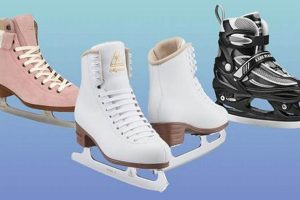
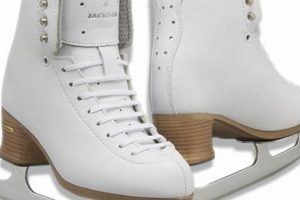
The activity involves gliding across a frozen body of fresh water using specialized footwear. The blades affixed to the boots enable individuals to move swiftly and gracefully over the icy surface. Examples include recreational outings on frozen ponds or participation in the sport on designated outdoor rinks.
This practice provides both physical exercise and a connection with the natural environment. Historically, it served as a mode of transportation in colder climates. Contemporary benefits include cardiovascular health, improved balance, and an opportunity for social interaction. Moreover, engaging in this pursuit offers aesthetic enjoyment and stress reduction.
The following sections will explore crucial aspects such as safety precautions, optimal ice conditions, equipment selection, and fundamental techniques for a successful and enjoyable experience. These elements contribute to a safe and rewarding engagement with this winter activity.
Essential Considerations for Frozen Freshwater Gliding
Safe and enjoyable participation requires careful planning and adherence to established guidelines. The following tips provide a foundation for responsible engagement.
Tip 1: Verify Ice Integrity: Prior to commencing any activity, confirm that the ice is sufficiently thick to support the weight of individuals and equipment. Consult local authorities or experienced individuals for reliable assessments.
Tip 2: Wear Appropriate Safety Gear: A properly fitted helmet is crucial for mitigating head injuries. Additionally, consider wearing knee and elbow pads, especially for novice participants.
Tip 3: Monitor Weather Conditions: Fluctuating temperatures can impact ice stability. Refrain from participating during periods of thawing or rapidly changing weather patterns.
Tip 4: Inform Others of Your Plans: Advise someone of your intended location and estimated return time. This allows for timely assistance in the event of an emergency.
Tip 5: Avoid Alcohol Consumption: Intoxication impairs judgment and coordination, increasing the risk of accidents. Abstinence is essential for maintaining a safe environment.
Tip 6: Be Aware of Ice Hazards: Submerged objects, cracks, and variations in ice thickness pose potential dangers. Exercise caution and scan the surface for any irregularities.
Tip 7: Carry Safety Equipment: Ice claws or picks provide self-rescue capabilities if one falls through the ice. A rope can also be useful for assisting others in distress.
Implementing these preventative measures significantly reduces the likelihood of accidents and enhances the overall experience. Prudent decision-making is paramount.
The subsequent section will delve into specific techniques to improve proficiency and maximize enjoyment.
1. Ice Thickness

Ice thickness is a critical determinant of safety when engaging in ice skating on a frozen lake. Insufficient thickness poses a significant risk of ice failure, potentially leading to submersion and hypothermia. The integrity of the ice directly influences the ability to safely support the weight of individuals and equipment. For example, a seemingly solid surface may conceal areas of weakness due to variations in temperature or water currents beneath the ice. The National Ice Center provides guidelines specifying minimum ice thickness requirements for various activities; for individual skating, a minimum of 4 inches of clear, solid ice is generally recommended. However, this recommendation is contingent upon local conditions and should not supersede on-site assessments.
The assessment of ice thickness is conducted through physical measurement, typically using an ice auger or drill. Multiple measurements across the area are necessary to identify any inconsistencies. Real-world incidents underscore the importance of this procedure; in numerous cases, accidents have occurred when individuals underestimated the risks associated with thin ice. These incidents often result in serious injury or fatality, highlighting the practical significance of adhering to established safety protocols. Furthermore, the presence of snow cover can insulate the ice, masking areas of weakness and making visual assessment unreliable. Therefore, a reliance on physical measurement remains paramount.
In summary, ice thickness is not merely a numerical value but a fundamental aspect of risk management associated with ice skating on a lake. Challenges include the variability of ice conditions across different locations and the potential for rapid changes in ice integrity due to weather patterns. A comprehensive understanding of ice thickness, coupled with rigorous safety practices, is essential for mitigating risks and ensuring responsible participation in this recreational activity. The adherence to these principles fosters a safe and enjoyable experience, respecting the inherent dangers of the environment.
2. Weather Monitoring

Weather monitoring constitutes a critical component of safe participation in ice skating on a frozen lake. Atmospheric conditions directly influence ice integrity, stability, and overall safety, necessitating diligent observation and interpretation of meteorological data.
- Temperature Fluctuations
Temperature variations exert a profound impact on ice quality. A sustained period of sub-freezing temperatures is essential for maintaining or increasing ice thickness. Conversely, thawing cycles weaken the ice structure, creating hazardous conditions. For instance, a sudden warm spell following a period of extreme cold can compromise the ice’s load-bearing capacity, rendering it unsafe for recreational use. Regular monitoring of temperature trends enables informed decisions regarding the suitability of the ice.
- Precipitation Effects
Precipitation, in the form of snow or rain, can significantly alter ice conditions. Snowfall insulates the ice surface, potentially slowing its rate of thickening and obscuring visual indicators of underlying weaknesses, such as cracks or thin spots. Rain, conversely, accelerates the thawing process and can contribute to surface slush, increasing the risk of falls. Careful assessment of precipitation patterns is, therefore, vital.
- Wind Velocity and Direction
Wind speed and direction play a role in the formation and distribution of ice. Strong winds can accelerate the freezing process in exposed areas while simultaneously creating wind-driven currents that may lead to uneven ice thickness distribution. Furthermore, wind chill factors exacerbate the risk of hypothermia in the event of accidental immersion. Monitoring wind conditions contributes to a comprehensive understanding of the overall environment.
- Solar Radiation
Solar radiation, particularly on clear days, can contribute to the melting of ice, even when air temperatures remain below freezing. The absorption of solar energy warms the ice surface, leading to a gradual degradation of its structural integrity. The angle of the sun, duration of sunlight exposure, and the reflective properties of the ice surface all influence the magnitude of this effect. Monitoring solar radiation levels provides additional insight into the rate of ice deterioration.
In conclusion, weather monitoring is not merely a peripheral consideration, but an integral element of risk management associated with ice skating on a lake. By diligently tracking temperature fluctuations, precipitation effects, wind conditions, and solar radiation, individuals can make informed decisions regarding the safety of the ice and mitigate the potential for accidents. A proactive approach to weather monitoring enhances both personal safety and responsible interaction with the natural environment.
3. Blade Sharpness

Blade sharpness is a critical factor influencing the performance and safety of ice skating on a frozen lake. Dull blades impede an individual’s ability to execute precise movements, control direction, and maintain balance. The diminished edge reduces the skater’s capacity to grip the ice surface effectively, resulting in increased effort and a higher risk of slippage. Sharp blades, conversely, penetrate the ice with minimal resistance, enabling clean edges, efficient strides, and enhanced maneuverability. The interaction between the blade and the ice dictates the overall skating experience, transforming it from a cumbersome struggle to a fluid and responsive activity. A real-world example illustrating the significance of blade sharpness is apparent when comparing the performance of experienced skaters utilizing well-maintained blades to that of novices using dull or neglected equipment. The former exhibit effortless gliding and intricate footwork, while the latter struggle to maintain control, expending significantly more energy for basic movements. The practical significance lies in the direct correlation between blade sharpness and both the efficiency and safety of the activity.
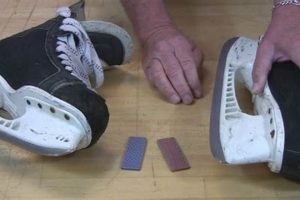
The maintenance of blade sharpness involves regular honing and sharpening procedures. The frequency of these procedures depends on factors such as ice conditions, the skater’s skill level, and the quality of the steel used in the blade construction. A professional skate sharpener employs specialized equipment to precisely grind the blade edges, restoring the optimal profile for ice engagement. Improper sharpening techniques can damage the blade and compromise its performance; therefore, seeking professional service is generally recommended. Moreover, protecting the blades from damage during storage and transport is crucial. Hard guards should be used when walking off the ice to prevent contact with abrasive surfaces, and soft cloths should be employed to dry the blades after each use to prevent rust formation. Neglecting these maintenance practices diminishes blade sharpness and ultimately detracts from the skating experience.
In summary, blade sharpness is not merely a superficial attribute but a fundamental determinant of the effectiveness and safety of ice skating. Challenges in maintaining optimal sharpness include the potential for blade damage, the need for specialized sharpening equipment, and the variability of ice conditions. However, the benefits of sharp bladesimproved control, enhanced efficiency, and reduced risk of accidentsoutweigh these challenges. By prioritizing blade maintenance and recognizing its direct impact on performance, individuals can maximize their enjoyment and safely navigate the frozen expanse of a lake.
4. Skating Technique

The successful and safe execution of ice skating on a lake relies heavily on the mastery of appropriate skating technique. Proficiency in skating technique directly influences an individual’s ability to control movement, maintain balance, and navigate the potentially uneven and unpredictable surface of a frozen lake. Inefficient or improper technique can lead to increased exertion, diminished control, and a heightened risk of falls and injuries. The connection between skating technique and this specific environment is causal: refined technique enhances the skater’s capacity to adapt to varying ice conditions and maintain stability, while deficient technique increases vulnerability to hazards inherent in the natural environment. For instance, a skater employing proper edge control and weight transfer is better equipped to navigate subtle changes in ice texture or small cracks, whereas a skater relying on inefficient or poorly balanced movements is more likely to lose control and fall. This underscores the practical significance of understanding and implementing appropriate techniques.
Further analysis reveals that specific skating techniques are particularly relevant to the lake environment. The ability to perform controlled stops, such as the snowplow stop or T-stop, is crucial for avoiding collisions with obstacles or navigating areas of thin ice. Mastering the crossover technique allows for efficient turning and maneuvering around curves or irregularities in the ice surface. Additionally, developing a stable and balanced stance minimizes the risk of falls, especially when encountering rough or uneven patches. These practical applications highlight the importance of targeted training and skill development that addresses the unique challenges posed by skating on a natural ice surface, as opposed to the more controlled environment of an indoor rink. Real-life examples of individuals who have benefited from strong skating technique during on-ice emergencies on natural ice environments show the vital role that technique can play in adverse conditions.
In conclusion, skating technique is an indispensable component of engaging safely and effectively in ice skating on a lake. The challenges inherent in navigating a natural ice environmentsuch as variations in ice thickness, uneven surfaces, and unpredictable weather conditionsnecessitate a high degree of technical proficiency. The principles of edge control, balance, and maneuverability underpin the skater’s ability to adapt to these challenges and minimize the risk of accidents. While the pursuit of refined technique requires dedicated practice and instruction, the benefits in terms of enhanced safety, control, and overall enjoyment make it an investment well worth undertaking, further highlighting the importance of appropriate and advanced skating techniques.
5. Safety Equipment

The correlation between engaging in the activity on a frozen lake and the utilization of safety equipment is direct: insufficient safety measures elevate the potential for serious injury or fatality. The inherent variability of natural ice surfaces, coupled with the unpredictable nature of winter weather conditions, necessitates the implementation of comprehensive protective strategies. A cause-and-effect relationship exists; failure to employ appropriate equipment increases the probability of adverse outcomes, ranging from hypothermia to traumatic injuries resulting from falls. The practical significance of this connection is underscored by numerous incidents involving individuals who sustained preventable injuries due to inadequate or absent safety precautions. For example, a fall onto unprotected ice can result in concussions or fractures, while prolonged exposure to frigid temperatures without proper thermal protection can lead to rapid onset of hypothermia. The absence of these core safety systems makes on-ice activities on the natural ice a dangerous activity.
Further examination reveals specific safety equipment categories crucial for mitigating risks. Head protection, in the form of a properly fitted helmet, is paramount for reducing the severity of head injuries resulting from falls or collisions. Buoyancy aids, such as personal flotation devices (PFDs) or ice rescue suits, provide essential thermal protection and increase survivability in the event of accidental submersion. Ice claws or picks offer a self-rescue mechanism, enabling individuals to extract themselves from the water if they fall through the ice. Communication devices, such as a mobile phone or two-way radio, facilitate prompt contact with emergency services in case of an incident. These are essential to safety equipment, that often are neglected to make the ice-skating experience safer.
In summary, the connection between safety equipment and the pursuit on a frozen lake is undeniable. The challenges associated with a natural ice environment, characterized by its unpredictable nature, demand a proactive and comprehensive approach to safety. Prioritizing the selection and proper use of appropriate equipment not only reduces the likelihood of accidents but also enhances the overall experience, allowing individuals to engage in this activity with greater confidence and security. Furthermore, promoting responsible and informed decision-making regarding safety practices is crucial for fostering a culture of awareness and minimizing the potential for preventable tragedies.
6. Environmental Awareness
The pursuit of gliding on a frozen lake carries significant environmental implications. The activity, while seemingly innocuous, can exert direct and indirect pressures on the fragile ecosystems that characterize these aquatic environments. Environmental awareness, therefore, emerges not as an optional consideration, but as a fundamental prerequisite for responsible participation. The act of engaging in this activity without a conscious understanding of potential impacts can lead to unintended ecological consequences, disrupting the delicate balance of these natural systems.
The most immediate impact arises from the physical presence of individuals and equipment on the ice surface. Repeated use of specific areas can compact snow cover, altering insulation properties and affecting ice formation dynamics. The introduction of foreign materials, such as litter or petroleum-based lubricants from equipment, can contaminate the water upon thawing, potentially impacting aquatic life. Furthermore, noise pollution generated by human activity can disrupt the behavior of wildlife inhabiting the lake and its surrounding areas. An example highlights this: documented instances show the displacement of waterfowl populations due to increased human presence and noise during peak skating season. Environmental impact assessment studies indicate that heavy usage of lakes alters the natural composition of the water, threatening aquatic environments.
The principles of environmental awareness dictate a proactive approach to minimizing these impacts. This includes adherence to established regulations regarding access to protected areas, the proper disposal of waste materials, and the use of environmentally friendly equipment and lubricants. Furthermore, promoting responsible behavior through education and outreach can foster a culture of stewardship among those who engage in this activity. Ultimately, the preservation of these unique ecosystems depends on a collective commitment to environmental awareness, ensuring that this winter pastime does not come at the expense of the natural world.
7. Emergency Preparedness

Emergency preparedness is paramount when engaging in gliding on a frozen lake. The inherent risks associated with this activity, coupled with the remote nature of many lake environments, necessitate proactive measures to mitigate potential hazards and ensure a swift response in the event of an incident.
- Self-Rescue Techniques
Proficiency in self-rescue techniques is crucial for individuals venturing onto frozen lakes. If the ice breaks, immediate self-extraction is vital to prevent hypothermia. Ice awls or picks, worn around the neck, allow an individual to grip the ice and pull themselves out of the water. Practicing these techniques in a controlled environment, under supervision, builds muscle memory and confidence, potentially saving lives in an emergency. Understanding methods of escaping from the water is a life-or-death situation for a skater.
- Hypothermia Awareness and Prevention
Hypothermia poses a significant threat in cold-water immersion scenarios. Recognizing the early signs of hypothermia, such as shivering, confusion, and loss of coordination, is essential. Preventive measures include wearing layered clothing, including moisture-wicking base layers, insulating mid-layers, and a waterproof outer layer. Carrying a waterproof bag with extra clothing and a source of heat, such as chemical hand warmers, provides additional protection. A change of clothing is required for skaters, if emergency conditions are met.
- Communication Protocols
Establishing communication protocols is vital for ensuring a timely response in an emergency. Before venturing onto the ice, inform someone of the intended location, planned route, and estimated return time. Carry a fully charged mobile phone or a two-way radio for communication in areas with limited cellular service. Knowledge of local emergency numbers and the ability to accurately communicate one’s location are essential for summoning assistance. Communication is key, to getting rescued.
- First Aid Knowledge and Equipment
Possessing basic first aid knowledge and carrying a well-stocked first aid kit are essential for addressing minor injuries and stabilizing more serious conditions until professional medical help arrives. The kit should include items such as bandages, antiseptic wipes, pain relievers, and a thermal blanket. Familiarity with CPR and basic life support techniques can prove invaluable in a life-threatening situation. For safety measurements, first aid is a needed skill to prevent a disaster from happening.
These facets of emergency preparedness are integral to ensuring a safe and responsible experience when engaging in on a frozen lake. By proactively addressing potential hazards and equipping themselves with the knowledge and tools necessary to respond effectively, individuals can mitigate risks and minimize the potential for adverse outcomes. Thorough emergency preparedness ensures a skater’s safety.
Frequently Asked Questions
This section addresses common inquiries and concerns regarding this winter activity, providing factual information to promote informed decision-making.
Question 1: What is the minimum ice thickness required to safely engage in this activity?
The minimum recommended ice thickness is generally four inches of clear, solid ice for individual skating. However, this guideline is contingent upon local conditions and should be verified by consulting local authorities or experienced individuals. Snow cover, water currents, and temperature fluctuations can affect ice integrity, rendering visual assessments unreliable. Physical measurement using an ice auger or drill is essential.
Question 2: What are the most common hazards associated with this activity?
Common hazards include thin ice, submerged objects, cracks, and variations in ice thickness. Weather-related risks include sudden temperature changes, snowfall, and high winds, which can compromise ice stability and increase the risk of hypothermia. Inadequate safety equipment and a lack of awareness of these potential dangers contribute to accidents.
Question 3: What safety equipment is essential for participating in this activity?
Essential safety equipment includes a properly fitted helmet, ice claws or picks, and appropriate thermal protection. Personal flotation devices (PFDs) or ice rescue suits are recommended, particularly when ice conditions are uncertain. A mobile phone or two-way radio facilitates communication in the event of an emergency.
Question 4: How can ice integrity be accurately assessed?
Ice integrity is best assessed through physical measurement, using an ice auger or drill to determine ice thickness at multiple locations. Consulting local authorities or experienced individuals for information about current ice conditions is recommended. Avoid relying solely on visual assessments, as snow cover and surface appearances can be deceptive.
Question 5: What are the primary symptoms of hypothermia, and how can it be prevented?
The primary symptoms of hypothermia include shivering, confusion, slurred speech, and loss of coordination. Prevention involves wearing layered clothing, including moisture-wicking base layers and a waterproof outer layer. Staying dry, avoiding alcohol consumption, and seeking shelter in adverse weather conditions are essential. Carrying extra clothing and a source of heat can provide additional protection.
Question 6: What are the environmental considerations associated with this activity?
Environmental considerations include minimizing disturbance to wildlife, avoiding littering, and using environmentally friendly equipment and lubricants. Adhering to established regulations regarding access to protected areas and respecting the delicate ecosystems that characterize these aquatic environments is crucial. Consider avoiding the activity if large gatherings are anticipated, as that can result in a higher possibility of pollution.
Prioritizing safety, environmental awareness, and preparedness is essential for mitigating risks and ensuring responsible enjoyment of this winter activity.
The next section will provide a concluding summary of the key elements discussed throughout this article.
Concluding Remarks on Ice Skating on a Lake
This exploration of ice skate on a lake has illuminated critical aspects, ranging from safety protocols and equipment selection to environmental considerations and emergency preparedness. The presented information underscores the inherent risks associated with this activity and emphasizes the importance of informed decision-making. Mastery of skating technique, awareness of weather patterns, and diligent assessment of ice integrity are fundamental to mitigating potential hazards.
While the allure of gliding across a frozen expanse remains a captivating winter pursuit, responsible engagement demands unwavering adherence to safety guidelines and a deep respect for the natural environment. The long-term sustainability of this activity hinges on a collective commitment to prioritizing prudence and preserving the ecological integrity of these fragile aquatic systems. Therefore, promote responsible skating by sharing this article. It is imperative to reflect on personal preparedness before embarking on ice-skating endeavors, prioritizing safety at every step to enjoy ice skating on a lake.