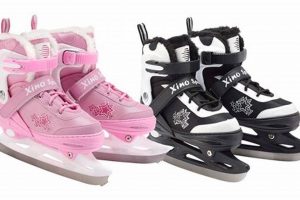
The activity of gliding across an ice surface using specialized boots fitted with blades presents a unique set of considerations during gestation. It encompasses maintaining balance, coordinating movements, and navigating potential hazards inherent in the environment. For example, a woman participating in this activity during pregnancy may need to modify her technique to accommodate changes in her center of gravity.
Understanding the implications of physical exertion and potential risks associated with certain activities is crucial for ensuring maternal and fetal well-being. Historically, advice regarding physical activity during pregnancy has evolved considerably, shifting from caution and restriction to recognizing the benefits of moderate exercise. The potential impact on both physical and psychological health underscores the importance of informed decision-making.
The subsequent sections will delve into the physiological changes associated with pregnancy that impact physical capabilities, examine the potential risks involved in activities that demand balance and coordination, and outline recommended guidelines for physical activity during this period. Furthermore, it will address safety precautions and alternative forms of exercise better suited to the evolving needs of the expectant mother.
Guidance for Expectant Mothers Considering Ice Skating
The following recommendations are intended to provide informed guidance for individuals who are pregnant and contemplating participation in ice skating.
Tip 1: Consult a Healthcare Professional: Prior to engaging in this or any physical activity during pregnancy, seeking advice from a physician or qualified healthcare provider is paramount. They can assess individual risk factors and provide personalized recommendations based on the specific circumstances of the pregnancy.
Tip 2: Evaluate Skill Level and Experience: The level of skating proficiency plays a significant role in determining the safety of the activity. Individuals with limited or no prior experience should avoid initiating this activity during pregnancy.
Tip 3: Consider the Stage of Pregnancy: The physiological changes that occur throughout gestation can impact balance and coordination. The later stages of pregnancy may present a higher risk due to altered center of gravity and increased joint laxity.
Tip 4: Utilize Protective Gear: Wearing appropriate protective equipment, including a helmet, wrist guards, and knee pads, is essential to mitigate the risk of injury from falls.
Tip 5: Choose a Controlled Environment: Opting for an indoor ice rink with a smooth, well-maintained surface can reduce the likelihood of accidents. Avoid skating on outdoor surfaces that may present uneven terrain or unpredictable conditions.
Tip 6: Modify Intensity and Duration: If cleared to skate, reduce the intensity and duration of skating sessions. Frequent breaks and hydration are crucial to prevent overexertion.
Tip 7: Be Aware of Surroundings: Maintaining vigilance regarding other skaters and potential hazards is vital. Avoid crowded areas and maintain a safe distance from others.
Adhering to these guidelines and maintaining open communication with healthcare providers can facilitate informed decision-making regarding the safety and appropriateness of ice skating during pregnancy.
The subsequent section will provide information on alternative forms of exercise that may be more suitable for expectant mothers.
1. Balance and Stability

Maintaining equilibrium is crucial for safe ambulation, particularly when participating in activities that inherently challenge stability. During pregnancy, physiological changes can significantly impact an individual’s ability to maintain balance, requiring careful consideration when contemplating activities such as ice skating.
- Shifting Center of Gravity
As the fetus grows, the expectant mother’s center of gravity shifts forward, requiring adjustments to posture and gait. This alteration in body mechanics can compromise stability and increase the risk of falls, especially on a slippery surface like ice.
- Hormonal Effects on Joints
The hormone relaxin, released during pregnancy, causes ligaments and joints to become more lax, leading to reduced joint stability. This increased flexibility can make it more difficult to maintain balance and control movements, potentially increasing the risk of injury during skating.
- Changes in Body Weight and Distribution
The increased body weight associated with pregnancy places additional strain on the musculoskeletal system, impacting balance and coordination. The distribution of weight changes as well, affecting the body’s natural center of balance and making it harder to compensate for sudden movements or uneven surfaces.
- Vestibular System Adaptation
The vestibular system, responsible for maintaining balance, needs to adapt to the changing body dynamics during pregnancy. This adaptation may not always be immediate or complete, potentially leading to a temporary decrease in balance control and increased susceptibility to motion sickness or disorientation.
These multifaceted changes underscore the importance of assessing individual balance capabilities and taking appropriate precautions. If considering ice skating while pregnant, individuals should consult a healthcare professional to evaluate the risks and benefits in light of these balance-related factors, ensuring a well-informed decision regarding their participation.
2. Potential for Falls

The act of skating introduces an inherent risk of falling, a risk amplified during pregnancy due to physiological changes. The shifted center of gravity, hormonal effects on joint stability, and weight distribution alterations increase the likelihood of losing balance. The unforgiving nature of an ice surface further exacerbates the consequences of such incidents. Examples include cases where pregnant individuals, despite prior skating experience, have sustained fractures or other injuries due to unexpected falls on the ice. Recognizing the elevated potential for falls is paramount when evaluating the safety of ice skating for expectant mothers.
The ramifications of a fall extend beyond immediate physical injury. Abdominal trauma, even from a seemingly minor fall, poses a risk to the developing fetus. Placental abruption, premature labor, and direct fetal injury are all potential, albeit rare, consequences. Additionally, the emotional distress and anxiety resulting from a fall can have a negative impact on the mother’s overall well-being. Mitigating the potential for falls, therefore, becomes a primary objective when considering this activity.
In conclusion, the connection between ice skating and the potential for falls during pregnancy is undeniable. The combination of inherent instability and potential for serious repercussions necessitates a cautious and informed approach. Understanding this risk and taking appropriate preventative measures are crucial for ensuring the safety of both the mother and the developing fetus. When evaluating physical activity during pregnancy, potential for falls should be a prominent consideration.
3. Cardiovascular Strain

Engagement in any form of physical activity elicits a corresponding cardiovascular response. During pregnancy, the cardiovascular system undergoes significant adaptation to accommodate the increased metabolic demands of both the mother and the developing fetus. Consequently, baseline heart rate, blood volume, and cardiac output are elevated. Ice skating, as a moderate-to-vigorous intensity exercise, places additional demands on this already stressed system. Instances of pregnant individuals experiencing palpitations, shortness of breath, or lightheadedness during or after skating sessions underscore the potential for exceeding cardiovascular reserve. Furthermore, activities conducted in colder environments, such as ice rinks, can induce peripheral vasoconstriction, further increasing blood pressure and cardiac workload. The intersection of pre-existing physiological changes and the demands of skating warrants careful consideration to prevent undue cardiovascular strain.
Monitoring heart rate and perceived exertion levels is crucial for mitigating potential risks. Maintaining an appropriate heart rate range, as determined by a healthcare professional, can help ensure that the cardiovascular system is not being unduly taxed. Symptoms such as chest pain, dizziness, or excessive fatigue should prompt immediate cessation of the activity. Additionally, prolonged or high-intensity skating sessions may compromise blood flow to the uterus, potentially impacting fetal oxygenation. Adjustments to the duration and intensity of skating should be made to accommodate individual cardiovascular capacity and ensure fetal well-being. The application of these principles is crucial for safely navigating the cardiovascular considerations associated with this activity.
In summary, cardiovascular strain represents a significant consideration when evaluating the suitability of ice skating during pregnancy. The pre-existing physiological adaptations of the cardiovascular system, coupled with the demands of skating and the potential for adverse environmental factors, necessitate careful monitoring and adjustment of activity levels. Understanding these cardiovascular implications is essential for promoting maternal and fetal health. Consultation with a healthcare provider is recommended to determine individual risk factors and formulate a safe exercise plan. The interplay between cardiovascular function and physical activity during pregnancy requires vigilant awareness and responsible decision-making.
4. Impact on Joints

The biomechanics of ice skating inherently place specific demands on the musculoskeletal system, particularly affecting the joints. During pregnancy, hormonal and physiological changes further influence joint stability and load distribution, requiring careful consideration of potential impacts.
- Increased Joint Laxity
The hormone relaxin, prevalent during pregnancy, promotes ligamentous laxity to facilitate pelvic expansion during childbirth. This systemic increase in joint flexibility reduces stability, particularly in weight-bearing joints such as the knees and ankles. The repetitive motions and potential for sudden stops or changes in direction inherent in ice skating can exacerbate this instability, increasing the risk of sprains, strains, and dislocations.
- Altered Load Distribution
The weight gain associated with pregnancy shifts the body’s center of gravity, altering the distribution of load across the joints. This can place undue stress on specific joints, particularly the knees and ankles, during activities that require balance and coordination, such as ice skating. The increased load, combined with reduced joint stability, elevates the potential for joint pain, inflammation, and long-term degenerative changes.
- Exacerbation of Pre-existing Conditions
Many individuals may have pre-existing joint conditions, such as osteoarthritis or previous injuries, that are exacerbated by the physiological changes of pregnancy. The added stress from ice skating can compound these conditions, leading to increased pain, stiffness, and functional limitations. Existing joint issues should be evaluated by a medical professional before engaging in any activity that places significant stress on the joints.
- Postural Changes and Compensation
The postural adaptations to accommodate the growing fetus can influence joint alignment and biomechanics. Changes in lumbar lordosis and pelvic tilt can affect the loading patterns on the hips, knees, and ankles, increasing susceptibility to injury during activities that require precise balance and coordination. Compensatory movements to maintain balance on ice can further strain these joints, potentially leading to pain and dysfunction.
These interconnected factors highlight the significance of assessing joint health and stability prior to considering ice skating during pregnancy. Individualized modifications to technique, appropriate support devices, and consultation with a healthcare professional are crucial for mitigating potential risks and ensuring the safety of both the mother and the developing fetus. The long-term consequences of joint stress during pregnancy warrant a conservative and informed approach to physical activity.
5. Professional Guidance

The activity of ice skating during pregnancy necessitates meticulous consideration of potential risks and benefits, rendering professional guidance an indispensable component. A healthcare professional, possessing expertise in both obstetrics and exercise physiology, can assess individual maternal and fetal health, evaluate pre-existing conditions, and determine the suitability of participation. The absence of such guidance can lead to uninformed decisions with potentially adverse consequences. For instance, a woman with a history of premature labor might unknowingly engage in overly strenuous activity, increasing the risk of recurrent complications. Professional guidance mitigates this risk through personalized recommendations based on a comprehensive understanding of the individual’s medical history and current health status.
Furthermore, the implementation of professional advice extends beyond initial clearance for participation. Ongoing monitoring and modification of the exercise regimen are crucial throughout the pregnancy as physiological changes evolve. A physical therapist or certified athletic trainer specializing in prenatal fitness can provide instruction on proper skating techniques, modifications to accommodate the shifting center of gravity, and strategies for minimizing joint stress. Real-life examples include instances where pregnant athletes, under the supervision of qualified professionals, have successfully continued modified training programs, adapting to the changing demands of their bodies. The practical significance lies in the ability to maintain physical fitness and well-being while minimizing the potential for injury and adverse outcomes.
In conclusion, professional guidance is not merely an optional addendum but a fundamental requirement for any pregnant individual considering ice skating. The complexity of physiological adaptations, potential risks, and individualized health considerations demands the expertise of qualified healthcare professionals. Failure to seek and adhere to such guidance can compromise maternal and fetal well-being. The proactive integration of professional advice ensures informed decision-making, personalized exercise prescriptions, and continuous monitoring, contributing to a safer and healthier pregnancy. The challenges associated with navigating the complexities of exercise during pregnancy are best addressed through collaborative partnerships with experienced healthcare providers.
Frequently Asked Questions
The following questions and answers address common concerns and provide information related to the activity of ice skating while pregnant. The information presented is intended for informational purposes and should not substitute professional medical advice.
Question 1: Is ice skating generally considered safe during pregnancy?
The safety of ice skating during pregnancy is highly individualized. Factors such as prior skating experience, overall health, and stage of pregnancy influence the risk-benefit assessment. Consultation with a healthcare professional is essential for personalized guidance.
Question 2: What are the primary risks associated with ice skating while pregnant?
The primary risks include falls, which can lead to abdominal trauma and potential harm to the fetus. Increased joint laxity and a shifting center of gravity during pregnancy can also elevate the risk of instability and injury.
Question 3: What modifications can be made to minimize risks if cleared to skate?
Modifications may include reducing the intensity and duration of skating sessions, using protective gear such as helmets and wrist guards, and avoiding crowded areas to minimize the risk of collisions.
Question 4: At what stage of pregnancy is ice skating generally considered most risky?
The later stages of pregnancy, particularly the third trimester, are often considered more risky due to increased weight gain, a more pronounced shift in the center of gravity, and increased joint laxity.
Question 5: What alternative forms of exercise are generally recommended during pregnancy?
Generally recommended alternatives include swimming, walking, prenatal yoga, and stationary cycling. These activities offer cardiovascular benefits with a lower risk of falls and impact.
Question 6: Should all pregnant individuals consult with their healthcare provider before engaging in ice skating?
Yes, consultation with a healthcare provider is strongly recommended for all pregnant individuals prior to engaging in ice skating or any other physical activity. This ensures a comprehensive assessment of individual risks and benefits.
In summary, the decision to engage in ice skating during pregnancy is a complex one requiring careful consideration of individual circumstances and potential risks. Informed decision-making and professional guidance are crucial for ensuring maternal and fetal well-being.
The following section will explore alternative exercise options that may present a lower risk profile for pregnant individuals.
Concluding Thoughts on Ice Skating During Pregnancy
This exploration of the activity of ice skating while pregnant has underscored the multifaceted considerations involved. The interplay of shifting physiology, elevated fall risk, cardiovascular strain, and potential impact on joint stability necessitates a cautious and informed approach. The reliance on professional medical guidance emerges as a critical element in navigating the decision-making process.
The information presented serves as a foundation for further inquiry and dialogue with healthcare professionals. The well-being of both mother and fetus remains paramount. Individuals should prioritize informed choices that promote a safe and healthy pregnancy. The pursuit of physical activity during this period should be guided by prudence and a commitment to evidence-based practices.