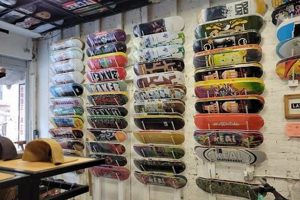
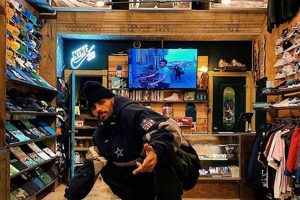
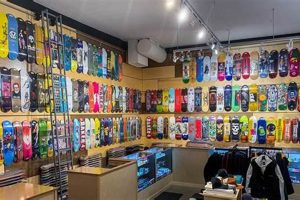
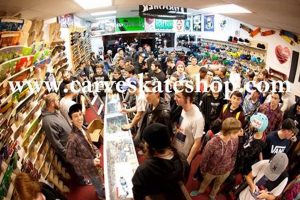
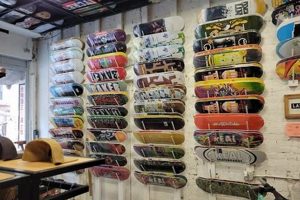
The establishment is a retail outlet specializing in equipment and apparel for skateboarding and related activities. It functions as a purveyor of skateboards, components (wheels, trucks, bearings), protective gear (helmets, pads), and clothing tailored to skateboarding culture.
Such a business plays a crucial role within the skateboarding community. It provides access to necessary equipment, facilitates participation in the sport, and often serves as a gathering point for enthusiasts. Historically, these shops have been instrumental in fostering local skate scenes and supporting emerging talent.
The following sections will delve into specific aspects of businesses like this, including product offerings, community engagement strategies, and the evolving landscape of the skateboarding retail market.
Skateboarding Equipment and Maintenance
The following recommendations provide valuable insights into selecting and maintaining skateboarding equipment, ensuring optimal performance and longevity.
Tip 1: Deck Selection: Consider the deck’s width and length based on individual foot size and riding style. Wider decks offer increased stability, while narrower decks are more responsive.
Tip 2: Truck Assessment: Evaluate truck height and width to match the deck dimensions. Properly sized trucks enhance board control and prevent wheel bite.
Tip 3: Wheel Optimization: Choose wheel durometer (hardness) based on the skating surface. Softer wheels provide better grip on rough surfaces, while harder wheels are faster on smooth surfaces.
Tip 4: Bearing Maintenance: Regularly clean and lubricate bearings to reduce friction and maintain speed. Contaminated bearings significantly impede performance.
Tip 5: Grip Tape Application: Ensure proper grip tape application for secure foot placement. Bubbles and wrinkles diminish grip and can lead to accidents.
Tip 6: Hardware Inspection: Regularly inspect and tighten all hardware (nuts and bolts) to prevent components from loosening during use. Loose hardware compromises stability and safety.
Tip 7: Protective Gear Importance: Always wear appropriate protective gear, including a helmet and pads, to minimize the risk of injury. Safety equipment is essential for responsible skateboarding.
Adhering to these guidelines contributes to a safer and more enjoyable skateboarding experience. Proper equipment selection and maintenance are fundamental to skill development and injury prevention.
The subsequent discussion will explore additional facets of skateboarding culture and community engagement.
1. Equipment Variety

The breadth of available equipment is a defining characteristic of a skateboarding retail establishment. The range directly impacts its appeal to a diverse customer base, from novice skaters to seasoned professionals.
- Deck Selection
The provision of skate decks in various sizes, shapes, and materials (e.g., maple, carbon fiber) is paramount. A comprehensive selection caters to different riding styles, including street skating, park skating, and cruising. The shop should offer decks suitable for individuals of varying heights and skill levels. Failure to provide adequate selection could lead to reduced sales and customer dissatisfaction.
- Truck Options
Skateboard trucks, which connect the wheels to the deck, are critical for board control and maneuverability. The business must stock trucks of different widths and heights to accommodate various deck sizes and riding preferences. Truck brands with varying levels of durability and turning responsiveness should be available to meet diverse customer needs. Limited options can deter experienced skaters seeking specific performance characteristics.
- Wheel Assortment
Skateboard wheels differ in diameter, durometer (hardness), and contact surface. The operation must offer a wheel selection appropriate for different skating surfaces (e.g., smooth concrete, rough asphalt) and riding styles. Softer wheels provide better grip and shock absorption, while harder wheels offer increased speed and durability. An insufficient assortment could discourage skaters who require specialized wheels for particular terrains or tricks.
- Bearing Grades
Bearings, which allow wheels to rotate freely, are crucial for skateboard speed and efficiency. A retailer should provide bearings of varying ABEC ratings (a measure of precision) and materials (e.g., steel, ceramic). Higher-rated bearings offer smoother and faster performance, while ceramic bearings are more durable and resistant to heat. Neglecting to stock a range of bearing options limits the ability of skaters to optimize their board’s performance.
The correlation between comprehensive equipment variety and the business’s success is undeniable. A well-stocked shop attracts a broader customer base, caters to diverse skill levels, and fosters a reputation for quality and expertise within the skateboarding community.
2. Expert Advice

The provision of knowledgeable guidance is an indispensable element of a skateboarding retail environment. The availability of informed assistance significantly influences customer satisfaction, purchasing decisions, and the overall perception of the business.
- Product Suitability Assessment
Expert personnel can assess individual skater needs and recommend appropriate equipment. This involves evaluating skill level, intended riding style, and physical characteristics to ensure optimal product selection. For instance, a beginner might benefit from a softer wheel durometer for increased stability, while an experienced skater could require higher-performance trucks for advanced maneuvers. The ability to discern these nuances is critical for fostering customer trust and preventing ill-suited purchases.
- Technical Troubleshooting
Skateboarding equipment is subject to wear and tear and may require occasional repairs or adjustments. Qualified staff can diagnose technical issues, provide solutions, and perform minor maintenance tasks. This might involve replacing bearings, tightening hardware, or repairing grip tape. The availability of on-site troubleshooting enhances customer convenience and extends the lifespan of equipment.
- Safety Guidance
Promoting safe skateboarding practices is a crucial aspect of responsible retailing. Expert staff can provide guidance on the proper use of protective gear, the importance of helmet fit, and the avoidance of hazardous riding conditions. Emphasizing safety not only protects customers from potential injuries but also reinforces the business’s commitment to responsible skateboarding.
- Trick and Technique Recommendations
Experienced staff can offer advice on skateboarding tricks and techniques, providing valuable insights for skaters seeking to improve their skills. This might involve demonstrating proper foot placement, explaining the mechanics of specific maneuvers, or recommending resources for further learning. Such guidance fosters a sense of community and encourages customer loyalty.
The synergistic relationship between expert advice and a retail operation is undeniable. Knowledgeable guidance empowers customers, builds trust, and contributes to a positive shopping experience, ultimately solidifying the business’s position within the skateboarding community.
3. Community Hub

A skateboarding retail establishment often functions as a nexus for local skateboarding culture. This role extends beyond mere commerce, fostering a sense of belonging and shared identity among participants.
- Local Event Sponsorship
Active involvement in sponsoring local skateboarding events is a defining characteristic of a community-oriented shop. This may include providing financial support, donating prizes, or offering logistical assistance. Such sponsorships enhance the visibility of the establishment and demonstrate a commitment to the growth and promotion of local talent. The establishment might sponsor a local skate competition in the neighborhood.
- Hosting Skate Sessions and Workshops
Organizing skate sessions and workshops within or adjacent to the retail space cultivates a sense of camaraderie among skaters. These events provide opportunities for individuals of varying skill levels to connect, learn from one another, and share their passion for skateboarding. The events create strong ties between the shop and its community, strengthening the customer base.
- Supporting Local Skaters
Providing support to local skaters, whether through product endorsements, sponsorship opportunities, or simply offering a platform for showcasing their skills, reinforces the shop’s connection to the community. This fosters a sense of mutual respect and encourages skaters to view the business as a valuable resource and advocate. The skate shop sells skaters t-shirt with their name on it to help the skaters.
- Providing a Gathering Place
A retail store sometimes serves as an informal gathering point for skaters. The physical space allows for interactions, discussions and planning skateboarding activity. A local skate shop serves as the natural meeting place before going to skate park.
These community-focused initiatives collectively contribute to the value of the business. The store becomes an essential component of local skateboarding culture, strengthening customer loyalty and promoting the sport’s growth and accessibility.
4. Brand Selection

Brand selection within a skateboarding retail environment directly influences customer perception and sales. A curated assortment of brands, ranging from established industry leaders to emerging independent labels, dictates the store’s appeal to a diverse customer base. The availability of specific brands often serves as a primary determinant for skaters when choosing where to purchase equipment. For instance, a shop that carries popular brands known for high-performance trucks or durable decks will attract skaters seeking quality and reliability.
The absence of certain brands or a disproportionate representation of lower-quality, less-reputable options can negatively impact the business’s reputation. Skaters often associate brand selection with the store’s overall commitment to the sport and its understanding of customer needs. A store perceived as prioritizing profit over quality or failing to stay current with industry trends risks alienating its core customer base. Conversely, a strategic selection of brands can cultivate a loyal following and establish the shop as a trusted source for skateboarding equipment and apparel.
In conclusion, the judicious selection of brands is a critical factor in shaping the success and credibility of a skateboarding retail operation. It is crucial to take into account both quality considerations and a commitment to community in brand selection to increase revenue. The ability to procure a mix of reputable manufacturers determines its competitiveness and reputation within the local skateboarding market.
5. Maintenance Services
The provision of maintenance services is integral to the function of a skateboarding retail establishment. These services extend the lifespan and enhance the performance of skateboarding equipment, fostering customer loyalty and reinforcing the shop’s commitment to the skateboarding community.
- Bearing Maintenance and Replacement
Bearings are critical components that directly impact a skateboard’s speed and smoothness. Over time, bearings accumulate dirt and debris, leading to decreased performance. A shop that offers bearing cleaning, lubrication, and replacement services addresses this issue, allowing skaters to maintain optimal speed and efficiency. The sale of premium bearing cleaning kits and high-performance replacement bearings represents a revenue stream while benefiting the customer.
- Grip Tape Application and Replacement
Grip tape provides the necessary friction for a skater’s feet to adhere to the board, enabling control and execution of tricks. Worn or damaged grip tape compromises safety and performance. The service of applying new grip tape, ensuring a bubble-free and properly aligned surface, is a valuable offering. Custom grip tape designs and professional application enhance the customer’s board aesthetically and functionally.
- Hardware Inspection and Replacement
Skateboard hardware, including nuts, bolts, and washers, secures the various components of the board. Loose or damaged hardware poses a safety risk and diminishes board performance. A maintenance service that includes inspecting hardware, tightening loose components, and replacing worn or broken parts ensures the board remains structurally sound. Selling complete hardware sets or individual replacement pieces generates additional revenue.
- Truck Adjustment and Repair
Skateboard trucks are subject to wear and tear from repeated impacts and grinds. Over time, bushings may deteriorate, kingpins may bend, and pivot cups may crack. Offering truck adjustment services, such as tightening kingpins or replacing bushings, restores proper turning and stability. Providing truck repair services, such as replacing bent kingpins or worn pivot cups, extends the life of the trucks and saves customers the cost of replacement. The shop should be offering a service to enhance skater performance
Maintenance services represent a tangible demonstration of a skateboarding retail store’s commitment to its customers and the sport. By providing these services, the business establishes itself as a trusted resource, fostering long-term relationships and contributing to the overall health and vitality of the skateboarding community.
6. Custom Builds
The option for custom builds represents a significant offering within a skateboarding retail establishment. It directly addresses the individualized needs and preferences of skaters, surpassing the limitations of pre-assembled boards. The availability of custom builds attracts customers seeking specific performance characteristics, aesthetic preferences, or unique board configurations. A skater may desire a deck of a particular width and length, combined with specific trucks and wheels tailored to their riding style. The businesss ability to fulfill such requests enhances customer satisfaction and cultivates loyalty.
For example, a street skater may opt for a narrower deck and harder wheels for enhanced maneuverability and responsiveness, while a park skater might choose a wider deck and softer wheels for increased stability and grip. The process of selecting individual components and assembling a board to precise specifications empowers skaters to optimize their equipment for their specific needs. Furthermore, custom builds allow for aesthetic customization, enabling skaters to express their personal style through deck graphics, grip tape designs, and component color choices. In short, these builds are the perfect choice for most skaters.
The custom build offering reinforces the business’s position as a knowledgeable and service-oriented provider within the skateboarding community. By providing expert advice and guidance throughout the selection and assembly process, the shop builds trust and establishes itself as a valuable resource for skaters of all skill levels. Businesses without a custom-build option may alienate these customers and experience a loss of revenue.
7. Apparel Options

Apparel options within a skateboarding retail establishment extend beyond mere clothing sales. The selection serves as a visual representation of skateboarding culture and provides functional garments tailored to the demands of the sport. The curated collection of apparel complements the core equipment offerings and contributes to the overall identity of the business. The store is not just selling equipment, but selling also an image.
- Branded Merchandise
Apparel featuring the retailer’s logo or branding serves as a marketing tool and fosters a sense of community among customers. T-shirts, hoodies, and hats bearing the store’s name and design promote brand awareness and create a tangible connection between the business and its clientele. This merchandise also generates revenue and reinforces brand loyalty. The quality of the apparel and graphic design influences the perception of the business and its products.
- Skateboarding-Specific Apparel
Garments designed specifically for skateboarding offer enhanced durability, flexibility, and comfort. Reinforced knees on pants, moisture-wicking fabrics, and comfortable shoe styles are common features that cater to the physical demands of the sport. Such apparel improves performance and protects skaters from injuries. The store’s selection of skateboarding-specific apparel reflects its understanding of customer needs and its commitment to providing quality products. This apparel is also comfortable and has good moisture control.
- Collaborations and Limited Editions
Partnerships with skateboarding brands or artists to create exclusive apparel collections generate excitement and attract customers seeking unique items. Limited-edition releases create a sense of urgency and exclusivity, driving sales and enhancing the store’s reputation for curating desirable products. Collaborations provide opportunities to cross-promote brands and reach new audiences.
- Footwear Selection
Skateboarding footwear is a critical component of a skater’s equipment, providing board feel, impact protection, and durability. A retailer that offers a diverse selection of skateboarding shoes from reputable brands caters to the specific needs of skaters, from beginners to professionals. The availability of different shoe styles, materials, and technologies allows customers to optimize their performance and comfort. The footwear is also essential to skater safety. The type of sole also affects how they can perform in their skateboards.
In conclusion, apparel options serve as a crucial extension of the skateboarding retail experience. A well-curated selection of branded merchandise, skateboarding-specific garments, collaborations, and footwear not only generates revenue but also reinforces brand identity and strengthens connections with the skateboarding community. The store shows what the shop truly represents.
Frequently Asked Questions
The subsequent section addresses common inquiries concerning products, services, and operational policies.
Question 1: What is the recommended frequency for replacing skateboard bearings?
Bearing replacement frequency depends heavily on usage conditions. Bearings exposed to frequent moisture, dirt, or impact require more frequent replacement, potentially as often as every few weeks for heavy users. Under typical conditions, replacement every few months is advisable.
Question 2: How does one determine the appropriate skateboard deck size?
Deck size selection should consider both foot size and intended riding style. Individuals with larger feet generally benefit from wider decks (8.25″ or greater) for increased stability. Smaller individuals or those favoring technical street skating may prefer narrower decks (8.0″ or less) for enhanced maneuverability.
Question 3: What are the advantages of ceramic skateboard bearings compared to steel bearings?
Ceramic bearings offer several advantages over steel bearings, including reduced friction, increased durability, and improved resistance to heat. These characteristics contribute to faster speeds and a longer lifespan, particularly under demanding conditions. However, ceramic bearings typically carry a higher cost.
Question 4: What factors should be considered when selecting skateboard wheels?
Wheel selection involves consideration of durometer (hardness), diameter, and riding surface. Softer wheels (lower durometer) provide better grip on rough surfaces, while harder wheels (higher durometer) offer increased speed on smooth surfaces. Larger diameter wheels roll faster and more smoothly, while smaller diameter wheels accelerate more quickly.
Question 5: What protective gear is essential for safe skateboarding?
Essential protective gear includes a properly fitted helmet, knee pads, elbow pads, and wrist guards. These items mitigate the risk of injury in the event of a fall. Additional protective gear, such as mouthguards or hip pads, may be warranted depending on individual risk tolerance and skating style.
Question 6: What is the process for requesting a custom skateboard build?
Custom skateboard builds typically involve consultation with store personnel to determine individual preferences regarding deck size, truck type, wheel durometer, and bearing selection. A build plan is then formulated, and the components are assembled to the customer’s specifications.
The answers provided above offer insights into product selection, maintenance, and safety considerations. Consultation with experienced staff is recommended for personalized guidance.
The following section explores emerging trends in skateboarding retail.
Conclusion
This exploration of retail establishments specializing in skateboarding equipment has illuminated key aspects of their operations. It has highlighted the importance of equipment variety, expert advice, community engagement, brand selection, maintenance services, custom builds, and apparel options. These factors collectively contribute to the success and relevance of such businesses within the skateboarding landscape.
The ability of businesses in this sector to adapt to evolving customer needs and preferences will be crucial for sustained growth. Continuous assessment of market trends, cultivation of community relationships, and unwavering commitment to quality will define the future of skateboarding retail.