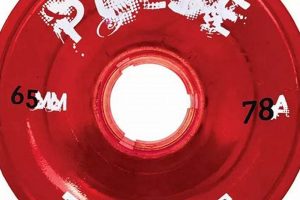
Illuminated wheels designed for roller skates enhance visibility and add an aesthetic element to the skating experience. These components typically incorporate LED lights powered by the rotation of the wheel itself, eliminating the need for batteries in many designs. As the skater moves, the wheels emit light, creating a visual display.
The use of these light-emitting components significantly improves safety, particularly during low-light conditions, making skaters more visible to pedestrians and vehicles. Beyond safety, they contribute to the enjoyment of the activity by providing a visually appealing effect. Historically, advancements in materials science and miniaturized electronics have enabled the production of durable and energy-efficient lighted wheels, expanding their popularity and availability.
The following sections will delve into the various types of lighted roller skate wheels, the technologies behind their illumination, factors to consider when selecting them, and their overall impact on the roller skating community. These aspects will offer a more complete understanding of these accessories.
Illuminated Roller Skate Wheel Selection & Maintenance
The following guidelines are provided to assist in the selection and maintenance of illuminated roller skate wheels, ensuring optimal performance and longevity.
Tip 1: Assess Skating Environment: Evaluate the typical skating environment for potential hazards. If skating primarily occurs in low-light conditions, prioritize wheels with high-intensity LEDs for enhanced visibility.
Tip 2: Consider Wheel Hardness: Wheel hardness, measured on the durometer scale, impacts grip and speed. Softer wheels (lower durometer) provide more grip, suitable for slick surfaces, while harder wheels (higher durometer) offer faster speeds but less grip.
Tip 3: Match Wheel Size to Skate Type: Ensure the wheel size is compatible with the roller skate design. Using incompatible wheel sizes can compromise performance and safety.
Tip 4: Inspect Light Source Integrity: Regularly inspect the LEDs or other light sources for damage or malfunction. Replace wheels with faulty illumination to maintain visibility.
Tip 5: Clean Wheels Regularly: Clean the wheels with a non-abrasive cleaner to remove dirt and debris that can impede performance and light emission. Avoid using harsh chemicals that could damage the wheel material or lighting components.
Tip 6: Rotate Wheels Periodically: Rotating the wheels periodically helps ensure even wear, which extends their lifespan and maintains consistent performance. Follow a standard rotation pattern to distribute wear.
Tip 7: Check Bearing Condition: Ensure bearings are clean, lubricated, and functioning smoothly. Damaged or dirty bearings can negatively impact wheel rotation and the effectiveness of the self-powered lighting mechanisms.
Adhering to these guidelines will contribute to a safer and more enjoyable skating experience, maximizing the benefits of illuminated roller skate wheels.
The subsequent section will present a comparative analysis of available models, providing insight into their specific features and performance characteristics.
1. Visibility Enhancement
Visibility enhancement is a primary benefit derived from the integration of illumination technology within roller skate wheels. This feature directly addresses safety concerns by increasing the conspicuousness of skaters, particularly during periods of reduced ambient light. The implementation of lighted wheels transforms skaters from relatively indistinct figures into readily observable participants in shared spaces.
- Increased Conspicuousness in Low-Light Conditions
Lighted roller skate wheels directly increase the visual profile of the skater in environments with diminished ambient lighting. This is particularly crucial during dusk, dawn, or nighttime skating sessions when visibility is naturally compromised. The emitted light serves as an active signal, differentiating the skater from the surrounding environment and capturing the attention of other individuals and vehicle operators.
- Enhanced Safety in Urban Environments
Urban environments often present a complex mix of pedestrian traffic, vehicular movement, and varying lighting conditions. Lighted wheels enhance skater safety by making them more visible to motorists, cyclists, and pedestrians. This is particularly important at intersections or in areas with limited visibility, where the potential for collisions is heightened.
- Visual Communication of Movement
Beyond simple detection, lighted wheels provide a dynamic visual cue indicating movement and direction. The spinning illumination pattern creates a distinct visual signature that helps observers assess the skater’s trajectory and speed. This is particularly beneficial in preventing accidents by providing other parties with more information about the skater’s actions.
- Contribution to Regulatory Compliance
In certain jurisdictions, regulations may mandate or recommend the use of reflective or illuminating devices during low-light recreational activities. Lighted roller skate wheels can contribute to compliance with such regulations, promoting responsible skating practices and reducing potential liability concerns. Their inherent illumination serves as a built-in safety feature, aligning with broader efforts to enhance visibility in shared public spaces.
The integration of lighted wheels demonstrably improves visibility, directly enhancing skater safety across diverse environmental conditions. This enhancement stems from increased conspicuousness, improved communication of movement, and contributions to regulatory compliance, collectively transforming roller skating into a safer and more visible activity.
2. LED Integration
LED integration is the core technological driver behind the functionality of illuminated roller skate wheels. The strategic incorporation of light-emitting diodes (LEDs) into the wheel structure directly causes the visual illumination that defines these products. Without LED integration, the wheels would lack the distinguishing characteristic of emitting light, rendering them conventional roller skate wheels.
The selection and arrangement of LEDs significantly impact the performance and visual appeal of lighted roller skate wheels. Factors such as LED brightness, color, and lifespan are paramount. Moreover, the manner in which the LEDs are poweredtypically through a self-generating mechanism using magnetic inductionaffects reliability and maintenance requirements. For example, a design utilizing high-efficiency LEDs combined with robust encapsulation methods ensures longevity and consistent light output, even under demanding skating conditions. The absence of durable LED and power delivery methods leads to premature failure, diminishing both safety and aesthetic value.
The successful integration of LEDs presents design challenges related to space constraints, impact resistance, and efficient energy transfer. These challenges are met through innovative engineering and material selection, ultimately determining the effectiveness and longevity of lighted roller skate wheels. The effective application of LED integration is essential for these wheels’ performance and their acceptance within the skating community.
3. Self-Powered Mechanism

The self-powered mechanism is integral to the operation of lighted roller skate wheels, representing a crucial element that allows for autonomous illumination without external power sources. This mechanism typically relies on electromagnetic induction, whereby the rotation of the wheel generates electrical energy to power the embedded LEDs. A magnetic field, created by magnets affixed within the wheel, interacts with a conductive coil, inducing an electrical current. This current, in turn, illuminates the LEDs, producing the visual effect associated with lighted wheels. The absence of a functional self-powered mechanism renders the wheels incapable of producing light autonomously, necessitating external power sources or rendering them inoperable in terms of their intended illumination function. The practical effect is that without this mechanism, the wheels would simply be standard, non-lighted roller skate wheels.
The efficiency of the self-powered mechanism directly impacts the brightness and consistency of the light emitted. Factors such as magnet strength, coil design, and bearing quality influence the amount of electrical energy generated and, consequently, the luminosity of the LEDs. Inefficient designs result in dim or inconsistent lighting, diminishing the visual appeal and safety benefits. Conversely, well-engineered mechanisms provide bright, reliable illumination, enhancing visibility and user satisfaction. As an example, high-quality lighted roller skate wheels often incorporate neodymium magnets and precision-wound coils to maximize energy generation and ensure consistent performance across a range of skating speeds.
In summary, the self-powered mechanism is not merely a component of lighted roller skate wheels but the fundamental enabler of their core functionality. Its design and efficiency determine the reliability and brightness of the illumination, directly influencing both the safety and aesthetic appeal of the product. Challenges in this area often involve balancing energy generation with durability and minimizing friction to ensure smooth wheel rotation, thus highlighting the intricate engineering involved in creating effective self-powered lighting systems for roller skates.
4. Durability Factors

Durability factors are critical determinants of the overall lifespan and performance of lighted roller skate wheels. The integration of lighting components introduces vulnerabilities not present in conventional wheels, requiring careful consideration of material selection, construction techniques, and operational stress. The wheel material itself, typically polyurethane, must withstand abrasion from surfaces, impact forces, and temperature variations, all while accommodating embedded LEDs and associated circuitry. Compromises in material quality or manufacturing processes directly result in premature wheel failure, rendering the lighting feature inoperable and potentially compromising skater safety. For instance, substandard polyurethane compounds are prone to cracking or delamination under stress, leading to light assembly damage and diminished wheel integrity. Therefore, durable materials form the foundation for reliable lighted wheels.
The design and protection of the embedded lighting components represent another crucial durability factor. LEDs and their connecting wires are susceptible to damage from impact and vibration encountered during skating. Encapsulation techniques, such as potting the LEDs in resin or utilizing shock-absorbing materials, provide a buffer against these stresses. Moreover, the power generation mechanism, often relying on magnets and coils, must be robust enough to withstand continuous rotation and varying environmental conditions. Insufficient protection leads to LED failure, intermittent lighting, or complete loss of illumination. For example, wheels used in aggressive skating disciplines, involving jumps and grinds, demand significantly more robust LED protection and power generation mechanisms than those intended for recreational use on smooth surfaces.
In summary, the durability of lighted roller skate wheels is intrinsically linked to the quality of materials, the protective measures applied to lighting components, and the robustness of the power generation system. Neglecting these factors leads to reduced product lifespan, compromised safety, and diminished user satisfaction. Understanding and prioritizing durability is, therefore, essential for both manufacturers and consumers seeking reliable and long-lasting lighted roller skate wheels.
5. Wheel Hardness

Wheel hardness, a critical specification of roller skate wheels, significantly influences the performance characteristics of lighted roller skate wheels. Measured on the durometer scale, hardness affects grip, speed, and durability, impacting the overall skating experience. Understanding this relationship is essential for selecting appropriate wheels for specific skating environments and styles.
- Grip and Surface Adhesion
Softer wheels (lower durometer values) offer enhanced grip, particularly on slick or uneven surfaces. This increased grip is achieved through greater deformation of the wheel material, increasing the contact area with the ground. In the context of lighted roller skate wheels, softer wheels may provide better control and stability, particularly when skating in dimly lit conditions where surface irregularities may be less visible. Conversely, harder wheels (higher durometer values) offer less grip and are more suited for smooth surfaces where speed is prioritized.
- Speed and Rolling Resistance
Harder wheels exhibit lower rolling resistance, enabling higher speeds on smooth surfaces. The reduced deformation of the wheel material minimizes energy loss due to friction. However, on rougher surfaces, harder wheels may transmit more vibrations and offer less comfortable rides. Lighted roller skate wheels with higher durometer values are often preferred by skaters seeking maximum speed on smooth, well-lit surfaces.
- Durability and Wear Resistance
Harder wheels typically exhibit greater wear resistance, prolonging their lifespan, especially under demanding conditions. The increased rigidity of the material reduces the rate of abrasion and deformation. However, extremely hard wheels may become brittle and prone to cracking under impact. Lighted roller skate wheels designed for aggressive skating or outdoor use often benefit from higher durometer values to withstand greater stress and abrasion.
- Impact on Illumination System
The hardness of the wheel material can indirectly affect the integrity of the embedded lighting system. Softer wheels, while offering greater grip, may experience more deformation during use, potentially stressing the internal wiring or LED components. Conversely, harder wheels may transmit more vibrations, which can also lead to component fatigue over time. The optimal wheel hardness for lighted roller skate wheels balances performance characteristics with the long-term reliability of the illumination system.
The selection of appropriate wheel hardness for lighted roller skate wheels requires a careful consideration of the intended skating environment, skating style, and desired performance characteristics. Balancing grip, speed, durability, and the long-term integrity of the lighting system ensures an optimal and safe skating experience.
6. Bearing Performance
Bearing performance directly influences the functionality and efficiency of lighted roller skate wheels. The rotational dynamics of the wheel, powered by the skater’s motion, are mediated by the bearings. Reduced friction within the bearing assembly translates to smoother wheel rotation, which is particularly critical for self-powered lighted wheels. The electricity generated to illuminate the LEDs relies on the consistent and unimpeded spinning of the wheel. Inferior bearing performance results in decreased rotational efficiency, leading to dimmer or intermittent illumination and, potentially, premature wear on the lighting system’s components. For instance, a seized bearing prevents wheel rotation entirely, rendering the lighting system non-operational. Therefore, high-quality bearings are essential for realizing the full potential of lighted roller skate wheels.
Consider a scenario involving two sets of lighted roller skate wheels: one equipped with ABEC 9 rated bearings and another with unrated, low-quality bearings. The wheels with ABEC 9 bearings exhibit smoother, more prolonged rotation, leading to brighter and more consistent illumination of the LEDs. In contrast, the wheels with inferior bearings experience greater friction, resulting in diminished light output and increased energy expenditure by the skater. Furthermore, the increased friction generates heat, potentially damaging the LEDs and shortening the lifespan of the bearings themselves. This demonstrates the practical consequence of bearing quality on the overall performance and longevity of lighted roller skate wheels.
In conclusion, bearing performance is not merely a peripheral consideration but an integral factor determining the operational effectiveness of lighted roller skate wheels. Optimizing bearing quality ensures smooth, efficient rotation, maximizing light output, and prolonging the lifespan of both the bearings and the lighting components. Ignoring bearing performance compromises the intended functionality and reduces the overall value of the lighted roller skate wheel system. Challenges in this domain often involve balancing bearing performance with cost considerations, but prioritizing quality bearings is a worthwhile investment in long-term performance and safety.
7. Aesthetic Appeal
Aesthetic appeal constitutes a significant factor driving the adoption and perceived value of lighted roller skate wheels. Beyond functional enhancements such as visibility, the visual presentation contributes substantially to the user experience. The incorporation of illumination transforms a functional item into a visually engaging accessory, affecting both individual expression and group dynamics within skating communities. The cause and effect are direct: visually pleasing designs augment desirability, influencing purchasing decisions and enhancing the subjective enjoyment of the activity. The absence of aesthetic consideration relegates the product to a purely utilitarian category, diminishing its market appeal.
The specific manifestations of aesthetic appeal vary widely, encompassing color schemes, lighting patterns, and the overall integration of LEDs within the wheel structure. For instance, wheels featuring multi-colored LEDs with programmable patterns create a dynamic visual display, enhancing personalization and allowing skaters to express their individual style. In contrast, wheels employing a single, understated color emphasize a more subtle aesthetic. The choice of wheel design can reflect participation in specific skating subcultures, ranging from aggressive skating to synchronized roller dance. These choices highlight the capacity of illuminated wheels to function as a visual marker of identity and affiliation. Moreover, high-quality construction and a polished finish contribute significantly to the perceived value and aesthetic appeal, reinforcing the impression of a premium product.
Ultimately, the aesthetic appeal of lighted roller skate wheels plays a critical role in their market positioning and consumer acceptance. Manufacturers must balance functional requirements, such as durability and visibility, with visual design elements to create products that resonate with target audiences. Recognizing the impact of aesthetic preferences enables manufacturers to diversify offerings, catering to a wider range of skating styles and visual sensibilities. The continued integration of advanced lighting technologies and innovative design approaches promises further enhancements to the aesthetic dimension, solidifying the position of lighted wheels within the broader recreational skating landscape.
Frequently Asked Questions
The following section addresses common inquiries regarding lighted roller skate wheels, providing factual information and clarifying potential misconceptions.
Question 1: What is the typical lifespan of LEDs within lighted roller skate wheels?
LED lifespan varies based on usage and manufacturing quality. Generally, LEDs are rated for tens of thousands of hours of operation. However, exposure to impact, vibration, and moisture can reduce this lifespan. Higher-quality wheels often incorporate more robust encapsulation methods to prolong LED functionality.
Question 2: Are lighted roller skate wheels legal for use on public roads?
Legality varies by jurisdiction. Some areas may have specific regulations regarding the use of illuminating devices on recreational equipment. It is incumbent upon the user to ascertain and comply with local regulations concerning the use of lighted wheels on public thoroughfares.
Question 3: Do lighted roller skate wheels require batteries?
Many lighted roller skate wheels utilize a self-powered mechanism based on electromagnetic induction. These designs do not require batteries, as the wheel’s rotation generates the electricity needed to power the LEDs. However, some models may incorporate batteries for added brightness or specific lighting effects.
Question 4: Can the LEDs in lighted roller skate wheels be replaced?
LED replacement is generally not feasible for most lighted roller skate wheels due to the integrated nature of their design. Attempting to replace LEDs may damage the wheel or compromise its structural integrity. In most cases, replacement of the entire wheel is the recommended course of action.
Question 5: Does wheel hardness affect the performance of the lighting system?
Indirectly, yes. Softer wheels, while providing greater grip, may experience more deformation during use, potentially stressing the internal wiring or LED components. Conversely, harder wheels may transmit more vibrations, which can also lead to component fatigue over time. Selecting appropriate wheel hardness is critical for maintaining both wheel performance and lighting system longevity.
Question 6: Are lighted roller skate wheels suitable for all types of skating?
Lighted roller skate wheels are generally suitable for recreational skating. However, aggressive skating styles involving jumps and grinds may subject the wheels to greater stress. Wheels designed for aggressive skating typically incorporate more robust construction and LED protection.
In summary, lighted roller skate wheels offer a unique blend of safety and aesthetics. Understanding their technical specifications, maintenance requirements, and regulatory considerations is essential for ensuring optimal performance and responsible use.
The subsequent section explores potential future trends in the design and technology of lighted roller skate wheels.
Conclusion
This exploration of lighted roller skate wheels has underscored their multifaceted nature, extending beyond mere aesthetic embellishments. The analysis has encompassed the technical aspects of LED integration and self-powered mechanisms, the safety implications of enhanced visibility, the impact of wheel hardness and bearing performance, and the significance of aesthetic appeal. These components collectively determine the functionality, durability, and overall value proposition of the product.
Continued advancements in materials science, LED technology, and power generation methods promise further refinements in lighted roller skate wheel design and performance. Ongoing research and development efforts should focus on maximizing energy efficiency, enhancing durability, and expanding the range of customizable lighting options, thereby contributing to a safer and more engaging recreational skating experience. It is incumbent upon manufacturers and consumers to prioritize quality, safety, and responsible usage to realize the full potential of lighted roller skate wheels as both a functional and visually appealing accessory.