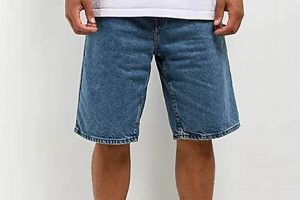
Loose-fitting trousers, frequently crafted from durable fabrics like denim or canvas, gained prominence within youth culture during the final decade of the 20th century. Characterized by a wide leg and often featuring reinforced stitching or oversized pockets, these garments were a staple among those participating in skateboarding and related subcultures. For example, brands such as JNCO and ZOO YORK were known for producing the style, which was defined by its exaggerated proportions and association with alternative music genres.
The popularity of this type of clothing stemmed from its practicality and aesthetic appeal. The voluminous cut allowed for ease of movement while performing tricks, and the robust materials provided protection against abrasions. Furthermore, the garment served as a visual marker of belonging within a specific social group, signaling an affinity for a lifestyle centered on skateboarding, music, and a rejection of mainstream fashion trends. The rise of skateboarding as a professional sport and its increasing visibility in media contributed to the widespread adoption of this clothing style beyond its original subcultural context.
Understanding the evolution of this particular style of trouser provides valuable context for examining broader trends in 1990s fashion, its influence on subsequent apparel designs, and its continuing relevance in contemporary street style. The following sections will delve deeper into specific aspects of the garment, its manufacturing, marketing, and cultural impact.
Guidance on Appreciating Vintage Loose-Fitting Trousers
This section offers insights for enthusiasts and collectors regarding the identification, preservation, and appropriate use of trousers popularized within skateboarding culture during the 1990s.
Tip 1: Authenticate Construction. Examine the stitching and fabric composition. Original garments frequently exhibit durable construction techniques, such as reinforced seams, and utilize heavy-weight materials like denim or canvas. Inconsistencies may indicate reproductions.
Tip 2: Analyze Brand-Specific Features. Research characteristic design elements of prominent manufacturers from the era, for example, JNCOs oversized pockets or ZOO YORK’s specific logo placements. Knowing these details will aid in confirming authenticity.
Tip 3: Assess Condition Carefully. While some wear and tear is expected in vintage items, significant damage such as extensive rips or irreparable stains can detract from the garment’s value and usability. Inspect thoroughly before acquisition.
Tip 4: Evaluate Size and Fit. Sizes from the 1990s may differ from contemporary standards. Consult measurement guides specific to the era or, if possible, try on the garment to ensure proper fit. The intended loose silhouette should be considered during assessment.
Tip 5: Preserve Properly. Store the garment in a cool, dry place, away from direct sunlight, to prevent fading or degradation of the fabric. Consider using acid-free tissue paper for added protection during storage.
Tip 6: Consider Intended Use. Decide whether the garment is intended for display, collection, or wear. Garments intended for regular wear may require specialized cleaning and maintenance to ensure longevity.
Tip 7: Research Historical Context. Understanding the cultural significance of the style during the 1990s enhances appreciation for its design and place in fashion history. Researching skateboarding culture and associated music genres will add depth to the understanding of this garment.
By considering the details of construction, brand hallmarks, condition, and historical relevance, informed decisions regarding the acquisition, preservation, and appreciation of this specific style of trousers can be made.
The subsequent part of this article explores the commercial influences on the design and distribution of this garment within the broader fashion market.
1. Oversized proportions

The prevalence of oversized proportions in trousers favored by skateboarders during the 1990s represents a significant departure from prevailing fashion norms of the time. This design choice was not merely aesthetic; it served functional and symbolic purposes within the skateboarding subculture.
- Enhanced Mobility
The generous cut of these trousers allowed for a greater range of motion, which was critical for executing skateboarding maneuvers. Constrictive clothing would have hindered performance; therefore, the loose fit was a practical necessity. The extra fabric facilitated bending, twisting, and jumping movements inherent in the sport.
- Protective Layer
The excess material provided an additional layer of protection against abrasions and impacts sustained during falls, a common occurrence in skateboarding. While not a substitute for dedicated protective gear, the thicker fabrics and looser fit offered a degree of cushioning against scrapes and bruises, especially when compared to more form-fitting styles.
- Visual Statement
Beyond functionality, the exaggerated proportions served as a visual marker of belonging within the skateboarding subculture. The style signaled an affiliation with a particular lifestyle and a rejection of mainstream fashion trends. The deliberate choice to wear clothing that defied conventional aesthetics was a form of self-expression and a statement of identity.
- Cultural Influence
The adoption of oversized proportions by skateboarders influenced broader fashion trends, demonstrating the power of subcultures to shape mainstream aesthetics. While the extreme silhouettes eventually moderated, the influence of skateboarding culture on relaxed fits and comfortable clothing remains evident in contemporary streetwear.
In conclusion, the oversized proportions of these trousers were integral to their functionality within the skateboarding context, offering enhanced mobility and a degree of protection. Furthermore, the style served as a powerful visual symbol of identity and rebellion, leaving a lasting mark on fashion and culture. Its legacy illustrates how a practical design choice rooted in a specific subculture can transcend its origins to influence broader aesthetic trends.
2. Durable fabrics

The selection of durable fabrics was a critical factor in the design and adoption of trousers favored by skateboarders in the 1990s. The demanding nature of the activity necessitated materials capable of withstanding significant abrasion and stress.
- Abrasion Resistance
Fabrics like denim and canvas were commonly employed due to their inherent resistance to abrasion. Skateboarding involves frequent contact with rough surfaces such as concrete and asphalt. Less robust materials would quickly wear through, rendering the garment unusable. The tight weave and sturdy construction of these fabrics provided a necessary level of protection against such wear.
- Tear Strength
Beyond abrasion resistance, tear strength was a crucial consideration. Falls and impacts could easily tear weaker fabrics, compromising the garment’s integrity and potentially exposing the wearer to injury. Durable fabrics possessed a higher resistance to tearing, providing a greater margin of safety during skateboarding activities. This characteristic extended the lifespan of the clothing, making it a more practical investment for skateboarders.
- Longevity and Cost-Effectiveness
The use of durable materials contributed to the overall longevity of the garment. Skateboarders, often operating on limited budgets, required clothing that could withstand repeated use and washing without significant degradation. While potentially more expensive upfront than garments made from less durable fabrics, the long-term cost-effectiveness of robust materials made them a more appealing choice for those engaged in skateboarding. This translated to less frequent replacement and reduced overall expenditure on clothing.
- Protection Against the Elements
Durable fabrics frequently offered a degree of protection against the elements, such as wind and light rain. While not explicitly designed as weatherproof garments, the denser weave of materials like denim provided a barrier against external conditions, enhancing the wearer’s comfort and extending the garment’s usability across various weather conditions. This added layer of protection contributed to the garment’s practicality and appeal within the skateboarding community.
The emphasis on durable fabrics within skateboarding apparel during the 1990s was not merely a matter of fashion; it was a practical response to the demands of the activity. The selection of materials offering abrasion resistance, tear strength, and longevity ensured that the garments could withstand the rigors of skateboarding while providing a degree of protection against the elements. This focus on functionality contributed to the garments’ widespread adoption within the skateboarding subculture and their lasting influence on subsequent apparel designs.
3. Reinforced stitching

Reinforced stitching played a crucial role in the durability and functionality of trousers favored by skateboarders during the 1990s. This construction technique involved strengthening seams and stress points with additional rows of stitching or the use of heavier-duty thread. The implementation of reinforced stitching directly addressed the wear and tear experienced during skateboarding activities, significantly extending the lifespan of the garment. Specifically, areas such as the crotch, pockets, and knee areas were frequently reinforced due to their susceptibility to abrasion and tearing. For instance, brands popular within the skateboarding community, such as JNCO and ZOO YORK, consistently incorporated reinforced stitching into their trouser designs to meet the demands of their target audience. This feature was not merely aesthetic; it was a functional necessity that contributed directly to the garment’s performance and value. The absence of reinforced stitching would result in premature failure of the garment, rendering it unsuitable for the rigors of skateboarding.
The practical significance of understanding reinforced stitching lies in its ability to inform purchasing decisions and garment maintenance. Knowing that a pair of trousers incorporates reinforced stitching provides assurance of increased durability. Consumers can visually inspect garments for evidence of this technique, such as multiple rows of stitching along seams or the use of thicker thread. Furthermore, awareness of reinforced stitching can guide proper care and repair. When damage occurs, understanding the location and type of reinforced stitching allows for targeted repairs that maintain the garment’s structural integrity. For example, if a seam with reinforced stitching begins to unravel, a skilled tailor can replicate the original stitching pattern, preserving the garment’s durability.
In summary, reinforced stitching was an indispensable feature of trousers designed for skateboarding during the 1990s. Its presence directly correlated with the garment’s ability to withstand the stresses of the sport, enhancing its longevity and value. Recognizing the importance of reinforced stitching empowers consumers to make informed decisions and properly maintain their clothing, thereby extending its lifespan and reducing the need for frequent replacements. The understanding of reinforced stitching connects directly to the practical needs of a demanding activity, solidifying its significance in the context of skateboarding apparel.
4. Skateboarding functionality

The design of trousers worn by skateboarders in the 1990s was inextricably linked to the functional requirements of the sport. The loose fit, durable materials, and reinforced stitching were not merely stylistic choices; they were direct responses to the physical demands placed upon clothing during skateboarding activities. For example, the wide leg openings facilitated unrestricted movement, essential for executing tricks and maintaining balance. The use of heavy-duty denim or canvas provided abrasion resistance against falls on concrete and asphalt, mitigating the risk of injury and prolonging the garment’s lifespan. Reinforced seams, particularly in areas prone to stress such as the crotch and knees, prevented tearing and ensured the trousers could withstand repeated use. Without these functional features, the trousers would have been impractical and unsuitable for skateboarding.
The prioritization of functionality influenced the manufacturing and marketing of these garments. Companies recognized the need for clothing that could withstand the rigors of skateboarding and actively promoted the durability and performance of their products. Advertisements frequently featured skateboarders wearing the trousers while performing tricks, visually demonstrating their functionality. Furthermore, the collaborative relationship between clothing manufacturers and professional skateboarders played a significant role in the design process. Skateboarders provided feedback on the fit, materials, and durability of the trousers, ensuring that they met the specific needs of the skateboarding community. This collaborative approach resulted in garments that were not only functional but also reflected the aesthetic preferences of skateboarders.
In conclusion, the “skateboarding functionality” component was paramount in the design and popularity of trousers among skateboarders in the 1990s. The integration of features like loose fit, durable materials, and reinforced stitching was a direct response to the demands of the sport. This emphasis on functionality influenced manufacturing practices, marketing strategies, and the overall aesthetic of skateboarding apparel. Understanding the importance of “skateboarding functionality” provides valuable insight into the cultural and practical significance of this style of trouser and its lasting impact on skateboarding culture. Challenges in preserving and authentically replicating this functionality in contemporary designs remain due to shifting fashion trends and material sourcing.
5. Subcultural identity
The prevalence of specific trouser styles within the skateboarding community during the 1990s served as a potent visual marker of subcultural identity, distinguishing members from mainstream society and signifying adherence to a particular set of values and aesthetics.
- Visual Differentiation
Oversized, durable trousers acted as a uniform, immediately identifying individuals as part of the skateboarding subculture. The deliberate departure from conventional fashion trends signaled a rejection of mainstream values and an embrace of alternative styles. This visual distinction fostered a sense of belonging and solidarity among members.
- Symbolic Rebellion
The choice of clothing represented a form of rebellion against established norms and expectations. The baggy, often distressed, appearance of the trousers contrasted sharply with the more polished and conforming styles prevalent in mainstream culture. This act of defiance was a visible expression of independence and non-conformity.
- Affiliation with Music and Art
Skateboarding culture was closely intertwined with specific genres of music, such as punk rock and hip-hop, and forms of visual art. The trousers became associated with these creative expressions, further solidifying their symbolic value. Wearing this style indicated an affinity for these artistic movements and the values they represented.
- Collective Identity Formation
The shared adoption of specific trouser styles contributed to the formation of a collective identity within the skateboarding community. The garments served as a unifying symbol, reinforcing a sense of shared experiences, values, and aspirations. This collective identity provided a framework for social interaction and mutual support.
The connection between specific trouser designs and subcultural identity extended beyond mere aesthetics. The garments became imbued with symbolic meaning, representing a shared history, set of values, and collective aspirations. The continued recognition and appropriation of these styles demonstrate the enduring power of clothing to communicate identity and belonging.
6. Alternative music associations
The prevalence of particular trouser styles among skateboarders in the 1990s was closely interwoven with the alternative music scene, creating a symbiotic relationship where each reinforced the other’s identity. Genres such as punk rock, grunge, and early hip-hop provided a sonic backdrop for skateboarding culture, and the attire associated with these musical movements, including loose-fitting trousers, became a visual representation of adherence to this broader countercultural ethos. For example, bands like Blink-182, a defining pop-punk act of the era, frequently sported the style, thereby amplifying its association with alternative music. Similarly, the Beastie Boys, known for their genre-bending hip-hop, contributed to the popularization of similar styles, further cementing the link between the clothing and the music. The choice to wear such garments was not merely a fashion statement; it was an assertion of belonging to a community that valued nonconformity and challenged mainstream norms. The causal relationship is evident: the popularity of these musical genres directly influenced the adoption of specific clothing styles by skateboarders, who sought to express their affinity for the music and the values it represented.
The importance of alternative music associations as a component of this style lies in its role as a cultural amplifier. The music provided a soundtrack to the skateboarding lifestyle, and the clothing served as a visual identifier, allowing individuals to recognize and connect with like-minded individuals. The practical significance of this understanding lies in its ability to inform our understanding of cultural movements and the ways in which clothing can function as a form of nonverbal communication. The interrelationship between music and fashion underscores the power of subcultures to shape mainstream trends, as elements originally associated with marginalized groups are often adopted and adapted by the broader culture. The alternative music scene provided a platform for the style to gain traction and spread, solidifying its place as a defining element of 1990s youth culture.
In summary, the association between alternative music and specific trouser styles within the skateboarding community of the 1990s represents a powerful example of how clothing can function as a symbol of subcultural identity. The music provided the ideological foundation, and the clothing served as the visual expression, creating a cohesive and recognizable aesthetic. The challenge in replicating this dynamic in contemporary contexts lies in the ever-shifting nature of cultural trends and the fragmentation of subcultures in the digital age. However, the underlying principle remains: clothing continues to serve as a powerful means of expressing identity and affiliation, and the relationship between music and fashion continues to shape cultural landscapes.
7. Youth rebellion
Trousers popularized by skateboarders in the 1990s became a tangible symbol of youth rebellion, representing a rejection of established norms and a deliberate embrace of countercultural aesthetics. The oversized proportions, durable fabrics, and generally unkempt appearance of these garments stood in stark contrast to the prevailing fashion trends, reflecting a desire among young people to differentiate themselves from the perceived conformity of adult society. The act of wearing such clothing was a visual statement of defiance, signaling a refusal to adhere to conventional standards of dress and behavior. For instance, the deliberate wearing of torn or distressed trousers was not merely a matter of practicality but a conscious choice to reject notions of pristine presentation and bourgeois values.
The importance of youth rebellion as a component of this particular style lies in its ability to imbue the clothing with deeper cultural significance. These trousers were not simply functional garments; they were carriers of meaning, expressing a set of values centered on individuality, independence, and nonconformity. The practical significance of this understanding stems from its ability to inform interpretations of fashion history and cultural trends. Recognizing the rebellious undertones of this style allows for a more nuanced understanding of its appeal and its lasting impact on subsequent fashion movements. Furthermore, it sheds light on the power of clothing to communicate social and political messages, even in the absence of explicit verbal communication.
In summary, the connection between youth rebellion and this trouser style is undeniable, highlighting the garment’s role as a symbol of resistance and nonconformity. The challenge lies in preserving and authentically representing this rebellious spirit in contemporary interpretations of the style, ensuring that the original intent is not lost in the process of commercialization or mainstream adoption. The connection acts as a reminder that clothing can be a powerful tool for expressing dissent and challenging established norms, thereby playing a significant role in shaping cultural landscapes.
Frequently Asked Questions
This section addresses common inquiries regarding the identifying characteristics, historical context, and potential value of trousers associated with the skateboarding subculture of the 1990s. Clarity on these aspects is essential for both enthusiasts and those seeking to understand the cultural significance of this garment style.
Question 1: What distinguishes genuine examples from reproductions?
Authenticity is determined by examining construction details, fabric composition, and brand-specific features. Original garments typically exhibit robust stitching, utilize durable materials like heavy-weight denim or canvas, and display logos or design elements characteristic of established manufacturers from that era, such as JNCO or ZOO YORK. Discrepancies in these areas may indicate a reproduction.
Question 2: How does condition impact value?
Condition significantly influences both the usability and collectible value. While minor wear and tear may be acceptable, substantial damage such as extensive tears, irreversible stains, or compromised structural integrity can substantially diminish the garment’s worth. Garments in excellent condition, particularly those retaining original tags or packaging, command higher prices among collectors.
Question 3: Are these trousers exclusively associated with skateboarding?
While intrinsically linked to skateboarding culture, these trousers also permeated related subcultures, including alternative music scenes (punk, grunge, early hip-hop) and youth movements emphasizing nonconformity. The style transcended skateboarding to become a broader symbol of countercultural identity, making an appreciation of broader youth culture in the nineties important.
Question 4: What are the key functional features that made the design popular for skateboarding?
Key design elements contributed to functionality, namely the loose fit, durable fabrics, and reinforced stitching. The loose fit allowed for unrestricted movement, essential for performing tricks; durable materials provided resistance to abrasion from falls; and reinforced stitching prevented premature tearing in high-stress areas.
Question 5: How do sizing conventions from the 1990s compare to contemporary sizing?
Sizing standards have evolved. A size labeled “large” in the 1990s may not correspond to a modern “large.” Consulting vintage sizing charts or, ideally, trying on the garment is recommended to ensure a proper fit. Consider that the intended silhouette was intentionally oversized.
Question 6: What constitutes appropriate care for vintage examples?
Proper preservation techniques are critical for extending the life of vintage garments. Storage in a cool, dry environment, away from direct sunlight, is essential. Acid-free tissue paper can be used to protect delicate fabrics during storage. Specialized cleaning methods may be required to address stains or odors without causing damage. Avoid harsh chemicals or excessive heat during laundering.
Understanding these nuances aids in appreciating the legacy, value, and proper care of this particular style.
The subsequent section provides further insights into related styles that evolved from or were contemporaneous with this trouser trend.
Conclusion
The preceding exploration of “skater pants from the 90s” has illuminated their multifaceted role within skateboarding culture and broader fashion trends. These garments represent more than mere apparel; they embody a confluence of functionality, subcultural identity, and rebellious self-expression. Their design, characterized by oversized proportions, durable materials, and reinforced stitching, directly addresses the physical demands of skateboarding while simultaneously signaling an affiliation with alternative music and a rejection of mainstream norms.
The enduring legacy of “skater pants from the 90s” lies in their ability to capture a specific moment in cultural history, reflecting the values and aspirations of a generation. Further research should investigate the socio-economic factors that contributed to their widespread adoption and their influence on subsequent apparel designs. Understanding the historical context and design principles behind this iconic garment can inform contemporary fashion trends and provide valuable insights into the complex relationship between clothing, identity, and subculture.