Achieving high velocity on inline skates necessitates a combination of factors. These include the skater’s technique, the equipment employed, and the environmental conditions. For example, a skater using a streamlined posture on a smooth, downhill surface will attain greater speeds than a novice skater on a rough, uphill grade.
The ability to move rapidly on inline skates offers several advantages. It allows for efficient transportation, enhanced cardiovascular fitness, and the potential for competitive racing. Historically, the pursuit of increased speed has driven innovations in skate design and materials, leading to advancements in bearing technology, wheel composition, and frame construction.
The following sections will delve into specific aspects that influence velocity, from the biomechanics of skating to the impact of equipment selection and training methodologies. Understanding these elements is crucial for optimizing performance and safely achieving desired speeds.
Enhancing Velocity on Inline Skates
Optimizing inline skate performance demands attention to technique, equipment, and physical conditioning. The following tips offer guidance for maximizing speed and efficiency.
Tip 1: Master Proper Stride Technique: A long, powerful stride that fully extends the leg provides maximum propulsion. Focus on pushing off from the entire length of the blade, maximizing energy transfer with each stroke. Observe experienced skaters to analyze and emulate efficient movement patterns.
Tip 2: Optimize Body Posture: Maintain a low, aerodynamic profile by bending at the knees and hips. This reduces wind resistance and improves stability, enabling higher speeds with less effort. Avoid upright postures, which create unnecessary drag.
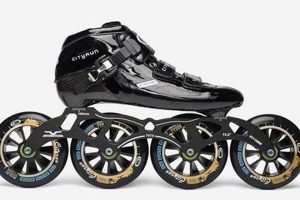
Tip 3: Upgrade Wheel Quality: High-rebound polyurethane wheels with a durometer rating appropriate for the skating surface enhance rolling efficiency. Softer wheels provide better grip on rough surfaces, while harder wheels offer faster speeds on smooth surfaces. Regularly inspect wheels for wear and replace them as needed.
Tip 4: Ensure Bearing Maintenance: Clean and lubricate bearings regularly to minimize friction and maximize rolling speed. Use a bearing cleaner and appropriate lubricant designed for inline skate bearings. Worn or damaged bearings should be replaced immediately.
Tip 5: Strengthen Core Muscles: A strong core provides stability and power transfer during skating. Incorporate exercises such as planks, Russian twists, and leg raises into a regular training routine to improve core strength and endurance.
Tip 6: Practice Consistent Training: Regular skating sessions build endurance and refine technique. Vary training routines to include interval training, distance skating, and hill workouts. Consistent practice is crucial for developing the necessary muscle memory and cardiovascular fitness.
Tip 7: Consider Skate Fit and Support: Ensure skates fit snugly and provide adequate ankle support. Properly fitted skates improve control and power transfer, allowing for more efficient strides. Replace worn-out liners or consider custom footbeds for enhanced comfort and performance.
Implementing these strategies contributes to a marked improvement in skating speed and efficiency. Remember that safety remains paramount; always wear appropriate protective gear, including a helmet, wrist guards, and knee pads.
With a foundation of sound technique and optimized equipment, further exploration of advanced training methods and competitive strategies will continue in the subsequent sections.
1. Aerodynamic Body Positioning

Aerodynamic body positioning is a critical determinant of speed in inline skating. Minimizing air resistance allows a skater to achieve higher velocities with reduced energy expenditure. The subsequent points detail key facets of this relationship.
- Reduced Drag Coefficient
Adopting a lower stance with a forward lean reduces the surface area exposed to oncoming air. This diminished profile translates directly into a lower drag coefficient, enabling the skater to cut through the air more efficiently. As an example, the crouched posture employed by speed skaters contrasts sharply with the upright stance of recreational skaters, illustrating a direct correlation between body angle and aerodynamic efficiency. A smaller coefficient helps an athlete travel further and faster with less energy.
- Center of Gravity Management
Lowering the body’s center of gravity enhances stability at high speeds. This allows for more controlled movements and reduces the risk of instability caused by wind resistance or uneven surfaces. Maintaining a balanced center of gravity permits greater maneuverability and more efficient power transfer during each stride.
- Streamlined Limb Placement
Proper limb placement minimizes turbulence and further reduces drag. Arms should be kept close to the body, and legs should move in a streamlined manner during the skating stride. This reduces the creation of disruptive air currents that can slow the skater down and helps to focus energy on moving forward efficiently.
- Head and Torso Alignment
Maintaining a neutral head position and aligning the torso with the direction of travel further optimizes aerodynamic efficiency. Looking slightly downward helps streamline the airflow around the head and shoulders. Twisting or unnecessary movement of the torso disrupts this flow, increasing drag and reducing speed. Therefore, alignment is crucial.
These facets of aerodynamic body positioning collectively demonstrate its profound influence on achieving elevated speeds in inline skating. While equipment and physical conditioning contribute significantly, optimizing body posture remains a fundamental element of maximizing performance and minimizing energy exertion during sustained high-speed skating.
2. High Rebound Wheels

The selection of wheels plays a critical role in determining the speed attainable on inline skates. High rebound wheels, characterized by their capacity to rapidly return to their original shape after deformation, contribute significantly to efficient energy transfer and enhanced velocity.
- Energy Return Efficiency
High rebound wheels deform under load and rapidly spring back, converting a greater percentage of the skater’s energy into forward motion. This contrasts with lower-quality wheels that absorb more energy through hysteresis, resulting in reduced speed and increased fatigue. For instance, wheels composed of advanced polyurethane formulations exhibit demonstrably higher rebound than those utilizing simpler polymer blends, leading to a measurable increase in skating speed over a given distance.
- Rolling Resistance Reduction
The elastic properties of high rebound wheels minimize rolling resistance. As the wheel traverses the skating surface, its ability to efficiently deform and recover reduces friction and energy loss. This effect is most pronounced on smoother surfaces, where high rebound wheels maintain contact with minimal distortion, thereby maximizing rolling efficiency and facilitating higher speeds. Less energy expenditure leads to a more efficient and thus faster skating experience.
- Durometer and Surface Interaction
Wheel durometer, a measure of hardness, influences the interaction between the wheel and the skating surface. High rebound wheels are available in varying durometers to optimize performance on different surfaces. Softer wheels (lower durometer) provide better grip on rough surfaces, while harder wheels (higher durometer) offer lower rolling resistance and increased speed on smooth surfaces. The optimal durometer selection balances grip and speed, maximizing performance in specific skating environments. High rebound wheels are available across durometer ratings, but the material used is responsible for high rebound in any instance.
- Material Composition and Durability
The material composition of high rebound wheels directly impacts their durability and performance consistency. Wheels constructed from high-grade polyurethane compounds offer superior resistance to wear and tear, maintaining their rebound characteristics over extended periods. Inferior materials degrade more rapidly, leading to a loss of rebound and a corresponding decrease in skating speed. Investing in wheels with a robust material composition ensures consistent performance and longevity.
In conclusion, high rebound wheels are a key component in achieving elevated speeds in inline skating. Their ability to efficiently return energy, minimize rolling resistance, and maintain consistent performance contributes directly to enhanced velocity and improved skating efficiency. The careful selection of wheels, considering factors such as material composition, durometer, and surface conditions, is crucial for optimizing skating performance and maximizing speed potential.It should be noted that regular maintenance may be required to ensure continued peak performance from the wheels.
3. Low Friction Bearings

The correlation between low friction bearings and the attainment of high speeds in inline skating is a direct consequence of energy conservation. Bearings, situated within the wheels, facilitate rotation around the axle. Bearings with minimized internal friction offer reduced resistance to this rotation, allowing a greater proportion of the skaters energy to translate into forward momentum. A practical example is observed when comparing entry-level skates with higher-end models; the superior bearings in the latter often contribute significantly to a noticeable increase in speed and glide distance for the same amount of skater effort. The lower friction, in essence, reduces energy loss due to heat and resistance, which enables the skater to maintain velocity more efficiently.
Furthermore, the specific design and maintenance of low friction bearings significantly influence their performance. Precision-engineered bearings, often employing materials such as ceramic or high-grade steel, minimize imperfections and ensure smooth rolling surfaces. Regular cleaning and lubrication are essential to remove contaminants and maintain a thin film of lubricant between the moving parts, which further reduces friction. Consider the impact of neglecting bearing maintenance: accumulated dirt and debris can dramatically increase friction, requiring the skater to expend more energy to maintain speed and even potentially causing premature bearing failure.
In summary, low friction bearings are an integral component for maximizing speed and efficiency in inline skating. Their role in minimizing energy loss due to friction directly contributes to increased velocity and glide distance. Understanding the significance of bearing quality, design, and maintenance provides skaters with the knowledge to optimize their equipment for enhanced performance. The continued development of advanced bearing technologies promises further improvements in skating speed and efficiency, yet it is important to note that while low friction bearings assist in improving speed they are not the sole influence.
4. Efficient Stride Length

Efficient stride length is a key determinant of speed in inline skating. The distance covered with each propulsive movement directly influences the skater’s overall velocity, making stride efficiency a central element in maximizing speed.
- Optimized Push-Off Angle
An efficient stride utilizes an optimized push-off angle to maximize the force applied to the skating surface. The angle at which the skater pushes off with each stride dictates how much of the force is converted into forward momentum versus wasted vertically or laterally. A push-off angle that is too steep directs energy upward, while an angle that is too shallow results in lateral slippage. Experienced skaters instinctively find the optimal angle, demonstrating that fine tuning this push-off angle maximizes their forward movement, increasing skating speed.
- Full Leg Extension
Complete leg extension during the push-off phase ensures maximum power transfer. The full extension allows the skater to engage all relevant muscle groups, generating a more forceful and efficient propulsion. Incomplete extension limits the range of motion and reduces the amount of force that can be applied to the ground. The example of a skater performing hill climbs with incomplete extension versus full extension clearly demonstrates the impact of stride effectiveness on the amount of force that can be generated.
- Glide Phase Duration
An efficient stride incorporates a glide phase of appropriate duration. After the push-off, the skater glides on the opposite skate, allowing momentum to carry them forward. Overly short glide phases disrupt the flow of motion and reduce efficiency, while overly long phases waste energy and compromise balance. The balance between propulsion and glide directly influences overall speed, and a skater who manages that balance well is capable of increasing their velocity on the inline skates.
- Cadence Management
Cadence, or the number of strides per minute, is interconnected with stride length. While a longer stride is generally desirable, it must be balanced with an appropriate cadence. A cadence that is too low may indicate a loss of efficiency, while a cadence that is too high may result in excessive energy expenditure. Expert inline skaters will often adjust cadence to maintain speed, particularly over extended distance. Combining an efficient stride length with an optimized cadence is the way to maintaining pace with speed and endurance.
These facets of stride length, including the push-off angle, full leg extension, glide phase duration, and cadence management, contribute directly to improved speed and efficiency in inline skating. Improving upon these facets will result in significant advancement in the ability to maximize “inline skates fast.” The balance between these stride-related elements allows the skater to achieve the ideal stride length which also has an impact on the sustainability of that velocity over distance and over differing terrains and conditions.
5. Sustained Muscular Power

Sustained muscular power is a fundamental requirement for achieving and maintaining high speeds in inline skating. The ability to generate and repeatedly apply force over an extended period directly influences a skater’s velocity and endurance.
- Quadriceps Strength and Endurance
The quadriceps muscles, located on the front of the thigh, are primarily responsible for leg extension during the push-off phase of the skating stride. Adequate strength in these muscles facilitates a forceful and efficient push, while endurance allows skaters to maintain this power output over longer distances. For example, skaters with weak quadriceps muscles will experience fatigue more rapidly, leading to a reduction in stride length and overall speed. Conversely, a skater who undertakes quadricep focused exercises will be better suited to sustaining a higher speed for a more considerable time.
- Gluteal Muscle Activation
The gluteal muscles, particularly the gluteus maximus, contribute significantly to hip extension and power generation during the skating stride. Strong gluteal muscles enhance the skater’s ability to generate force and maintain a stable posture. Inefficient gluteal activation can lead to reliance on other muscle groups and reduce overall power output. A skater who neglects to activate and strengthen the gluteal muscles may find that they are working harder and moving slower as other less powerful muscle groups are being tasked to perform at high output.
- Core Stability and Power Transfer
Core muscles, including the abdominals and lower back muscles, provide stability and facilitate efficient power transfer from the lower to upper body. A strong core allows the skater to maintain balance and control, preventing energy loss due to unnecessary movements. A weak core results in instability and reduced power output, hindering the skater’s ability to generate and sustain speed. Maintaining a good posture will help the core maintain stability and contribute to overall speed on inline skates.
- Calf Muscle Strength and Propulsion
The calf muscles, specifically the gastrocnemius and soleus, assist in plantar flexion and contribute to the final push-off phase of the skating stride. These muscles provide the necessary force to propel the skater forward. Insufficient calf muscle strength can limit the skater’s ability to generate a powerful and efficient push, leading to reduced speed and increased fatigue. Strengthening the calf muscles leads to a stronger propulsion and push when skating, thus assisting in an increase in velocity.
The elements of muscular power previously described are all closely related and connected, thus the development and sustaining of each will impact a skaters velocity. In summary, sustained muscular power is an indispensable attribute for achieving elevated speeds in inline skating. Developing and maintaining strength and endurance in the quadriceps, gluteal muscles, core, and calf muscles are essential for efficient power generation and sustained performance. Skaters who prioritize muscular conditioning will be better equipped to maintain a high velocity over extended periods, optimizing their inline skating performance.
6. Optimized Skate Fit
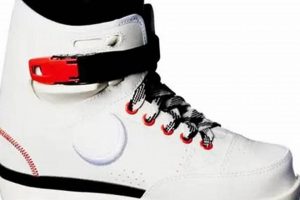
The relationship between optimized skate fit and the potential for speed is causal. A skate that fits properly provides the skater with a stable platform for efficient power transfer. Ill-fitting skates lead to energy loss and instability, directly hindering the ability to achieve higher velocities. When the foot is not securely contained within the boot, energy expended during each stride is dissipated through unwanted movement within the skate, rather than being translated into forward propulsion.
An optimized skate fit is a critical component of achieving speed. A skate that is too large allows the foot to move excessively, leading to reduced control and power. Conversely, a skate that is too small restricts blood flow and causes discomfort, hindering performance. The liner, lacing system, and overall boot design must conform precisely to the skater’s foot, providing support and minimizing slippage. For example, a speed skater relying on skates that are not properly fitted would be at a distinct disadvantage compared to a skater with a customized, precision-fit boot. The customized skate offers both support and a perfect mold to the individuals foot. The difference would be clear in both skating speed and efficiency of strides.
In conclusion, optimized skate fit is a necessary precursor to maximizing speed potential in inline skating. By ensuring a secure and comfortable fit, skaters can minimize energy loss, enhance control, and achieve higher velocities. Prioritizing skate fit is thus a fundamental step in the pursuit of speed, linking directly to the ability to leverage other speed-enhancing factors such as wheel rebound and stride length. Without a secure and comfortable fit the skaters foot will be fighting against the inside of the skate rather than assisting with the forward movement, reducing the overall skating speed.
7. Smooth Pavement Quality
The surface upon which inline skates are used significantly impacts attainable speed. Smooth pavement quality directly reduces rolling resistance, a primary impediment to rapid movement. The absence of irregularities minimizes energy loss associated with vibrations and surface impacts. Therefore, a direct correlation exists: improved pavement quality enables higher velocities. Consider competitive speed skating; events are invariably conducted on meticulously prepared surfaces to facilitate optimal performance. The selection of a smooth environment directly contributes to the ability for the skater to achieve speed. It is far easier to move on a smooth surface than a rough one.
The influence of pavement quality extends beyond speed to encompass safety and efficiency. Rough or uneven surfaces increase the risk of falls and require greater muscular effort to maintain balance and momentum. Prolonged skating on substandard surfaces can lead to fatigue and potential injury. Furthermore, wheel wear is accelerated on abrasive surfaces, necessitating more frequent replacements and increasing maintenance costs. The selection of a surface that is not smooth can lead to injuries and may not be conducive to inline skating. It is a very important factor to consider.
In summary, smooth pavement quality is not merely a preference but a fundamental requirement for achieving optimal speed and safety in inline skating. By minimizing rolling resistance, enhancing stability, and reducing wear, smooth surfaces enable skaters to maximize their performance potential and minimize risks. Recognition of this crucial relationship is paramount for both recreational skaters and competitive athletes aiming to enhance their inline skating experience and speed.
Frequently Asked Questions
This section addresses common queries regarding the factors that contribute to achieving higher speeds on inline skates. The information is presented in a straightforward manner to provide clarity on this topic.
Question 1: What is the primary determinant of speed on inline skates?
The primary determinant is the reduction of resistance. This encompasses both aerodynamic resistance, addressed through body positioning, and rolling resistance, influenced by wheel and bearing quality. Efficient technique also contributes significantly.
Question 2: Do more expensive inline skates automatically equate to greater speed?
Not necessarily. While higher-end skates typically incorporate superior components that enhance speed, such as high-rebound wheels and low-friction bearings, proper technique and physical conditioning are equally important. A novice skater on expensive skates may not be faster than an experienced skater on mid-range equipment.
Question 3: How frequently should inline skate bearings be cleaned and lubricated?
Bearing maintenance frequency depends on usage and environmental conditions. Skaters who frequently skate in dusty or wet environments should clean and lubricate their bearings more often, perhaps every few weeks. Recreational skaters may only need to perform this maintenance every few months. The presence of gritty or slow-rolling bearings indicates a need for immediate maintenance.
Question 4: What role does physical fitness play in achieving speed on inline skates?
Physical fitness is crucial. Sustained muscular power, particularly in the legs and core, is essential for generating and maintaining high speeds. Cardiovascular endurance is also important for minimizing fatigue during prolonged skating sessions. Neglecting to maintain strength and conditioning negatively impacts overall speed and stamina.
Question 5: Is there a specific type of wheel that is universally best for achieving maximum speed?
No. The optimal wheel type depends on the skating surface and the skater’s preferences. Harder wheels generally offer lower rolling resistance on smooth surfaces, while softer wheels provide better grip on rough surfaces. Experimentation and consideration of the skating environment are necessary to determine the most suitable wheel type.
Question 6: What safety precautions should be taken when attempting to achieve higher speeds on inline skates?
Wearing appropriate protective gear is paramount. This includes a helmet, wrist guards, knee pads, and elbow pads. Skating in designated areas with smooth surfaces is also recommended. Furthermore, awareness of surroundings and adherence to traffic regulations are essential for preventing accidents.
These FAQs offer insights into achieving elevated speeds on inline skates. Combining appropriate equipment, refined technique, and consistent physical conditioning provides the foundation for optimized performance. However, safety should remain the foremost consideration.
The following section explores advanced training methodologies for inline skating.
Conclusion
This examination of “inline skates fast” has underscored the multifaceted nature of achieving high velocity in this activity. Optimized performance is not solely contingent upon a single factor, but rather a synergistic combination of refined technique, specialized equipment, appropriate physical conditioning, and suitable environmental conditions. The interplay between aerodynamic body positioning, high-rebound wheels, low-friction bearings, efficient stride length, sustained muscular power, optimized skate fit, and smooth pavement quality collectively determines the potential for rapid movement.
Continued advancements in materials science and training methodologies promise to further redefine the limits of speed in inline skating. However, a commitment to safety must remain paramount. Mastering the principles outlined herein equips practitioners with the knowledge to pursue enhanced velocity responsibly. The ultimate realization of speed potential is dependent not only on technical understanding but also on a dedication to consistent practice and a keen awareness of personal limitations.


![Top Best Inline Skate Brands in [Year]: Expert Picks | How to Skateboard: A Beginner's Guide to Your First Board & Tricks](https://cruzskateshop.com/wp-content/uploads/2026/03/th-163-300x200.jpg "Top Best Inline Skate Brands in [Year]: Expert Picks How to Skateboard: A Beginner's Guide to Your First Board & Tricks")