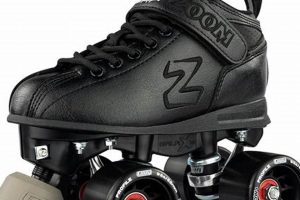
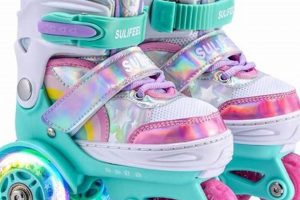
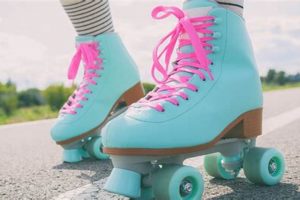
Protective gear paired with wheeled boots designed for gliding across surfaces represent a recreational and athletic pursuit. The equipment enables users to move rhythmically or perform stunts, offering a blend of exercise and entertainment. A typical example involves a person utilizing the boots and accompanying safety equipment at a designated skating rink or outdoor trail.
The combination provides several benefits, including cardiovascular fitness, improved balance, and muscle strengthening. Historically, the activity has evolved from simple wheeled contraptions to sophisticated equipment used in various disciplines, such as roller derby, artistic skating, and aggressive skating. The use of protective items has enhanced safety, reducing the risk of injury and promoting wider participation in the activity.
The following sections will delve into the different types of equipment available, techniques for safe usage, and the diverse communities that have formed around this popular pastime. This information will provide a comprehensive overview of the factors contributing to enjoyment and safety.
Essential Considerations for Wheeled Boots and Protective Equipment
This section outlines crucial guidelines for safe and effective usage of rolling footwear and accompanying safety apparatus.
Tip 1: Prioritize Proper Fit: Ensure the footwear fits snugly, providing adequate ankle support. Ill-fitting boots can lead to instability and increase the risk of falls.
Tip 2: Select Appropriate Protective Gear: Employ wrist guards, elbow pads, and knee pads designed for impact absorption. Verify that each item is correctly sized and secured.
Tip 3: Inspect Equipment Regularly: Before each use, examine the wheeled boots for loose components or damaged wheels. Check the protective equipment for signs of wear and tear.
Tip 4: Utilize Designated Skating Areas: Opt for smooth, paved surfaces free from obstacles and pedestrian traffic. Avoid skating on uneven terrain or in areas with potential hazards.
Tip 5: Master Fundamental Skills: Practice basic maneuvers, such as stopping, turning, and balancing, in a controlled environment. Gradual skill development reduces the likelihood of accidents.
Tip 6: Learn to Fall Correctly: Practice falling techniques that minimize the impact on vulnerable joints. This involves crouching, softening the landing, and rolling to distribute force.
Tip 7: Be Aware of Surroundings: Maintain vigilance and avoid distractions while in motion. Scan the environment for potential hazards and adjust speed accordingly.
Tip 8: Replace Equipment When Necessary: Compromised or excessively worn wheeled boots and protective gear should be replaced promptly. Do not rely on equipment that no longer provides adequate support or protection.
Adhering to these guidelines will significantly enhance user safety and enjoyment while utilizing rolling footwear and protective equipment.
The concluding section will offer a summation of the key concepts and a broader perspective on the significance of responsible participation in the activity.
1. Protection
Protection is a paramount consideration when utilizing wheeled boots designed for recreational or athletic purposes. The integration of protective equipment is not merely an accessory, but a fundamental requirement for minimizing potential injuries associated with falls or collisions.
- Impact Attenuation
Impact attenuation refers to the capacity of protective gear to absorb and dissipate the force generated during an impact event. Pads constructed from energy-absorbing materials, such as high-density foams, serve to cushion vulnerable joints and bony prominences. In practice, properly fitted knee pads can significantly reduce the severity of abrasions or fractures resulting from a fall onto a hard surface. The effectiveness of impact attenuation is directly related to the material composition, thickness, and design of the protective equipment.
- Joint Stabilization
Protective devices, particularly wrist guards and ankle supports, contribute to joint stabilization by limiting the range of motion and providing external support. This reduces the likelihood of sprains or dislocations resulting from sudden or excessive movements. For instance, wrist guards incorporate rigid splints that restrict hyperextension, thereby protecting the wrist joint from common injuries during forward falls. The degree of joint stabilization provided is dependent on the structural integrity and design of the protective apparatus.
- Abrasion Resistance
Abrasion resistance is the ability of protective gear to withstand surface wear and tear caused by contact with abrasive materials, such as asphalt or concrete. Pads constructed from durable fabrics or reinforced polymers prevent or minimize skin abrasions and lacerations. For example, elbow pads featuring a tough outer shell provide a protective barrier against scraping injuries during slides or falls. The level of abrasion resistance is contingent upon the material properties and construction techniques employed in the creation of the protective gear.
- Visibility Enhancement
Certain protective equipment incorporates reflective materials or bright colors to enhance visibility in low-light conditions, thereby reducing the risk of collisions with other individuals or objects. High-visibility vests or pads improve the user’s conspicuity, particularly in shared public spaces. The effectiveness of visibility enhancement is determined by the reflective properties of the materials used and the overall design of the protective equipment.
These facets collectively underscore the integral role of protection in the responsible utilization of wheeled boots. By prioritizing impact attenuation, joint stabilization, abrasion resistance, and visibility enhancement, individuals can significantly mitigate the inherent risks associated with the activity, promoting a safer and more enjoyable experience. Neglecting these protective measures can lead to preventable injuries and diminished participation.
2. Mobility

Mobility, in the context of wheeled boots and protective equipment, refers to the ease and efficiency with which an individual can move, maneuver, and perform desired actions. It is influenced by the design, functionality, and interaction between the boots and the protective equipment.
- Wheel Configuration and Bearing Quality
The arrangement and quality of wheels and bearings significantly impact rolling resistance and speed. Smaller diameter wheels offer greater maneuverability but lower top-end speed, while larger diameter wheels provide higher speeds but reduced agility. High-precision bearings minimize friction, enabling smoother and more efficient movement. For instance, inline skates with high-quality ABEC-rated bearings allow for effortless gliding, while poorly maintained or low-quality bearings impede movement and increase exertion.
- Boot Design and Articulation
The design of the boot and its articulation points influence range of motion and responsiveness. A well-designed boot provides adequate ankle support while allowing for sufficient flexion and extension. Articulation points, such as hinges or flexible materials, enable greater freedom of movement and facilitate complex maneuvers. Boots with limited articulation can restrict movement and hinder performance. An example is found in aggressive skating boots, which often feature articulated cuffs for enhanced flexibility during grinds and jumps.
- Pad Placement and Restriction
The placement and design of protective equipment can either enhance or restrict mobility. Properly fitted pads should provide adequate protection without impeding range of motion or hindering limb movement. Bulky or poorly positioned pads can create resistance and limit agility. For instance, knee pads that are too large or improperly secured can restrict knee flexion, making it difficult to perform certain maneuvers. The objective is to balance protection with the need for unrestricted movement.
- Weight and Aerodynamics
The overall weight of the wheeled boots and protective equipment affects the energy expenditure required for movement. Lighter equipment reduces fatigue and allows for greater speed and agility. Aerodynamic design minimizes drag, improving efficiency and reducing resistance. For example, speed skaters often utilize lightweight boots and streamlined helmets to optimize performance and minimize energy consumption. The combination of low weight and aerodynamic properties contributes to enhanced overall mobility.
These interconnected facets demonstrate how the interplay between the design of the boots, the placement of the protective equipment, and the quality of components contribute to the overall mobility experienced while utilizing wheeled boots. The effectiveness of mobility is thus a critical factor in determining performance, enjoyment, and safety.
3. Comfort
Comfort is a crucial element in the effective and sustained use of wheeled boots and accompanying protective gear. Discomfort can lead to distraction, reduced performance, and increased risk of injury. Therefore, the design and fit of both the boots and the protective apparatus must prioritize user comfort to ensure a positive and safe experience.
- Padding and Cushioning
Adequate padding and cushioning within the boot and protective equipment mitigate pressure points and reduce friction. Insufficient padding can lead to blisters, chafing, and discomfort, particularly during extended periods of use. For example, well-padded liners in wheeled boots conform to the foot’s contours, minimizing pressure and preventing irritation. Similarly, cushioned pads absorb impacts and reduce discomfort associated with falls or impacts. The density and distribution of padding directly impact overall comfort levels.
- Breathability and Ventilation
Breathability and ventilation are essential for maintaining a comfortable temperature and preventing moisture buildup inside the boot and protective gear. Insufficient ventilation can lead to overheating, sweating, and discomfort, potentially causing skin irritation and reduced performance. Wheeled boots constructed with breathable materials allow for air circulation, wicking away moisture and keeping the feet dry. Protective equipment incorporating ventilation channels promotes airflow, preventing excessive heat buildup. The integration of breathable fabrics and ventilation systems is critical for maintaining a comfortable microclimate.
- Adjustability and Customization
Adjustability and customization features enable users to fine-tune the fit of the boots and protective equipment, ensuring optimal comfort and support. Adjustable straps, buckles, and liners allow for a personalized fit that accommodates individual variations in foot and body size. For instance, adjustable wrist guards provide a secure and comfortable fit, preventing slippage and maximizing protection. Customization options, such as heat-moldable liners, further enhance comfort by conforming to the user’s specific anatomy. The ability to adjust and customize the fit of equipment contributes significantly to overall comfort levels.
- Weight Distribution and Ergonomics
Proper weight distribution and ergonomic design minimize strain and fatigue, contributing to improved comfort during prolonged use. Uneven weight distribution can lead to discomfort and muscle imbalances. Ergonomically designed boots and protective equipment conform to the natural contours of the body, promoting proper alignment and reducing stress on joints and muscles. For instance, boots with a low center of gravity enhance stability and reduce the effort required for balance. The strategic distribution of weight and the implementation of ergonomic principles contribute to a more comfortable and efficient experience.
These interwoven aspects highlight the critical role of comfort in the successful and enjoyable use of wheeled boots and protective equipment. By prioritizing padding, breathability, adjustability, and ergonomic design, manufacturers and users can optimize comfort levels, promoting sustained participation and reducing the risk of discomfort-related issues. Neglecting comfort considerations can result in decreased performance, increased fatigue, and a higher likelihood of injury.
4. Durability
Durability, in the context of wheeled boots and protective equipment, represents the capacity of these items to withstand wear, tear, and stress over an extended period of usage, maintaining structural integrity and functional effectiveness. It is a critical factor influencing longevity, safety, and overall value.
- Material Composition and Resilience
The materials used in the construction of wheeled boots and protective gear significantly influence their resistance to degradation. High-quality polymers, reinforced fabrics, and durable metals offer superior resistance to abrasion, impact, and environmental factors. For example, boots constructed with abrasion-resistant nylon or polyurethane outsoles are less prone to damage from repeated contact with rough surfaces. Similarly, pads featuring high-density foam and robust outer shells provide greater impact protection and resist tearing. The selection of appropriate materials directly impacts the lifespan and performance of the equipment.
- Construction Techniques and Reinforcement
The methods employed in manufacturing wheeled boots and protective gear play a crucial role in their structural integrity. Reinforced stitching, bonding agents, and design features enhance resistance to stress and prevent premature failure. For instance, boots with double-stitched seams and reinforced ankle supports are less likely to develop tears or weaknesses under strain. Pads incorporating strategically placed reinforcement panels offer added protection against impact and abrasion. The application of durable construction techniques contributes to the overall robustness and longevity of the equipment.
- Environmental Resistance and Maintenance
The ability of wheeled boots and protective gear to withstand exposure to environmental elements, such as sunlight, moisture, and temperature fluctuations, is essential for maintaining their integrity. UV-resistant materials prevent degradation from prolonged exposure to sunlight. Water-resistant coatings protect against moisture damage. Regular maintenance, including cleaning and lubrication, can further extend the lifespan of the equipment. For example, storing wheeled boots in a dry, shaded location and regularly cleaning the wheels can prevent corrosion and prolong their functionality. Addressing environmental factors and implementing proper maintenance practices contributes to the long-term durability of the equipment.
- Load-Bearing Capacity and Impact Tolerance
The capacity of wheeled boots and protective gear to withstand the forces generated during use is a critical determinant of their durability. Boots must be able to support the user’s weight without structural failure. Pads must be able to absorb impacts effectively without compromising their protective capabilities. For example, boots designed for aggressive skating typically feature reinforced soles and robust frames to withstand the stresses of jumps and grinds. Similarly, pads intended for high-impact activities incorporate high-density foam and durable outer shells to provide maximum protection. The load-bearing capacity and impact tolerance of the equipment are paramount for ensuring safety and longevity.
The interplay of material composition, construction techniques, environmental resistance, and load-bearing capacity collectively determines the durability of wheeled boots and protective equipment. Optimizing these factors is essential for providing users with reliable, long-lasting gear that can withstand the rigors of regular use, contributing to a safer and more enjoyable experience. Neglecting durability considerations can result in premature equipment failure, increased risk of injury, and diminished value for the user.
5. Fit

Proper fit is a crucial element when selecting wheeled boots and protective equipment, impacting both safety and performance. Inadequate fit can compromise stability, reduce effectiveness of protective measures, and lead to discomfort or injury. A well-fitted system ensures optimal control, protection, and sustained usability.
- Boot Size and Foot Support
The size of the wheeled boot must correspond accurately to the user’s foot dimensions. Insufficient space can cause pressure points and restrict circulation, while excessive space can lead to instability and reduced control. Proper arch support and ankle stabilization within the boot prevent pronation or supination, reducing the risk of strain. For example, a boot that is too large can cause the foot to slide during maneuvers, leading to ankle sprains or loss of control. Adequate foot support is essential for maintaining stability and preventing injuries.
- Protective Gear Sizing and Adjustability
Protective equipment, such as wrist guards, elbow pads, and knee pads, must be appropriately sized to provide adequate coverage and protection without restricting movement. Adjustable straps and closures allow for a customized fit, ensuring that the equipment remains securely in place during use. Ill-fitting protective gear can shift or slide during a fall, leaving vulnerable areas exposed. For example, knee pads that are too loose may not provide sufficient protection during a forward fall. Proper sizing and adjustability are critical for maximizing the effectiveness of protective measures.
- Interface Between Boot and Protective Gear
The interaction between the wheeled boot and protective equipment can impact overall fit and comfort. Protective gear should not interfere with the boot’s functionality or range of motion. For example, overly bulky knee pads can hinder ankle flexion, affecting balance and control. Conversely, properly designed protective gear integrates seamlessly with the boot, providing comprehensive protection without compromising mobility. The interface between these components must be carefully considered to ensure optimal performance and safety.
- Individual Anatomical Variations
Individual anatomical variations, such as foot width, ankle circumference, and limb length, can influence the optimal fit of wheeled boots and protective equipment. Manufacturers often offer a range of sizes and styles to accommodate these variations. Some brands provide custom fitting options or modular components that can be tailored to specific needs. For example, individuals with wide feet may require boots with a wider toe box to prevent discomfort and pressure points. Considering individual anatomical variations is essential for achieving a comfortable and secure fit.
These factors underscore the importance of a comprehensive approach to achieving proper fit when selecting wheeled boots and protective equipment. A well-fitted system enhances stability, maximizes protection, and promotes a comfortable and enjoyable experience. Neglecting fit considerations can compromise safety and reduce the effectiveness of protective measures.
6. Maintenance

Sustained functionality of wheeled boots and protective equipment is directly contingent upon consistent and appropriate maintenance. Neglecting maintenance procedures can accelerate wear, compromise safety features, and shorten the lifespan of these items. The connection between maintenance and wheeled boots/protective equipment represents a causal relationship: improper care directly causes equipment degradation. This interdependency underscores maintenance as a critical, inseparable component of responsible ownership. For instance, allowing moisture to accumulate on bearings within wheeled boots can lead to corrosion, reducing wheel speed and maneuverability, and potentially causing bearing failure. Similarly, failure to regularly clean and inspect the straps and closures on protective equipment can lead to weakening of the materials, increasing the risk of detachment during a fall. Understanding this fundamental connection enables informed decision-making regarding care and upkeep.
Practical application of maintenance principles encompasses several key areas. Regular cleaning of wheeled boot wheels and bearings removes dirt and debris that contribute to friction and wear. Lubrication of bearings with appropriate lubricants minimizes friction and prevents corrosion. Inspection of protective gear for tears, fraying, or weakened closures ensures that the equipment provides adequate protection. Replacement of worn or damaged components, such as wheels, bearings, straps, or padding, maintains the overall integrity and functionality of the equipment. Example: Regularly checking and tightening the axle nuts on wheeled boots prevents wheels from loosening during use, reducing the risk of accidents. Cleaning the protective pads after each use by removing any dirt keeps the equipment clean and odor free.
In summary, diligent maintenance is not merely an optional task but an essential component of responsible ownership of wheeled boots and protective equipment. Challenges often arise from time constraints or a lack of awareness regarding proper maintenance procedures. However, prioritizing maintenance activities directly contributes to enhanced safety, prolonged equipment lifespan, and optimized performance. This understanding is crucial for fostering a culture of responsible participation and enjoyment within associated recreational or athletic activities. Inaction to maintain will reduce the longevity and performance of both the boots and protective equipment.
Frequently Asked Questions
This section addresses common inquiries regarding the selection, use, and maintenance of wheeled boots and associated protective gear. These responses aim to provide clear and concise information for users of all experience levels.
Question 1: What constitutes essential protective gear for roller skating?
Minimum essential protective gear includes wrist guards, elbow pads, and knee pads. A helmet is strongly recommended, especially for beginners or those engaging in more aggressive skating styles. Eye protection may also be considered, particularly in outdoor environments.
Question 2: How often should wheeled boot wheels and bearings be cleaned and lubricated?
Wheel and bearing maintenance frequency depends on usage intensity and environmental conditions. For regular recreational use, cleaning and lubrication every 20-30 hours of skating is advisable. More frequent maintenance may be necessary in dusty or wet environments.
Question 3: How do I determine the correct size for wheeled boots and protective equipment?
Consult the manufacturer’s sizing charts and measure foot length and circumference accurately. For protective gear, measure limb circumferences and ensure a snug, secure fit that allows for unrestricted movement. It is advisable to try on equipment before purchase whenever possible.
Question 4: Can protective gear designed for other activities, such as skateboarding, be used for roller skating?
Protective gear designed for skateboarding may offer adequate protection for roller skating, provided it meets the necessary impact resistance and coverage standards. Ensure the gear fits properly and does not restrict movement. Gear specifically designed for roller skating may offer superior comfort and fit.
Question 5: How can I prevent blisters while using wheeled boots?
Ensure proper boot fit, wear moisture-wicking socks, and use blister prevention products, such as adhesive pads or anti-friction balm, on areas prone to irritation. Break in new boots gradually to allow them to conform to the foot’s shape.
Question 6: What are the key indicators that wheeled boots or protective equipment need to be replaced?
Wheeled boots should be replaced if the frame is cracked, the boot is significantly worn, or the wheels and bearings are excessively damaged. Protective equipment should be replaced if the padding is compressed, the outer shell is cracked or torn, or the straps and closures are no longer secure.
This FAQ section provides a foundation for understanding best practices. Consult with experienced skaters or qualified professionals for more specific guidance.
The following section will present a concluding summary, consolidating key insights regarding roller skates and pads.
Conclusion
The preceding exposition has provided a detailed overview of wheeled boots and their requisite protective equipment. Key areas of focus encompassed essential protective elements, the role of mobility, the impact of comfort, the value of durability, the necessity of proper fit, and the importance of meticulous maintenance. Effective integration of these considerations contributes significantly to a safe and rewarding experience. The interplay between these elements, when appropriately addressed, facilitates optimal performance and minimizes the risk of injury.
Moving forward, it is imperative that users prioritize informed decision-making regarding the selection, utilization, and upkeep of these items. Adherence to established guidelines and a commitment to responsible practices will promote a culture of safety and sustainability within the skating community. The continued advancement of technology and materials science holds the potential to further enhance the performance, comfort, and safety of wheeled boots and protective equipment, ensuring the ongoing viability and enjoyment of this activity for future generations. Emphasis on safety contributes to the sport’s future and appeal.