Footwear with wheels attached, designed for gliding movement across surfaces, are categorized based on configuration, intended use, and boot style. Variations include those optimized for speed, maneuverability, or recreational activity. The specific design impacts performance characteristics and user experience.
The availability of varied designs allows users to select equipment that aligns with their individual goals and skill level. This customization enhances enjoyment and facilitates progression within the activity. The evolution of these wheeled boots reflects ongoing innovation to meet diverse needs within skating disciplines.
The subsequent sections will delineate specific categories, highlighting their unique attributes and applications. An examination of quad skates, inline skates, and other specialized models will provide a detailed overview of the available options.
Guidance on Wheeled Boot Selection
Selecting appropriate footwear enhances performance and safety. Careful consideration of intended application and skill level is essential.
Tip 1: Determine Intended Use: The activity dictates the suitable configuration. Options for recreational skating, speed skating, artistic performance, and aggressive skating each possess unique design features.
Tip 2: Assess Skill Level: Beginner models offer increased stability and control. Experienced skaters may prefer designs that prioritize maneuverability and speed.
Tip 3: Evaluate Boot Style: High-top boots provide ankle support, beneficial for beginners. Low-cut boots offer greater freedom of movement, preferred by experienced skaters. Consider materials such as leather or synthetic for comfort and durability.
Tip 4: Consider Wheel Durometer: Softer wheels provide better grip on smooth surfaces, while harder wheels offer increased speed on rough terrain. The durometer rating, typically indicated with an “A” followed by a number (e.g., 78A, 85A), signifies the wheel’s hardness.
Tip 5: Examine Bearing Quality: Bearings impact rolling efficiency. Higher ABEC ratings (e.g., ABEC 5, ABEC 7, ABEC 9) generally indicate tighter tolerances and smoother rolling action.
Tip 6: Prioritize Fit: Ensure a snug, comfortable fit to prevent blisters and ensure proper control. Measure foot length accurately and consult sizing charts provided by manufacturers.
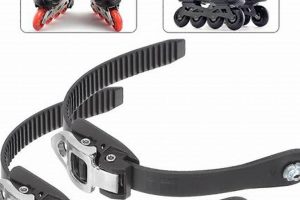
Tip 7: Inspect Frame Material: The frame, which connects the wheels to the boot, should be durable and rigid. Aluminum frames are common for performance models, while plastic frames are often used in recreational skates.
Effective selection relies on aligning specifications with individual needs. Prioritizing safety and comfort will ensure a positive experience.
The following section will provide a conclusion based on the information discussed so far.
1. Quad (Traditional)

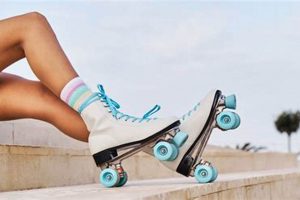
Quad configurations represent a foundational design within the broader category of wheeled boots. The arrangement, with two wheels positioned at the front and two at the rear, inherently provides enhanced stability compared to inline designs. This inherent stability makes quad skates particularly suitable for beginner skaters and disciplines prioritizing balance and control. The cause of this is due to the wider wheel base of quad skates. Its importance to the concept of “different types of roller skates” lies in its historical significance and continued relevance in specific applications, such as roller derby and recreational rink skating. A tangible example is the prevalence of quad skates in roller rinks, where they are commonly offered for rental due to their ease of use and stability. Understanding quad skates’ design characteristics is essential for comprehending the diversity and evolution within the category of wheeled boots.
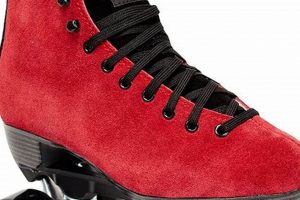
Furthermore, the design of quad skates facilitates specific maneuvers and skating styles. The wider wheelbase enables easier pivoting and transitions, advantageous in roller derby and artistic skating. The ability to quickly change direction and maintain balance is a direct consequence of the quad configuration. Consider, for instance, the specialized quad skates used in roller derby, which often feature low-cut boots for increased ankle mobility and reinforced components to withstand the impact of collisions. These adaptations underscore the adaptability of the quad design to meet the specific demands of different skating disciplines.
In summary, quad skates stand as a significant segment within the array of wheeled boots, characterized by their inherent stability and suitability for specific applications. Their historical presence and ongoing relevance in recreational and competitive skating demonstrate their enduring appeal. The design elements of quad skates directly influence their performance characteristics, making them a distinct and important type among the broader range of available options.
2. Inline (Aggressive)

Inline (Aggressive) skates represent a specialized branch within the broader category of wheeled boots, distinguished by design modifications catering specifically to trick-based skating in urban environments and skateparks. Their relevance to “different types of roller skates” lies in showcasing how specific performance requirements drive design evolution within the industry.
- Reinforced Boot and Frame
Aggressive inline skates feature significantly reinforced boots and frames constructed from durable materials such as high-density plastics or aluminum. This reinforcement is crucial for withstanding the high-impact landings and grinding maneuvers characteristic of the sport. A real-world example is the reinforced ankle support and robust sole construction designed to absorb shock during vert ramp skating. These structural enhancements differentiate aggressive skates from recreational inline models and directly impact their suitability for specific performance demands.
- Small, Hard Wheels
Aggressive inline skates utilize smaller, harder wheels compared to recreational or speed inline skates. The smaller diameter (typically 54mm to 60mm) enhances maneuverability and allows for faster acceleration on ramps and rails. The higher durometer rating (hardness) of the wheels provides increased durability and reduces friction during grinding. This contrasts sharply with the larger, softer wheels used for distance skating, highlighting the specialization within inline skate design.
- Grind Plates and Soul Plates
A defining characteristic of aggressive inline skates is the inclusion of grind plates (also known as soul plates) integrated into the boot’s structure. These plates are specifically designed to facilitate grinding on rails, ledges, and other surfaces. They are typically made of durable plastics that can withstand prolonged friction and abrasion. Without these plates, aggressive skating would be impractical and the skates would quickly wear out. The presence of grind plates directly dictates the utility of the skates for performing tricks and maneuvers.
- H-Block Design
Many aggressive inline skates incorporate an “H-block” design within the frame, creating a recessed area between the wheels. This recess provides additional surface area for locking onto rails and ledges, further enhancing grinding capabilities. The H-block essentially creates a stable platform for performing specific tricks. Its presence differentiates aggressive skates from other inline designs and contributes significantly to their functionality within the aggressive skating discipline.
The design features of aggressive inline skates collectively illustrate how specific performance requirements influence the construction and functionality of wheeled boots. The reinforced components, specialized wheels, grind plates, and H-block design are all optimized for withstanding the rigors of trick-based skating. These adaptations emphasize the diverse nature of the “different types of roller skates,” where each variation is tailored to specific user needs and performance demands. The existence of aggressive inline skates underscores the constant evolution and specialization within the skating industry.
3. Inline (Recreational)

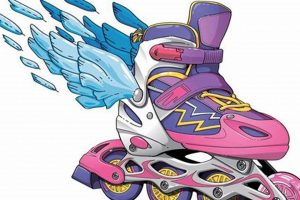
Inline recreational skates represent a significant segment within the diverse landscape of wheeled boots. These skates, designed for general fitness, casual skating, and transportation, exemplify a deliberate compromise between speed, maneuverability, and comfort. Their inclusion as a distinct type underscores the industry’s response to varied user needs, differentiating them from specialized designs such as speed skates or aggressive inline models. The cause of their prevalence lies in their versatility and accessibility for a broad range of skill levels. As a component of “different types of roller skates,” they illustrate the importance of catering to a non-competitive, everyday user base.
The practical significance of understanding inline recreational skates becomes apparent when considering their design features. Typically, these skates incorporate a padded boot for enhanced comfort during extended use. They also often feature wheels with a moderate durometer and size, offering a balance between speed and control. The frame construction tends to prioritize durability and stability over weight reduction. An illustrative example is the widespread use of inline recreational skates on paved trails and bike paths, where users seek a comfortable and efficient means of exercise or commuting. Furthermore, many inline recreational models include adjustable sizing mechanisms, accommodating growing feet or different sock thicknesses. This adjustability enhances their appeal to families and individuals seeking a versatile and cost-effective skating option.
In summary, inline recreational skates occupy a crucial position within the classification of wheeled boots, representing a deliberate design strategy to meet the demands of casual users seeking comfort, versatility, and accessibility. Their design compromises reflect the broader industry’s response to diverse user needs. Understanding their characteristics and intended applications is essential for navigating the varied world of wheeled boot designs. The continued popularity of inline recreational skates underscores their practical significance as a readily available and widely used option for fitness and recreational skating.
4. Speed Skates

Speed skates represent a highly specialized category within the broader range of wheeled boots. Their design prioritizes velocity and efficiency, distinguishing them from recreational or artistic models. Understanding speed skates is crucial for a complete comprehension of the diverse applications and engineering principles underlying “different types of roller skates.”
- Low-Cut Boot Design
Speed skates typically feature a low-cut boot construction, often crafted from lightweight materials like carbon fiber or heat-moldable composites. This design minimizes weight and maximizes ankle mobility, allowing for a greater range of motion during strides. This contrasts with the high-top boots found in recreational or aggressive skates, which prioritize ankle support over freedom of movement. The low-cut design directly contributes to increased power transfer and reduced energy expenditure, critical for sustained high-speed skating. For instance, competitive speed skaters often custom-mold their boots for a precise fit, further optimizing power and minimizing friction.
- Long Wheelbase Frames
The frame connecting the wheels to the boot is generally longer than those found on other types of skates. A longer wheelbase enhances stability at high speeds and improves glide efficiency. These frames are often constructed from lightweight aluminum alloys or carbon fiber to minimize weight without compromising rigidity. The extended length contributes to a more stable platform, allowing skaters to maintain a straighter line and minimize lateral movement, crucial for optimizing speed. This configuration directly impacts the skate’s overall performance, distinguishing it from the shorter, more maneuverable frames used in artistic or recreational skates.
- Large Diameter Wheels
Speed skates utilize large-diameter wheels, typically ranging from 100mm to 125mm. Larger wheels offer a greater rolling circumference, enabling skaters to cover more distance with each stride. These wheels are often made from high-rebound polyurethane compounds, providing a balance between grip and speed. The increased size reduces rolling resistance and enhances momentum, contributing significantly to higher sustained speeds. Compared to the smaller wheels found on aggressive or recreational skates, the larger wheels on speed skates demonstrate a clear focus on maximizing velocity and minimizing energy loss.
- Aerodynamic Considerations
Beyond the skate itself, speed skating involves optimizing aerodynamics through body positioning and clothing. Skaters often adopt a low, streamlined posture to minimize wind resistance. Skin-tight suits and aerodynamic helmets further reduce drag, contributing to marginal gains in speed. While not directly part of the skate design, these aerodynamic considerations are integral to achieving peak performance in speed skating. The focus on minimizing air resistance complements the design features of the skates, illustrating a holistic approach to maximizing velocity. This emphasis on aerodynamics distinguishes speed skating from other skating disciplines, where agility and maneuverability may be prioritized over pure speed.
The design elements of speed skates, from the low-cut boot and long wheelbase frame to the large-diameter wheels and aerodynamic considerations, collectively emphasize the pursuit of velocity and efficiency. These specialized features highlight the diversity within the world of “different types of roller skates,” demonstrating how specific performance goals drive design innovation. The contrast between speed skates and other categories underscores the importance of understanding the intended application when selecting wheeled boots.
5. Artistic Skates
Artistic skates represent a distinct category within wheeled boots, tailored for figure skating and rhythmic routines on hard surfaces. These skates exhibit design characteristics that prioritize maneuverability, precision, and aesthetic appeal, directly influencing performance in artistic skating disciplines. The inclusion of artistic skates within the taxonomy of “different types of roller skates” underscores the adaptability of wheeled footwear to specialized activities beyond basic locomotion, demonstrating the industry’s response to the unique demands of artistic expression. This category exemplifies how function and aesthetic form converge to enable specific performance outcomes, highlighting the specialization inherent in wheeled boot design. A clear example of this specialization is the boot construction, typically crafted from stiff leather to provide ankle support and facilitate precise edge control. This contrasts with the flexible boots found in speed skates or the reinforced boots in aggressive inline skates, illustrating the tailored approach to design.
Furthermore, artistic skates feature a unique wheel configuration and chassis design. The toe stop, positioned at the front of the skate, serves as a brake and facilitates jumps and spins. The precise positioning and adjustability of the toe stop directly influence the skater’s ability to execute complex maneuvers. The chassis, which connects the boot to the wheels, is meticulously engineered to provide optimal stability and responsiveness. High-quality artistic skates often incorporate adjustable pivot points and truck systems, allowing skaters to fine-tune the skate’s handling characteristics to their individual preferences and skating style. The influence on overall performance is considerable. To illustrate, a seasoned artistic skater can utilize the skate’s design to perform intricate footwork, precise turns, and controlled jumps, demonstrating the synergy between skate design and skater skill.
In summary, artistic skates embody a focused design philosophy centered on the specific requirements of artistic skating. Their design features, including stiff leather boots, adjustable toe stops, and precisely engineered chassis, directly contribute to the skater’s ability to execute complex maneuvers and express artistic interpretation. Understanding the characteristics of artistic skates is essential for appreciating the diversity within “different types of roller skates,” revealing how specific performance goals shape the design and functionality of wheeled footwear. The existence and refinement of artistic skates demonstrate the industry’s commitment to catering to specialized disciplines, highlighting the interplay between technology, performance, and artistic expression.
6. Derby Skates
Derby skates represent a specialized configuration within the spectrum of wheeled boots. These skates, designed for the demands of roller derby, prioritize agility, responsiveness, and durability. Understanding their specific design features is crucial for a comprehensive overview of “different types of roller skates” and the diverse performance requirements they address.
- Low-Cut Boot Design and Reinforced Construction
Derby skates commonly feature low-cut boots to maximize ankle mobility, enabling rapid lateral movements and quick changes in direction. The boots are reinforced with durable materials, such as leather or synthetic composites, to withstand the physical demands of roller derby, including impacts and abrasions. This design contrasts with the high-top boots often found in recreational skates, where ankle support is prioritized over agility. An example of this is the use of heat-moldable materials in high-end derby boots, allowing skaters to customize the fit for enhanced comfort and performance. The implication is a direct increase in agility and resilience, essential for the fast-paced nature of the sport.
- Plate and Truck System
The plate, which connects the boot to the wheels, and the truck system, which governs the turning response, are critical components of derby skates. High-quality derby skates typically utilize lightweight aluminum plates for optimal strength and responsiveness. Adjustable truck systems allow skaters to fine-tune the skate’s handling characteristics, enabling precise control and maneuverability. The plate and truck setup directly influence a skater’s ability to execute quick turns, stops, and jumps. A specific example is the use of 45-degree kingpin angles on some derby plates, which provide increased agility compared to traditional 10-degree angles. This precise tuning is often overlooked but integral to performance.
- Wheel Durometer and Profile
Derby skates utilize wheels with a specific durometer (hardness) and profile tailored to the demands of indoor track surfaces. Wheel durometer typically ranges from 88A to 99A, providing a balance between grip and roll. The wheel profile, which refers to the shape of the wheel’s edge, influences the skate’s turning characteristics. Rounded profiles offer greater maneuverability, while flatter profiles provide increased stability. Skaters often experiment with different wheel durometers and profiles to optimize their performance based on track conditions and skating style. An example of this is the use of harder wheels on slick tracks to maximize roll speed, while softer wheels are preferred on grippier surfaces for enhanced traction. The choice of wheel directly impacts a skaters speed and control.
- Toe Stops
Toe stops are essential for braking, accelerating, and executing specific maneuvers in roller derby. Derby skates utilize adjustable toe stops that can be positioned to suit individual skater preferences. The material and shape of the toe stop influence its braking power and durability. Some skaters prefer larger toe stops for increased stopping power, while others opt for smaller toe stops for greater agility. An example is the use of harder, more durable toe stops for frequent braking and acceleration, while softer toe stops may be preferred for controlled stops and pivots. These seemingly small adjustments can substantially affect skater reaction time and control.
In conclusion, derby skates exemplify a specialized design within the broader category of wheeled boots. The low-cut boot, reinforced construction, adjustable plate and truck system, specific wheel durometer and profile, and adjustable toe stops collectively contribute to the skate’s unique performance characteristics, optimizing them for the demands of roller derby. Understanding these design elements is crucial for appreciating the diversity and specialization within “different types of roller skates,” highlighting how specific performance requirements drive innovation in wheeled footwear.
7. Off-Road Skates
Off-road skates constitute a niche, yet significant, segment within the diverse array of wheeled boots. Their design diverges considerably from those intended for smooth, paved surfaces, emphasizing stability and traction on uneven terrain. The inclusion of off-road skates in the classification of “different types of roller skates” underscores the adaptability of the fundamental concept to accommodate specialized environmental conditions and user needs. Their importance lies in expanding the applicability of skating beyond traditional urban or indoor settings, thereby broadening the scope of the activity itself. A notable example is the use of these skates on hiking trails or gravel paths, allowing users to experience the outdoors in a novel manner. The practical significance of understanding off-road skates rests in recognizing the design modifications necessary to ensure safe and effective performance in challenging environments.
The defining characteristics of off-road skates include pneumatic tires, robust frames, and reinforced boots. Pneumatic tires, often similar to those found on bicycles, provide cushioning and grip on uneven surfaces. These tires absorb shocks and maintain traction, improving control and reducing the risk of injury. The frames are typically constructed from durable materials such as aluminum or reinforced composites to withstand the stresses of off-road use. The boots often provide increased ankle support and protection compared to recreational skates, further enhancing stability and safety. The choice of components directly influences the skate’s ability to traverse varied terrains, demonstrating a clear cause-and-effect relationship between design and performance. For instance, the larger tire size compared to inline skates reduces the likelihood of the wheel becoming trapped in small crevices and increases the overall surface area in contact with the ground.
In summary, off-road skates represent a specialized adaptation of wheeled boot technology, designed to extend the boundaries of skating beyond conventional environments. Their unique features, including pneumatic tires, robust frames, and reinforced boots, directly address the challenges posed by uneven terrain. Recognizing the existence and capabilities of off-road skates enriches the understanding of “different types of roller skates,” revealing the innovative solutions developed to meet specific user needs and environmental demands. Their design shows a departure from other styles of skates, and this shift in construction addresses terrain problems that other skates can not solve.
Frequently Asked Questions
The following addresses common inquiries regarding the diverse landscape of wheeled boot designs, clarifying distinctions and dispelling potential misconceptions.
Question 1: What fundamental criterion differentiates quad and inline designs?
The arrangement of the wheels constitutes the primary distinction. Quad configurations employ two wheels positioned at the front and two at the rear, while inline designs feature wheels aligned in a single row.
Question 2: Are certain wheeled boot types inherently superior for beginners?
Quad configurations generally offer greater initial stability, rendering them suitable for novice users. However, individual preferences and learning styles may influence optimal selection.
Question 3: Does the wheel size directly influence performance characteristics?
Larger wheel diameters typically correlate with increased speed and reduced rolling resistance. Conversely, smaller wheel diameters enhance maneuverability and acceleration.
Question 4: Are specialized wheeled boot models required for participation in specific disciplines, such as roller derby or artistic skating?
Yes, specialized models incorporate design features tailored to the unique demands of each discipline. These features may include reinforced boots, specialized chassis, and optimized wheel configurations.
Question 5: Is the durometer rating of wheels a significant factor in determining performance?
Yes, the durometer rating, which quantifies wheel hardness, influences grip and speed. Softer wheels (lower durometer ratings) provide greater grip, while harder wheels (higher durometer ratings) offer increased speed.
Question 6: Do off-road wheeled boots require specific maintenance procedures?
Yes, off-road models equipped with pneumatic tires necessitate regular inflation and inspection to ensure optimal performance and safety. Furthermore, cleaning and lubrication of bearings are essential to prevent premature wear.
In summary, the selection of appropriate wheeled footwear necessitates careful consideration of intended use, skill level, and individual preferences. A thorough understanding of the design characteristics and performance implications of each type is crucial for informed decision-making.
The subsequent section will provide a concluding summary of the presented information.
Different Types of Roller Skates
This exploration has detailed a spectrum of wheeled footwear, each engineered for specific applications and skill levels. From the stability-focused quad to the velocity-optimized speed skate, and the ruggedized off-road variant, the diversity reflects a nuanced understanding of user needs and performance demands. Specialized designs such as those for aggressive inline, artistic expression, and roller derby further illustrate the application-specific nature of wheeled boot engineering.
The informed selection of wheeled boots hinges upon a critical assessment of intended use and skill level. Continued innovation in materials and design promises further refinement of existing categories and the potential emergence of novel configurations, shaping the future landscape of wheeled locomotion. Awareness of the characteristics is essential for optimal performance and safety in any chosen discipline.