Roller skating provides numerous advantages spanning physical health, mental well-being, and social interaction. It is an activity that involves using specialized footwear with wheels to glide across surfaces. This form of recreation and exercise appeals to individuals of diverse ages and skill levels.
The activity’s importance stems from its multifaceted nature. It offers a low-impact cardiovascular workout, improving stamina and burning calories effectively. Furthermore, it enhances balance, coordination, and agility. Historically, skating has served not only as a mode of transportation and entertainment, but also as a competitive sport, contributing to a vibrant culture.
The following sections will delve into the specific advantages, covering physical fitness improvements, psychological enhancements, and social engagement opportunities presented by this dynamic pastime.
Guidance for Optimal Roller Skating
The following provides essential considerations for maximizing the positive impacts of roller skating while minimizing potential risks.
Tip 1: Prioritize Protective Gear. Helmets, wrist guards, elbow pads, and knee pads are crucial for preventing injuries. Ensure proper fit and secure fastening before each skating session.
Tip 2: Initiate with Fundamental Skills. Master basic techniques, such as maintaining balance, controlled forward movement, and safe stopping methods, before attempting advanced maneuvers.
Tip 3: Select Appropriate Skating Environments. Begin practicing in smooth, flat, obstacle-free areas, such as designated skating rinks or paved paths. Avoid skating on uneven surfaces or in areas with heavy traffic.
Tip 4: Maintain Proper Posture. A slightly bent knee position and a forward lean from the ankles promote stability and control. Avoid standing upright with locked knees.
Tip 5: Practice Regular Maintenance. Inspect skates frequently for loose wheels, worn bearings, or damaged components. Proper maintenance extends the lifespan of the skates and ensures safe operation.
Tip 6: Incorporate Warm-up and Cool-down Routines. Stretching exercises before and after skating help prevent muscle strains and improve flexibility.
Tip 7: Stay Hydrated. Drink sufficient water before, during, and after skating to maintain performance and prevent dehydration.
Adhering to these recommendations will contribute to a safer and more rewarding skating experience, maximizing the numerous advantages it offers.
The subsequent section will synthesize the primary discussed elements, offering a concluding perspective on the significance of this activity.
1. Cardiovascular fitness

Roller skating offers a substantial contribution to cardiovascular fitness. The continuous, rhythmic motion of skating elevates heart rate and increases blood flow, mirroring the effects of other aerobic exercises such as running or cycling. This increased activity challenges the heart and vascular system, prompting adaptations that enhance their efficiency. Regular engagement in skating strengthens the heart muscle, improves blood vessel elasticity, and reduces resting heart rate. As a result, individuals experience improvements in overall cardiovascular health, reducing the risk of heart disease, stroke, and other related conditions.
The cardiovascular exertion derived from skating is adaptable to various fitness levels. Beginners can start with shorter durations and lower intensities, gradually increasing the challenge as their fitness improves. Advanced skaters can incorporate interval training, hill workouts, or speed skating to further elevate their cardiovascular demands. This adaptability renders skating a sustainable exercise option for long-term cardiovascular health maintenance. For example, an individual with a sedentary lifestyle may start with 20-minute skating sessions three times a week, progressively increasing the duration and intensity to align with recommended cardiovascular exercise guidelines.
In conclusion, the connection between roller skating and cardiovascular fitness is direct and demonstrably beneficial. Skating provides a practical and enjoyable means of improving and maintaining cardiovascular health, regardless of skill level. The accessibility and adaptability of skating make it a valuable tool in promoting overall well-being and reducing the risk of cardiovascular disease.
2. Balance improvement

Roller skating necessitates constant adjustments to maintain equilibrium, thereby directly fostering improvements in balance. The inherent instability of gliding on wheels forces the skater to engage core muscles, limbs, and proprioceptive senses. This continuous engagement strengthens the neural pathways responsible for maintaining upright posture and reacting to shifts in the center of gravity. Individuals who regularly participate in skating exhibit enhanced balance control in both static and dynamic situations. For instance, an elderly person who skates regularly may experience a reduced risk of falls compared to a sedentary counterpart, due to improved postural stability.
The effect of skating on balance extends beyond the specific activity itself. Improved balance translates to enhanced performance in other physical activities and daily tasks. The strengthened core muscles and refined proprioception gained through skating contribute to better overall body control and coordination. Athletes in sports requiring agility and quick changes in direction, such as basketball or soccer, may benefit from incorporating skating into their training regimen. Similarly, individuals recovering from injuries or neurological conditions may utilize skating as a therapeutic tool to regain balance and coordination skills under the guidance of a physical therapist.
In summary, the relationship between roller skating and balance improvement is both causal and practically significant. The act of skating directly challenges and enhances balance control, leading to improvements that extend beyond the activity itself. By strengthening core muscles, refining proprioception, and promoting neural adaptation, skating contributes to enhanced stability, reduced fall risk, and improved performance in various physical endeavors. The understanding of this connection highlights the value of skating as a means to promote overall physical well-being and functional independence.
3. Coordination enhancement

Roller skating necessitates the synchronized engagement of various muscle groups and sensory inputs, resulting in enhanced coordination. The activity demands precise timing and controlled movements, fostering improvements in both gross and fine motor skills. The following elements contribute to this coordination enhancement.
- Musculoskeletal Synchronization
Skating requires the harmonious interaction of leg muscles for propulsion, core muscles for stability, and arm movements for balance. This synchronized muscular activation refines the nervous system’s ability to coordinate complex movements. For instance, maintaining a consistent stride pattern while navigating turns involves precisely timed muscle contractions, which, over time, enhance overall motor coordination.
- Proprioceptive Awareness
Proprioception, the body’s awareness of its position in space, is critical for maintaining balance and executing skating maneuvers. The act of skating challenges and refines proprioceptive feedback, enabling individuals to make subtle adjustments to their body position to maintain stability. An example includes adjusting ankle and knee angles to compensate for uneven surfaces, thereby improving body awareness and control.
- Visual-Motor Integration
Skating involves processing visual information to anticipate changes in terrain or avoid obstacles. The brain integrates visual cues with motor commands to execute appropriate responses. For example, skaters visually assess the distance to an upcoming object and adjust their speed and trajectory accordingly. This process strengthens the connection between visual perception and motor output, enhancing visual-motor coordination.
- Vestibular System Stimulation
The vestibular system, located in the inner ear, plays a crucial role in maintaining balance and spatial orientation. Skating stimulates the vestibular system, improving its ability to detect changes in head position and acceleration. This stimulation enhances balance control and reduces the risk of dizziness or disorientation. Skaters navigating quick turns or performing spins rely heavily on vestibular input to maintain stability and coordination.
These facets collectively illustrate how roller skating contributes to coordination enhancement. The activity promotes musculoskeletal synchronization, refines proprioceptive awareness, improves visual-motor integration, and stimulates the vestibular system. This multifaceted approach underscores the value of skating as a means to enhance motor skills and overall physical competence.
4. Muscle strengthening

Roller skating directly contributes to muscle strengthening, primarily in the lower body and core. The repetitive motions and postural demands inherent in skating activate and engage various muscle groups, leading to increased strength and endurance. The primary muscles targeted include the quadriceps, hamstrings, gluteal muscles, and calf muscles, all of which are essential for propulsion, stability, and balance. The constant engagement of these muscles during skating promotes hypertrophy and enhanced functional capacity. For instance, an individual who skates regularly may experience improved leg strength, enabling them to perform daily activities, such as climbing stairs or lifting objects, with greater ease and reduced fatigue.
The core muscles, including the abdominal and back muscles, also play a critical role in maintaining balance and stability while skating. These muscles work in tandem to control trunk rotation and prevent excessive swaying, contributing to overall postural control. Strengthening the core muscles through skating not only enhances stability but also improves posture and reduces the risk of back pain. An example includes a skater maintaining a stable core position while performing turns or navigating uneven surfaces, demonstrating the importance of core strength in maintaining balance and control. This heightened muscular endurance also makes the skater less prone to injuries or fatigue during long skate sessions.
In summary, roller skating provides a comprehensive muscle-strengthening workout, particularly for the lower body and core. The activity promotes hypertrophy, enhances functional capacity, improves posture, and reduces the risk of injuries. By engaging multiple muscle groups in a coordinated manner, skating offers a practical and effective means to enhance overall physical strength and well-being. The benefits extend beyond the activity itself, translating to improved performance in daily tasks and reduced susceptibility to musculoskeletal problems. The understanding of this connection underscores the value of skating as a means to promote overall physical health and functional fitness.
5. Stress reduction

Roller skating provides a mechanism for stress reduction through a combination of physical activity, mental engagement, and social interaction. The rhythmic and repetitive nature of the skating motion induces a meditative state, fostering a sense of calm and focus. The physical exertion involved releases endorphins, natural mood elevators that counteract the effects of stress hormones such as cortisol. This physiological response contributes to a tangible reduction in perceived stress levels. For instance, an individual experiencing work-related anxiety may find that a 30-minute skating session alleviates tension and promotes a more relaxed state of mind.
The element of mental engagement inherent in skating also plays a role in stress mitigation. The focus required to maintain balance, navigate obstacles, and execute maneuvers diverts attention away from stressors. This cognitive shift provides a temporary respite from worries and promotes a sense of mental clarity. Furthermore, skating often involves social interaction, whether in a group setting or with other skaters in a public space. Social connections provide emotional support and reduce feelings of isolation, which are known contributors to stress. A person who joins a skating club may experience reduced stress due to the sense of belonging and camaraderie fostered by the group.
In summary, roller skating functions as an effective stress-reduction tool by combining physical exertion, mental engagement, and social interaction. The activity triggers physiological and psychological mechanisms that counteract the negative effects of stress, promoting a sense of well-being and mental clarity. The accessibility and adaptability of skating render it a valuable resource for managing stress and enhancing overall mental health. Understanding this connection emphasizes the importance of incorporating physical activities like skating into stress-management strategies. This activity is a sustainable approach in managing everyday stressors.
6. Social engagement

Roller skating provides opportunities for social engagement, serving as a catalyst for forming connections and fostering community. This social dimension complements the physical and mental advantages, contributing to a more comprehensive sense of well-being.
- Group Skating Activities
Organized skating groups and clubs provide structured environments for individuals to connect based on shared interests. These groups often conduct regular meet-ups, workshops, and excursions, facilitating interaction and camaraderie among participants. For instance, joining a local skating club can introduce individuals to like-minded people, fostering lasting friendships and a sense of belonging. These group activities often have planned activities, thereby allowing a participant to have a goal and improve teamwork skills.
- Shared Learning Experiences
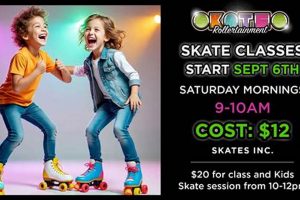
Roller skating lessons and skill-sharing sessions offer a collaborative setting for learning and improvement. Participants work together, exchange tips, and provide encouragement, fostering a supportive and interactive environment. An example includes attending a skating workshop where individuals learn new techniques and provide feedback to each other, enhancing their skills while building social bonds. This shared learning experience can lead to a more confident approach to skating.
- Community Events and Rinks
Public skating rinks and community events provide informal settings for social interaction. Individuals can engage in casual conversations, share experiences, and observe others, fostering a sense of community and shared identity. For example, visiting a local skating rink on a weekend afternoon can expose individuals to a diverse group of people, creating opportunities for spontaneous connections and shared enjoyment. These events often are a shared moment for skaters and the public.
- Online Communities and Forums
Virtual platforms dedicated to roller skating enable individuals to connect, share information, and seek support from fellow enthusiasts. These online communities offer a space for discussing techniques, sharing experiences, and organizing meet-ups, expanding the reach of social engagement beyond physical boundaries. For instance, participating in an online skating forum can provide individuals with access to a global network of skaters, fostering a sense of connection and shared passion. The use of internet allows for a 24/7 access to a skating community.
The social aspect of roller skating enhances its overall value as a recreational activity. The connections formed through shared experiences, learning opportunities, and community events contribute to increased social well-being and a sense of belonging. This social dimension underscores the importance of roller skating as a means to promote not only physical and mental health but also social connectivity and community engagement.
Frequently Asked Questions About Roller Skating
The following provides answers to common inquiries regarding roller skating. This section aims to clarify misconceptions and provide informed guidance to promote a safe and beneficial skating experience.
Question 1: What is the potential for injury?
Roller skating inherently carries a risk of injury, primarily due to falls. Injuries can range from minor abrasions and contusions to more severe fractures or head trauma. The use of protective gear, adherence to safety guidelines, and skating in controlled environments significantly mitigate these risks. Prioritizing skill development and avoiding reckless behavior are also crucial for minimizing the likelihood of injury.
Question 2: Is it an effective form of exercise for weight management?
Roller skating can contribute to weight management by burning calories and increasing metabolic rate. The intensity and duration of skating sessions influence the caloric expenditure. When coupled with a balanced diet, regular skating can facilitate weight loss or maintenance. Its low-impact nature makes it a sustainable exercise option for individuals with joint concerns or those seeking a less strenuous alternative to high-impact activities.
Question 3: What are the age restrictions?
There are no strict age limitations. Individuals of diverse ages can engage in this activity. However, young children require close supervision and appropriate protective gear due to their developing coordination and balance. Older adults should assess their physical capabilities and consult with healthcare professionals before initiating a skating regimen. Adapting the intensity and duration of skating to individual fitness levels is essential across all age groups.
Question 4: What type of skates are most appropriate for beginners?
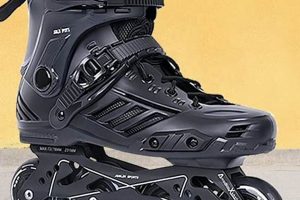
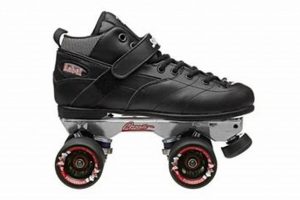
Quad skates, characterized by two wheels in the front and two wheels in the back, are generally recommended for beginners. The wider wheelbase provides enhanced stability, simplifying the process of learning balance and basic skating techniques. Inline skates, with wheels arranged in a single line, offer greater speed and maneuverability but require a higher degree of balance and control. Beginners may transition to inline skates as their skills progress.
Question 5: How does it compare to other forms of cardio?
Roller skating provides a low-impact alternative to high-impact cardiovascular exercises. It places less stress on joints compared to activities such as running or jumping. Skating offers comparable cardiovascular benefits, improving heart health and endurance. The choice between skating and other forms of cardio depends on individual preferences, physical limitations, and fitness goals.
Question 6: Are special surfaces needed?
Ideal surfaces are smooth, flat, and free of obstacles. Designated skating rinks, paved paths, and smooth concrete areas provide optimal skating environments. Avoid skating on uneven surfaces, gravel, or areas with heavy traffic. The surface quality influences the safety and enjoyment of the skating experience. Selecting appropriate surfaces is essential for preventing falls and maximizing performance.
This addresses common concerns and provides practical information regarding roller skating. Understanding these aspects promotes informed decision-making and responsible participation in this activity.
The next section will synthesize the information, delivering a conclusion on the comprehensive value.
Benefits of Roller Skates
This exploration has detailed the multifaceted advantages associated with roller skates. The activity demonstrably enhances cardiovascular fitness, improves balance and coordination, strengthens muscles, reduces stress, and fosters social engagement. These factors contribute to a holistic improvement in physical, mental, and social well-being, positioning it as a valuable recreational and exercise pursuit.
The evidence presented underscores the significance of integrating roller skating into a comprehensive health and wellness strategy. Individuals seeking a low-impact, engaging, and socially enriching activity should consider incorporating it into their routines. The potential benefits extend beyond mere recreation, offering a pathway to improved physical function, mental resilience, and community connection. Future research may further delineate specific populations who stand to benefit most and optimize skating-based interventions for targeted health outcomes.