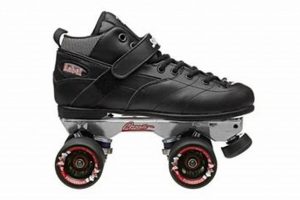
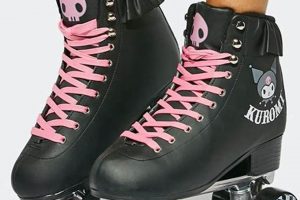
The act of designing and assembling personalized footwear for gliding movement is a multifaceted endeavor. This process involves selecting individual components such as boots, plates, wheels, bearings, and toe stops, and then integrating them to produce a functioning piece of equipment. An illustrative example includes choosing a high-top boot for ankle support paired with lightweight aluminum plates for agility and responsiveness.
Constructing bespoke wheeled footwear offers several advantages, including the opportunity to tailor equipment to specific needs and preferences, thus enhancing performance and comfort. Historically, this approach allowed skaters to adapt their equipment to evolving skating styles and technological advancements, fostering innovation within the sport. The result is often superior to mass-produced alternatives.
The subsequent sections will delve into the specific considerations for each component, providing a detailed overview of the materials, construction techniques, and performance characteristics involved in the process. This will cover boot selection, plate mounting, wheel and bearing options, and safety considerations, providing a comprehensive guide to achieving a successful outcome.
Crafting Personalized Wheeled Footwear
Achieving optimal performance and safety in skating requires careful consideration during the construction of individualized roller skates. The following guidance outlines critical factors to address during this process.
Tip 1: Boot Selection: Prioritize a boot that offers adequate ankle support and a snug fit. A poorly fitted boot can lead to instability and potential injury. Leather or reinforced synthetic materials are recommended for durability and support.
Tip 2: Plate Mounting Precision: Ensure accurate plate alignment during installation. Improperly aligned plates can negatively impact balance and maneuverability. Utilize a professional skate technician for precise mounting if necessary.
Tip 3: Wheel Durometer Considerations: Select wheel durometer based on intended skating surface. Harder wheels are suitable for smooth surfaces, while softer wheels provide better grip on rougher terrain. Experiment with different durometers to find the optimal balance.
Tip 4: Bearing Maintenance Protocols: Regularly clean and lubricate bearings to maintain optimal rolling efficiency. Contaminated bearings increase friction and reduce speed. Use appropriate bearing cleaning solutions and lubricants.
Tip 5: Toe Stop Adjustment Guidelines: Adjust toe stops to the appropriate height for the intended skating style. Lower toe stops facilitate quick stops and transitions, while higher toe stops provide greater stability. Securely tighten toe stop hardware to prevent loosening during use.
Tip 6: Hardware Inspection Routine: Conduct routine inspections of all hardware, including nuts, bolts, and screws, to ensure they are securely fastened. Loose hardware can compromise the integrity of the setup and pose a safety hazard. Replace worn or damaged hardware promptly.
Tip 7: Customization within Safety Margins: Modifications to the equipment should prioritize safety. Do not compromise structural integrity in pursuit of purely aesthetic changes. Consult with experienced skate technicians for advice on safe customization practices.
These tips collectively emphasize the importance of meticulous attention to detail and adherence to safety standards during the creation of personalized wheeled footwear. A properly executed build will enhance the skating experience and minimize the risk of injury.
The subsequent section will elaborate on advanced customization techniques and provide further insight into optimizing equipment performance.
1. Planning the Build

Effective planning constitutes the foundational element of successfully constructing custom roller skates. It directly influences the outcome of “create your own roller skates.” Inadequate planning invariably results in either a suboptimal skating experience or a structurally unsound product. The absence of a detailed plan can lead to the selection of incompatible components, resulting in diminished performance, compromised safety, or complete inability to assemble a functional piece of equipment. For instance, neglecting to consider the intended skating environment (indoor rink versus outdoor terrain) during the planning phase can lead to the selection of inappropriate wheel durometer, thereby hindering performance and control.
Furthermore, proper planning necessitates a comprehensive assessment of the skater’s skill level and skating style. A novice skater’s requirements will significantly differ from those of an experienced skater performing advanced maneuvers. This assessment informs the selection of boot stiffness, plate responsiveness, and wheel dimensions, thereby ensuring that the assembled skates are tailored to the individual’s capabilities and preferences. Budgetary constraints must also be meticulously considered during the planning phase. Establishing a realistic budget prevents overspending on non-essential components and guides the selection of cost-effective alternatives without compromising on essential performance and safety features. An improperly planned project could escalate rapidly and exceed allocated funds, rendering the entire endeavor unfeasible.
In summary, meticulous planning serves as the cornerstone of any successful skate construction undertaking. This phase dictates the scope of the project, identifies potential pitfalls, and ensures that the final product aligns with the skater’s needs, preferences, and budgetary limitations. The success of “create your own roller skates” hinges directly upon the thoroughness and foresight invested during the planning phase. Failure to adequately plan introduces significant risk and diminishes the likelihood of achieving a positive outcome.
2. Component Selection

The effectiveness of constructing personalized wheeled footwear is critically dependent upon judicious component selection. The choices made regarding boots, plates, wheels, bearings, and toe stops directly determine the performance characteristics, safety profile, and overall suitability of the skates. Each element plays a distinct role, and their compatibility dictates the success of the final assembly. The decision to use a high-cut leather boot, for example, will offer significant ankle support but could restrict maneuverability compared to a lower-cut, more flexible synthetic boot. Similarly, plate material impacts responsiveness, where lightweight aluminum plates provide greater agility than heavier steel alternatives, influencing the skater’s ability to execute complex maneuvers.
Wheel selection presents a further nuanced decision, with durometer directly impacting grip and roll. Harder wheels are suited for smooth surfaces, while softer wheels offer superior traction on rougher terrain. Choosing inappropriate wheel durometer can compromise control, increasing the risk of falls. Bearing quality also affects performance. Precision bearings reduce friction, improving speed and efficiency, while lower-quality bearings can impede rolling performance and require more frequent maintenance. Selecting the correct toe stop profile and adjustment also influences stability and braking efficiency. The interplay between these components demonstrates that component selection is not merely about individual part choices but about building a cohesive and functional system. Mismatched components can lead to compromised performance and increased risk of injury, ultimately undermining the potential benefits of personalized skate construction.
In summation, meticulous attention to component selection is indispensable in the construction of custom roller skates. The properties and compatibility of each part directly affect skating performance, safety, and comfort. Therefore, a comprehensive understanding of the available components, their respective strengths and weaknesses, and their intended application is paramount. Informed component selection maximizes the likelihood of achieving a skating experience tailored to the individual’s needs and skill level, solidifying its position as a crucial aspect of the process.
3. Precise Assembly

The act of fabricating customized wheeled footwear necessitates meticulous attention to detail during the assembly stage. This phase directly impacts the structural integrity, performance characteristics, and safety profile of the final product. Deviations from precise assembly protocols can result in instability, reduced maneuverability, and an elevated risk of equipment failure, consequently compromising the overall skating experience and increasing the potential for injury. For example, improper alignment of the skate plate during mounting can lead to uneven weight distribution, resulting in a tendency for the skates to pull to one side. This imbalance can hinder a skater’s ability to maintain control, particularly during high-speed maneuvers or sudden stops.
Furthermore, the secure fastening of all components, including wheels, bearings, and toe stops, requires adherence to specified torque settings. Under-tightening can lead to loosening during use, potentially causing catastrophic failure. Over-tightening, conversely, can damage the components, compromising their functionality and longevity. The proper installation of bearings within the wheels also necessitates precision. Misalignment or improper seating of the bearings can increase friction, reducing rolling efficiency and generating excessive heat. This, in turn, can accelerate bearing wear and ultimately necessitate premature replacement. The consistent application of lubrication to moving parts is also essential for maintaining smooth operation and preventing premature wear and tear. Neglecting this step can lead to increased friction, reduced performance, and increased risk of component failure.
In summation, precise assembly forms an indispensable component of constructing customized wheeled footwear. Strict adherence to established assembly protocols is paramount for ensuring the structural integrity, performance, and safety of the final product. Errors during this stage can have significant consequences, compromising the skating experience and increasing the risk of injury. The effort invested in ensuring precise assembly directly translates to enhanced performance, improved safety, and extended equipment lifespan. Therefore, attention to detail during assembly constitutes a crucial aspect of the overall undertaking.
4. Performance Tuning

Performance tuning represents a critical step in the “create your own roller skates” process, significantly impacting the skater’s experience. This phase involves meticulously adjusting individual components to optimize overall functionality and responsiveness. The goal is to tailor the equipment to the skater’s specific needs, skating style, and the intended skating environment. For instance, adjusting the tightness of the truck bolts on the skate plate can alter turning responsiveness. Looser trucks allow for easier turning, beneficial for artistic skating or rink maneuvers, while tighter trucks provide greater stability at higher speeds, suited for speed skating or outdoor use. This adjustment directly influences the skater’s ability to control their movement.
The selection and positioning of toe stops or jam plugs also fall under performance tuning. Lowering the toe stops provides quicker access for braking and more immediate feedback for footwork-intensive styles. Conversely, positioning them higher offers greater stability during gliding. Wheel durometer and bearing maintenance are also integral parts of this process. Experimenting with different wheel hardnesses on various surfaces allows the skater to find the optimal balance between grip and roll. Proper bearing cleaning and lubrication reduce friction, increasing speed and efficiency. The cumulative effect of these adjustments directly translates to enhanced control, improved speed, and reduced fatigue, leading to a more efficient and enjoyable skating experience. Real-world examples show that skaters who invest time in performance tuning often outperform those using off-the-shelf, unadjusted skates.
In summary, performance tuning is not merely an optional addition to the “create your own roller skates” process; it is an essential step in maximizing potential. This practice allows skaters to refine their equipment to match their specific requirements, leading to improved performance and increased enjoyment. The challenges associated with performance tuning involve understanding the nuances of each adjustment and experimenting to find the optimal settings. However, the resulting benefits, including enhanced control, increased efficiency, and a more personalized skating experience, outweigh these challenges, establishing performance tuning as a critical element.
5. Safety Protocols

Adherence to stringent safety protocols is paramount when undertaking the construction of individualized roller skates. Neglecting established safety guidelines introduces significant risk, potentially resulting in injuries ranging from minor abrasions to severe fractures. The process of assembling bespoke wheeled footwear involves the manipulation of tools and components, some of which pose inherent hazards if not handled with appropriate care. A failure to wear protective eyewear, for instance, can expose the eyes to projectiles during cutting or drilling operations, leading to corneal abrasions or more serious ocular trauma. Similarly, neglecting to secure components properly during assembly can result in unexpected movement, causing cuts or pinches.
Furthermore, ensuring the structural integrity of the assembled skates necessitates the use of appropriately rated hardware and the correct application of torque settings. Over-tightening fasteners can compromise the integrity of the materials, leading to premature failure, while under-tightening can result in loosening during use, posing a significant safety hazard. Real-world examples illustrate the potential consequences of neglecting these protocols; instances of wheel detachment due to improperly secured axles, and plate separation resulting from incorrect mounting procedures, underscore the critical importance of adhering to established safety standards. A common oversight involves neglecting to inspect components for pre-existing damage before assembly. The presence of cracks, deformities, or other structural flaws can compromise the overall integrity of the skates, increasing the risk of catastrophic failure during use. Pre-use inspection is a must before proceeding with installation of new parts.
In conclusion, the integration of rigorous safety protocols constitutes an inseparable element of the “create your own roller skates” endeavor. These protocols are not merely precautionary measures; they are essential safeguards that mitigate the inherent risks associated with the assembly process and ensure the structural integrity of the final product. A comprehensive understanding of these protocols, coupled with a commitment to their diligent application, is vital for minimizing the potential for injury and maximizing the skater’s safety.
6. Maintenance Schedule

The establishment of a consistent maintenance schedule is an indispensable component when one undertakes the process of designing and assembling personalized roller skates. Such a schedule is not a mere suggestion but a structured program designed to prolong the lifespan of the equipment, ensure consistent performance, and, most importantly, guarantee the skater’s safety.
- Bearing Cleaning and Lubrication
Bearing performance is directly related to cleanliness and proper lubrication. Accumulated dirt and debris increase friction, reducing speed and potentially damaging the bearing races. A maintenance schedule should incorporate regular cleaning with appropriate solvents followed by lubrication with a suitable bearing oil or grease. Failure to adhere to this schedule results in diminished rolling efficiency and eventual bearing failure, leading to compromised performance and potential instability.
- Wheel Inspection and Rotation
Wheels experience uneven wear patterns depending on skating style and terrain. Regularly inspecting wheels for signs of wear, such as flat spots or chipping, is essential. Rotating wheels according to a pre-defined schedule, such as swapping positions after a set number of skating hours, promotes even wear and maximizes wheel lifespan. Neglecting this aspect can lead to premature wheel replacement and inconsistent rolling characteristics.
- Hardware Tightness Verification
Vibrations and impacts encountered during skating can cause nuts, bolts, and screws to loosen over time. A maintenance schedule must include routine checks of all hardware to ensure proper tightness. Loose components compromise the structural integrity of the skates, potentially leading to instability or complete failure. Using appropriate tools and torque specifications is critical during this process.
- Boot and Plate Assessment
The boot and plate form the structural foundation of the roller skates. A maintenance schedule should encompass a periodic assessment of these components for signs of stress, such as cracks, warping, or delamination. Early detection of these issues allows for timely repairs or replacements, preventing catastrophic failure during skating. Regular cleaning of the boot material also prevents degradation and extends its lifespan.
In conclusion, the implementation of a well-defined maintenance schedule is not merely an adjunct to the process of customizing wheeled footwear; it is an integral element. By diligently adhering to the scheduled tasks outlined above, the longevity of the equipment is increased, consistent performance is assured, and the skater’s overall safety is significantly enhanced. The neglect of maintenance inevitably results in diminished performance, increased risk of component failure, and potential injury.
7. Continuous Evaluation
The iterative process of building personalized roller skates necessitates ongoing assessment and refinement. This continuous evaluation loop is critical for ensuring optimal performance, safety, and user satisfaction. Without regular assessment, deviations from intended performance parameters may remain undetected, potentially leading to compromised stability, reduced efficiency, or increased risk of injury. The act of selecting individual components, assembling them, and then fine-tuning the setup creates a cycle where the effects of each decision must be carefully considered in relation to the whole system. For example, an initial wheel selection might seem appropriate based on specifications, but practical testing could reveal inadequate grip on the intended skating surface, necessitating a re-evaluation and a switch to a wheel with a different durometer.
Real-world applications demonstrate the tangible benefits of this approach. Consider a skater transitioning from indoor rink skating to outdoor trail skating. The initial setup, perfectly suited for the smooth, even surface of a rink, might prove inadequate for the uneven terrain and varying surface conditions encountered outdoors. Continuous evaluation, through observation of wheel wear, stability during turns, and overall comfort, would inform the need for adjustments such as softer wheels for better grip or a different boot for enhanced ankle support. Similarly, changes in the skater’s skill level or skating style often necessitate adjustments to the equipment. A skater learning new maneuvers may require modifications to the plate responsiveness or toe stop positioning to optimize control and facilitate skill progression.
In summary, continuous evaluation serves as a vital feedback mechanism in the creation and maintenance of personalized roller skates. It allows for proactive identification and correction of issues, ensuring that the equipment remains optimally suited to the skater’s needs and the demands of the skating environment. The absence of this iterative process can compromise performance, safety, and ultimately, the skater’s enjoyment. By embracing a mindset of continuous improvement, skaters can ensure that their equipment continues to meet their evolving needs and provide a safe and rewarding skating experience.
Frequently Asked Questions
The following section addresses common inquiries regarding the assembly of personalized roller skates. The information provided aims to clarify key considerations and dispel potential misconceptions surrounding the process.
Question 1: What are the primary advantages of constructing custom roller skates as opposed to purchasing pre-assembled models?
The primary advantage lies in the ability to tailor the equipment to individual needs and preferences. Custom construction allows for the selection of specific components to optimize performance characteristics, fit, and comfort, thereby addressing the unique requirements of individual skaters and skating styles.
Question 2: What level of technical expertise is required to successfully assemble custom roller skates?
While some aspects of the assembly process can be performed by individuals with basic mechanical skills, certain procedures, such as plate mounting, demand precision and specialized tools. Seeking assistance from a qualified skate technician is advisable, particularly for those lacking experience.
Question 3: What are the key considerations when selecting a skate plate for custom roller skate construction?
Key considerations include plate material (aluminum vs. nylon), length, and action. Aluminum plates generally offer greater responsiveness and durability but are more expensive. Plate length should correspond to the skater’s boot size. The action of the plate, determined by the cushion durometer, affects turning responsiveness.
Question 4: How important is bearing maintenance, and what is the recommended maintenance schedule?
Bearing maintenance is critical for maintaining optimal rolling efficiency and extending bearing lifespan. A recommended schedule includes cleaning and lubrication every 10-20 hours of skating, depending on the skating environment.
Question 5: What are the potential safety hazards associated with constructing custom roller skates, and how can these hazards be mitigated?
Potential hazards include improper plate mounting, loose hardware, and mismatched components. These hazards can be mitigated by adhering to established assembly protocols, using appropriate tools and torque settings, and consulting with experienced technicians.
Question 6: How does wheel durometer affect skating performance, and how should it be selected?
Wheel durometer, measured on the A scale, indicates wheel hardness. Softer wheels (lower durometer) offer greater grip but slower roll, suitable for rough surfaces. Harder wheels (higher durometer) provide faster roll but less grip, ideal for smooth surfaces. Wheel durometer should be selected based on the intended skating environment and skating style.
This FAQ section highlights the multifaceted considerations involved in constructing custom roller skates. Careful planning, component selection, and adherence to safety protocols are essential for achieving a successful outcome.
The following section will delve into specific case studies illustrating successful custom roller skate builds and their associated benefits.
Conclusion
The preceding exposition has detailed the multifaceted process of “create your own roller skates.” From initial planning and component selection through precise assembly, performance tuning, strict adherence to safety protocols, consistent maintenance scheduling, and continuous evaluation, each stage has been shown to exert a significant influence on the final product. The presented information underscores the need for careful consideration and technical proficiency to achieve a functional and safe piece of equipment that is properly tailored to the skater’s specific needs.
The successful construction of personalized roller skates represents a commitment to both performance and safety. It requires an ongoing investment of time and effort. While the task presents considerable challenges, it also unlocks the potential for a highly optimized skating experience. Continued advancements in materials and construction techniques suggest that the field of custom wheeled footwear will continue to evolve, providing skaters with ever-greater opportunities for individualization and enhanced performance.